
Experts offer suggestions for sustainable tourism development in Nghe An.
Despite significant progress, tourism in Nghe An has not yet developed to its full potential and lags far behind many other provinces and cities nationwide. With the desire to help Nghe An's tourism industry develop sustainably, several experts have proposed solutions.
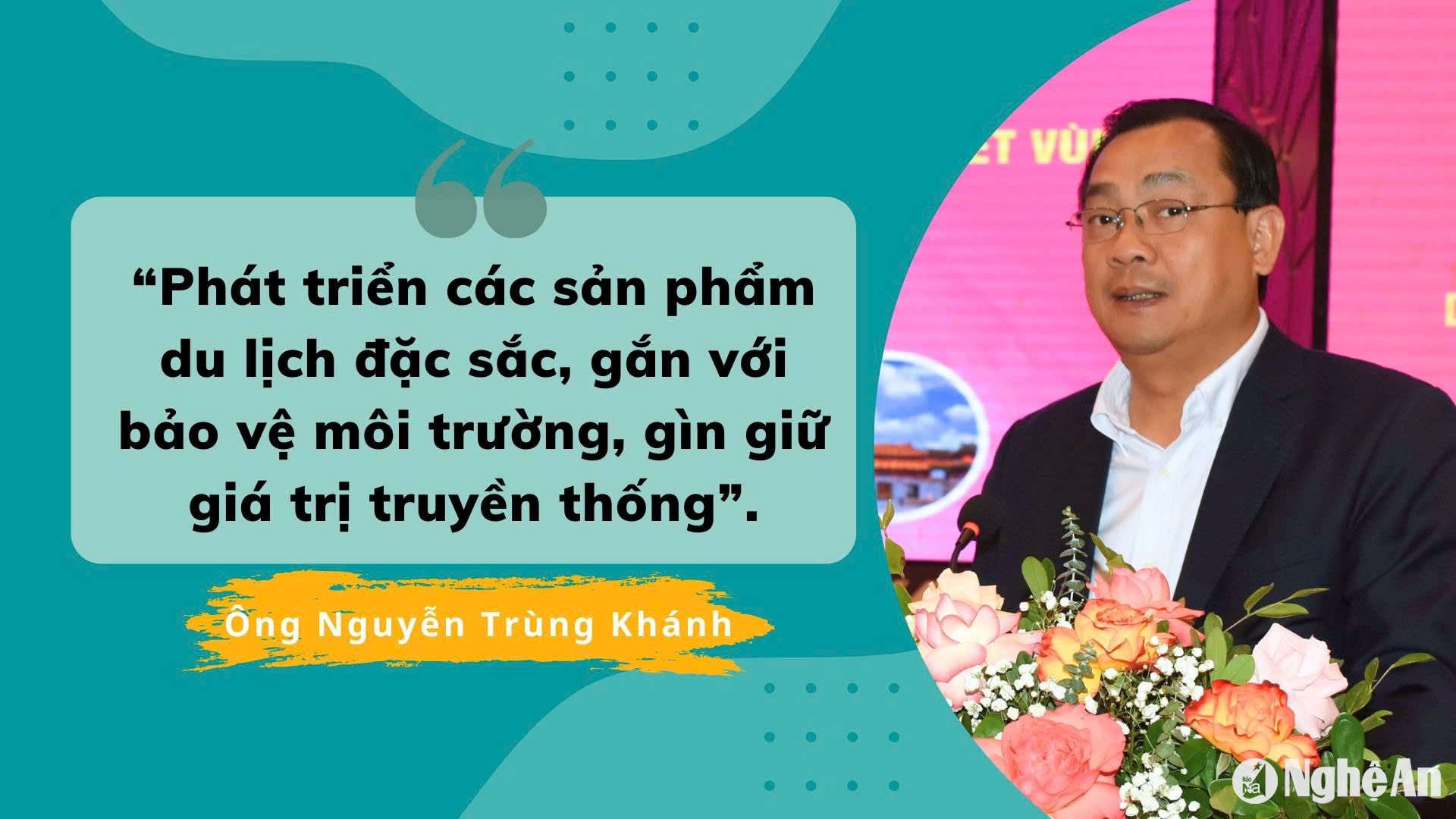
Mr. Nguyen Trung Khanh – Director of the Vietnam National Tourism Administration
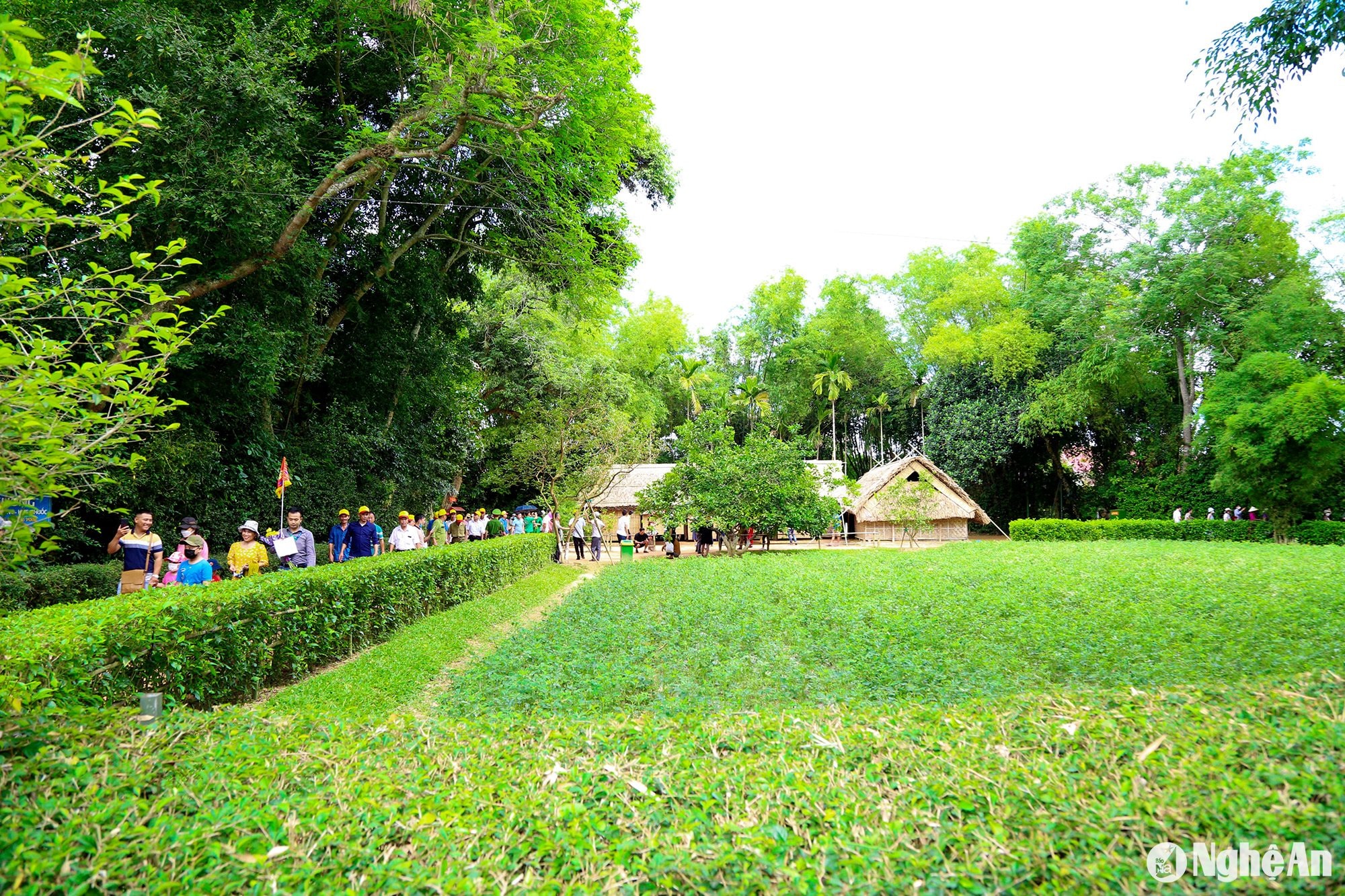
Nghe An province needs to continue to leverage its strengths, focusing on developing unique tourism products while protecting the environment, preserving traditional cultural values, and especially improving service quality to create truly impressive experiences for tourists. Building the image of "Nghe An - a destination of heritage, nature, and community experiences" aims to create a distinct mark on the tourism map of North Central Vietnam.
In addition, strengthening linkages with provinces in the region is crucial to leveraging regional advantages and creating overall strength.tourism developmentSustainable. Building and developing inter-provincial tourism routes connecting different localities will help effectively exploit tourism resources and attract tourists through diverse products and experiences. Regional linkages also support joint promotion, organize large-scale cultural and tourism events, thereby increasing competitiveness and attracting investment in the development of tourism infrastructure and services.
In the context of a rapidly changing global economy, developing smart tourism and leveraging innovative tourism models that combine cultural heritage and digital technology will be key to Nghe An province maintaining sustainable development and enhancing its competitiveness on the international tourism map.
Mr. Nguyen Quoc Ky - Chairman of Vietravel Group
Developing Nghe An's tourism products in line with the national tourism brand is not just a local goal, but a shared responsibility of the entire Vietnamese tourism industry. The tourism sector needs to commit to collaboration, creativity, and innovation to make Nghe An tourism a driving force for economic, cultural, and social development.
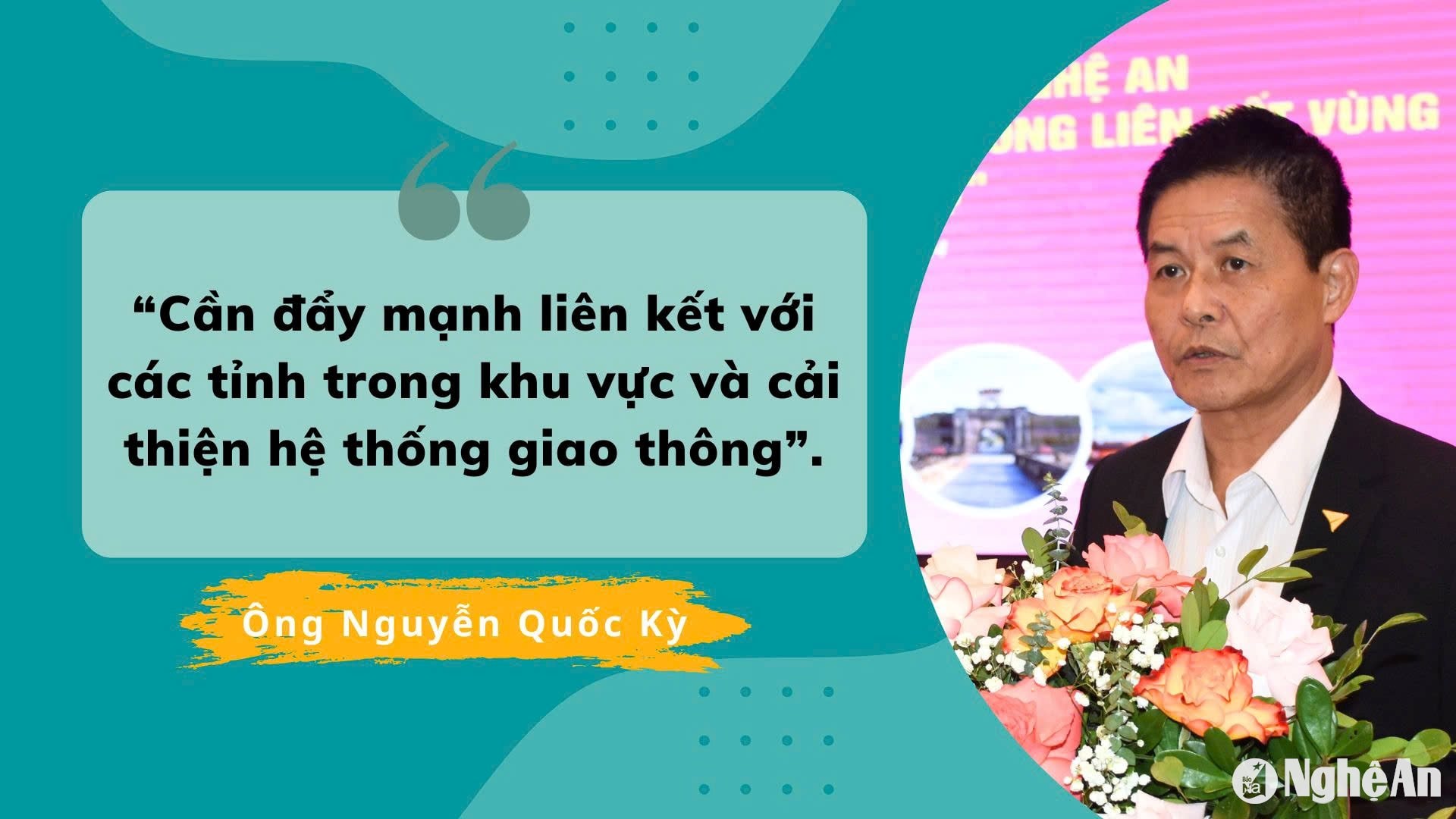
Nghe An, the birthplace of President Ho Chi Minh, possesses "precious gems" such as Cua Lo beach, Pu Mat National Park, and the Nghe Tinh folk songs (Vi and Giam) recognized by UNESCO as a representative intangible cultural heritage of humanity. The Nghe An tourism industry needs to clearly identify and focus on developing and promoting these unique features. Simultaneously, it should strengthen linkages with other provinces in the region and improve its road, rail, and air transport systems to leverage regional strengths and create overall power for sustainable tourism development.
At the same time, we will apply modern technology to promote and enhance the tourism experience and work alongside local authorities and communities in this endeavor.sustainable developmentTourism in Nghe An.
Ms. Pham Thi Thanh Ha - General Director of Song Ngu Son Giang Dinh JSC
Nghe An has many potentials and strengths; it is a land of outstanding people and rich revolutionary traditions, with a distinctive culture and many scenic spots.historical siteIt still retains its natural environment and ecosystem, with many rivers, seas, lakes, and majestic mountains and forests, making it favorable for tourism development, especially ecotourism, community tourism, and green tourism.

To develop green tourism, ecotourism, and community-based tourism, Nghe An must form a sustainable and closely linked value chain between businesses, customers, service providers, local communities, and ensure that all parties benefit in the long term.
The process of building green tourism, ecotourism, and community-based tourism models not only helps people protect natural resources and the ecological environment, but also provides an opportunity to preserve and promote the unique cultural features of the locality, bringing practical benefits, contributing to poverty reduction, and improving the lives of many local people.
During construction, environmentally friendly materials should be used, minimizing the impact on the natural environment. Chemicals should not be used in the production of tourism products, and waste collection points should be established to meet the needs of tourists. Electricity, water, raw materials, and fuel should be conserved during operation; staff and tourists should be guided to consciously participate in protecting natural resources and the environment…
Ms. Vi Thi Tham – Director of the Coordination CenterdWestern Nghe An tourism
In the context of regional tourism linkages in North Central Vietnam, tourism in Western Nghe An will contribute significantly to creating unique and distinctive products within this linkage chain, alongside tourism in Nghe An province. However, tourism in Western Nghe An still faces many difficulties and challenges, especially the considerable distances between destinations and the fragmented nature of these sites. Therefore, the first necessary condition is for owners of tourist areas and destinations to change their mindset and raise awareness about connectivity.
With current trends, tourists no longer want to visit just one place but want to experience multiple destinations with diverse tourism products. Connected destinations can help each other learn, bond, and strengthen community solidarity. This, in turn, creates attractive and diverse tours. Always prioritizing customer interests is essential for mutual development and attracting tourists.

To connect tourist destinations along the same route, tourism products is a decisive factor inattract touristsTypically, destinations within the same region share common tourism resources and have similarities in nature and culture. Therefore, destinations along the same route need to identify their own strengths and unique identities to connect with each other and help each other grow.
It can be said that travel companies act both as intermediaries connecting destinations within a tour and as customers, demanding that each destination provide the most unique and distinctive products and services. Therefore, to meet the needs of travel companies, connecting destinations is a sustainable approach.


