
Nhan Hoa's new look...
Nhan Hoa commune was formed from the merger of three communes: Tam Dinh, Cam Son, and Hung Son (formerly Anh Son district). Its favorable geographical location, picturesque landscape, and the tradition of unity and diligence of its people are the foundation for this locality to gradually assert its new vitality. Despite facing numerous challenges, Nhan Hoa is continuing its development journey with a strong aspiration to rise up, aiming to become a dynamic, distinctive, and sustainable region.
Land of intersection
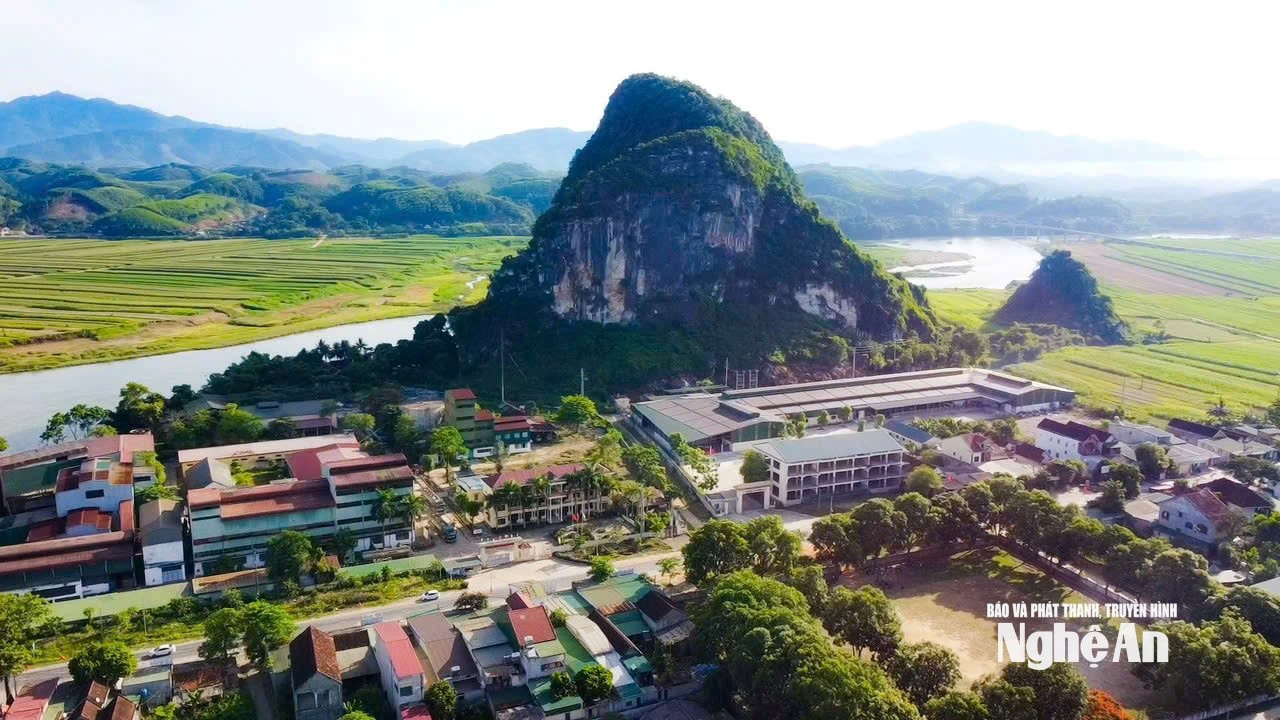
If we liken the land of western Nghe An to a vast painting, then Nhan Hoa is a vibrant, new color. The commune was established on July 1, 2025, based on the merger of three communes: Tam Dinh, Cam Son, and Hung Son, according to Resolution No. 1678/NQ-UBTVQH15. This merger has created an administrative unit with a large area, a dense population, and rich development potential.
The first strength of Nhan Hoa is its geographical location. Situated in southwestern Nghe An province, the commune has a major transportation route running through it, connecting it to many other communes in the district and neighboring areas. Travel from the commune center to surrounding localities is convenient. This not only facilitates the easy movement of goods but also opens up opportunities for trade and service development.
Nhan Hoa boasts diverse natural resources. The endless green tea hills of Hung Son are renowned for their distinctive flavor; the Bai Phu oranges in Cam Son yield juicy, sweet, golden fruit; and the fertile alluvial plains along the Lam River are ideal for growing vegetables, corn, peanuts, and more. This diversity has created a multifaceted agricultural economy, with both key commodity products and the potential to build unique brands.
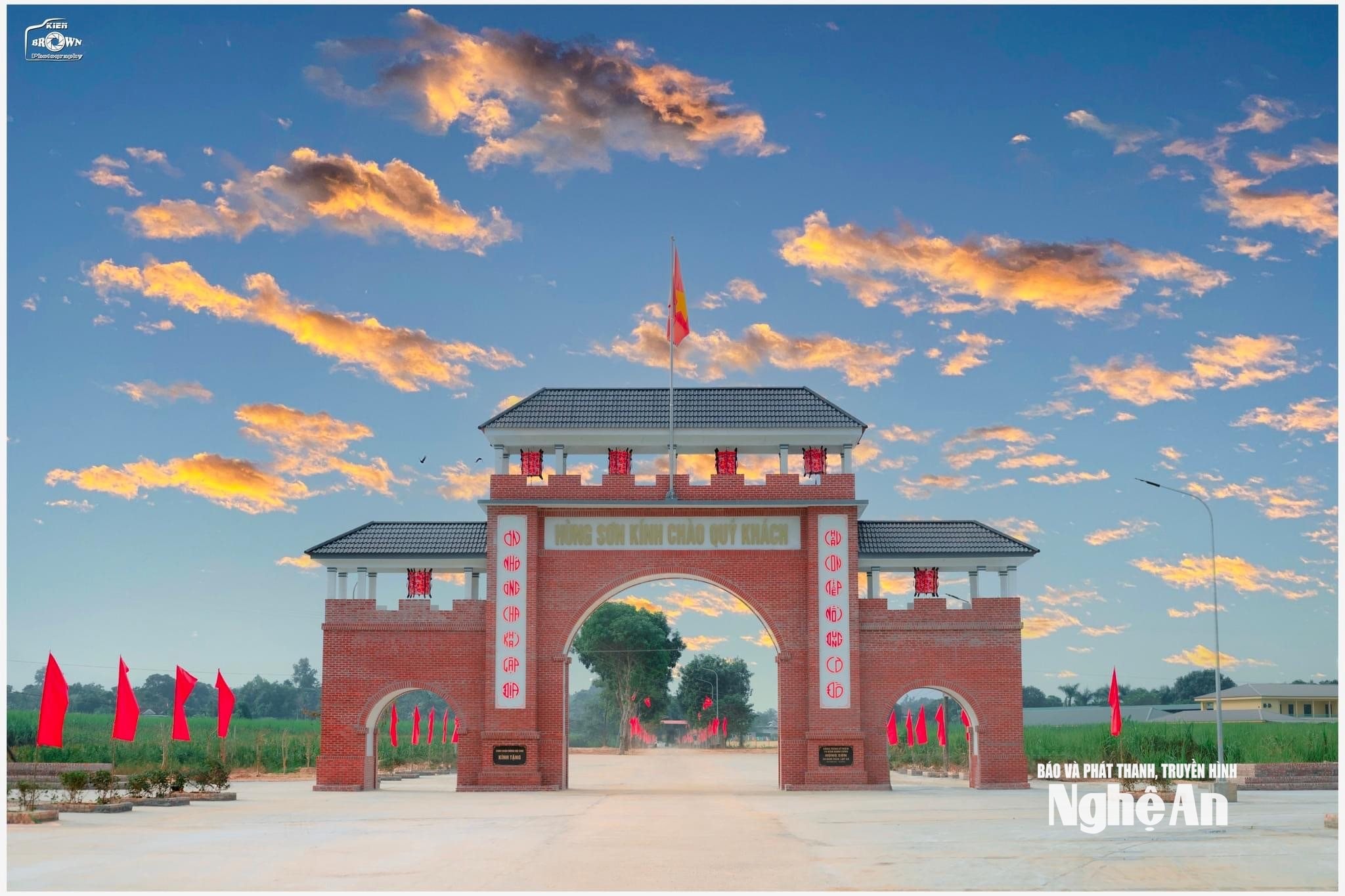
The people of Nhan Hoa are inherently hardworking and diligent, always knowing how to utilize every plot of land and every hillside to develop production. Even during the most difficult times, from epidemics to natural disasters, they remained resilient, clinging to their land, preserving their craft, and finding ways to adapt. Their tradition of solidarity and mutual support is considered the greatest intrinsic strength that helps the commune overcome challenges.
However, advantages always come with difficulties. As a newly merged commune, the two-tiered administrative apparatus is still young, needing to both consolidate its organization and handle a large workload. The capacity of officials is uneven, and administrative infrastructure is still lacking. Living standards also vary between different areas: some have achieved the new rural development standards, while others still face many infrastructure challenges. In addition, natural disasters, floods, and epidemics have directly impacted production and people's lives, especially the severe consequences of Typhoon No. 3 in July 2025.
In this context, Nhan Hoa chose to view difficulties as motivation. The government and the people joined forces to turn challenges into opportunities, determined to build a new image for their homeland.
Nsolid foundation
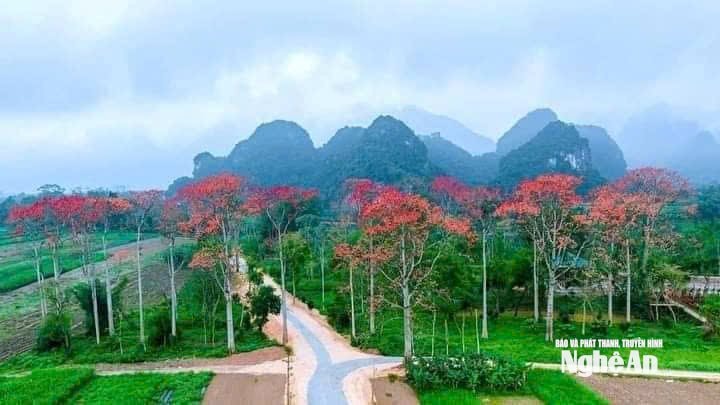
Prior to the merger, the three communes of Tam Dinh, Cam Son, and Hung Son had a term from 2020 to 2025 filled with effort and numerous achievements. Despite being impacted by the Covid-19 pandemic, successive natural disasters, and the complex administrative merger process, the localities still achieved many important results, creating a foundation for Nhan Hoa to confidently enter a new phase today.
Regarding Party building, Party committees at all levels have focused on training cadres, improving the quality of Party branch activities, and linking this with studying and following Ho Chi Minh's ideology, ethics, and style. Party membership development has been emphasized, and many young cadres have been tested and matured. The "Skilled Mass Mobilization" movement has spread, becoming a link connecting the Party's will with the people's hearts.
Socio-economic development has seen significant progress. Agriculture has been restructured towards commercial production and the application of new technologies. Hung Son tea plantations are yielding higher productivity and quality, gradually building a brand for clean tea. Bai Phu orange orchards are beginning to apply VietGAP standards, receiving planting area codes, opening up export opportunities. In the alluvial plains along the river, vegetables and peanuts not only meet the needs of the provincial market but also reach neighboring provinces. In addition, livestock farming is developing strongly, with many medium and large-scale pig, chicken, and goat farms emerging, contributing to job creation and increased income.
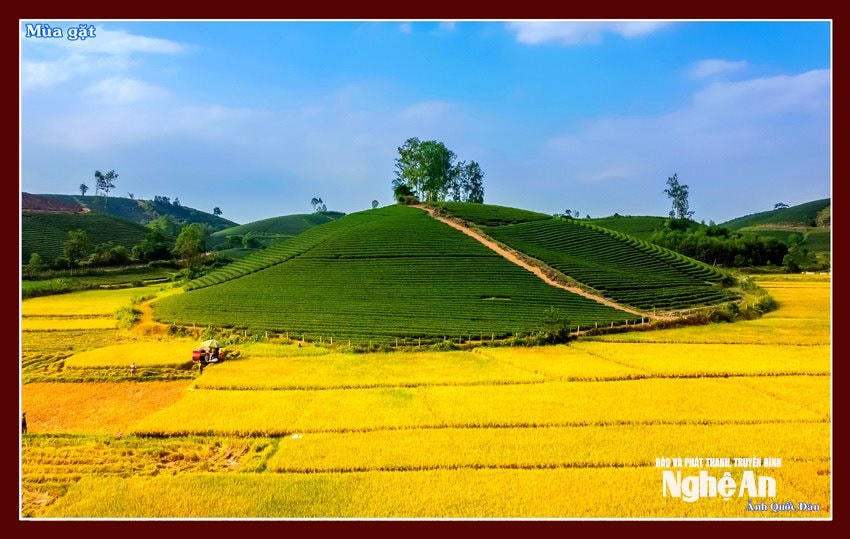
The industrial and construction sectors, as well as trade and services, have also made their mark. Several tea processing facilities, tunnel brick factories, and quarrying operations have developed, contributing to the local budget. Commercial and service activities have become more diversified, with small traders applying information technology in their business and product promotion. Tourism is beginning to emerge, with visitors coming to explore tea hills, cool streams, or experience traditional festivals.
Culture and social affairs continue to be nurtured. Folk song and dance clubs in Tam Dinh and Hung Son are regularly maintained, becoming a source of pride for the people. Sports activities are vibrant, with many football and volleyball tournaments organized annually, fostering community cohesion. Education has achieved positive results, with a high percentage of students completing lower secondary education; some schools have received investment to meet national standards. Healthcare, population management, and public health care are prioritized, with the rate of malnourished children decreasing year by year.
.jpg)
It is impossible not to mention the achievements in poverty reduction and social welfare. During the past term, the poverty rate decreased to about 2.4%; each year, hundreds of workers go to work abroad, bringing stable income to their families. Policies for war veterans and "Gratitude and Repayment" activities were implemented promptly, and many houses of gratitude were repaired or newly built.
All these achievements not only reflect the efforts of each individual citizen and each village community, but also demonstrate the decisive and innovative leadership of the Party committees and authorities at all levels. Thanks to this, upon merging into Nhan Hoa commune, the locality had a solid foundation to enter a new phase of development.
MGoals for the new journey
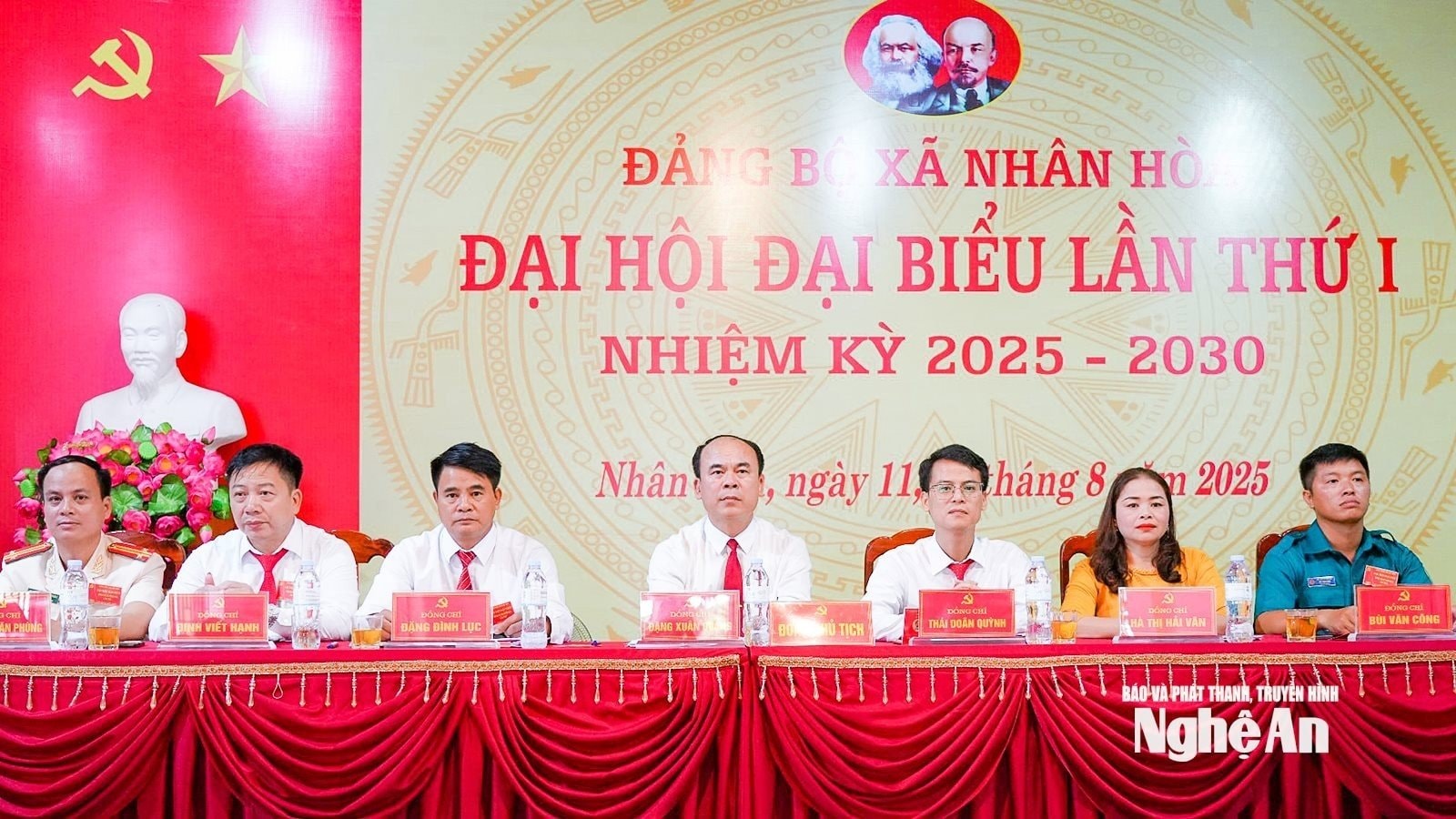
The First Party Congress of Nhan Hoa Commune, for the term 2025-2030, was held amidst great confidence and expectations. The motto "Unity - Democracy - Discipline - Creativity - Development" was clearly defined, becoming the guiding principle for the journey ahead.
The overall goal is for Nhan Hoa to become a moderately developed commune in the province by 2030, a center for agricultural processing, trade, and services; ranking among the top communes in the Southwest Nghe An region. To realize this, the commune has set a series of specific targets, ranging from economic and social development to environmental protection and national defense and security.
The economy will be the key driving force. The target growth rate of total product value is 9-10% per year; per capita income is expected to reach 82 million VND per year by 2030. Total investment for development in the period 2026-2030 is projected to exceed 1,558 billion VND, focusing on transportation infrastructure, irrigation, schools, healthcare, and trade and services. By 2029, the commune strives to achieve the New Rural Area standard, upgrading existing criteria and developing at least 5 more OCOP products achieving 3 stars or higher.
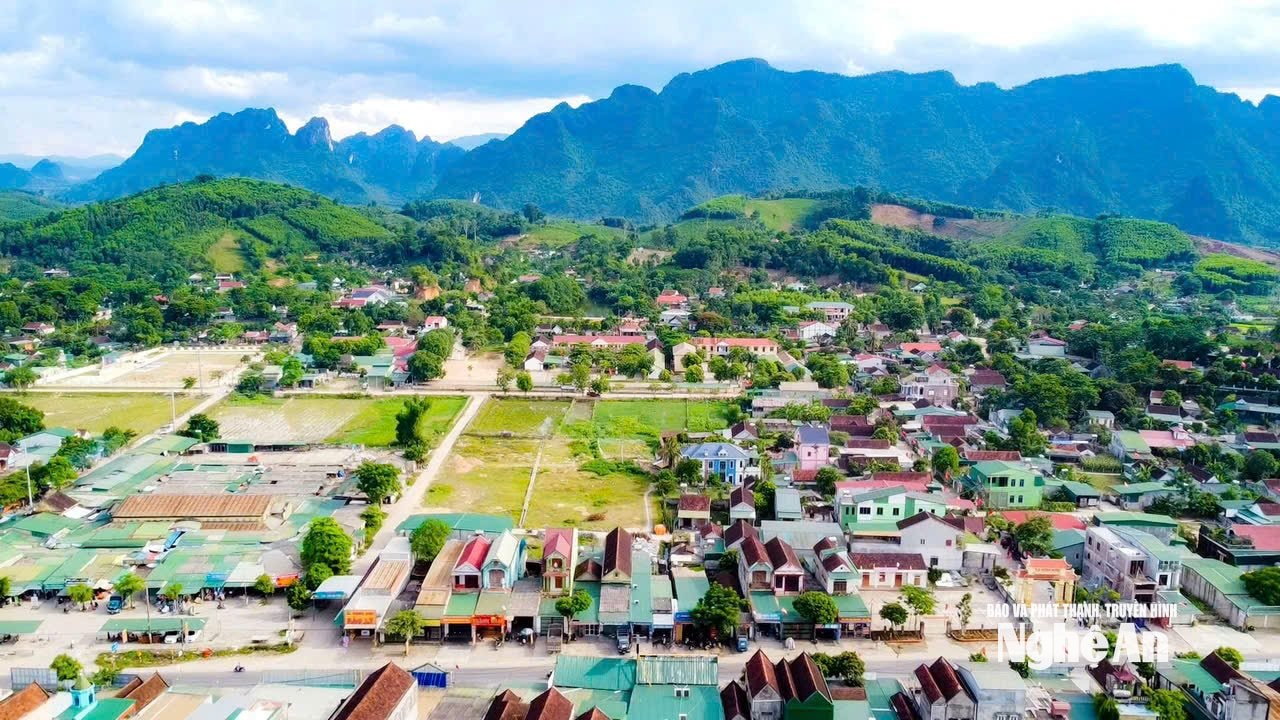
Specifically, Nhan Hoa has identified three breakthrough areas: developing synchronous infrastructure linked to trade and services; promoting private and agricultural economies; and building a high-quality workforce. Hung Son tea plantations will be developed in a clean, organic direction; Bai Phu oranges will meet VietGAP – Organic standards; and the vegetable growing areas along the Lam River will become the district's "safe vegetable hub." Key products will be branded and labeled to compete in a wider market.
Simultaneously, the commune focuses on preserving traditional culture and developing eco-tourism and experiential tourism. The Tam Son rocky beaches, the rice flower festival, the Khe Ratt dam… promise to become attractive destinations, linking tourism development with agriculture and trade. Education, healthcare, and social welfare are comprehensively addressed, aiming to improve the quality of life for the people.
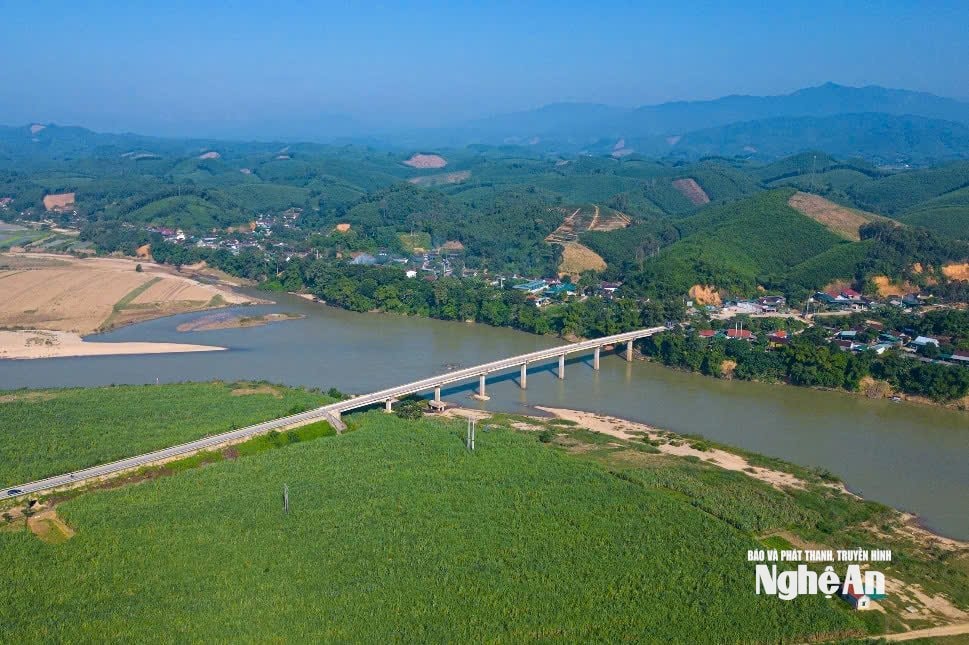
A key focus is digital transformation. The commune government will promote the application of technology, from administrative management to production and services. Citizens are encouraged to use online public services, cashless payments, and access information quickly and transparently.
Above all, human strength is highly valued. Accordingly, the commune will focus on training young cadres and female cadres, building a professional civil servant team that is close to the people and serves the people. At the same time, it will awaken the creative spirit and the will to strive for progress among the people – the decisive factor for Nhan Hoa to achieve its great goals.
Nhan Hoa today is the culmination of the unity, will, and aspirations of an entire region. Although many challenges lie ahead, with a solid foundation, fine traditions, and the concerted efforts of the government and people, the newly formed commune will build a prosperous and beautiful future. Nhan Hoa is not just a story of administrative consolidation, but also a symbol of the journey to create a livable, culturally rich rural area in the western part of Nghe An province…
- 📊Target figures for 2030
- Economic growth rate:9-10% per year
- Average income per capita:82 million VND/year
- Total investment for development:over 1.558 billion VND
- Road paving rate in rural areas:95%
- Achieving New Rural Area standards:2029
- OCOP products with 3 stars or higher:05 products
- Health insurance participation rate:98%
- Trained workers:50-55%


