
World gold prices could reach $4700 if instability persists.
UBS forecasts that the price of gold could reach $4,700 per ounce if geopolitical instability increases.
Global gold prices opened Wednesday's trading session in Asia with a sharp decline to around $3,950 per ounce. This correction occurred as traders began to lower their expectations of further interest rate cuts by the Fed in December. Investors are awaiting a speech by Governor Michelle Bowman for further clarity from the Fed on monetary policy.
According to current financial market valuations, the probability of the Fed further lowering interest rates by 25 basis points in December is approximately 70%. However, investors are calculating that by the end of 2026, the total interest rate cuts will be around 82 basis points, bringing the federal funds rate from the current 3.88% down to approximately 3.06%.
Data released by the Institute of Supply Management (ISM) indicates that the US manufacturing sector is showing signs of weakening. The manufacturing PMI fell from 49.1 in September to 48.7 in October, lower than the forecast of 49.5. This reflects a slowdown in economic activity and could put pressure on the US dollar.
When the US dollar weakens, world gold prices are usually supported because gold becomes more attractive to investors holding other currencies. If this trend continues, world gold prices could rebound in the near future.
Investors are awaiting the ADP October jobs report, which will be released on Wednesday. This data is considered a key indicator of interest rate direction. If the number of new jobs falls sharply, the likelihood of the Fed being forced to cut interest rates will increase, thereby driving up global gold prices.
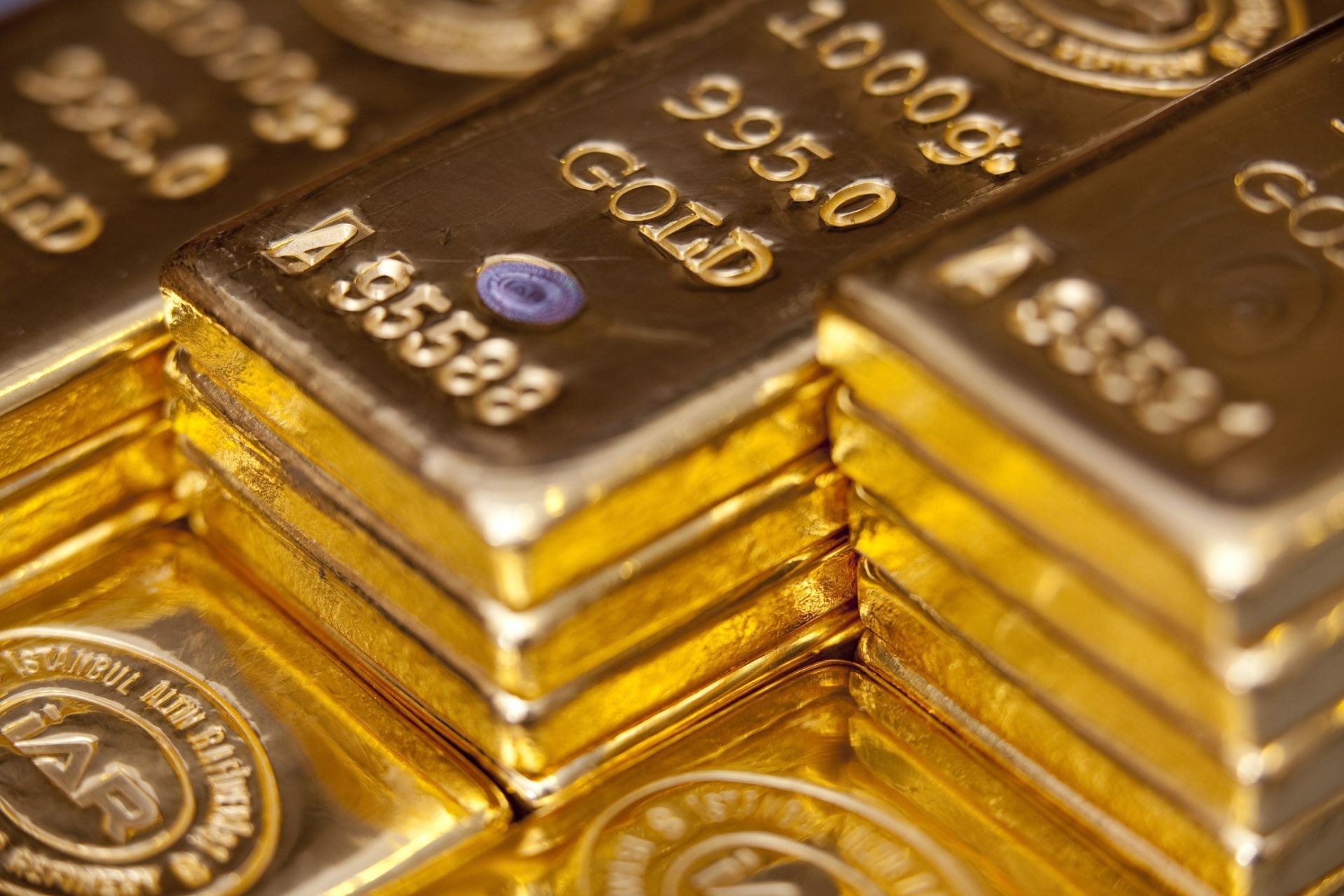
According to experts from UBS Investment Bank (Switzerland), the price of gold is currently only undergoing a short-term correction, and the long-term trend remains upward.
UBS forecasts that gold prices have a high probability of reaching $4,200 per ounce in the near future. In the event of geopolitical instability or increased market volatility, gold prices could even surge to $4,700 per ounce.
Although the gold market has just experienced a decline, analysts from UBS do not believe there are any fundamental factors strong enough to trigger a long-term sell-off. This correction, according to UBS, is merely the result of technical factors and a short-term decrease in open futures contracts, and not a sign of a negative trend.
UBS cites the Q3 report from the World Gold Council, which notes that demand for gold remains very strong. Specifically, central banks have purchased 634 tonnes of gold since the beginning of the year and are expected to reach 900 to 950 tonnes in 2025. Notably, the pace of purchases is accelerating in Q4, reinforcing the positive outlook for gold prices.
Not only central banks, but also individual investors are increasing their gold holdings. Inflows from ETFs into gold reached 222 tons, while demand for gold bars and coins exceeded 300 tons for the fourth consecutive quarter. This reflects a positive trend, in which gold prices continue to be supported by genuine investment demand globally.
UBS believes that current gold prices are attractive for investors to consider buying. The recent correction has not diminished gold's appeal in investment portfolios.
This bank recommends that investors allocate a small, single-digit percentage to gold as a tool for asset protection and risk hedging.
According to UBS, the gold market is still in a positive accumulation phase, and many investors have not yet allocated sufficient weight to gold in their portfolios. With the prospect of rising gold prices and global risks remaining unabated, this is a suitable time to consider holding the precious metal.
Gold prices are reacting strongly to geopolitical factors, monetary policy, and global investment demand. The continued buying by central banks and individual investors suggests that the upward trend in gold prices shows no signs of weakening.
UBS believes that gold prices could easily reach or surpass record highs if global instability persists.
With forecasts ranging from $4,200 to $4,700 per ounce, gold prices continue to be a focal point in the financial world.


