
Learn how to choose healthy foods for healthy meals.
Maintaining a healthy diet throughout life helps prevent all forms of malnutrition, including overweight, obesity, and non-communicable diseases (diabetes, cardiovascular disease, hypertension, dyslipidemia, gout, etc.).
What constitutes a healthy diet?
According to Associate Professor Dr. Nguyen Thi Lam: "The definition of a healthy diet is one that is rich in ripe fruits, green vegetables, whole grains, fiber, and legumes, while limiting components such as free sugars, snacks and sugary drinks, processed meats, and salt."
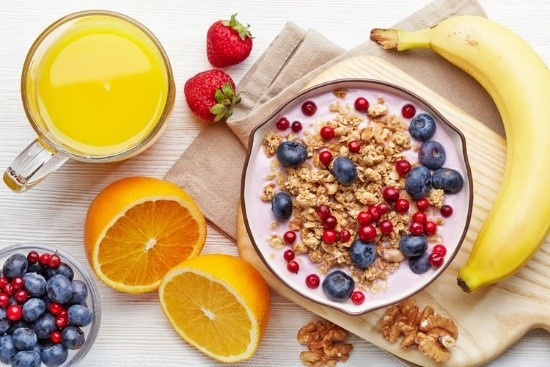
In a healthy diet, saturated fats and industrially produced trans fats need to be replaced with unsaturated fats. A healthy diet provides the body with essential nutrients such as macronutrients, micronutrients, and sufficient energy, meeting the needs of each individual depending on their nutritional status, physiology, and activity level - Associate Professor Lam emphasized.
For young children, proper nutrition during the first two years of life is crucial for optimal physical and intellectual development. At the same time, good nutrition reduces the risk of overweight, obesity, and non-communicable diseases as children grow older.
Choose healthy foods
Healthy foods are those that are low in saturated fat, trans fat, free sugars, and salt. Foods are divided into two main categories: natural foods and processed foods (either artisanal or industrial). No food is considered completely healthy, nor is any food completely bad or unhealthy.

With natural foods, it's important to combine them in a diverse way (eating many different food groups and even within the same group), ensuring sufficient quantities and a balanced intake of essential macronutrients and micronutrients, guaranteeing food safety and hygiene, and choosing seasonal foods. Foods considered healthy may not contribute to a healthy diet if consumed in inappropriate quantities or prepared in the wrong way. For example, watermelon is considered a healthy fruit, but eating a whole watermelon will raise blood sugar levels more than eating a chocolate bar (considered unhealthy). Similarly, vegetarian (plant-based) foods are considered healthy, but frying them increases trans fats. Sweet potatoes, a recommended alternative to rice for people with diabetes, will significantly increase their glycemic index if baked.
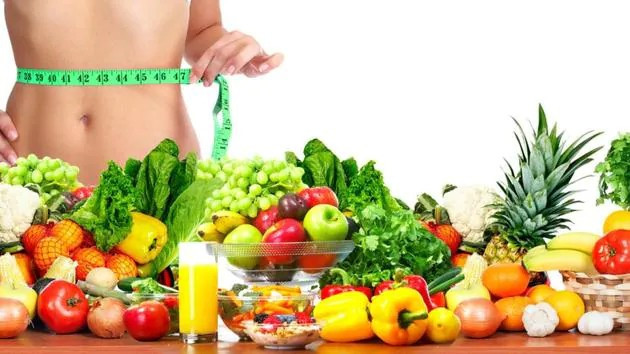
For processed foods, manufacturers must limit or increase the use of ingredients that make food "unhealthy" by controlling "bad" ingredients such as salt, simple sugars, saturated fats, and trans fats. In addition, increased communication is needed to raise consumer awareness so they can choose healthy foods from the available market. In many countries today, besides food labels, nutrition labels are also mandatory. Nutrition labels can help consumers choose products and control their intake of foods high in fat, salt, and free sugars.
When choosing healthy foods, you should consider the following information:
- Whole grains: Brown rice, wheat, barley, and unrefined corn provide carbohydrates as the main building blocks. In addition, they provide many other nutrients: They are a rich source of lipids (rice oil is a very healthy oil), easily digestible plant protein rich in lysine, beneficial fiber, and antioxidants.
- Unsaturated fats: Energy from fat should be less than 30% of the total energy in the diet. Unsaturated fats, found in fish, avocados, and nuts (sunflower seeds, soybeans, olives), are better than saturated fats (in meat, butter, palm oil, coconut oil, fresh cream, cheese, lard) and trans fats produced during processing and industrial production. The recommended percentage of saturated fat should be less than 10% of total energy and trans fat less than 1% of total energy. A healthy diet should not contain or avoid saturated fats produced in industrial production.
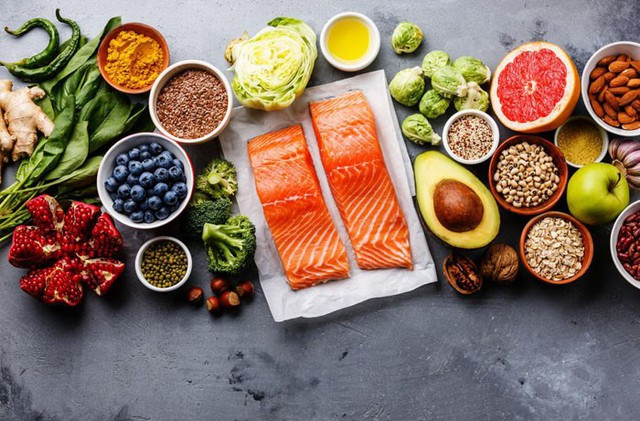
- Eat a diverse range of green vegetables and ripe fruits: 400-600g of green vegetables and ripe fruits per person per day. Green vegetables and ripe fruits are sources of vitamins, minerals, and fiber. Fiber is found in plant-based foods and comes in two types: water-soluble and water-insoluble.
- Water-soluble fiber is abundant in legumes: soybeans, kidney beans, kidney beans, vegetables, fruits, etc. This fiber can lower cholesterol and help regulate blood sugar. Insoluble fiber includes: wheat bran, unground grains, and vegetables. This fiber absorbs water, increasing the bulk of waste material and speeding up the elimination process. Therefore, it is recommended to eat a variety of foods containing both types of fiber. The recommended daily fiber intake for Vietnamese people is at least 20-25g/person/day.
- Fish and seafood: Salmon, mackerel, sardines, tuna, etc., are foods with high protein content, good quality, and balanced amino acids. Fish also contains more minerals and vitamins than meat. Fish provides a valuable source of lipids, especially omega-3 fatty acids, DHA and EPA, which are a type of unsaturated fatty acid. These essential unsaturated fatty acids cannot be synthesized by the body and must be obtained from food sources.
- DHA helps lower total cholesterol, blood triglycerides, and LDL-cholesterol (bad cholesterol), thus preventing atherosclerosis and myocardial infarction. Omega-3s help reduce heart rhythm disorders, which is beneficial for people who have had a myocardial infarction. Eating fish 2-3 times a week, or 250g of fish per person per day, helps reduce the risk of stroke (cerebrovascular accident).
- Protein: A diverse range of protein sources, including both animal and plant proteins, should be consumed, with a balanced ratio between animal and plant proteins. Reduce consumption of all types of meat, especially red meat, to 70g/day/person; increase consumption of healthy foods such as fish, seafood, eggs, milk, and poultry. As age increases, the amount of animal protein consumed should decrease. A reasonable protein intake should be maintained at a ratio of 1/3 animal protein to 2/3 plant protein in each daily meal.


