
Huu Khuong - Unleashing inner strength from a challenging "oasis"
Huu Khuong commune, an isolated mountainous "oasis" in Nghe An province with rugged terrain and numerous difficulties, is gradually developing its socio-economic conditions. By leveraging the strength of unity, focusing on building human resources and improving infrastructure, the locality has created a solid foundation for sustainable development, improving the lives of its people and preserving traditional cultural values.
Region "oc dhero” giwomana dsir/ma'ami thousand
As one of the particularly disadvantaged mountainous communes in Nghe An province, Huu Khuong commune is located more than 300 km from the provincial center, with a total natural area of over 26,379 hectares.
With its rugged terrain, heavily fragmented by rivers, streams, and mountains, Huu Khuong is also known as an isolated "oasis," surrounded by the Ban Ve hydroelectric reservoir.
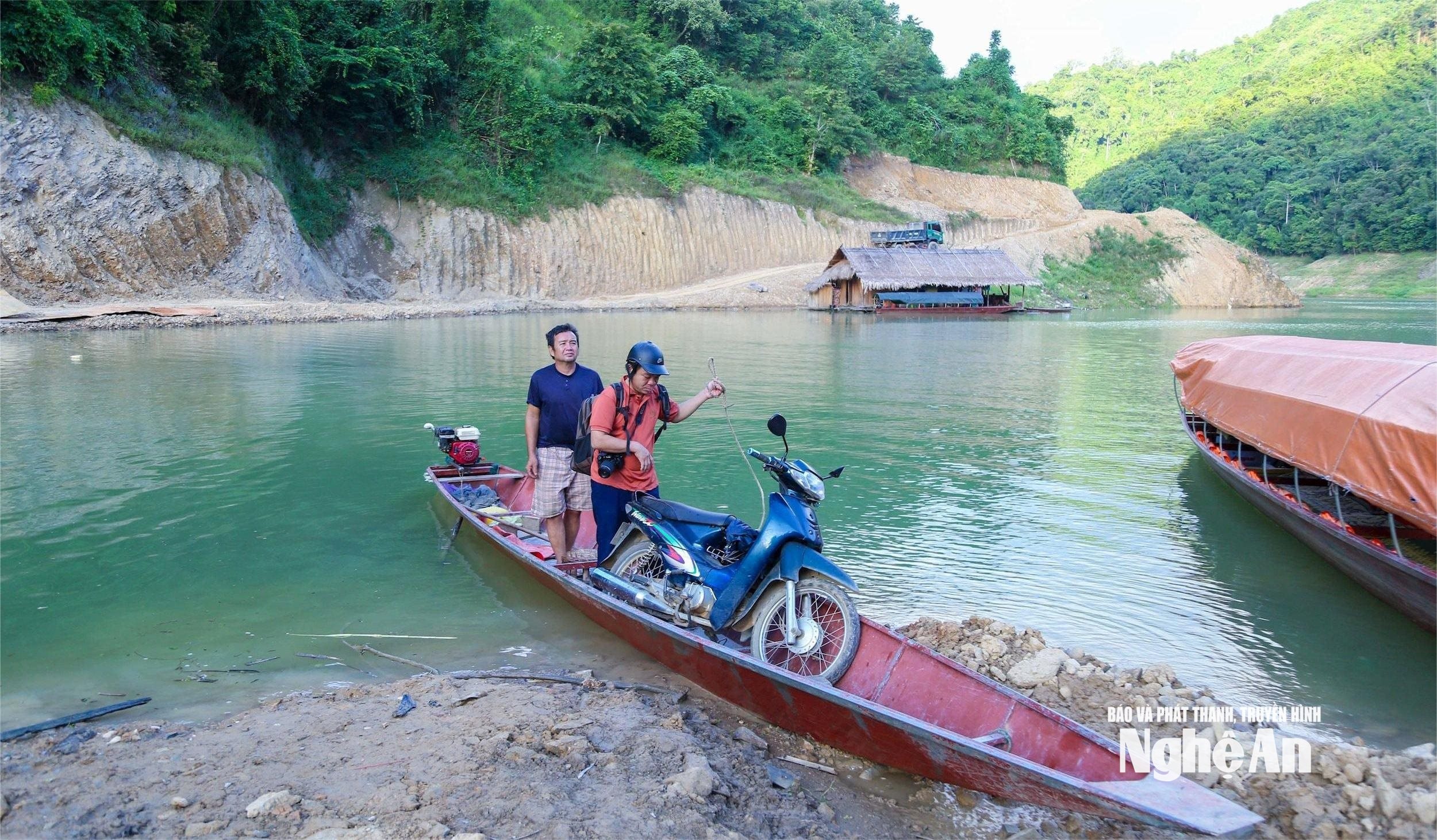
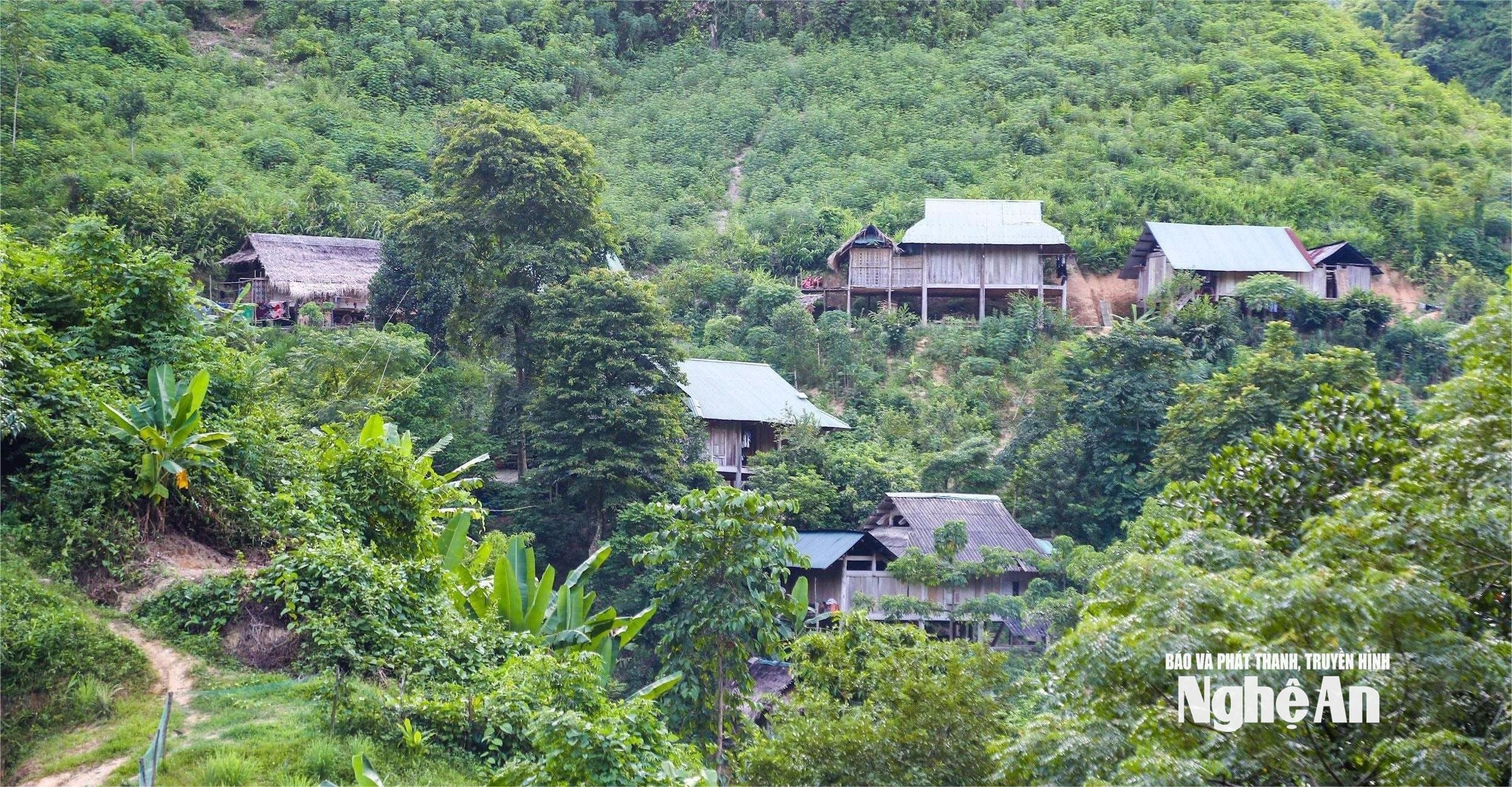
The commune currently comprises 7 villages, with 653 households and 2,831 inhabitants, consisting of three main ethnic groups: Thai, Khmu, and Hmong. Ethnic minorities constitute the majority of the population, and their economic lives remain challenging: 74.73% of households are poor, and 9.65% are near-poor. Transportation relies primarily on waterways; residential and agricultural land is limited; the level of education is low; and agricultural products mainly serve self-sufficiency, making market access difficult.
In recent times, natural disasters, epidemics, and the impacts of climate change have continued to significantly affect the lives and socio-economic development of the region.
However, overcoming many difficulties, with the spirit of unity and high determination of the Party committee, government and people, Huu Khuong commune has gradually stabilized life, strived to implement economic development and social welfare programs, preserved cultural identity and ensured national defense and security.
CChanges in many areas
During the 2020-2025 term, the local socio-economic development has made significant progress with positive changes in many areas. Total commune income reached 74,880 million VND, exceeding the target by 111.8%, while per capita income increased to 30.9 million VND, equivalent to 120.7% of the plan. Budget revenue also reached 273 million VND, exceeding the target by 109.2%, while total social investment capital for the 2021-2025 period is estimated at 650 billion VND, more than 2.6 times higher than the previous period.
Regarding production development, the Party Committee has focused on directing the restructuring of crop and livestock production to suit local conditions and effectively exploit available potential. The implementation of national target programs has contributed to improving living standards, eradicating hunger and poverty, and stabilizing society. Despite being significantly affected by weather, natural disasters, and diseases, thanks to the timely guidance of the Party Committee, many agricultural production targets have been met and exceeded.
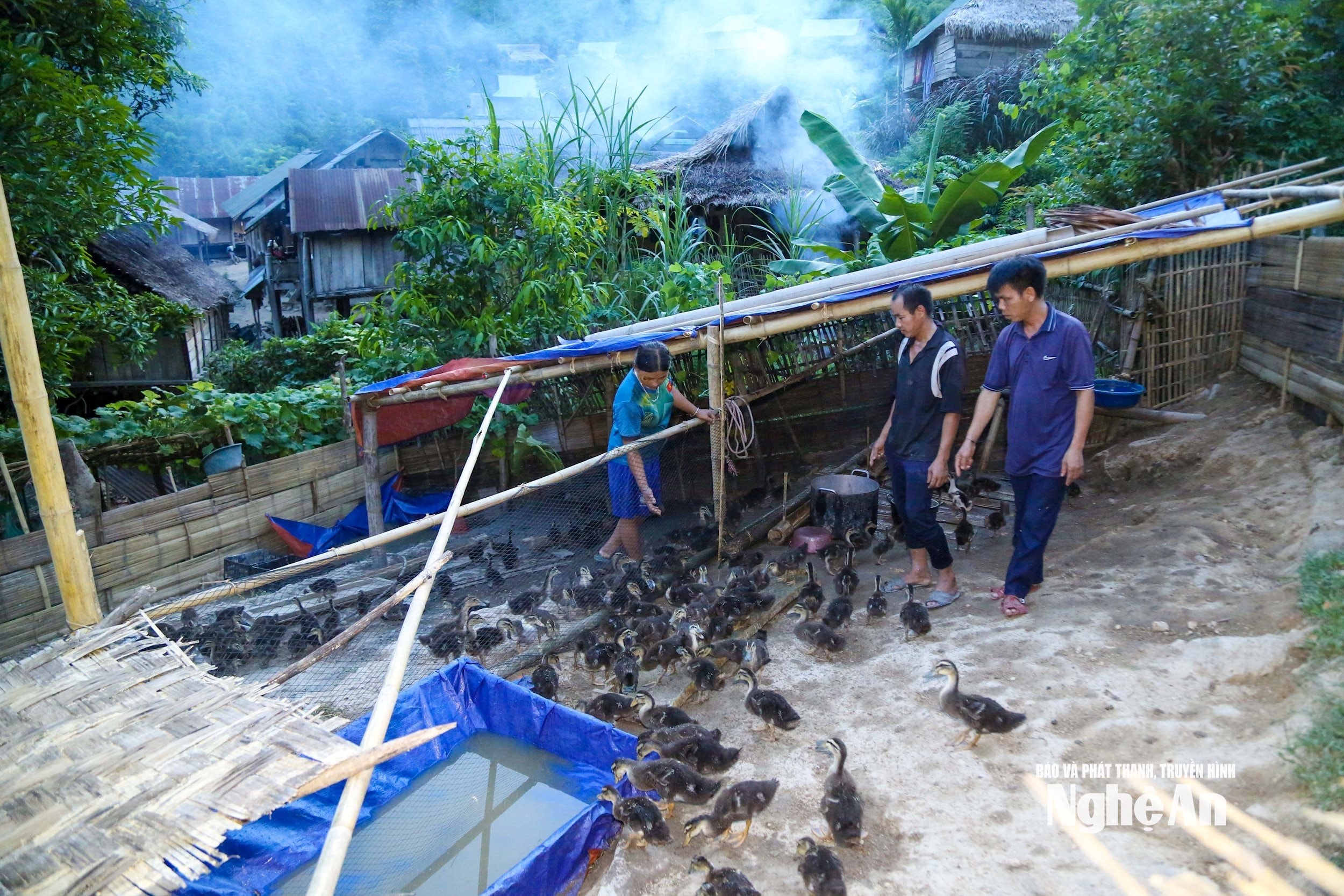
In particular, the total cultivated area in the commune over the past five years reached 2,626.4 hectares, a significant increase compared to the target. Crops such as rice, corn, cassava, vegetables, and ginger were expanded or maintained at stable levels, contributing to increased income for the people. Grain production reached nearly 6,000 tons, exceeding the plan by more than six times. Meanwhile, livestock farming also developed strongly, with a significant increase in the total number of livestock and poultry, meeting market demand and contributing to improving the lives of farmers.
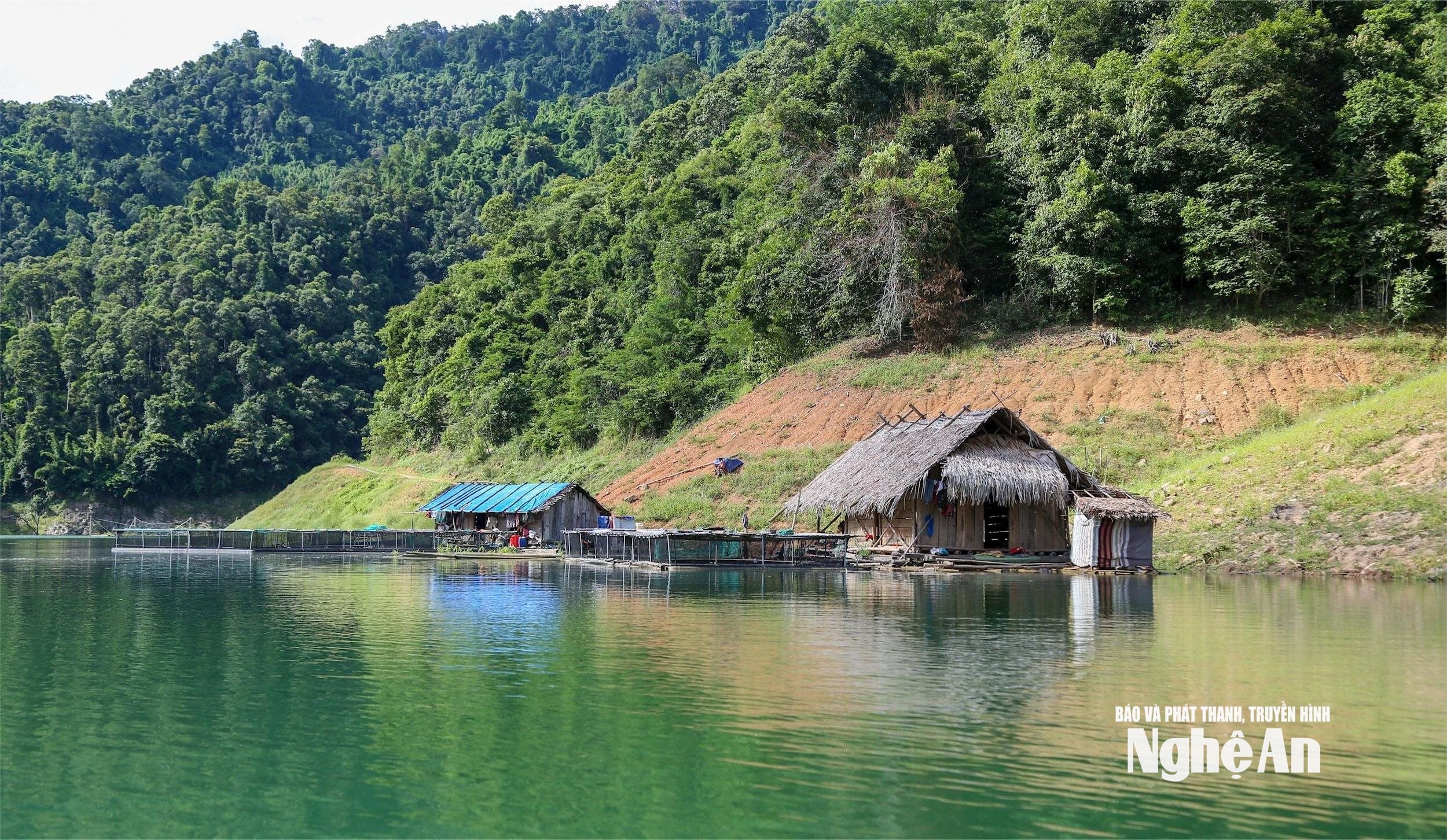
In particular, afforestation and forest protection have received significant attention, with a substantial increase in planted and protected forest area, reaching over 68% forest cover, exceeding the set target and contributing to environmental protection and climate change adaptation. Fisheries have developed with the expansion of cage and pond fish farming models, achieving a growth rate of over 200% compared to the target, generating additional income for the people. Simultaneously, the new rural development program has been accelerated, with significant improvements in criteria such as the concreting of thousands of meters of roads and the enhancement of infrastructure serving the people.
In the industrial and construction sectors, the commune has facilitated the development of industrial industries, contributing to socio-economic development. The electricity grid covers 6 out of 7 villages, with nearly 90% of households having access to electricity. Furthermore, cultural facilities, schools, and administrative offices have been built to a high standard, meeting development needs. Attracting investment capital has been prioritized, with a total investment exceeding 650 billion VND, focusing on key projects such as road construction, the commune People's Committee headquarters, and boarding facilities for students, creating significant progress in social infrastructure development.
In terms of services, production, trade, and business activities are encouraged to develop in the right direction, ensuring quality management of goods and contributing to improving the lives of the people. The application of science and technology and digital transformation is also promoted, information technology infrastructure is gradually invested in, the telecommunications network is improved with telephone coverage reaching most villages, and effective communication and support for people in digital transformation are carried out, contributing to improving management capacity and serving the people.
Environmental protection and adaptation to climate change are receiving increasing attention, with rational land use planning, forest protection, and inspection and handling of illegal resource exploitation. Measures for disaster prevention and control, and the collection and treatment of solid and hazardous waste have achieved significant results, contributing to maintaining a green, clean, and beautiful environment. The percentage of the population using hygienic water has reached 95%, of which 40% of the rural population has access to clean water, improving living conditions and community health.
In the socio-cultural field, education and training receive special attention, with a strengthened school network and modern equipment investments. The quality of teaching and learning has improved significantly, with 100% of students attending school and nearly 98% graduating from lower secondary school. Movements promoting learning and talent have been widely developed, contributing to raising the knowledge level of the younger generation. Simultaneously, vibrant cultural and sports activities are organized, preserving and promoting the diverse cultural traditions of various ethnic groups, while eliminating outdated customs and increasing the percentage of cultured families and studious lineages.
Health and population issues have also received attention, with effective medical examination, treatment, and disease prevention and control, preventing major outbreaks. The childhood immunization rate has reached 100%, and the rate of malnutrition among children under 5 years old is gradually decreasing, contributing to improved population quality. Family planning efforts have shown positive progress, reducing the number of third births and maintaining a reasonable population growth rate of over 2,800 people.
Regarding employment and social security, vocational training has been intensified, with the percentage of trained workers reaching 90% of the plan. Simultaneously, labor export has also received attention, with remittances estimated at over 22 billion VND. Policies supporting war veterans, the poor, and other social welfare beneficiaries have been implemented promptly, with hundreds of households receiving housing assistance and loans for production development from the Social Policy Bank, ensuring stable livelihoods for the people.
National defense and security work has been strengthened with the consolidation of the people's security posture, and the improvement of militia and reserve forces, ensuring readiness to respond to any situation.
Political security has been maintained, social order is stable, and no complex incidents have occurred, especially with a strong fight against drug-related, economic, and environmental crimes. The commune police have proactively detected and handled violations, strictly managed drug addicts, and implemented rehabilitation measures, contributing to maintaining peace in the community.
These comprehensive achievements have contributed to creating a new face for Huu Khuong commune during the 2020-2025 term, marking a solid step forward on the path of sustainable socio-economic development, while simultaneously improving the quality of life for the local people.
Unleashing inner strength and creating momentum for breakthrough development.
Entering the 2025-2030 term, building upon the significant achievements of the previous period, the Party Committee and people of Huu Khuong commune have clearly defined the overall goal of building a clean, strong, and comprehensive Party and political system. Simultaneously, they aim to leverage the strength of national unity, resolutely innovate and develop the economy, attract investment, expand services, and preserve and promote the traditional cultural values of the ethnic groups in the area. The commune also places special emphasis on improving the quality of vocational training, promoting labor export, and maintaining national defense and security, creating a crucial breakthrough to bring about comprehensive development in many fields.
To realize the above objectives, Huu Khuong commune has set 21 key targets in the fields of economy, culture and society, environment, security and defense, along with Party building and the political system.
Based on that, the commune identified 5 key task groups, 3 strategic breakthroughs, and 4 main groups of solutions to maximize the mobilization of resources and leverage the combined strength of the entire political system and the people. This aims to create a clear and sustainable development, contributing to improving the material and spiritual lives of the local people.
Three strategic breakthroughs have been identified as decisive factors in promoting the comprehensive development of the commune. First, a breakthrough in human resource development and fostering unity. The commune focuses on building a high-quality workforce with qualifications suitable to the demands of the new situation. Simultaneously, it aims to improve the Party's organizational structure and the political system towards effectiveness and efficiency, ensuring the principle of democratic centralism and maintaining unity and cohesion within the leadership and the entire political system. By promoting democracy and social consensus, the commune mobilizes all resources, intellect, and initiatives from the people to build a rapidly and sustainably developing locality.
The second breakthrough area is administrative reform and digital transformation. The commune is promoting the application of science, technology, and digital transformation in management and administration, as well as in socio-economic development. Promoting innovation and the application of technology in production, processing, and preservation of products is considered a priority to improve productivity, quality, and competitiveness of local products.
The third breakthrough focuses on developing socio-economic infrastructure. The commune mobilizes and effectively utilizes resources, especially from national target programs, to gradually complete the infrastructure system. Priority is given to investing in the construction of transportation projects, essential infrastructure, service facilities, and the development of various industries, while simultaneously training human resources to meet development requirements. In addition, the locality encourages the development of private and collective economic models along the value chain linking production, service provision, processing, and product consumption in an efficient and sustainable manner.
Furthermore, the commune has mobilized all resources to promote education, focusing on effectively implementing training and job placement programs to improve the quality of human resources. All these solutions and objectives lay the foundation for the comprehensive and sustainable development of Huu Khuong commune in the new term, contributing to building a stable and developing community.
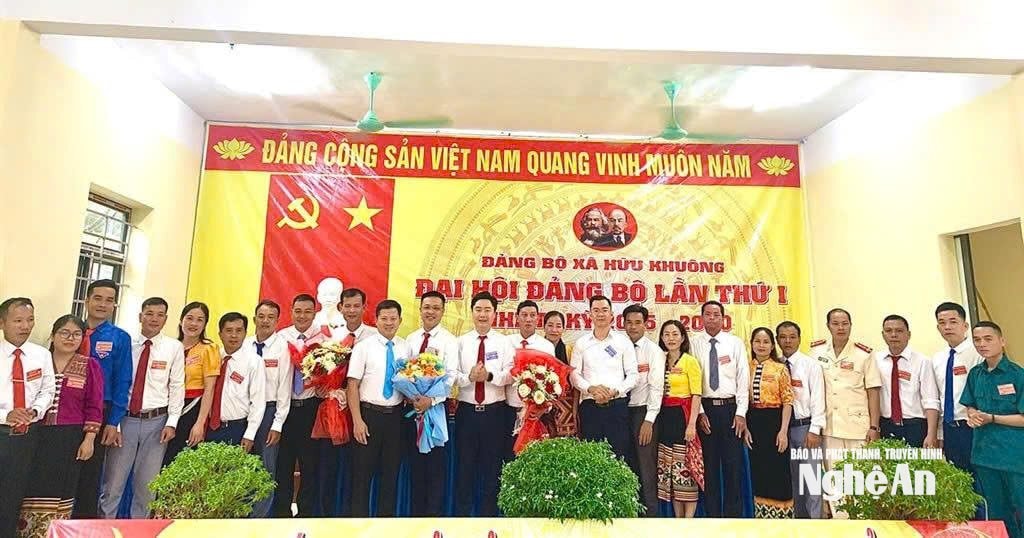
The Executive Committee of the Huu Khuong Commune Party Committee for the 2025-2030 term consists of 21 members, with the Standing Committee of the Party Committee having 9 members. Comrade Lo Van Giap is the Secretary of the Commune Party Committee; Comrade Tran Van Toan is the Standing Deputy Secretary of the Commune Party Committee; and Comrade La Van Thai is the Deputy Secretary and Chairman of the Commune People's Committee.


