Economy

Without a bridge, the people of Tuong Duong have to cross the stream by raft.

Hoai Thu October 9, 2024 16:09

Without a bridge, during the rainy season, farmers and students in the mountainous commune of Yen Hoa (Tuong Duong district) have to paddle rafts across the stream, facing danger every day.
yên Hoà4
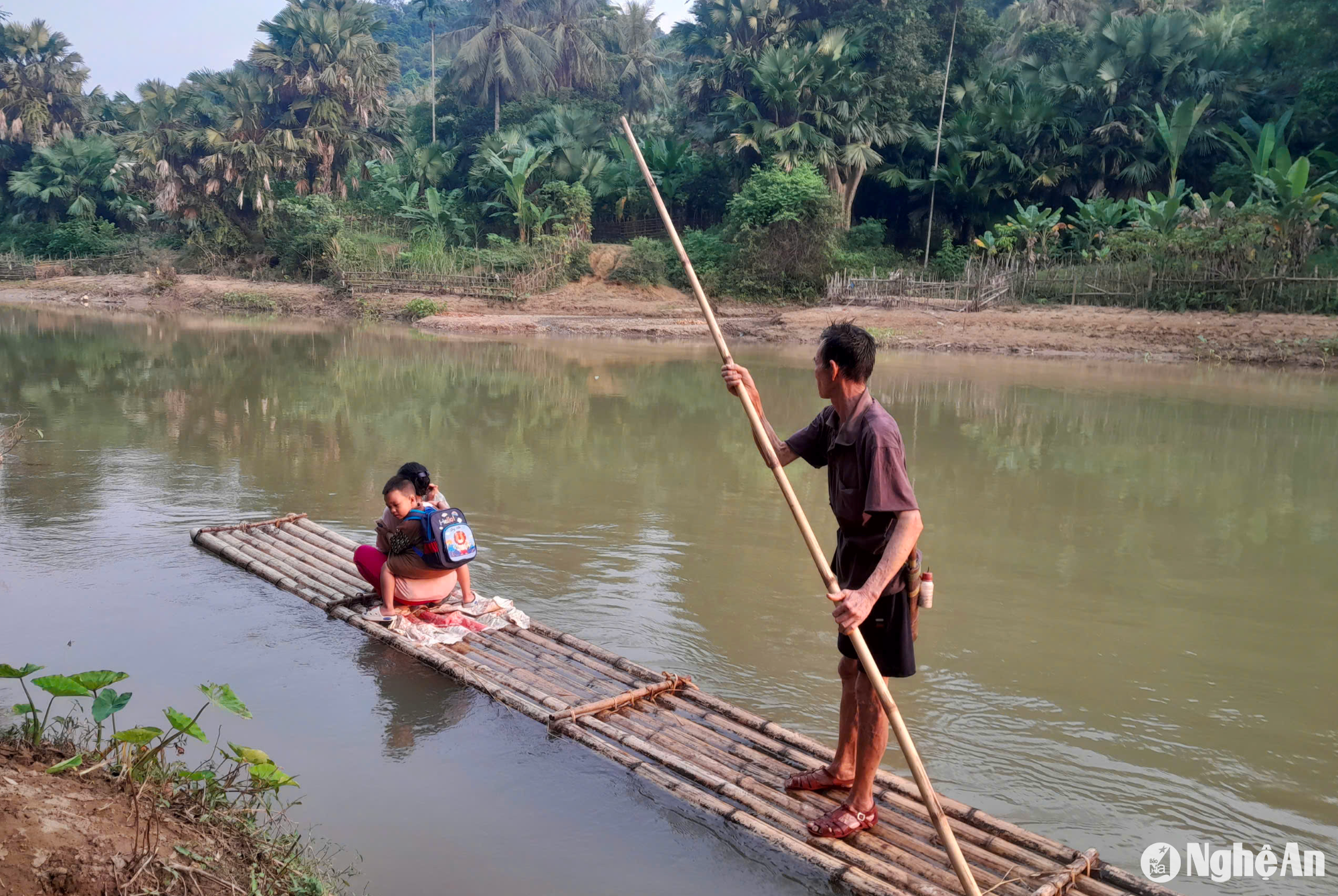
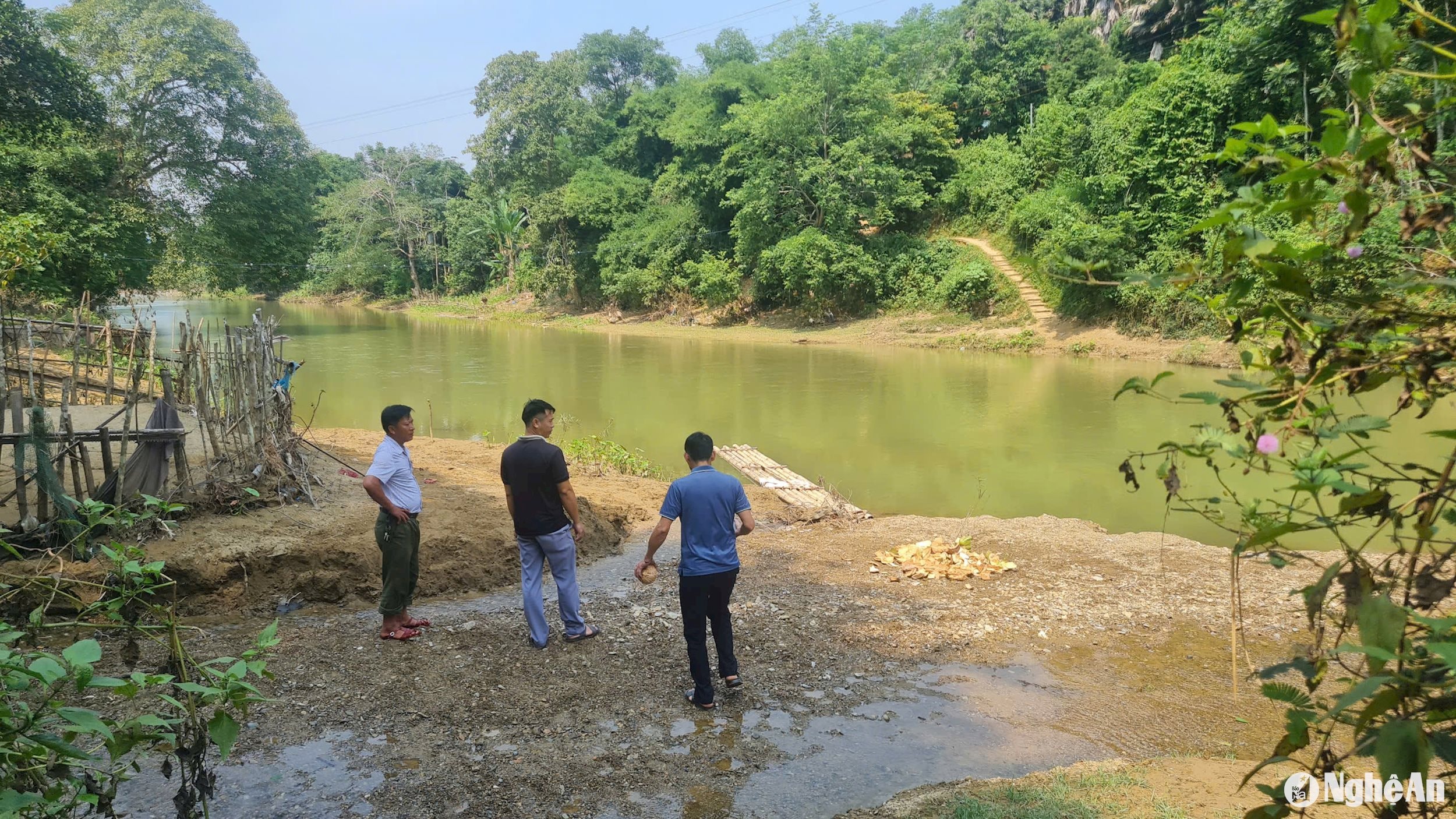
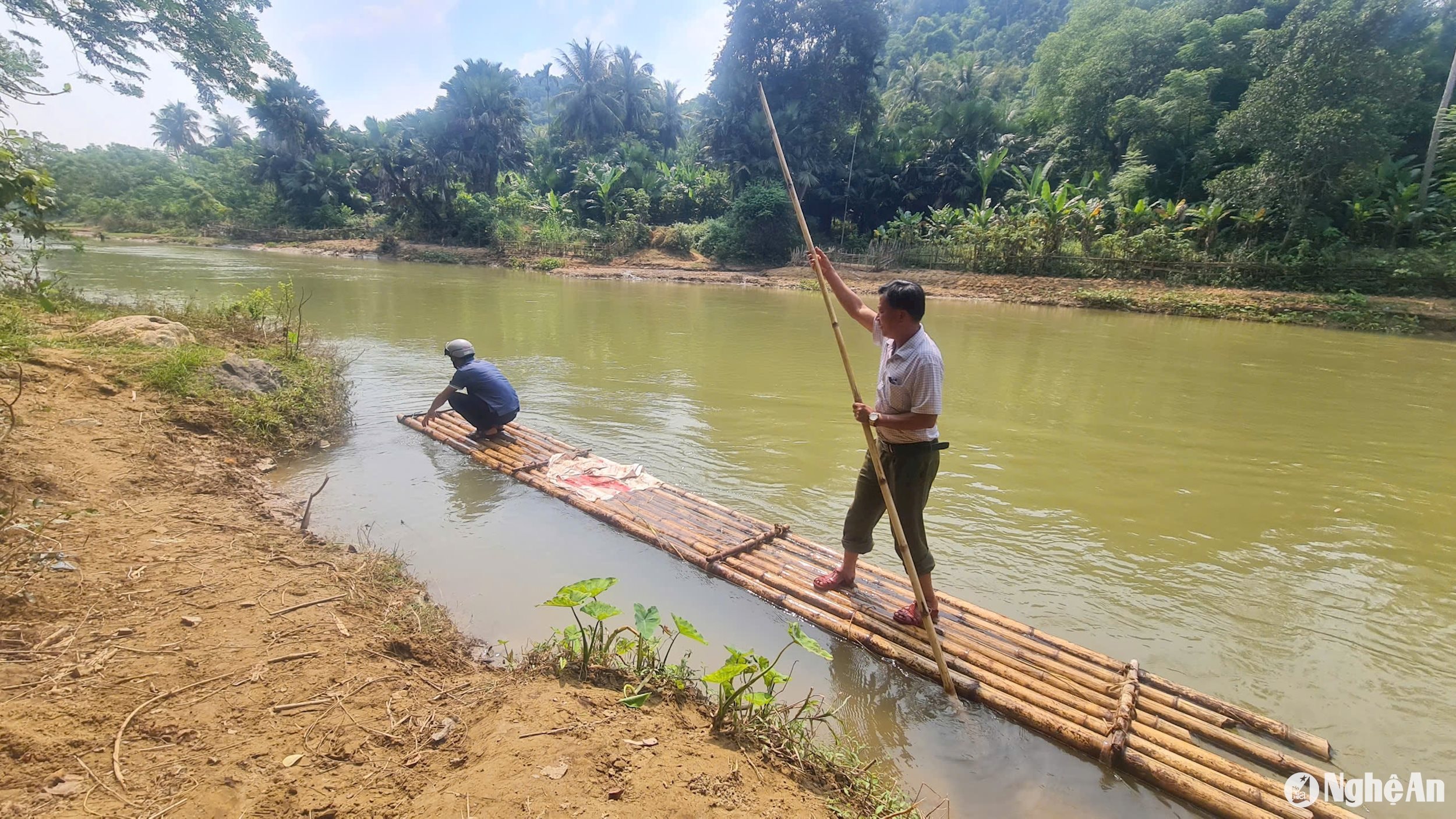
Without a bridge across the stream, for decades, whenever the Ngan stream overflows during floods, the people of Canh Khin village in Yen Hoa commune (Tuong Duong district) have had to paddle rafts across the stream every day to reach their production areas. In the photo: The place the people of Canh Khin call the "ferry landing," where the means of crossing the river is a raft made of bamboo. Photo: HT
yên Hoà1
Mr. Lo Kham Pha, head of Canh Khin village, said: "Previously, all 124 households in the village lived on this side of the Ngan stream, but due to frequent floods and being cut off, the government relocated 115 households to the other side of the stream, on our side. Now, only 9 households remain in the old location because there is no land for them to relocate to." In the photo: Agricultural and forestry officials from the Yen Hoa People's Committee visit Canh Khin village. Photo: HT
chèo bè
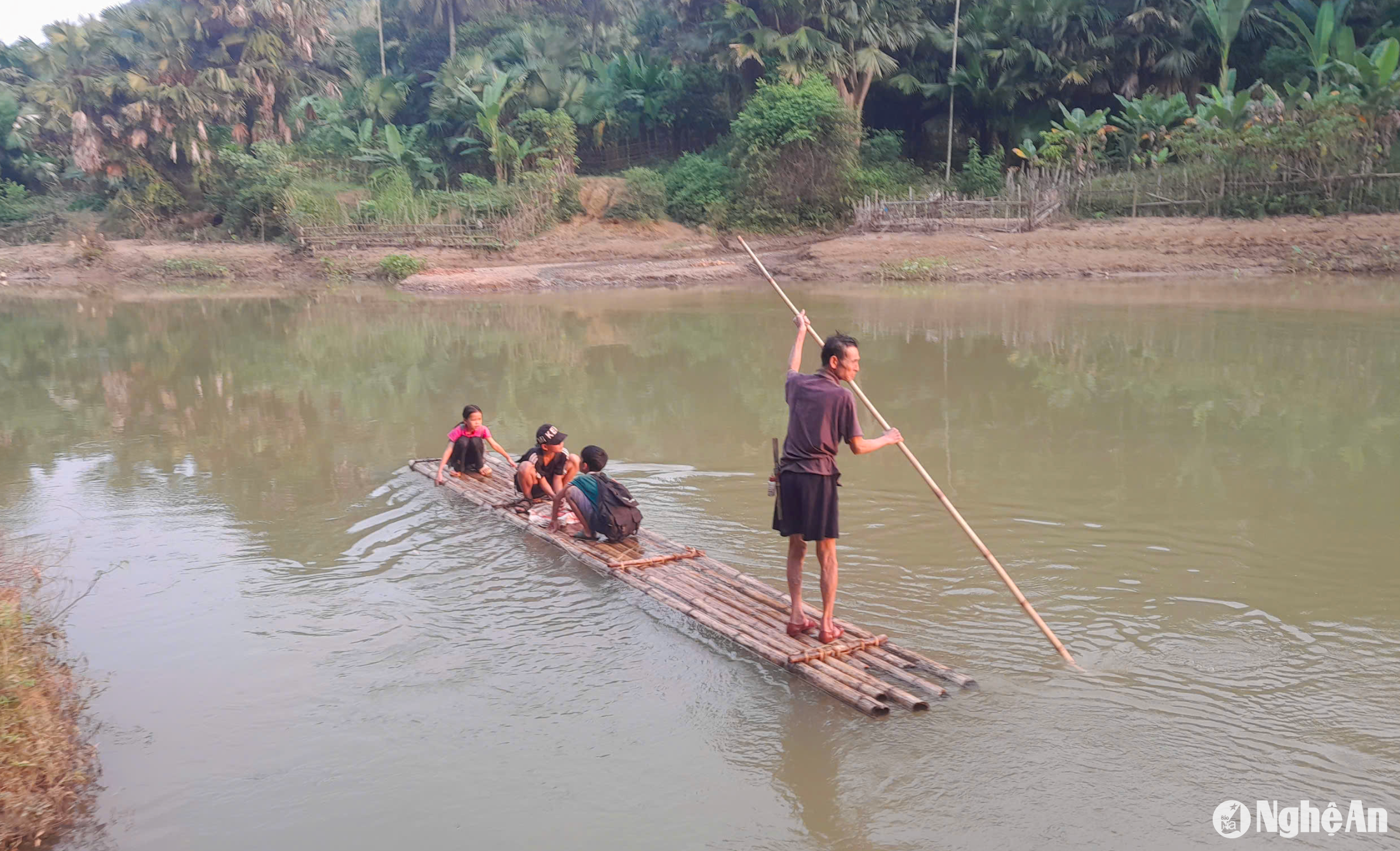
Currently, five students, children from nine families, remain on the "other side of the stream," and every day they have to paddle rafts across the stream to get to school whenever it rains heavily and the water level rises. Residents of Cành Khỉn say that students having to miss school due to flooding and the inability of rafts to cross the stream is a frequent occurrence. (Photo: HT)
chèo bè.
According to Dang Van Vien, Chairman of the People's Committee of Yen Hoa commune, the start of the new school year usually coincides with the rainy season, when streams in Yen Hoa rise and flow rapidly, posing a particular danger during flash floods. This is also the time when residents and students in Canh Khin village have to travel by bamboo raft to school and to their production areas. (Photo: HT)
yên Hoà6
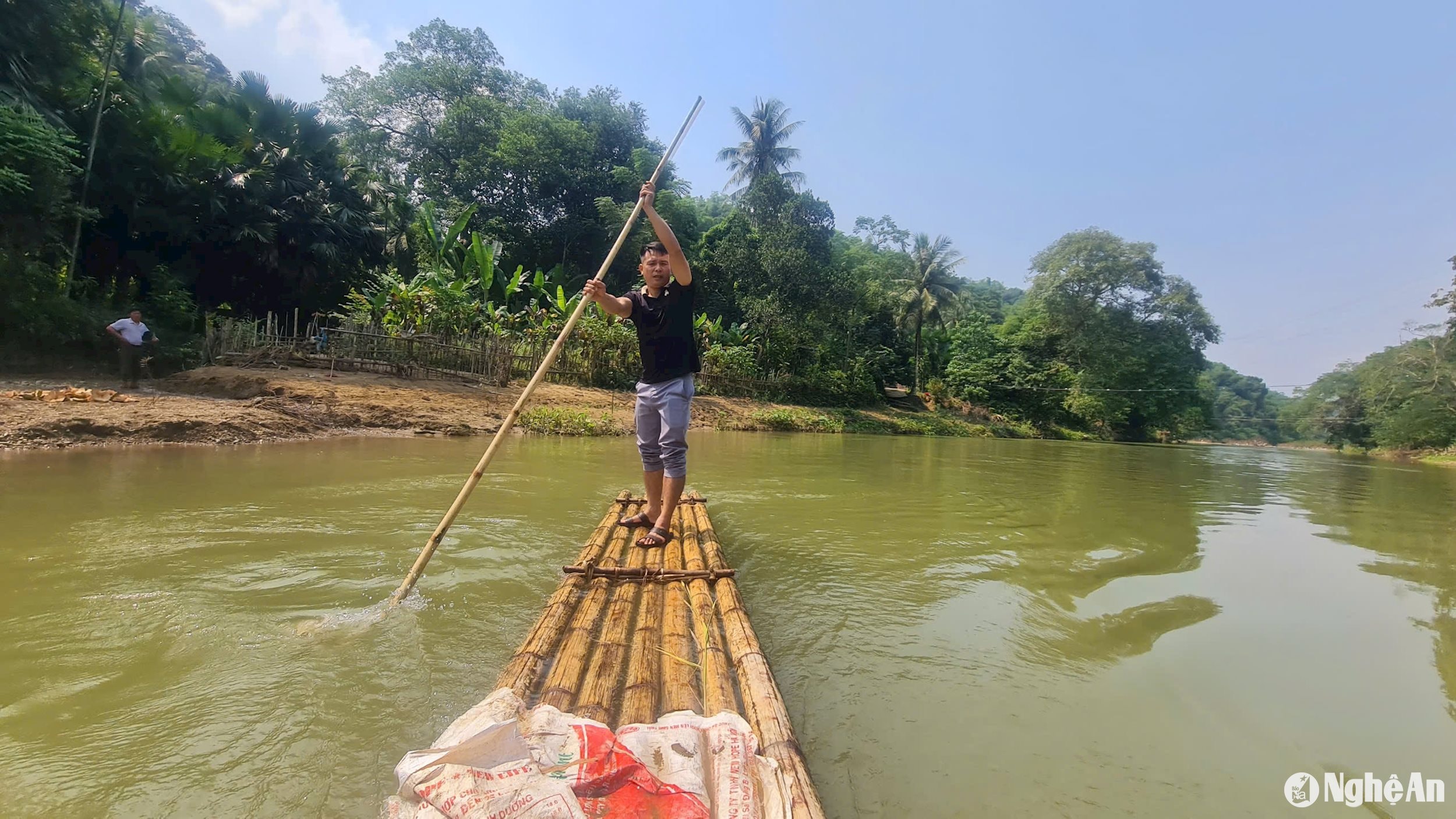
Village headman Canh Khin Lo Kham Pha crosses the stream to reach a residential cluster that has yet to be relocated. Mr. Pha added that while most households have moved, the entire production and livestock area remains in its original location, so villagers have to cross the stream daily to access their farming and livestock areas. During the rainy season, when the water level rises, they have to use rafts; otherwise, when the stream is shallow, they can walk across. During the rainy season, transporting agricultural products is very difficult due to the stream being cut off and the lack of a bridge. (Photo: HT)
yên Hoà7
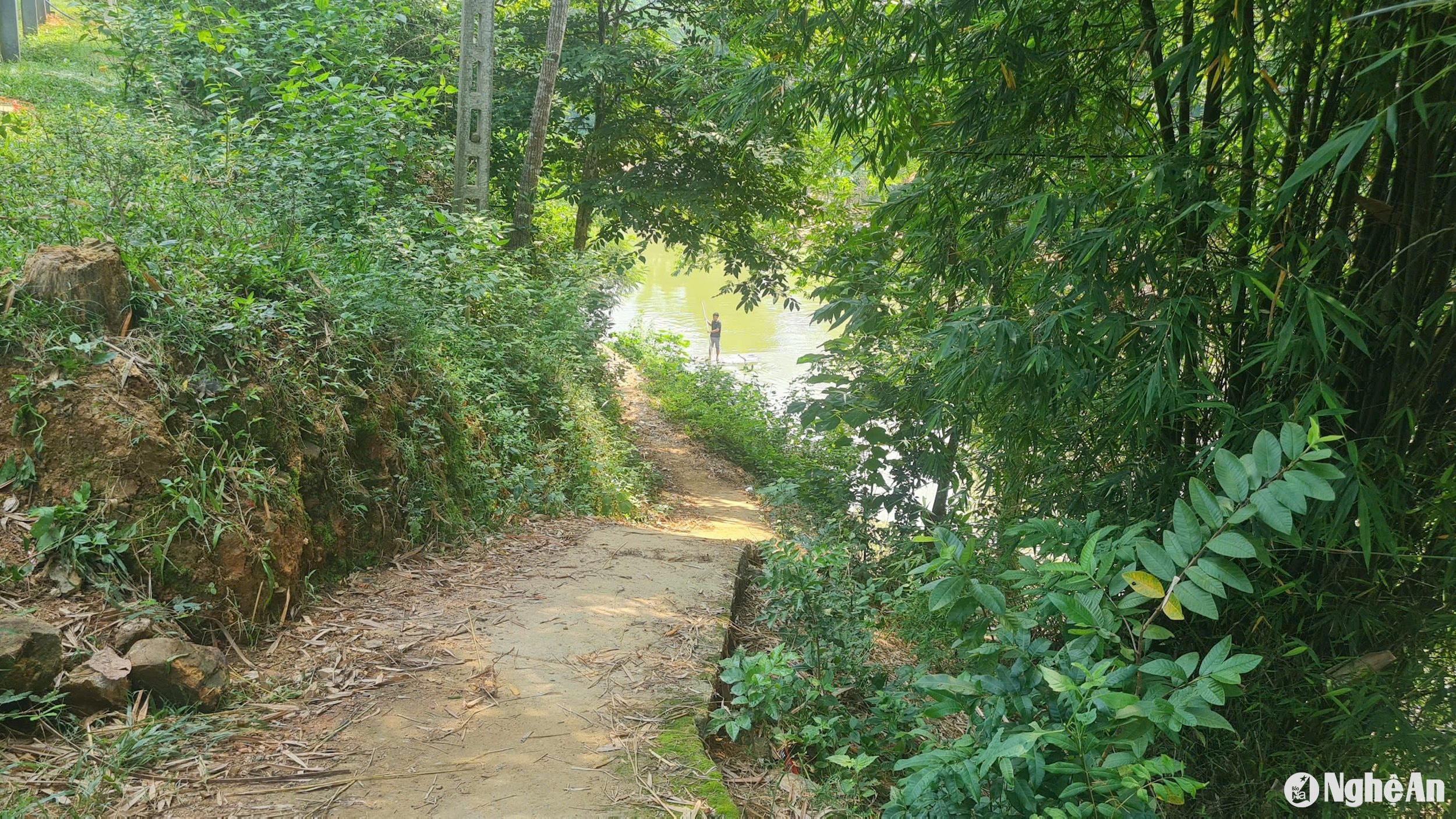
The road from National Highway 48C down to the Cành Khỉn ferry terminal is quite steep and narrow. Photo: HT
bna_yen-hoa5-tile-cb9709807123751a7994f82540c537d9(1).jpg
According to the leaders of Yen Hoa commune People's Committee, relevant authorities have already surveyed the area to build a bridge, but it has not been implemented for many years. Besides using rafts for transportation, the locality has also repeatedly built temporary bamboo bridges across the Canh Khin stream, but these are often swept away by rising water levels and strong currents during heavy rains and floods. During dangerous periods of strong currents, the local authorities have to deploy personnel to monitor the area and prohibit people from crossing to ensure safety. (Photo: HT)
Danger lurks on Khe Ngan stream in Canh Khin village. Clip: HT
0 0 0
x
Without a bridge, the people of Tuong Duong have to cross the stream by raft.
Google News
POWERED BYFREECMS- A PRODUCT OFNEKO