
A cheap drink that helps control blood fat.
Tea is a longevity drink favored by the world's longest-living people. In particular, drinking green tea helps lower blood cholesterol.
According toMedical News TodayCholesterol is a type of fat that the body uses to create cells and hormones. High-density lipoprotein (HDL) and low-density lipoprotein (LDL) are two different types of cholesterol.
HDL is the good cholesterol, and you should increase it for optimal health. Conversely, LDL is the bad cholesterol, and lower levels can help improve health. Additionally, drinks that increase HDL or decrease LDL levels may be helpful.
When cholesterol levels are above a certain threshold, it increases the risk of serious health conditions, such as stroke or heart attack. However, optimal levels can vary from person to person. Many beverages can help lower or control cholesterol levels, such as green tea.
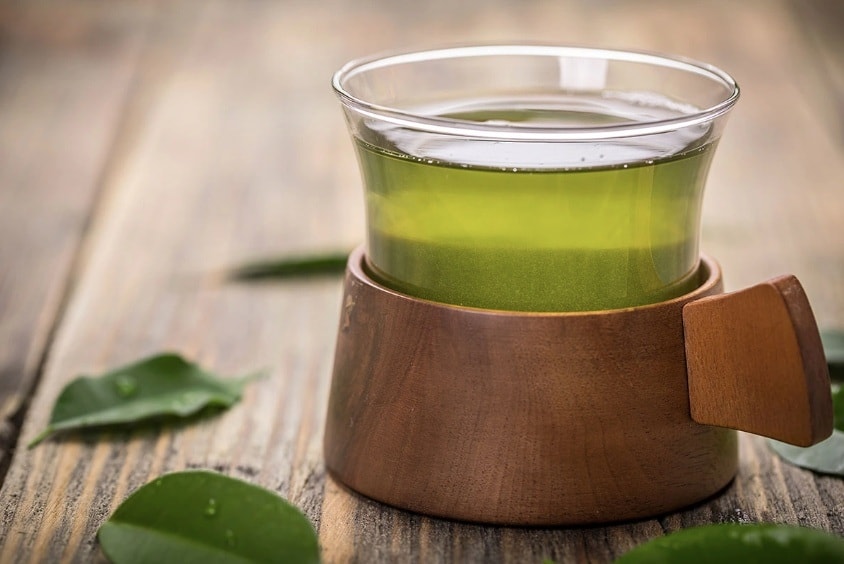
Green tea is considered one of the top healthy beverages. Photo: Shutterstock
Drinking green tea helps lower bad cholesterol.
Green tea contains catechins and other antioxidant compounds that appear to help lower LDL and total cholesterol levels.
Researchers in a 2020 study examined the effects of epigallocatechin gallate (EGCG), another beneficial antioxidant in green tea, on humans, animals, and in vitro (test-tube experiments).
In a human model, researchers associated higher green tea consumption with lower LDL cholesterol levels. In an animal model, EGCG reduced levels of a certain enzyme and lowered LDL cholesterol levels.
According to research in a 2021 review, black tea may also have a positive effect on cholesterol.
Similarly, according tographlineA review of 14 studies showed that daily consumption of green tea for at least two weeks reduced total cholesterol by approximately 7 mg/dL and LDL cholesterol (bad cholesterol) by approximately 2 mg/dL.
Animal studies suggest that green tea may lower cholesterol by reducing the liver's production of LDL and increasing its removal from the blood. Green tea is also rich in antioxidants, which can prevent the oxidation of LDL cholesterol and plaque formation in arteries.
Drinking at least four cups a day offers the best protection against heart disease, but just one cup a day can reduce the risk of heart attack by almost 20%.
According toBlueZonesIn Japan, green tea is one of the most popular beverages. In a study of 40,000 Japanese people who regularly drank tea, the risk of heart disease was significantly lower. Studies showed that the risk was reduced by more than 30% in women and by more than 20% in men.
The mortality rate from stroke is even lower in this segment of the Japanese population, with a reduction of over 60% in women and over 40% in men. Catechins are known to inhibit the production of free radicals in arteries and tissues, preventing the formation of blood clots.
Drinking green tea for a year lowers high blood pressure. In fact, the Journal of the American College of Nutrition concluded that tea, especially green tea and EGCG, is beneficial for cardiovascular health and metabolism.
What should I keep in mind when drinking green tea?
According to Traditional Medicine Practitioner Phung Tuan Giang, Chairman of the Vietnam Institute for Research and Development of Traditional Medicine, green tea is considered one of the top health-beneficial beverages.
Regularly drinking this tea can reduce the risk of heart disease or Alzheimer's disease, help maintain better bone mineral density, prevent eye diseases that affect vision in old age, prevent stroke, fight cancer, combat metabolic disorders, and prolong life.
Antioxidants and other beneficial compounds found in green tea include flavonoids and catechins such as EGCG, quercetin, linoleic acid, theobromine, and theophylline.
Green tea provides powerful immune support to fight disease and prolong life. Tea leaves contain potent antioxidants called polyphenols that prevent cancer, heart disease, osteoporosis, and other chronic problems.
Polyphenols are commonly found in large quantities in fruits, vegetables, grains, coffee, and wine. The specific polyphenols in tea, known as catechins or EGCG, are more potent than polyphenols found in any other naturally occurring food.
"Overall, green tea is considered one of the safest and healthiest beverages to consume. However, there are still some things to keep in mind when drinking green tea. There are some side effects, although many of them are rare," said Dr. Giang.
According to him, most of these side effects affect people who are sensitive to caffeine or tannins. The side effects of green tea consumption can be avoided by consuming it in moderation.
Many side effects only occur when consumed in large quantities. Some people who are sensitive to the components in green tea should also avoid this beverage. The main compound in green tea that causes reactions in sensitive individuals is caffeine.
Dietary quality is crucial for lowering cholesterol. Eating a variety of plant-based foods, including whole grains, legumes, nuts, seeds, fruits, and vegetables, will increase fiber intake, which is key to lowering cholesterol.
Additionally, choose protein sources that are low in saturated fat. Opt for chicken, fish, and plant-based proteins like tofu. At the same time, limit red meat, cheese, and alcohol, and combine this with regular exercise to maintain a healthy weight.


