
Vice Chairman of the Provincial People's Committee Nguyen Van De inspected the work of preventing and controlling African swine fever in Giai Lac, Yen Thanh, and Quan Thanh communes.
On the afternoon of July 28th, Comrade Nguyen Van De, member of the Provincial Party Committee and Vice Chairman of the Provincial People's Committee, inspected the work of preventing and controlling African swine fever in Giai Lac, Yen Thanh, and Quan Thanh communes.
The delegation included representatives from the Regional Livestock and Veterinary Sub-Department III, leaders from the Department of Agriculture and Environment, the Provincial Veterinary Sub-Department, and other relevant departments and divisions.
The delegation conducted an on-site inspection of African swine fever prevention and control efforts in Giai Lac and Yen Thanh communes – two localities where outbreaks occurred a few days ago. According to the report, Giai Lac commune has nearly 7,000 pigs and Yen Thanh commune has about 2,000 pigs, with dozens of pigs having died due to outbreaks detected in various hamlets.

During the inspection, the Department of Agriculture and Environment reported on the situation of African swine fever in the area.
The Provincial Veterinary Department has supplied over 1,000 liters of disinfectant solution to local areas for disease prevention and control. However, due to the large number of small-scale livestock farms, the disease spreads rapidly. This is because the veterinary workforce is insufficient, creating a gap in disease prevention efforts.
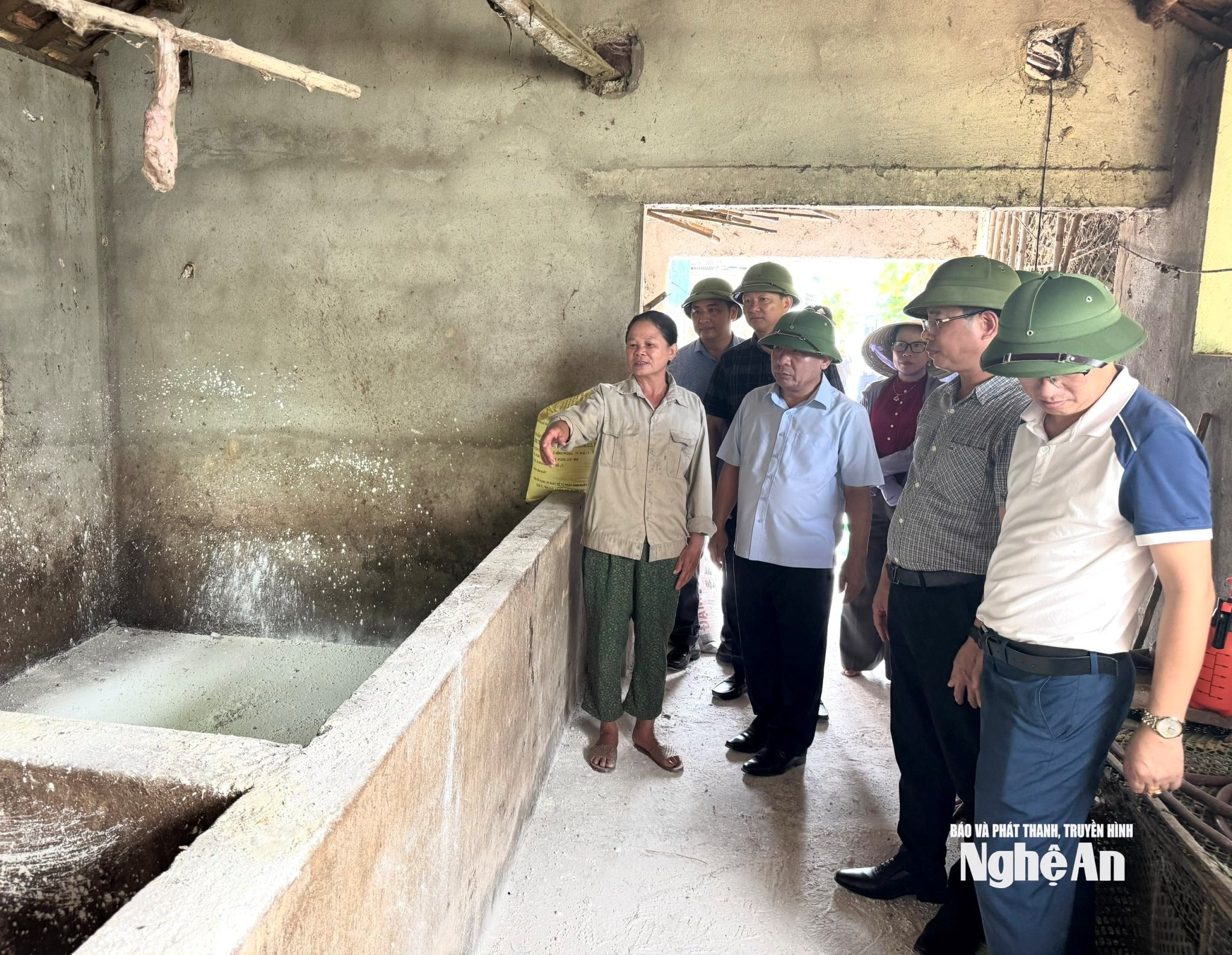
The Department of Agriculture and Environment requests that localities strictly implement the directives of the Government, the Ministry of Agriculture and Environment, and the Provincial People's Committee on disease control; localities should establish commune-level steering committees and deploy mobile disease control teams to patrol; strictly handle the buying and selling of infected pigs as well as the dumping of dead pigs into ponds, lakes, rivers, and streams. Organize the destruction of diseased pigs according to the correct procedures and regulations.
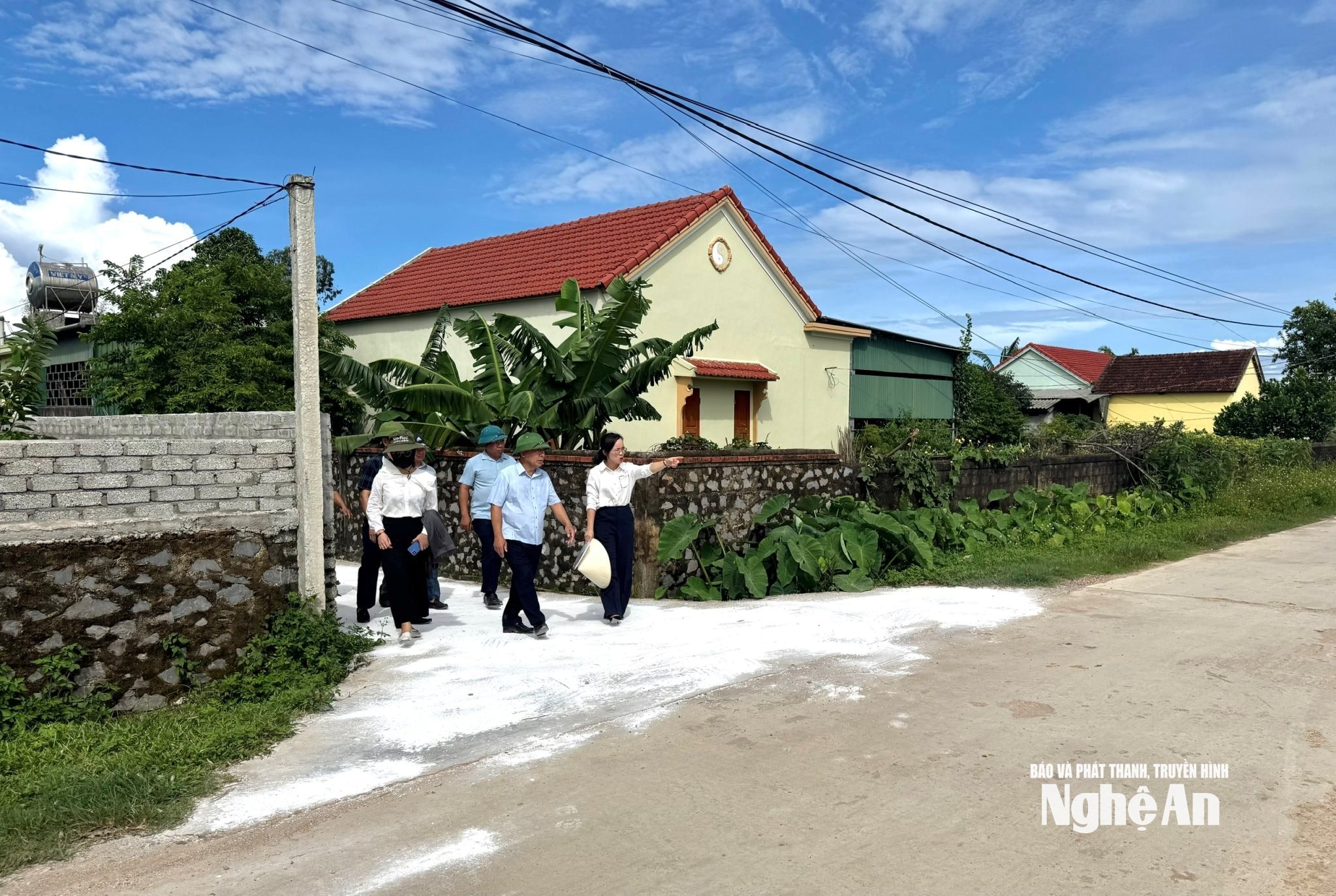
During the meeting, representatives from various localities reported on the situation regarding the prevention and control of African swine fever, while also highlighting some limitations and shortcomings in disease control.
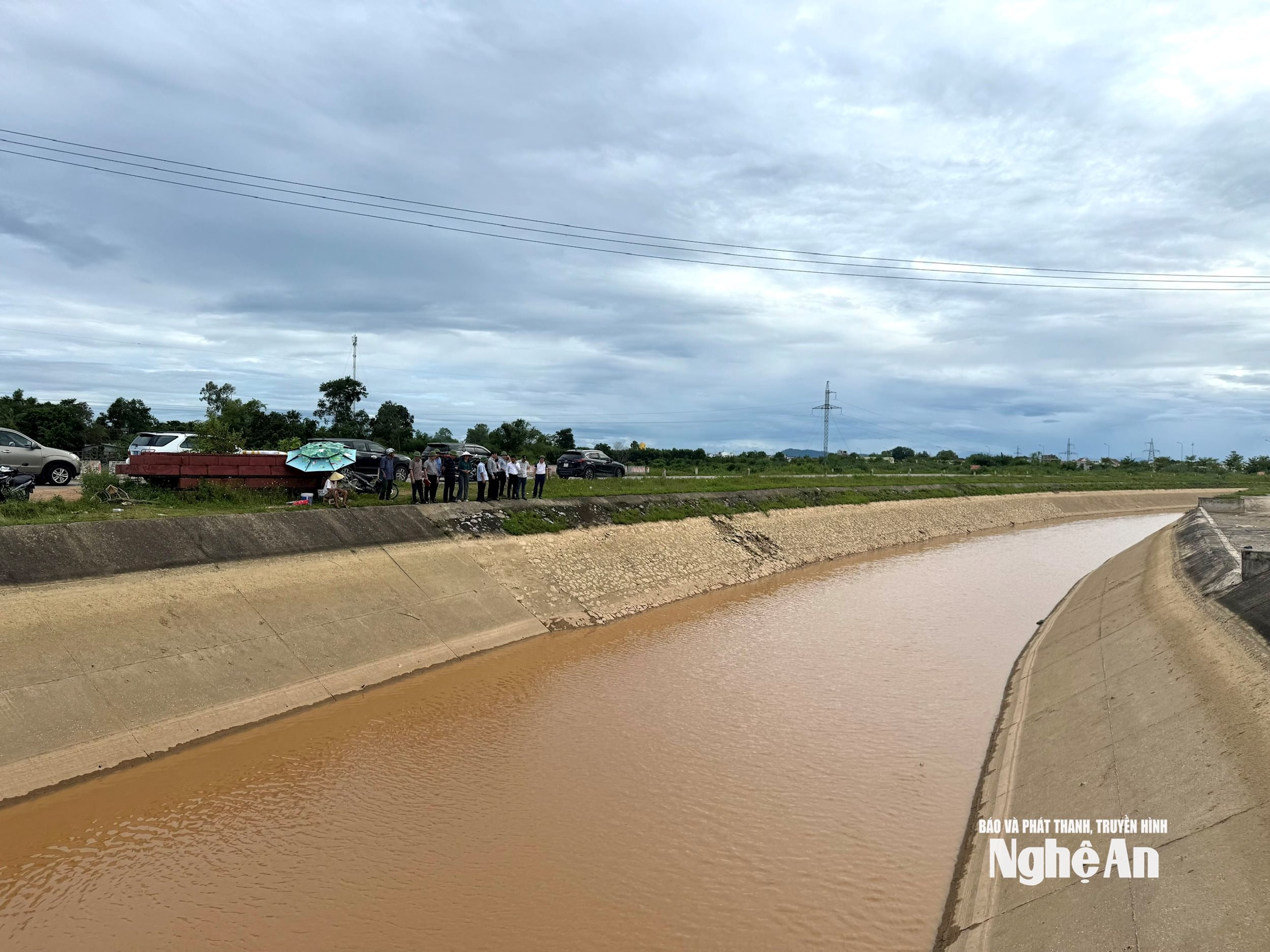
The main reasons are the poor awareness of disease prevention among the people, the small-scale livestock farming model mixed with many other types of livestock, making it difficult to control and easy to spread the disease; and the lack of policies to support the cost of destroying infected pigs, thus failing to encourage people to report disease outbreaks.
Based on practical experience in combating the epidemic, communes have proactively allocated budgets to handle diseased pigs floating in canals and ditches, mobilized people to build barriers to detect diseased pigs; established a reward mechanism for those who detect people dumping diseased pigs indiscriminately; and formed mobile patrol teams, supplementing the commune police force to participate in detection and handling...
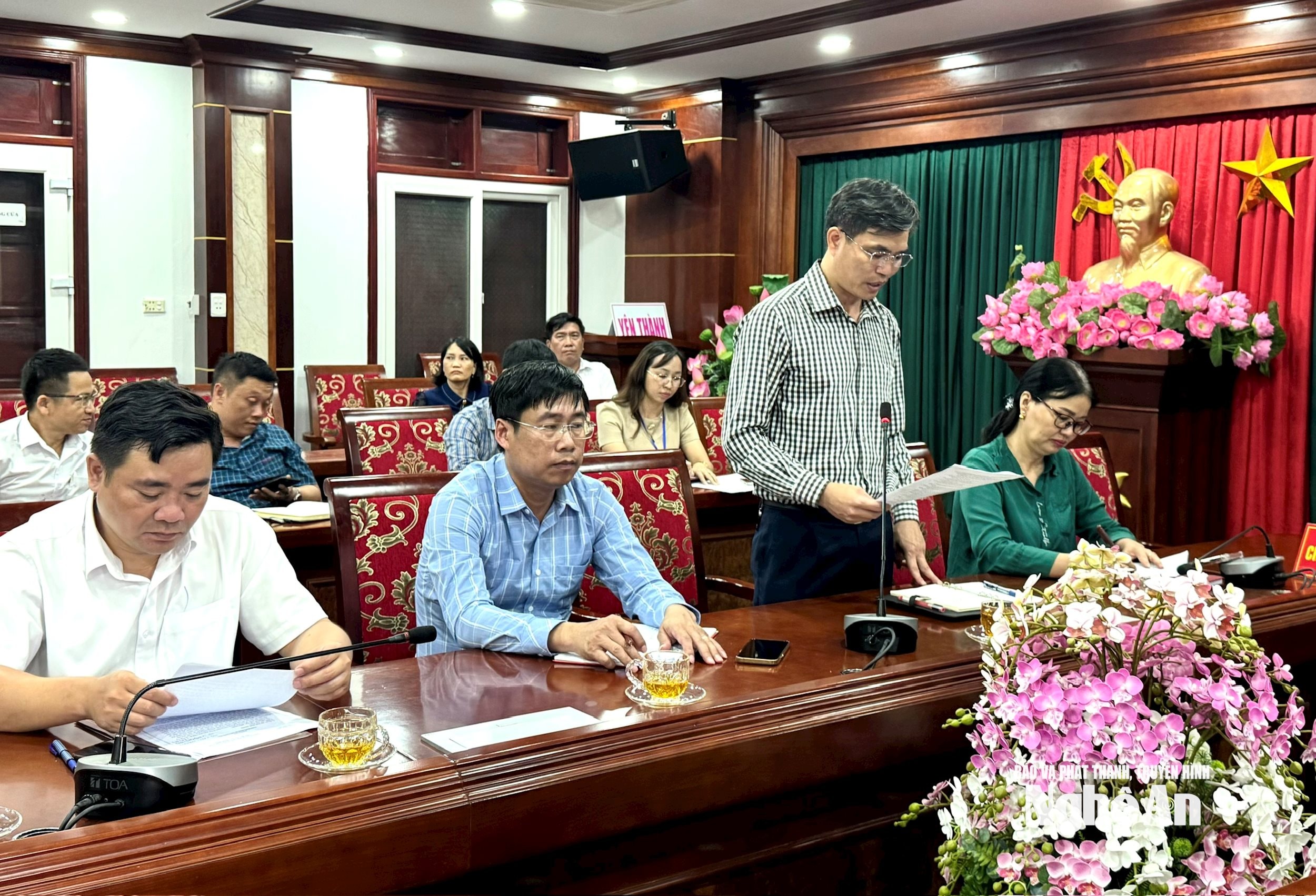
During the meeting, the communes proposed allocating funds from the contingency budget to support the disposal of diseased pigs in their localities; purchasing disinfectants and sterilization supplies; strengthening inspection and control forces for the trading and transportation of livestock and animals; and strictly penalizing the improper disposal of livestock. In the long term, the province should consider maintaining veterinary services in the communes.
Concluding the meeting, Mr. Nguyen Van De, Vice Chairman of the Provincial People's Committee, emphasized the urgent need for measures to prevent and control African swine fever.
The Vice Chairman of the Provincial People's Committee also requested that localities adhere to the directives of the Central and Provincial authorities, uphold a high sense of responsibility, and focus intensely on handling disease outbreaks and protecting livestock. Communes should immediately strengthen their Steering Committees and establish disease prevention and control teams at the grassroots level, assigning tasks to members from the commune to the village level, and supplementing the mobile disease control teams with commune police officers. Increased monitoring and inspection are necessary to detect early violations related to the transportation of diseased pigs. Complacency and negligence must be avoided, preventing widespread outbreaks of disease. The goal is to gradually restore the pig population, contributing to the economic development of the localities.
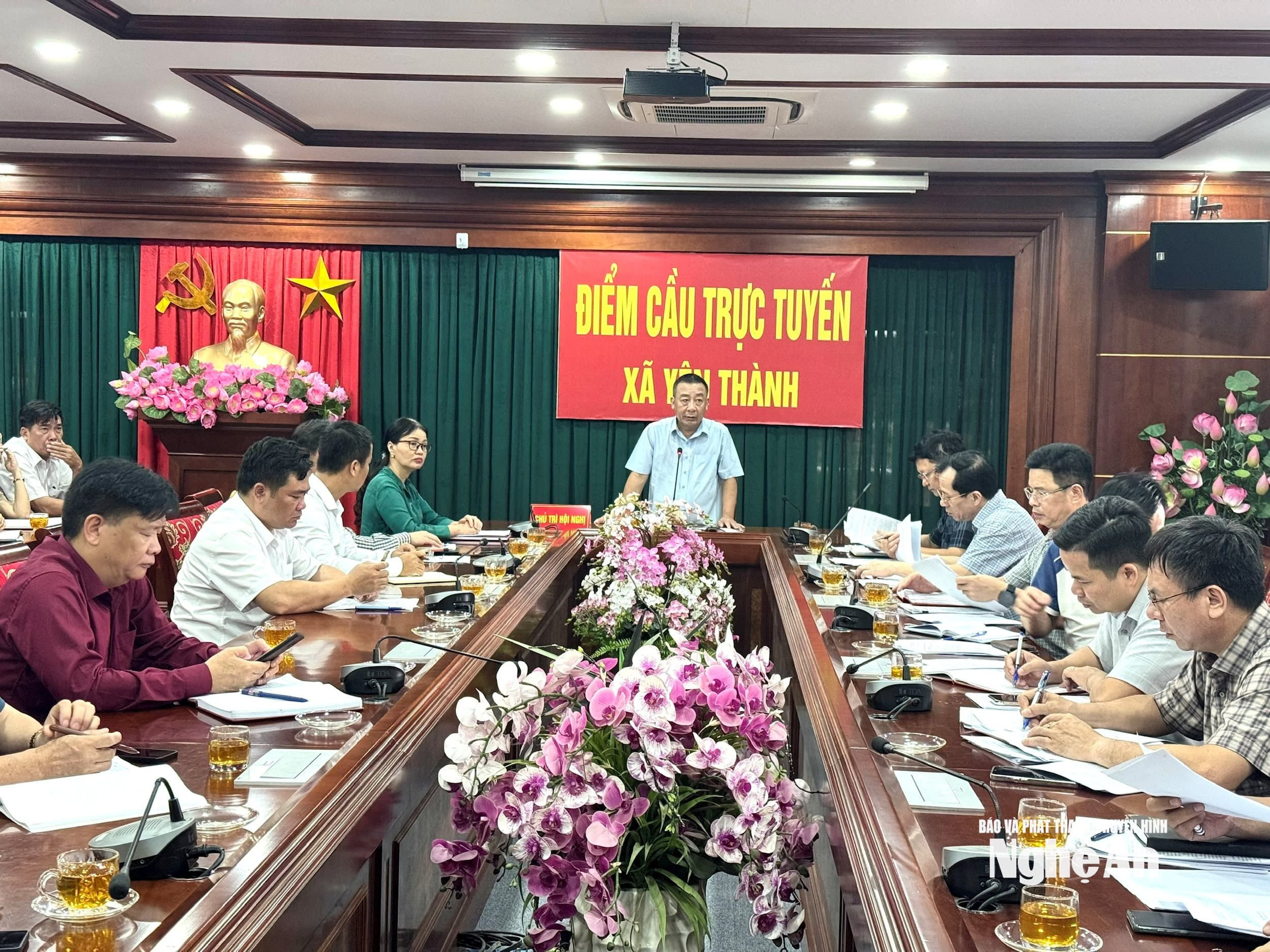
The Vice Chairman of the Provincial People's Committee requested the Departments of Agriculture and Environment and the Veterinary Sub-Department to provide specific and detailed guidance to people on proper livestock farming procedures, ensuring disease prevention and restocking after outbreaks; and to compile recommendations for submission to the Provincial People's Committee for appropriate action.


