
'Sediments' of the Da Hue mountain range
(Baonghean.vn) - Along with the Thien Nhan mountain range in the south, the Dai Hue mountain range running along the north and east has contributed to creating a "land of scenic beauty" for Nam Dan (Nghe An), the homeland of many famous figures. For generations, the Dai Hue mountain range has been a "pillar" for the local people, and also a bridge connecting the past, present, and future.
Peaceful pace of life
On fine weekends, we often invite a few friends to leave Vinh city for a while, head up National Highway 46, and then turn onto the road that runs along the foot of the mountain.Dai Hue MountainLocated in Nam Dan district, the journey is about 20 km long but holds many interesting things, enough to feel and find moments of peace, to "slow down" after days of worry and hustle.
For a very simple reason, coming here, to the villages of Nam Giang, Nam Anh, and Nam Thanh, with their vast rice paddies, lush green vegetable gardens, and orchards laden with fruit, and listening to the resonant sound of the temple bells, all worries and anxieties seem to be cast aside.
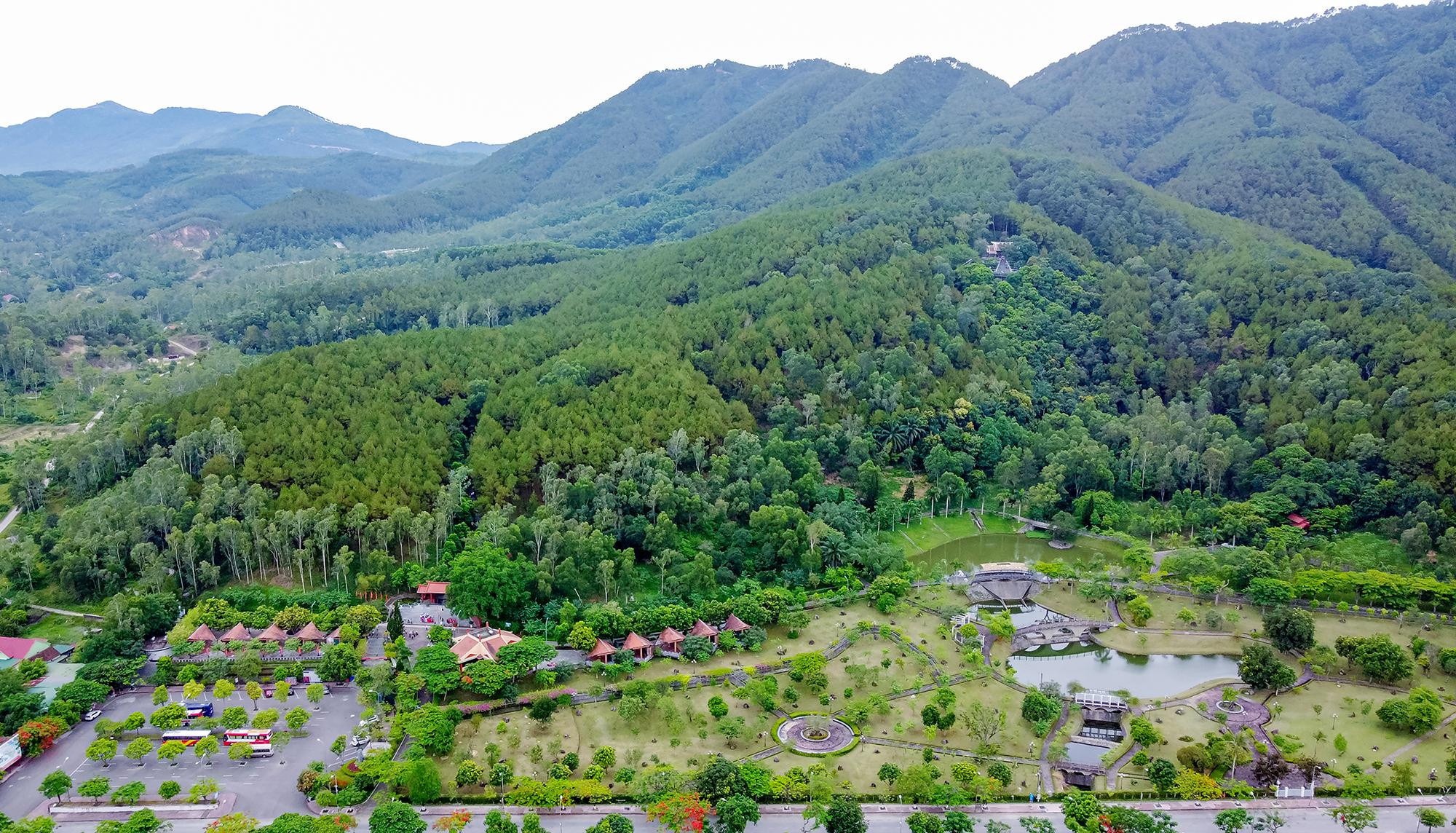 |
The Dai Hue mountain range runs along the northern part of Nam Dan district. Photo: Quoc Dan |
Coming here, meeting kind and simple people, their voices and smiles make you feel so familiar, like returning to family and relatives to share the joys and sorrows of life. Or eating rice cakes dipped in soy sauce, a traditional dish passed down through generations, makes you feel like you're returning to the memories of a childhood that was both hard-working and yet so innocent and sweet.
In these late autumn and early winter days, under the crisp sunshine, many people are flocking to the rose gardens at the foot of the Dai Hue mountain range to enjoy the fragrance, the sweet fruit, and to take unique photos for social media.Nam Anh communeWith over 100 hectares of persimmon trees, they are now in full bloom. The persimmon orchards on the slopes of Mount Dai Hue shimmer with shades of yellow and red, evoking warmth, abundance, and joyful life.
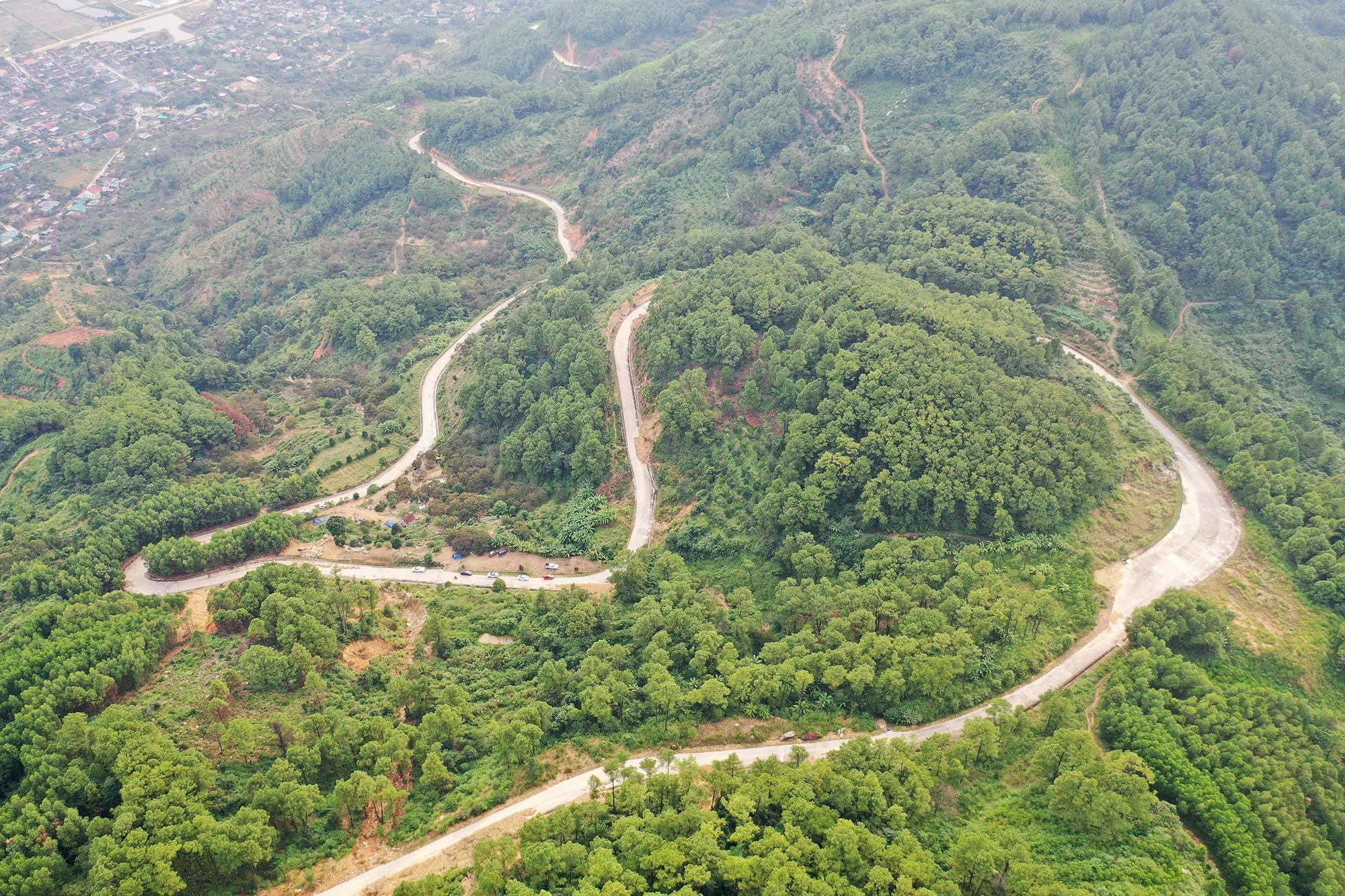 |
Rose gardens on the slopes of Mount Dai Hue. Photo: Nguyen Sach |
The soil here is ideal for persimmon trees; historically, these trees have always taken root and continuously thrived, producing crisp, sweet persimmons that are always popular with people everywhere. There are ancient persimmon trees, nearly a hundred years old, with gnarled trunks and moss-covered branches, still laden with ripe golden fruit in season, adding their beauty to the world…
The rose gardens have brought the people of Nam Anh commune a considerable income at the end of the year. Recently, Nam Dan district has been promoting tourism development in conjunction with building model new rural areas, and the beautiful rose gardens at the foot of Dai Hue mountain have become an interesting destination.
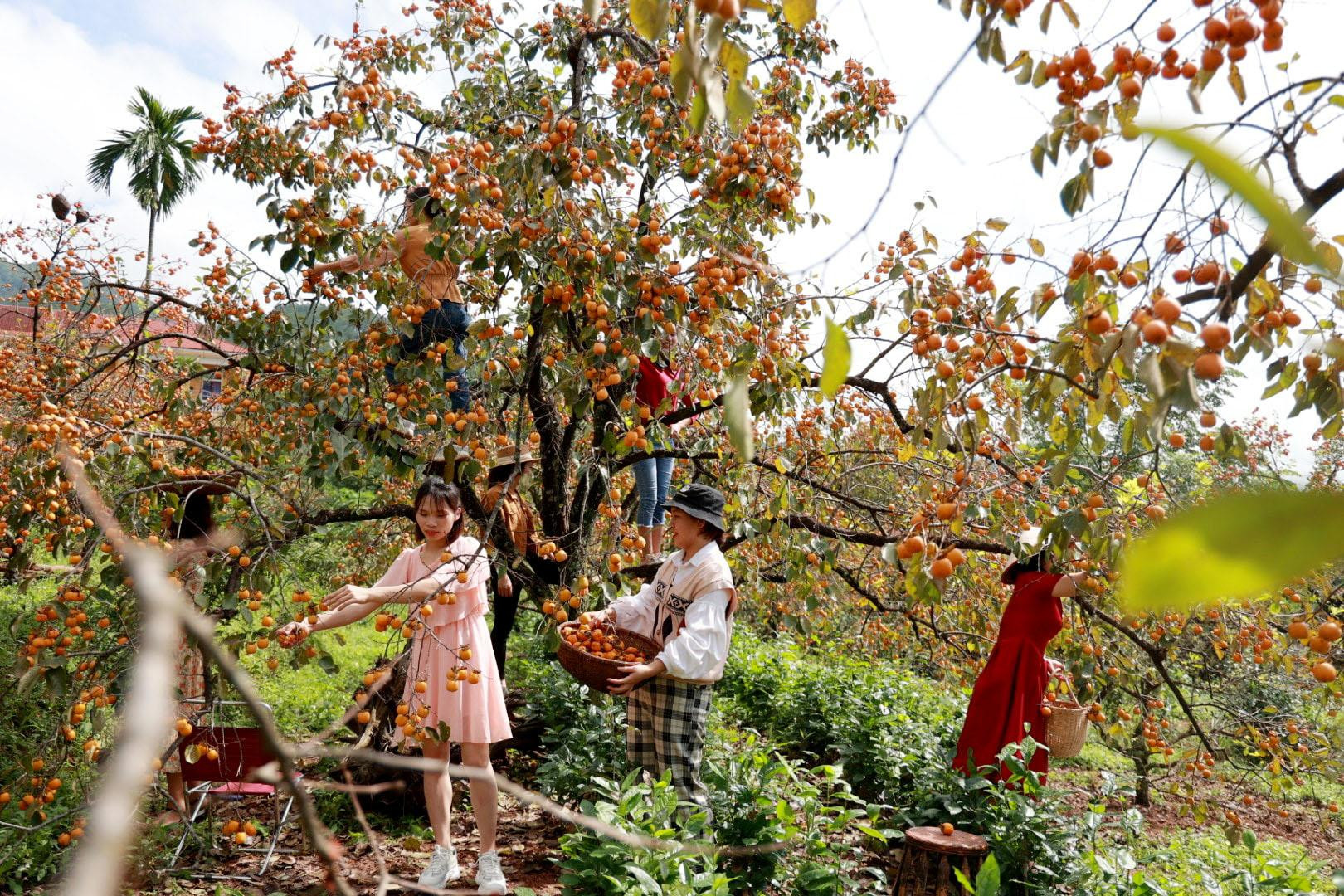 |
Tourists experience the rose garden in Nam Anh commune (Nam Dan district). Photo: Sach Nguyen. |
Many tourist groups come here hoping to enjoy the authentic taste of the fruit, and more importantly, to capture beautiful moments during their experience. As a result, the locals benefit from a "double" advantage: income from harvesting the fruit and revenue from tourism services.
Nearly 10 years ago, we had the opportunity to meet Mr. Bui Danh Ba, a pre-revolutionary cadre from Nam Thanh commune (now deceased), and heard him recount many details about Dai Hue Mountain. In the memory of this venerable elder, the Dai Hue range was a vast, dense forest with many valuable timber species, numerous valuable animals, and even rare birds like peacocks and phoenixes. The hills, mountains, valleys, and streams were home to various species of birds, egrets, herons, starlings, and herons…
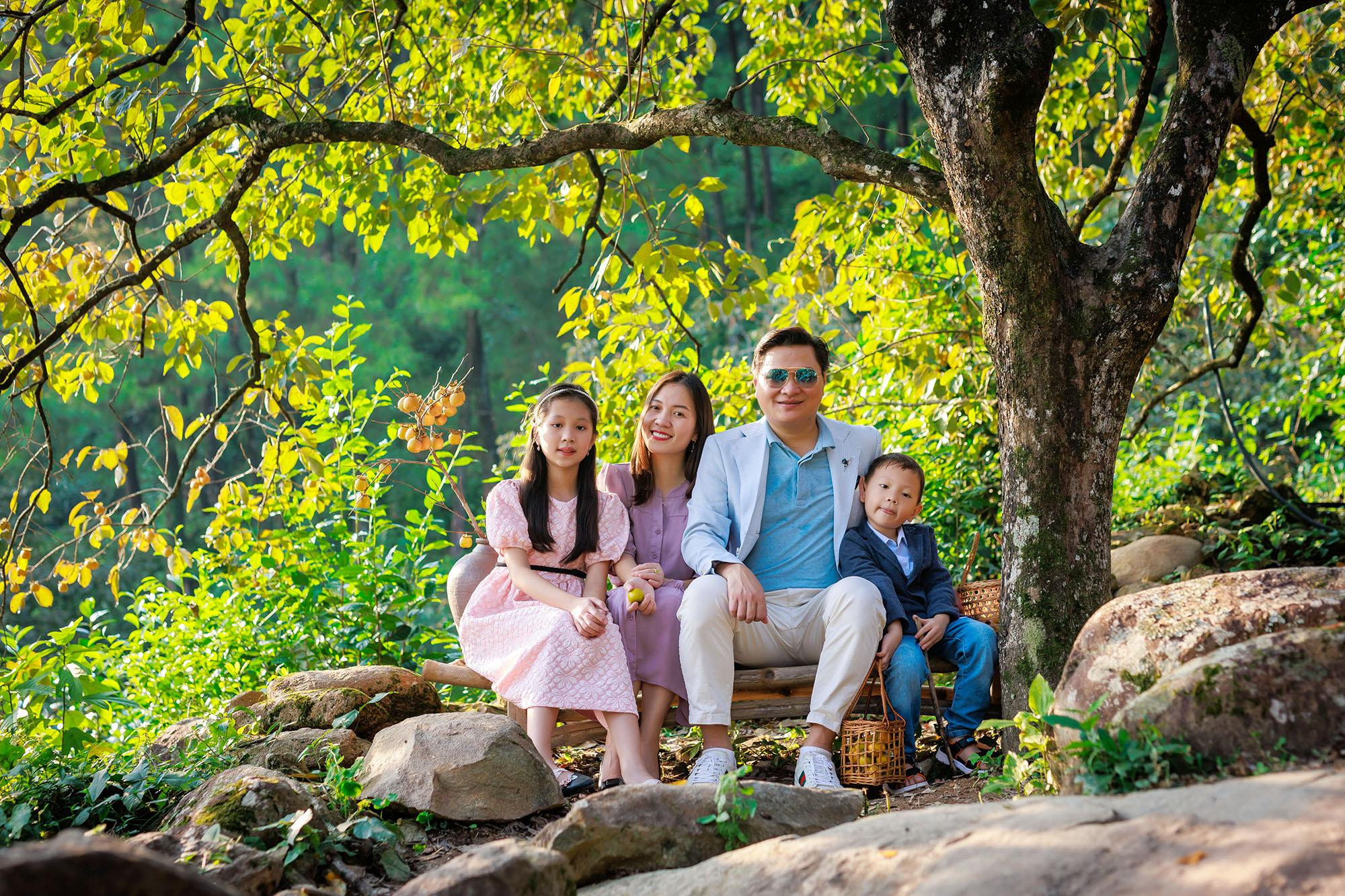 |
At the foot of Mount Dai Hue are ancient persimmon trees, some dozens, even hundreds of years old. Photo: Sach Nguyen |
Beneath the hillside lies a laterite quarry, a valuable building material, especially during a time when cement was extremely scarce and expensive. These resources have enabled the communities along the foothills of Dai Hue Mountain to live and thrive for generations, ensuring a prosperous and fulfilling life for the villagers.
Echoes of the past
Mount Dai Hue is also known as a place that harbors cultural "sediments" and gathers the sacred energy of the earth, sky, rivers, and mountains.Nam DanIt has become a region known for its "sacred land and outstanding people." Along the mountain range are famous temples such as Dai Tue Temple (Nam Anh), Vinh Phuc Temple (Nam Xuan), and Vien Quang Temple (Nam Thanh), where people entrust their spiritual lives and pursue virtuous deeds.
The temple bells ringing in the early morning mist adorn this peaceful life, allowing the heart to find tranquility, and letting the compassionate heart of the Buddha shine brightly and spread far and wide…
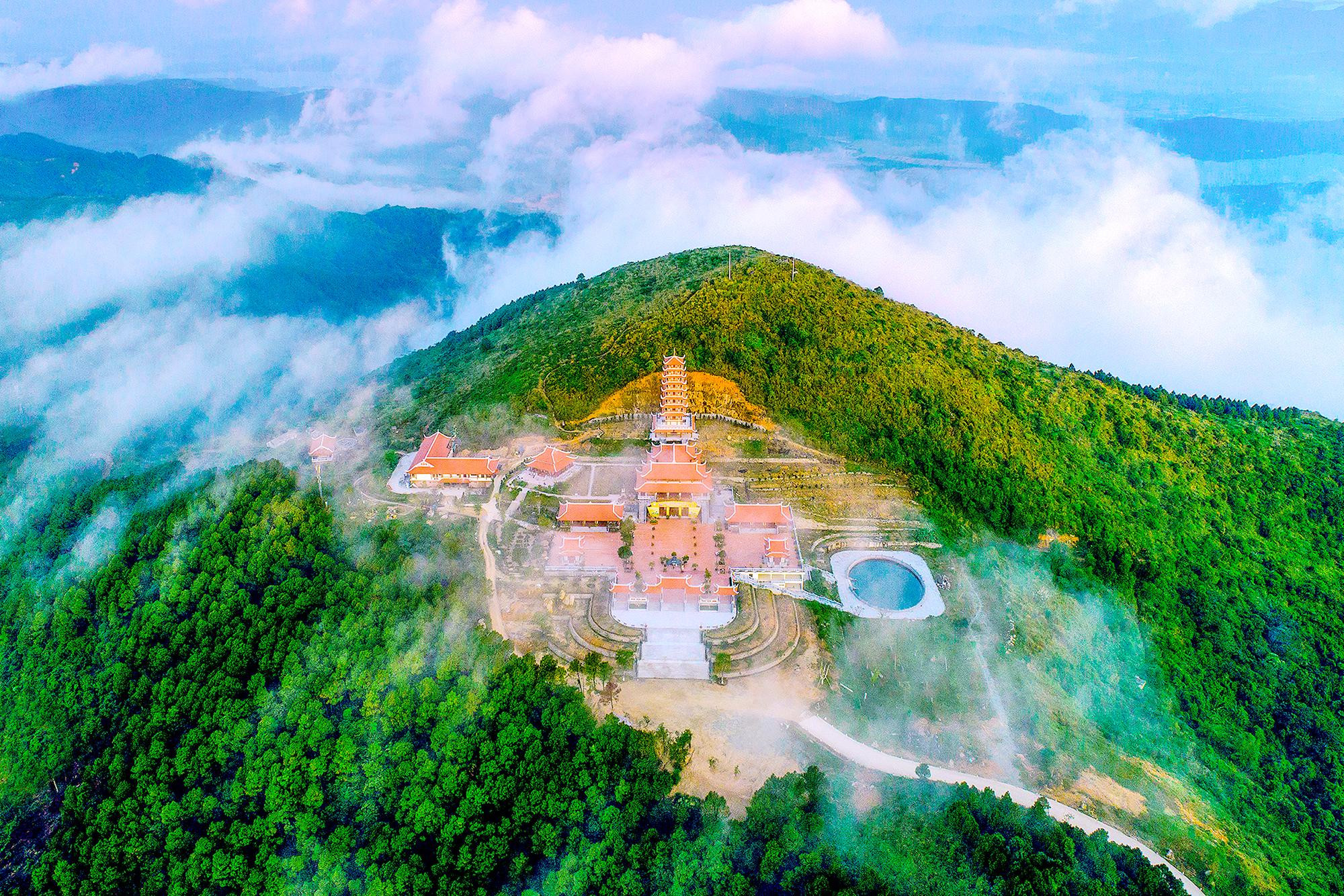 |
Dai Tue Pagoda (Nam Dan) is located on the Dai Hue mountain range. Photo: Le Quang Dung |
Dai Tue Pagoda is located on the summit of Dai Hue Mountain and is associated with many generations of Vietnamese kings, beginning with King Mai Hac De. Legend says that King Mai built Dai Tue Pagoda to express gratitude to the Buddha and the Saints for their contributions in repelling the Northern invaders. In the early 15th century, the Ho Dynasty renovated the pagoda to thank the Great Wisdom Buddha Mother.
In 1788, when the army marched north to drive out the Qing forces, the national hero Nguyen Hue stopped at Dai Hue mountain range and went to Dai Tue pagoda to offer incense and pray. Later, after winning the battle and ascending to the throne as Emperor, King Quang Trung went to the pagoda to give thanks and ordered its restoration.Dai Tue Pagoda.
Poet Bui Huy Bich (1744-1818) was a renowned scholar from Hanoi, holding the position of Tham Tung under King Le and Lord Trinh, and also serving as the Deputy Governor of Nghe An, concurrently holding the position of Tham Chinh. He authored the work "Nghe An Poetry Collection".
During his years working in Nghe An, he once went for a stroll on Dai Hue Mountain, visited Dai Tue Pagoda, and composed verses about this famous scenic spot:Small stones arranged in a circle to the summit / The vastness of heaven and earth stirs a feeling of longing / The sky stretches across the mountain range like spreading wings / The earth shapes the river like a curved hook / Mountain paths pierce through trees, monks disdain tigers / Bamboo whips carry grass, children herd buffaloes / I love the stone well always full of water / Deep as a bucket, yet never empty"
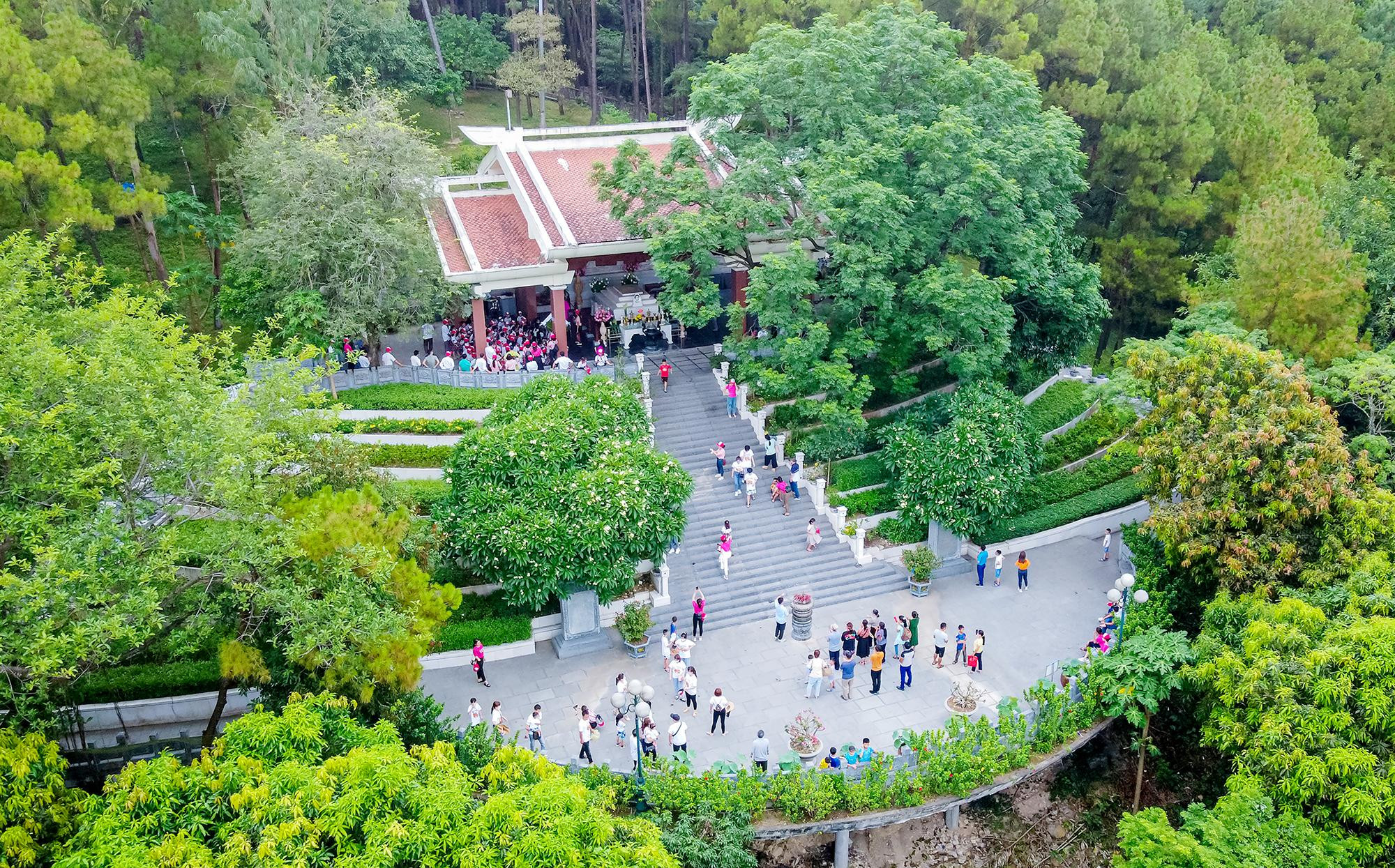 |
Tourists visit the tomb of Lady Hoang Thi Loan on Dong Tranh mountain. Photo: Quoc Dan. |
Bui Huy Bich's poems vividly portray the pristine beauty and sacredness of Dai Hue Mountain. The vast, majestic landscape, along with its poetic charm, unfolds like a watercolor painting, juxtaposed with the familiar rhythm of everyday life: children, buffaloes, and a well. The scenery and people intertwine, blending together to make the picture of Dai Hue Mountain even brighter and warmer.
Today, Dai Tue Pagoda has been restored and rebuilt into a magnificent structure, becoming a prominent spiritual tourist destination in Nghe An province. In 2013, National Assembly Chairman Nguyen Sinh Hung visited Myanmar and was presented with Buddha relics. He requested permission from the Government to bring the relics back to Dai Tue Pagoda for veneration and worship. The ancient pagoda on the sacred peak of Dai Hue received this precious treasure, creating a favorable opportunity for Buddhist followers from within and outside the province to come and pay their respects.
In 2017, Dai Tue Pagoda welcomed the World Peace Jade Buddha for veneration, exhibition, and worship for over 30 days, allowing devotees, Buddhists, locals, and tourists to admire it. At the beginning of the year, the pagoda organizes the Calligraphy Opening Ceremony, an activity honoring wisdom and learning, attracting tens of thousands of visitors.
Another special detail that affirms the sacredness of Dai Hue Mountain is that it became the resting place of Mrs. Hoang Thi Loan, the mother of President Ho Chi Minh. After her death and burial in Hue, in 1922, Mrs. Hoang Thi Loan was brought back to be buried in Lang Sen (Kim Lien) by her daughter Nguyen Thi Thanh; then in 1942, her eldest son Nguyen Sinh Khiem moved her to be buried on Dong Tranh Mountain, a mountain belonging to the Dai Hue range.
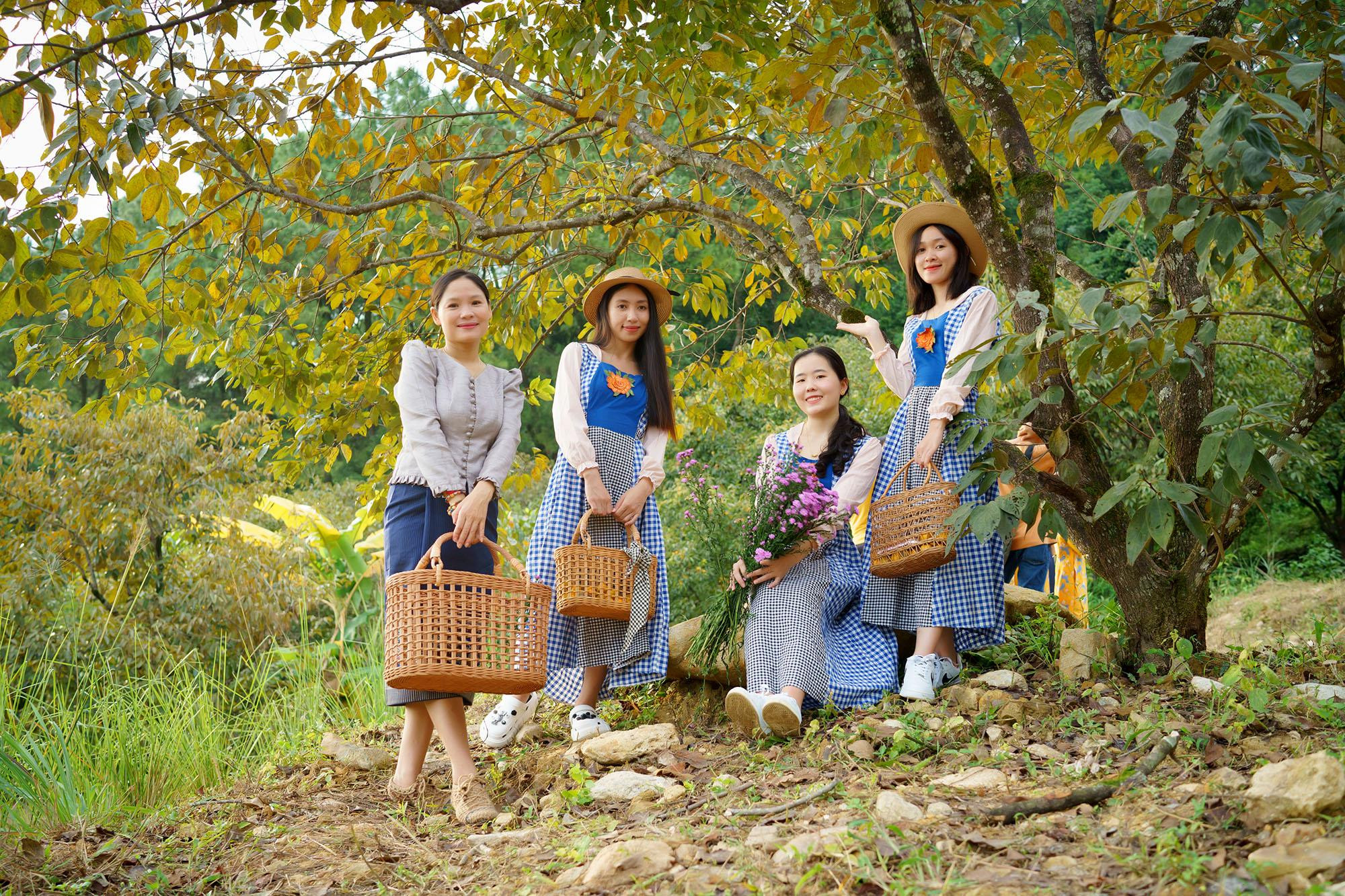 |
Tourists visiting Mount Dai Hue. Photo: Sach Nguyen. |
The tomb is situated halfway up the mountain range, from where one can overlook a vast area of rivers, mountains, fields, plains, and villages of his homeland.Tomb of Mrs. Hoang Thi LoanIt has been beautifully constructed, becoming a place of worship, remembrance, and gratitude for people from all over the country during their pilgrimage to the birthplace of President Ho Chi Minh.
It can be said that the Dai Hue mountain range acts like a massive fortress guarding the northern part of Nam Dan district, enhancing the majestic and beautiful natural landscape and creating favorable conditions for the development of agriculture and forestry. At the same time, it contains layers of traditional culture and sacredness, contributing to the development of this land's rich cultural heritage.


