
A unique collection of flags and drums from the revolutionary movement in Nghe An.
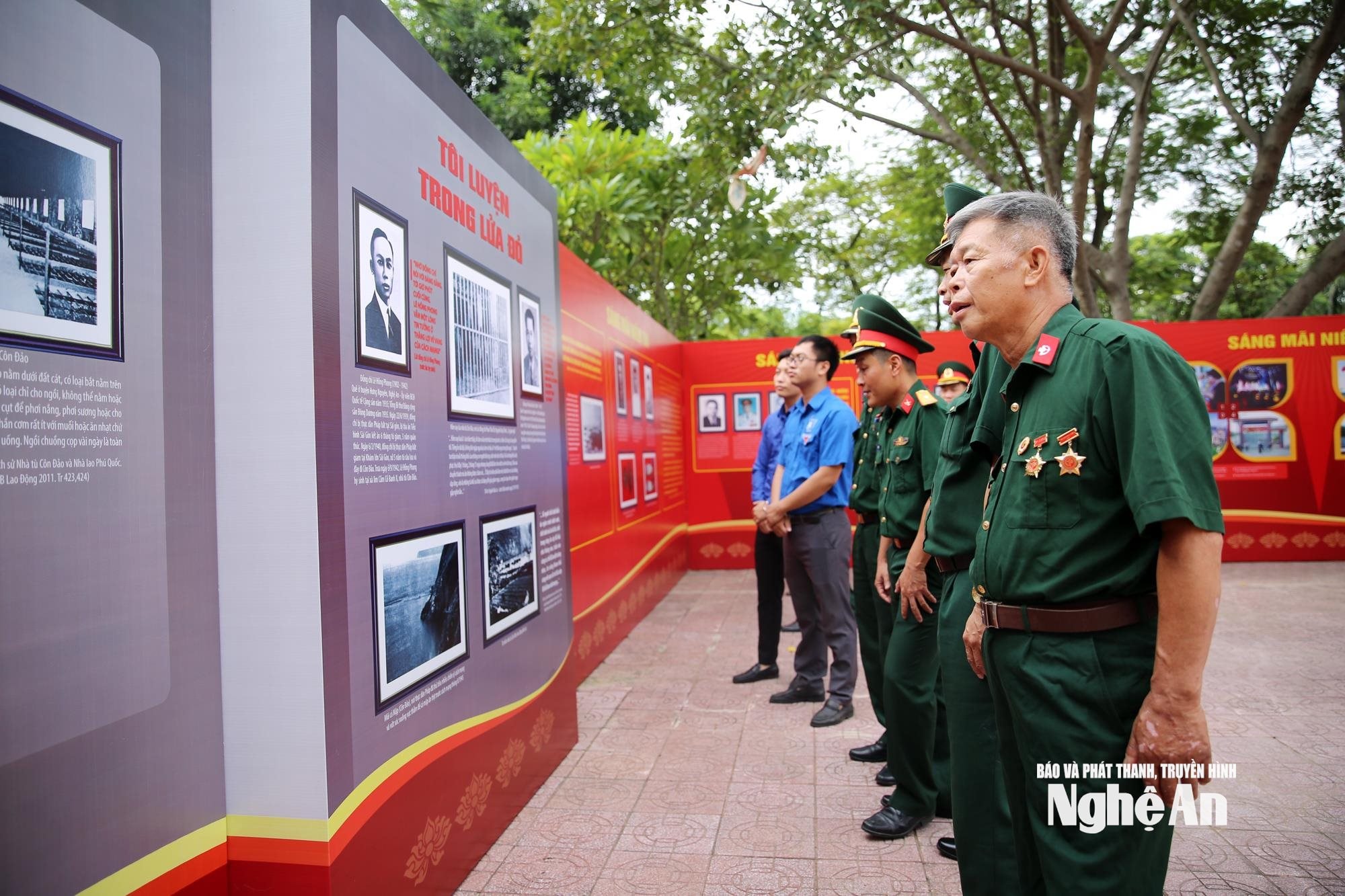
Nearly 95 years have passed, and while the homeland and country have undergone many changes, the revolutionary fighting spirit of the Nghe Tinh Soviet movement (1930-1931) continues to resonate throughout the land. The collections of historical artifacts, including the collection of flags and drums preserved at the Nghe An - Nghe Tinh Soviet Museum, contribute to proving the arduous, sacrificial, yet glorious struggle of the people.
The red flags of yesteryear
Immediately after its founding (February 3, 1930), the Communist Party of Vietnam raised the banner of the struggle for national liberation and class liberation, leading the Vietnamese people out of slavery and building a prosperous and happy life.
The first proof is the movement.Nghe Tinh Soviet(1930 - 1931), the red flag with the hammer and sickle, the symbol of the working class and peasantry, led the people of the whole country, especially the two provinces of Nghe An and Ha Tinh, to rise up in struggle. The movement was vibrant and achieved initial results, and was considered the first rehearsal for the August Revolution (1945).
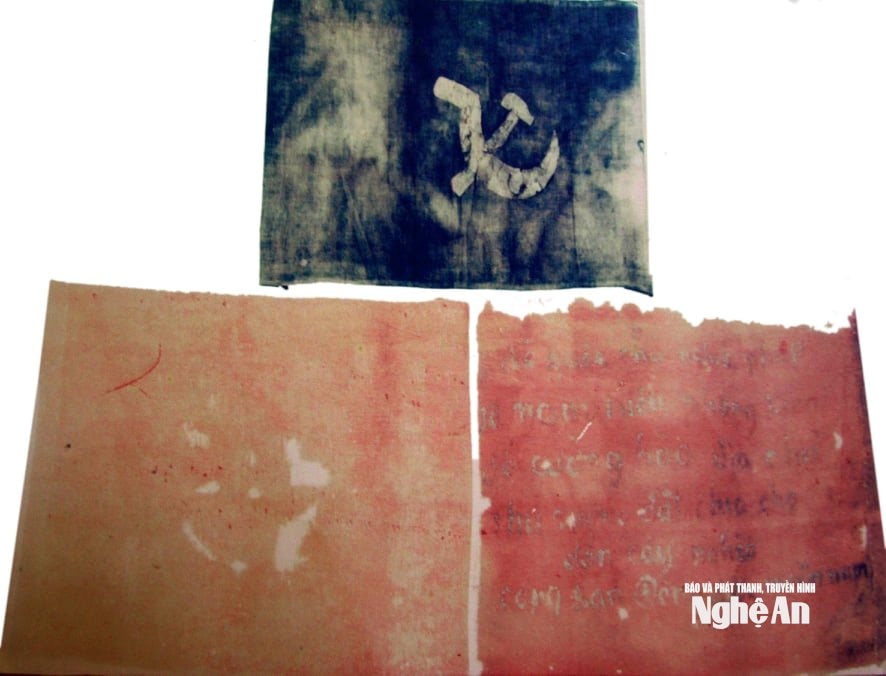
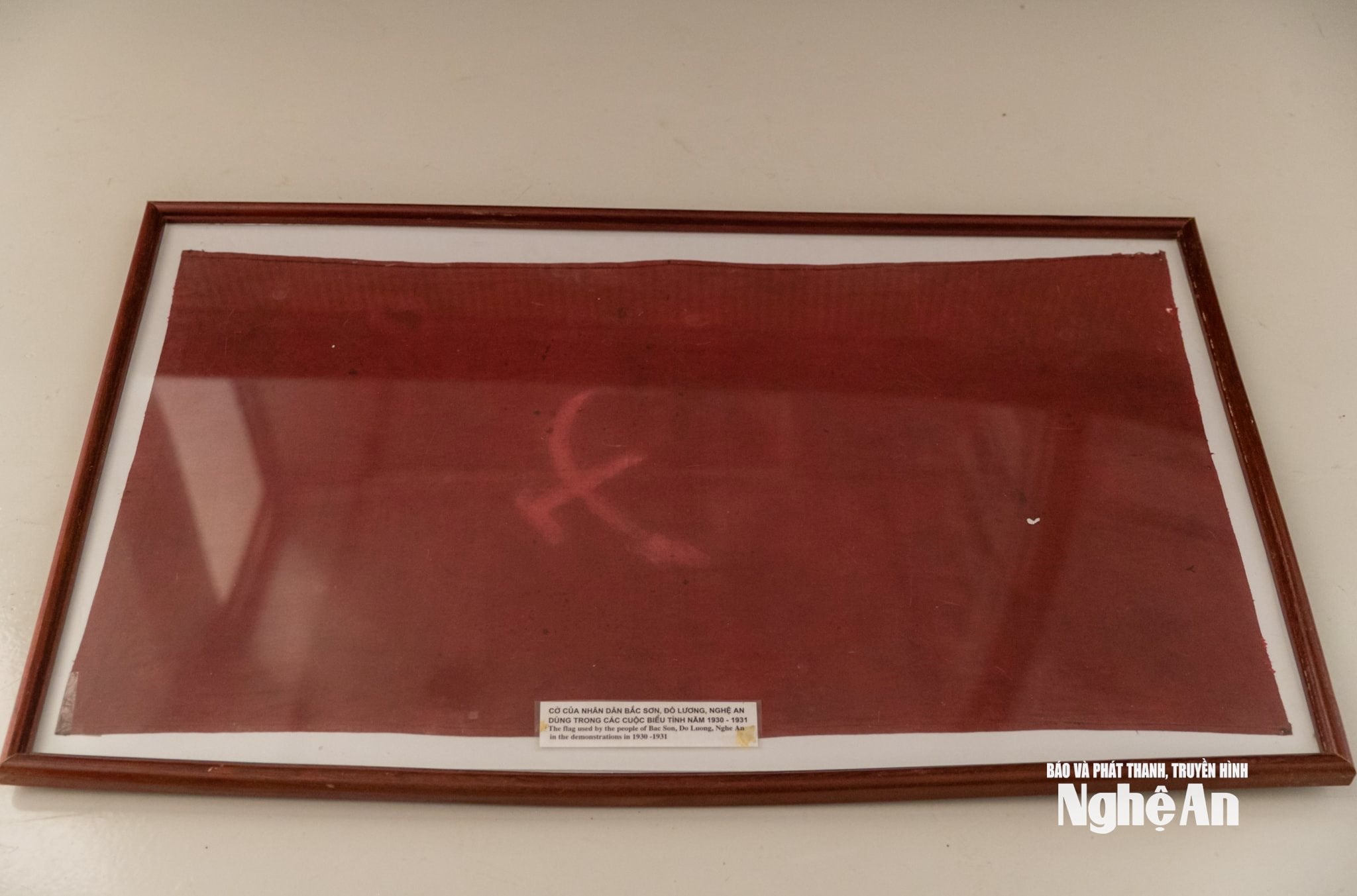
Currently, the Nghe An - Soviet Nghe Tinh Museum still preserves a collection of 11 Party flags from the revolutionary movement of 1930-1931. In Nghe An province, there is a flag of the people of Luong Son village, Bac Son commune, Dang Son district, Do Luong county (now Do Luong commune).
When the revolutionary movement broke out, the Party organization arranged for people to buy fabric, dye it red, cut and sew it into many rectangular pieces at the Yen Xuan shop in Linh Son, Anh Son district (now Yen Xuan commune), then use white lime to draw the hammer and sickle symbol on the red fabric. These flags were distributed to villages and communes in Dang Son district to encourage the people to participate in demonstrations and struggles.
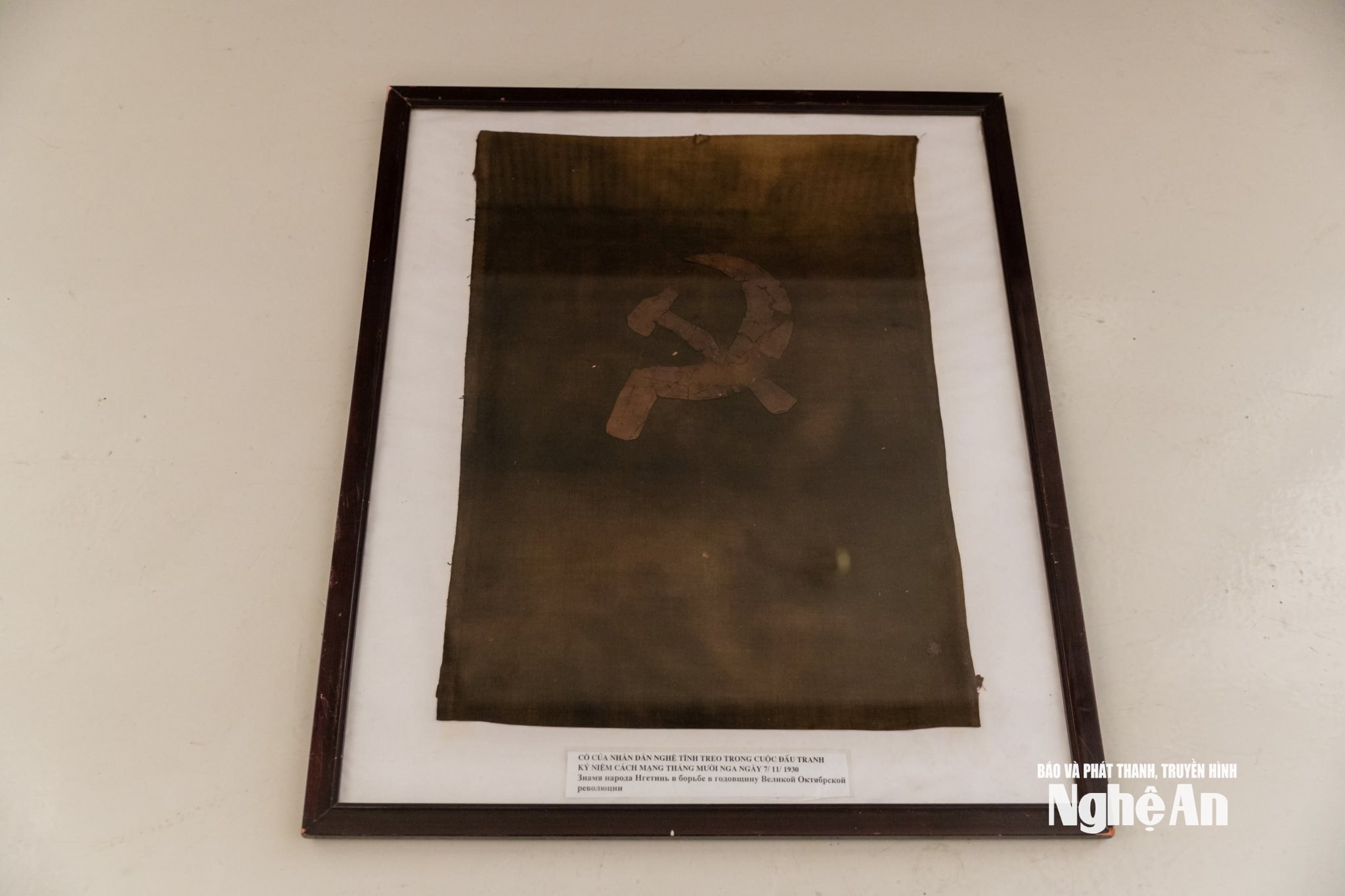
The red flag with the hammer and sickle was also used in the ceremony to induct outstanding individuals who actively participated in the Nghe Tinh Soviet movement. Next to it was the flag used by the people.revolutionUsed in protests in the former Thanh Chuong district.
The red flag was given by the Tien Hoi Party Branch to Comrade Nguyen Van Long, a liaison officer, to be hoisted on the top of a banyan tree in the villages before the demonstrations. Later, Comrade Long added a star to the flag to guide the people in the struggle to seize power in 1945.
In particular, the collection includes the red flag of the former Hung Nguyen District Party Committee, used in the memorial service for those who sacrificed their lives participating in the September 12, 1930 protest in Thai Lao. Faced with the brutal terror and repression of the French colonialists, public opinion both domestically and internationally was extremely indignant and strongly condemned the event.
In response to this situation, the Central Committee of the Vietnam People's Army instructed Party committees at all levels to organize memorial services for the fallen martyrs, thereby instilling deep hatred, indomitable spirit, and calling on the people to continue the struggle. The memorial service was held at Dam Dong - Lung in Phu Xa village (Phu Long district), the place where the "seeds" of the revolutionary movement were nurtured, and also where many people sacrificed their lives in the demonstration on September 12, 1930.
Once again, the red flag guided the people of Hung Nguyen to steadfastly march forward on the path of revolutionary struggle, undeterred by hardship and sacrifice, to achieve final victory.
The flag collection at the Nghe An - Nghe Tinh Soviet Museum also includes the red flag of the people of Do Luong (Nghe An), Nghi Xuan, Duc Tho, Can Loc, Huong Khe (Ha Tinh)... during the Nghe Tinh Soviet movement.
In addition, the museum also preserves a number of flags of the people of various provinces who participated in the struggles supporting the Nghe Tinh Soviet movement, notably the hammer and sickle flag of the people of Phu Khanh province; the flag of the people of Bac Ninh province...
The echoes linger on.
Along with the red flags bearing the hammer and sickle, the collection of drums used to encourage people in the regions to charge forward in rallies and demonstrations of the Nghe Tinh Soviet movement are truly artifacts of great historical value. The collection consists of 8 artifacts of varying sizes, and although old, they are still preserved quite intact.
Although not numerous, the collection contributed to reflecting the strong fighting spirit of our people in the revolutionary movement of 1930-1931.
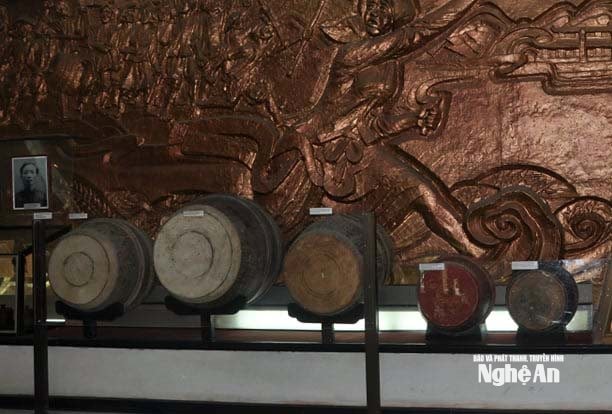
A prime example is the drum from Loc Da village, used in the Vinh-Ben Thuy workers' and farmers' demonstration (May 1, 1930), the starting point of the Nghe Tinh Soviet movement. The sound of that drum spurred more than 1,200 workers and farmers to march to the Truong Thi Factory demanding higher wages, shorter working hours, and reduced taxes.
And that same drumbeat caused panic and fear among the French colonialists and their feudal collaborators, forcing them to open fire to suppress the protest.
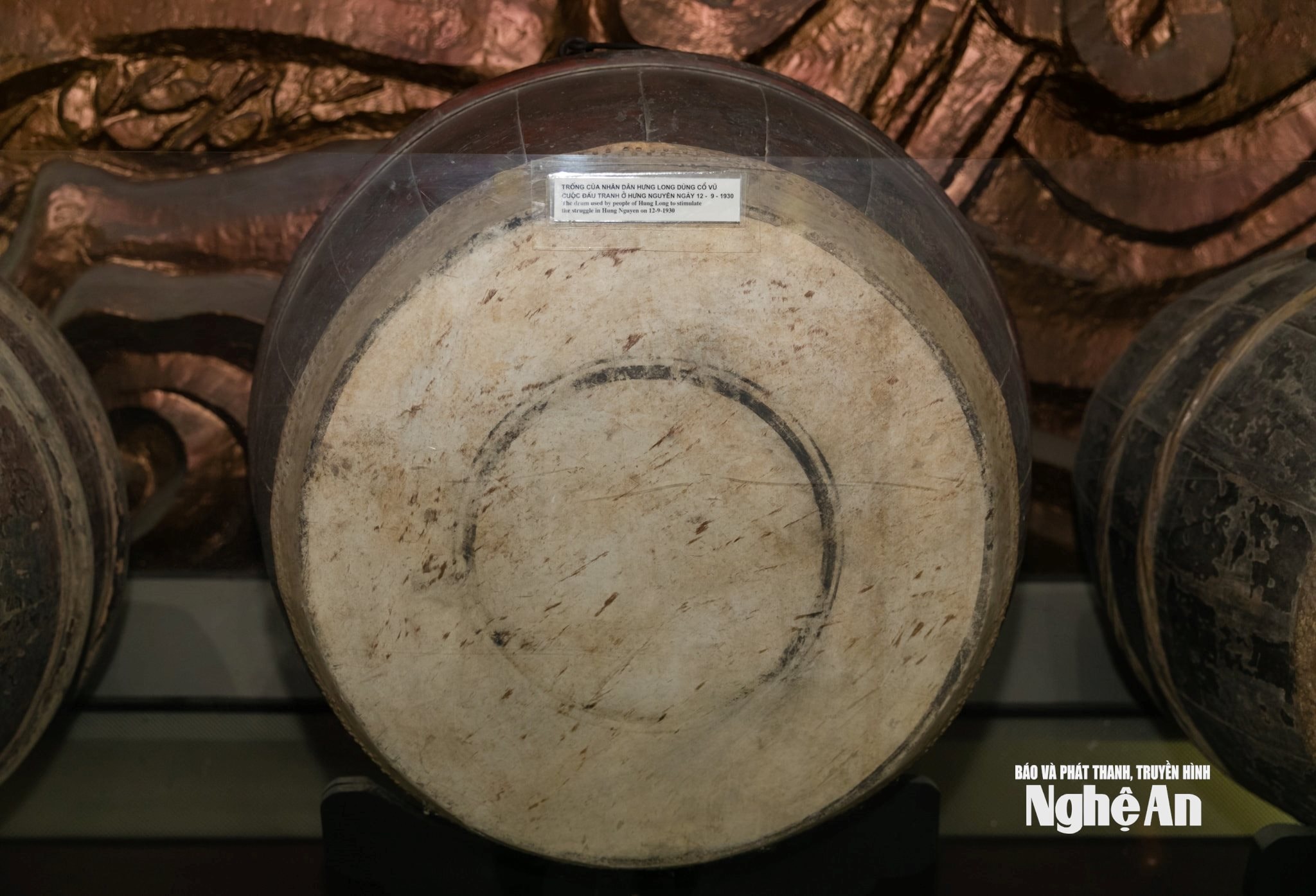
Along with that is the drum of Phu Long commune (formerly Hung Nguyen district), used to signal the start of the demonstration and struggle of the people throughout the district on September 12, 1930. Phu Long is considered a "revolutionary nursery," a meeting place for many pioneering revolutionary fighters, a rural area that has produced many outstanding individuals who dedicated their lives to the Party.
Therefore, Phu Long was one of the "pioneering" places in the Nghe Tinh Soviet movement in Hung Nguyen. Under the leadership of the Party organization, amidst the resounding drumbeats, the people of Phu Long rose up powerfully, and on September 12, 1930, thousands participated in a demonstration in Thai Lao. In that bloody crackdown, more than 40 revolutionary masses from Phu Long commune sacrificed their lives.
The collection also includes a drum from the Vi family church in Mon Son commune (formerly Con Cuong district), where the first Party branch was established in the western districts. Under the direction of...Mon Son Party BranchIn August 1931, the people of Muong Qua region participated in a demonstration to support the revolutionary struggle of their compatriots from all over the country and to protest the brutal policies of terror and repression by the French colonialists.
The drum of the Vi clan was used as a signal to urge and encourage the people of various ethnic groups in Mon Son - Muong Qua to rise up and fight…
Along with the drum, other items such as gongs, cymbals, and wooden clappers became special weapons to intimidate the enemy and encourage the people's struggle during the 1930-1931 revolutionary movement. These artifacts are also preserved at the museum.
The museum currently houses tens of thousands of artifacts and documents related to revolutionary movements. Among them, the collection of Party flags and drums used in rallies and demonstrations during revolutionary struggles is of particular value, demonstrating the heroic and courageous spirit of our people under the leadership of the Party.
Ms. Le Thi Thu Hien - Acting Director of the Nghe An - Soviet Nghe Tinh Museum


