
Tips to reduce headlight glare when driving at night
At night, a driver's visibility is significantly reduced, and the glare from other vehicles' headlights can temporarily obscure their vision. Driving at night can be a challenging task for novice drivers or even experienced ones.
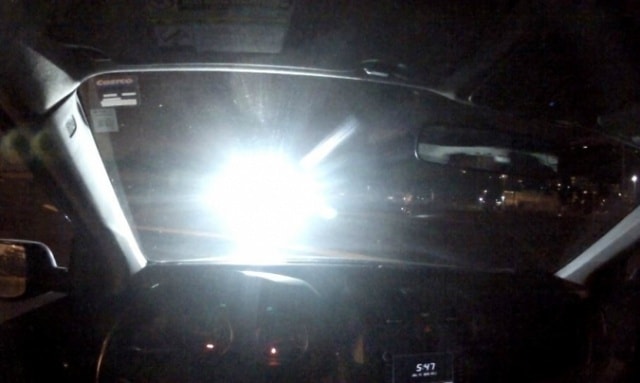
The highest rate of accidents occurs at night (6 PM - 6 AM). Furthermore, the fatality rate in nighttime traffic accidents is 3-4 times higher than during the day. This is partly due to drivers being fatigued, stressed, or under the influence of drugs or alcohol. Another important reason is that at night, drivers' visibility is significantly reduced, and the glare from other vehicles' headlights can temporarily obscure their vision. Here are some ways to minimize and deal with glare.
 |
| Anh Minh Hoa |
1. Check your vehicle before you start driving.
This is especially important if you have to drive in the early morning or late evening. Before shifting gears, take a moment to identify areas that need cleaning. Keep cleaning supplies in the car so you can do this whenever needed.
2. Clean the windshield, windows, and glass surfaces.
Don't forget to clean your car's mirrors as well. Any streaks of dirt or stains on these surfaces will reduce contrast and may make it difficult to see objects on the road. Additionally, car owners should also clean the inside of the windshield, as plastic chemicals can gradually build up on the glass. Clean the wiper blades and wash the windshield to remove dirt and oxidized rubber from the edges of the blades. If streaks remain, the wiper blades need to be replaced. Any chips or cracks in the windshield should also be repaired immediately.
3. Clean the car's headlights.
Even a small amount of dirt on a headlight can halve the amount of light and limit visibility to other vehicles. This is especially true if the vehicle is equipped with HID (High Intensity Discharge) headlights because dirt will scatter the light from the lamp and cause glare to other drivers. At least half of cars today have one or both headlights improperly positioned. Properly positioned headlights not only help you see better but also prevent glare to other drivers. Older models can improve headlight performance by polishing the outside of the headlights. Due to exposure to road dirt, the outside of the headlights can become dull. Most auto parts suppliers have "polishing compounds" specifically designed for the exterior of headlights.
4. Adjust your car mirrors properly.
The American Automobile Association (AAA) recommends the following method for mirror installation: Lean to the left and adjust the left mirror so that you can see the rear left corner of the vehicle. Then, lean to the right and adjust the right mirror so that you can see the rear right corner of the vehicle. This mirror setup not only reduces glare but also minimizes blind spots.
5. Get your eyesight checked regularly.
According to the American Optometric Association, everyone under 60 should have an eye exam at least every two years, and annually after age 60. As you age, your eyes become more sensitive. Early detection of problems allows for better treatment. If you drive and wear glasses or contact lenses, remember to keep them clean and free of scratches. Dirty, scratched, and dirty lenses will worsen glare problems.
6. Avoid looking directly into the headlights of oncoming vehicles.
Instead, look down and to the right. Use the right side of the road to monitor the lanes instead of the left. The driver can still see other vehicles with their peripheral vision, but the glare will be less noticeable. Reverse these instructions if you are driving in a country where traffic is on the left.
7. Flip the rearview mirror.
Users can change the mirror to their night setting by flipping a small lever at the bottom of the mirror. The lights will dim considerably and therefore be less bothersome. Some modern vehicles already have electrochromatic rearview mirrors that can dim automatically and do not require manual adjustment.
8. Take frequent breaks when driving at night for extended periods.
This will reduce fatigue and allow time for the eyes to recover to their best condition. Even drivers should take a short nap or brisk walk to stay alert.
According to VNN


