
Fishermen in Cua Lo bring trash from their boats ashore to keep the sea clean.
Waste is sorted right on the boats, and after each fishing trip, fishermen in Cua Lo bring it ashore, significantly reducing the amount of plastic waste released into the marine environment.
A pioneer in "bringing trash ashore"
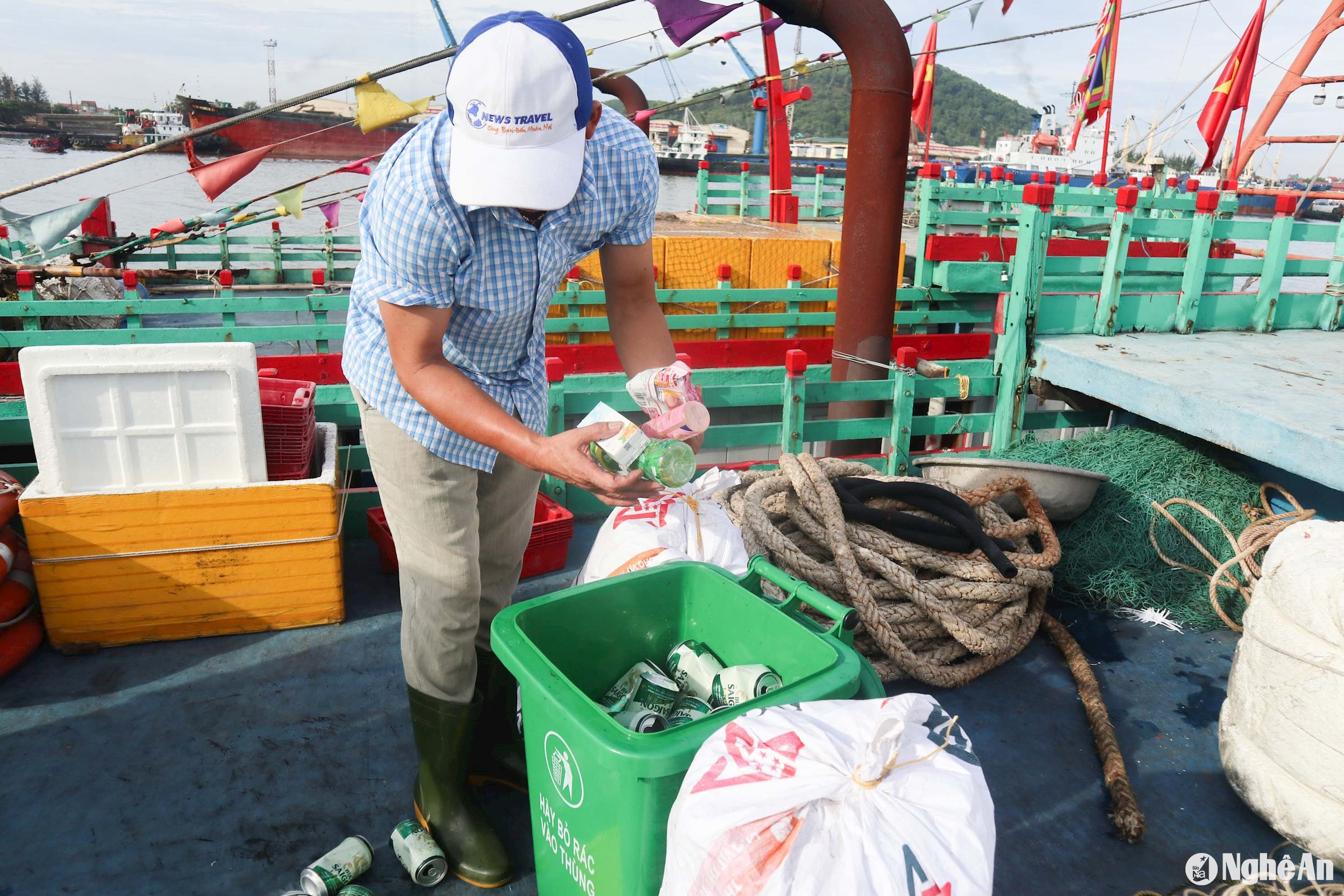
Mr. Phung Ba Thu is a seasoned fisherman with over 30 years of experience at sea. For him, the sea not only provides a source of shrimp and fish, sustaining countless people and generations of fishermen, but it is also his home, his homeland, intimately connected to every fisherman.
"Following my father and brother into the sea since I was 15, I've been involved in this profession for over 30 years. I spend more time at sea than at home. Therefore, the sea is not just a place to make a living, but also something dear and deeply connected to me, like my own flesh and blood," Thu shared.
.jpg)
Each fishing trip, in addition to fishing gear, includes food and drinks: beer, soft drinks, snacks, instant noodles, vegetables, fruits, etc., to sustain them during their time at sea. Empty bottles, milk cartons, plastic bags, etc., are thrown into the sea after each use and carried away by the current. Organic waste can decompose, but solid waste and plastic waste accumulate further out at sea, only to be swept ashore by strong waves and winds.
“It’s all due to the habit of ‘throwing things wherever it’s convenient,’ thinking that since the ocean is so vast, throwing away bottles and plastic bags won’t hurt anything. Besides, a single can only costs a few hundred dong, so throwing it away isn’t a big deal. However, plastic waste doesn’t decompose and gradually accumulates into huge mountains of garbage under the ocean. During the rainy season and storms, when the sea is rough, the garbage is carried ashore by the waves, with some garbage streams stretching for tens of kilometers,” shared Mr. Phung Ba Thu.
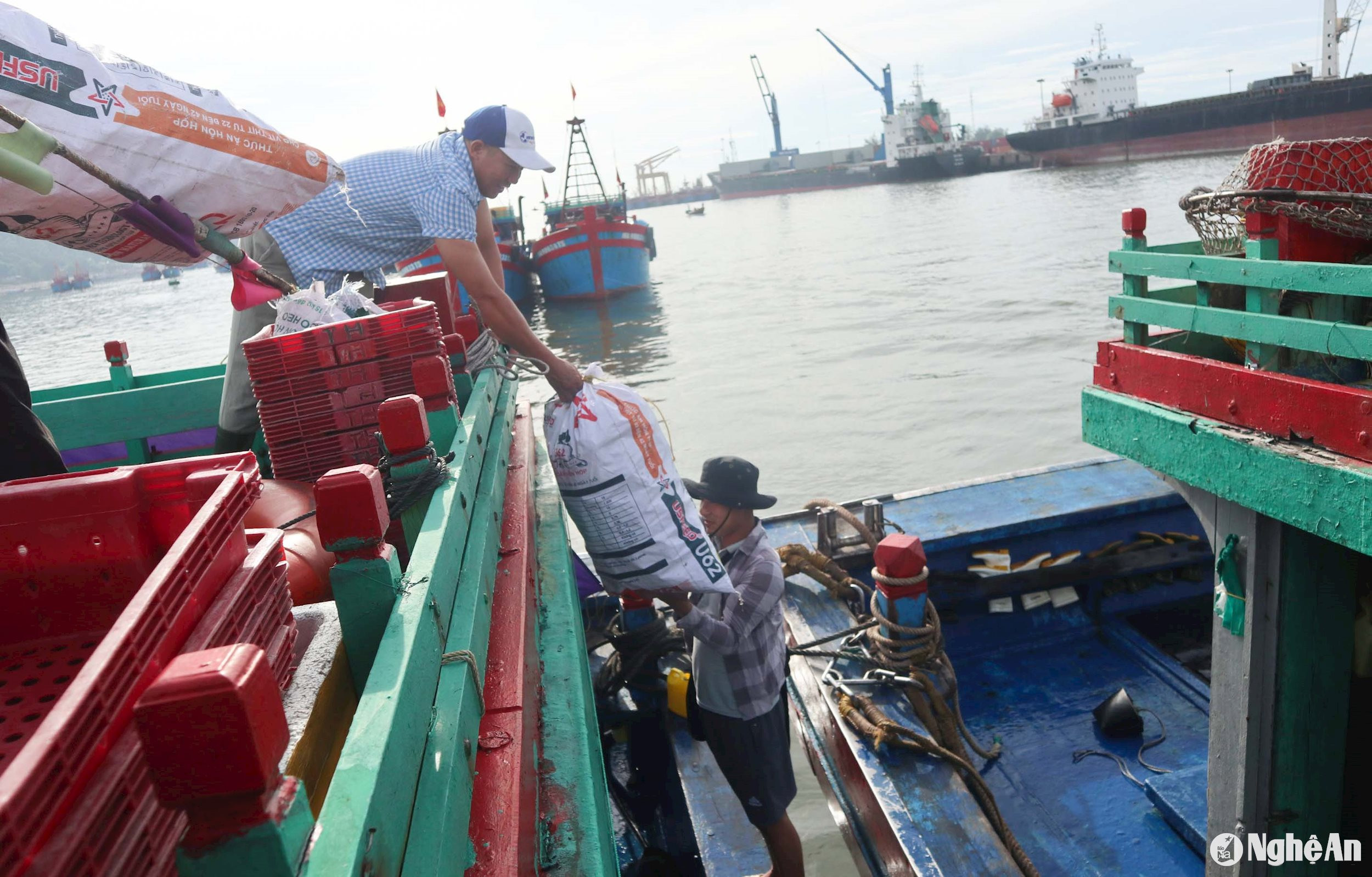
Trash pollutes the marine environment, disrupts the balance of marine ecosystems, and shrinks the habitats of marine life, which is why shrimp, fish, and squid resources are no longer as abundant as before.
Not to mention, sometimes trash floats on the water's surface, getting caught in the propellers or entangled in the nets, causing them to tear, which is both unsafe and costly to replace. This is something that worries Mr. Thu greatly.
As the owner of a fishing vessel, he instructed his crew to sort waste right on board. Accordingly, organic waste was placed in a separate bin, while plastic waste (beer cans, soft drink cans, plastic bags, plastic containers, etc.) was collected in another bin.
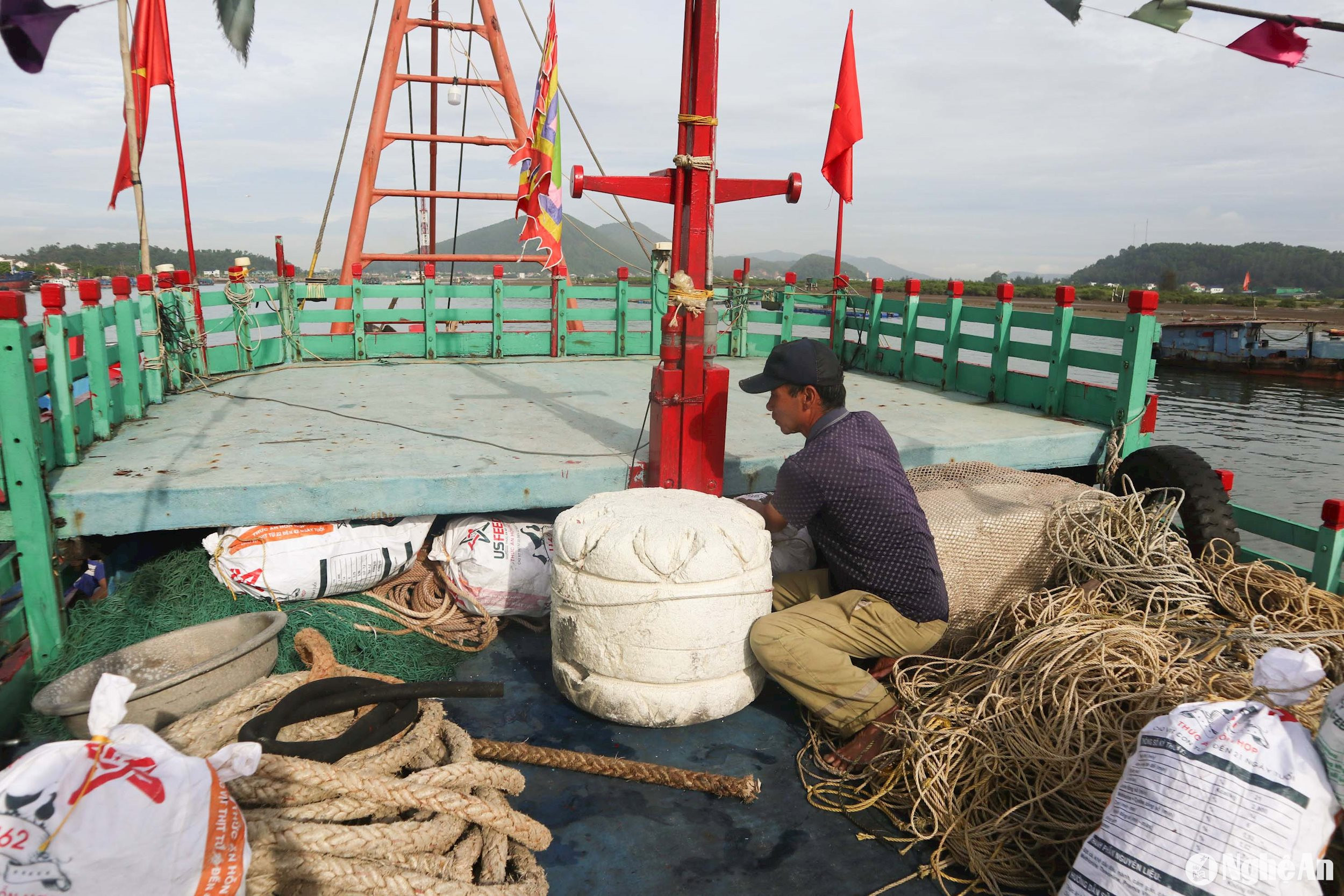
Afterward, they gathered and brought them ashore. Initially, it was difficult to change due to ingrained habits, but gradually, people reminded each other, and together they did it, so it became a routine.
“Our two boats alone have 20 crew members. Each fishing trip generates about 30 empty cans, 15-20 plastic bags, and 10 empty milk cartons. All of them are collected, put into mesh bags, and left on the boat. After about 7-10 days, they are brought ashore and sold as scrap. The money earned is used to support crew members in need,” Thu explained.
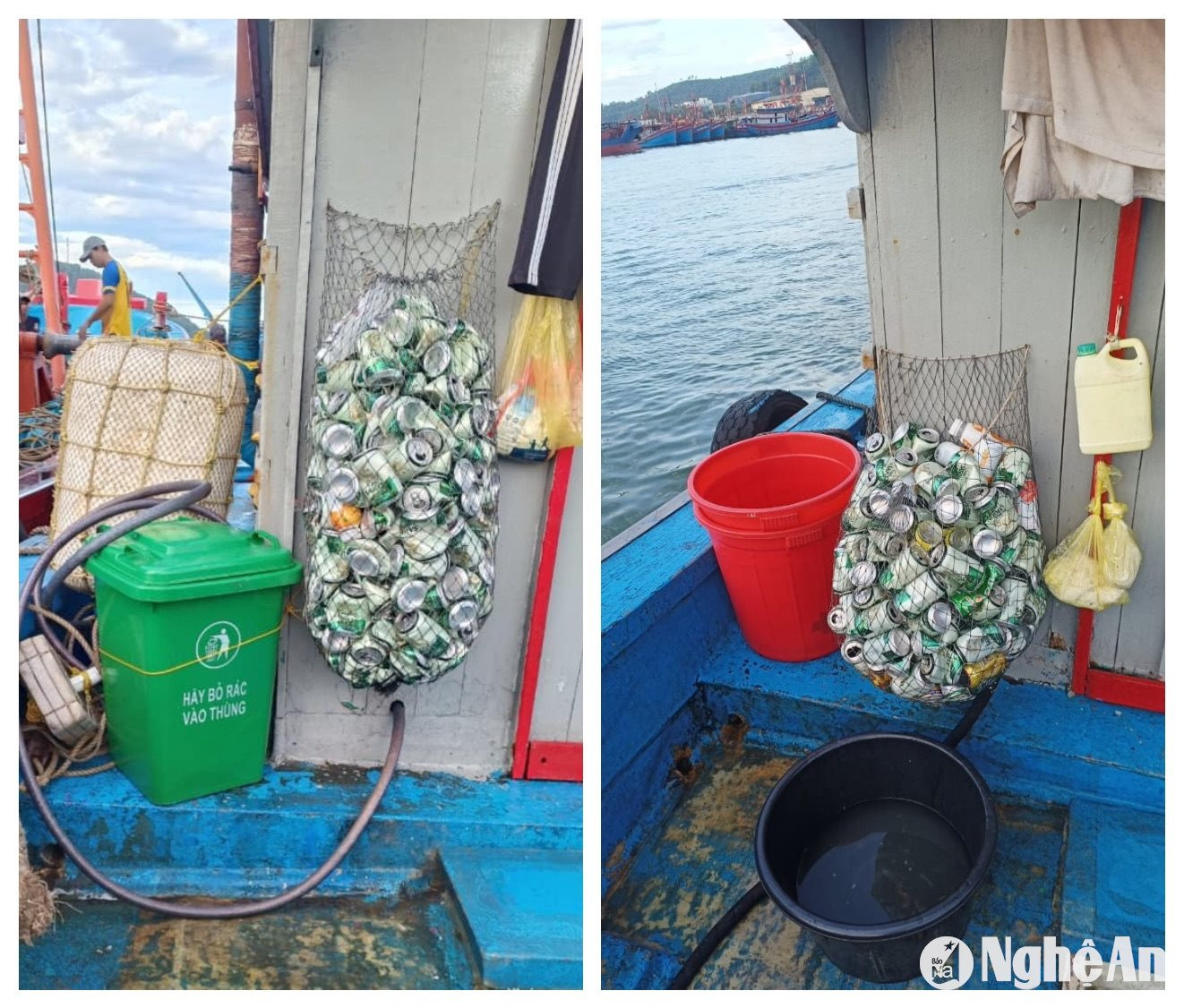
Thu's fleet has been collecting scrap metal for the past five years. Besides the economic value of approximately 4-5 million VND per year from selling scrap metal and providing gifts to struggling crew members, the most important thing is that this captain has changed the recycling habits and behavior of the crew towards the sea.
Clean at sea, warm on shore.
Nghi Thuy Ward in Cua Lo town has 96 boats, including 41 offshore fishing vessels. Seafood exploitation provides employment for over 600 local workers. Each fishing trip can last 1-2 days, or even 3-4 days, and the amount of waste generated by each boat with 10-15 crew members is considerable.
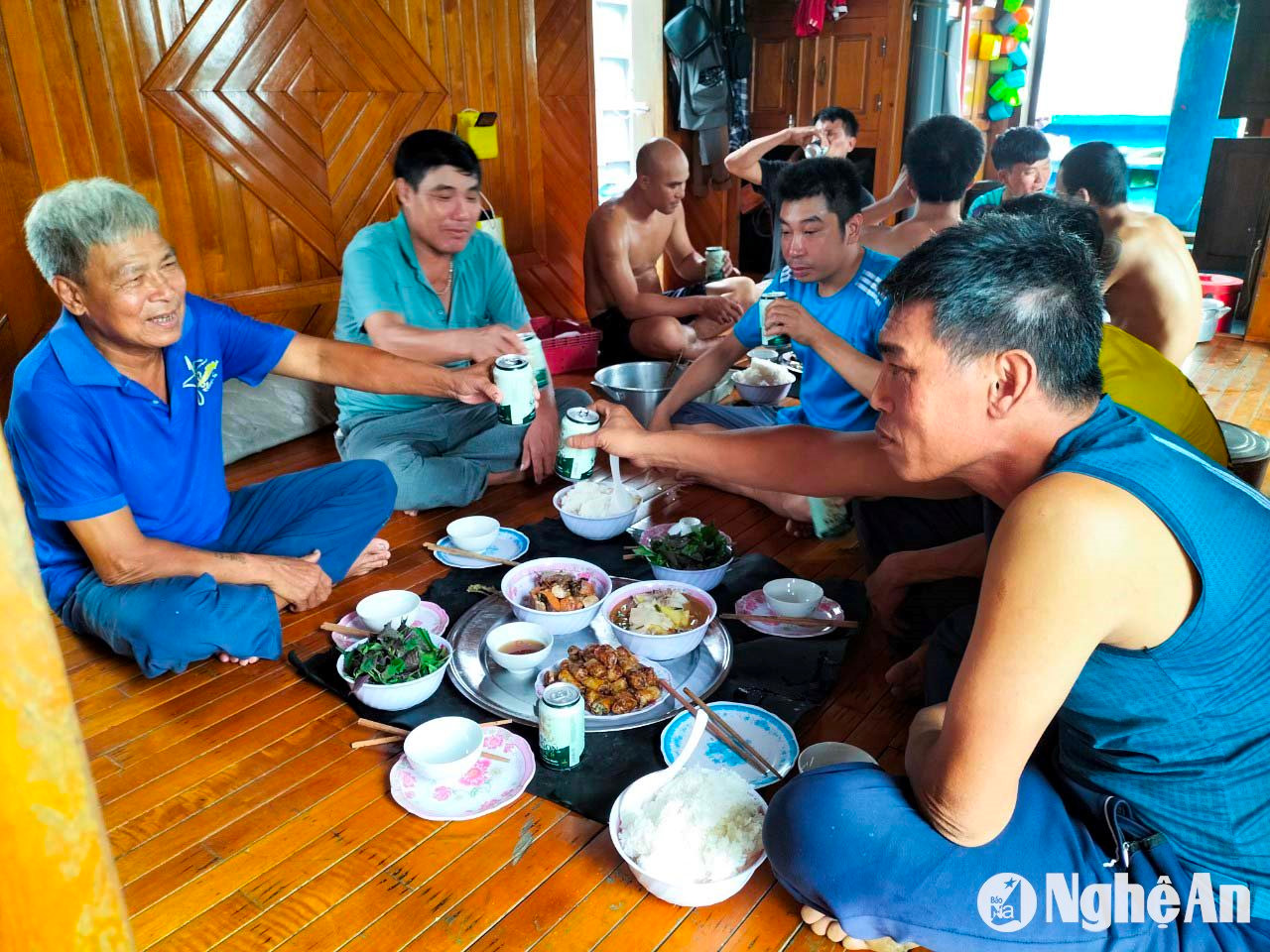
If everyone carelessly throws waste into the sea, day after day, the problem of plastic waste and marine pollution will become a clear and present issue. Following the pioneering efforts of Mr. Phung Ba Thu, it was recognized that raising awareness and encouraging fishermen to keep the marine environment clean through practical actions like collecting solid waste and bringing it ashore was an urgent necessity.
Therefore, the ward's fisheries association, in coordination with the Farmers' Association and the Women's Association of the ward, launched the model "Collecting solid waste from the sea to the shore," and implemented the movement "Retain scrap materials, do not dispose of them in the sea, exchange them for money on the shore, and donate them to the poor."
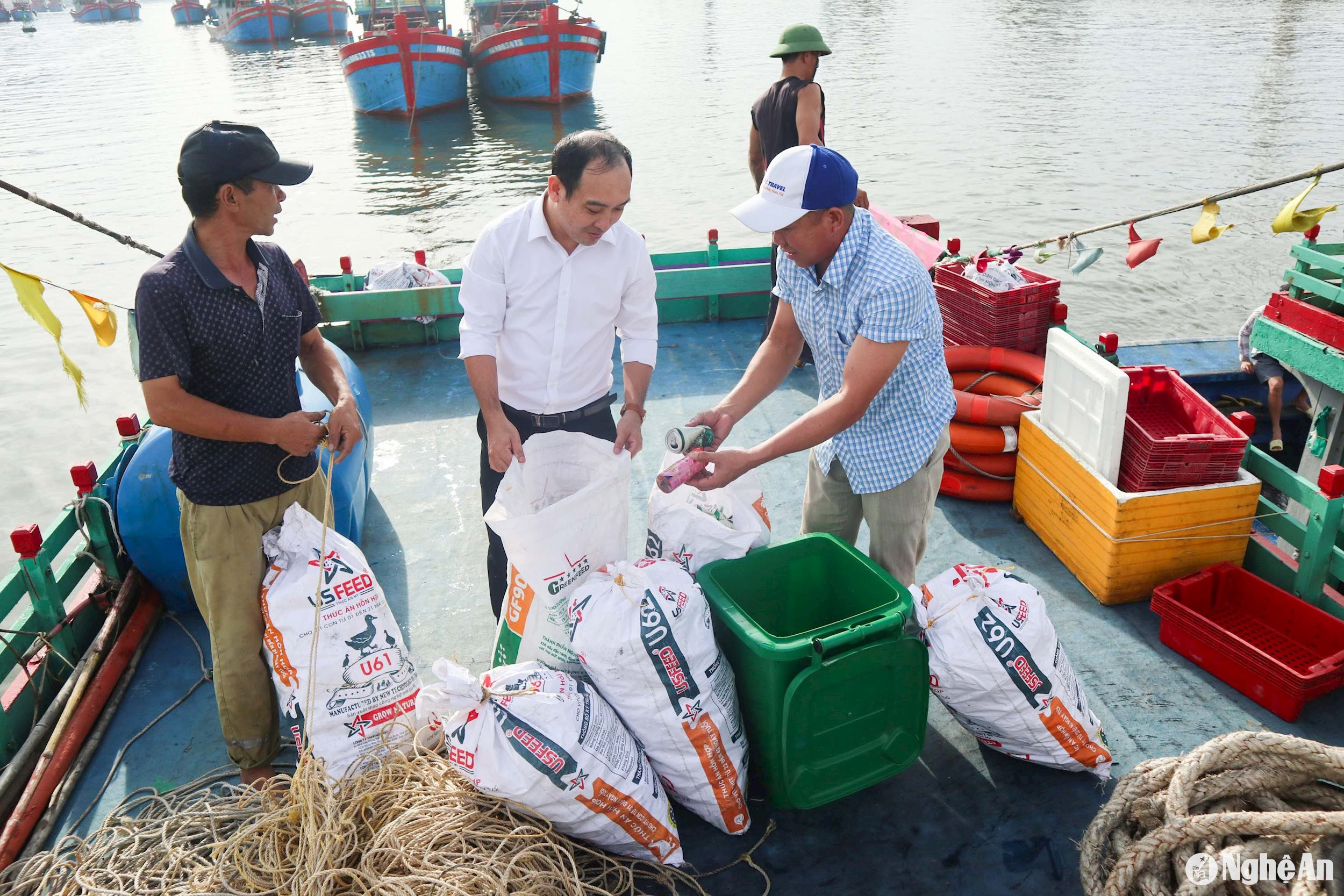
Accordingly, all ships sort their waste and bring it ashore. "On average, each crew member uses one can of beer per day, so a fleet of two ships would have 20 empty cans. Not to mention on days when they catch a large haul of fish, or have a bountiful fishing trip, the amount of empty cans can be 4-5 times higher."
"If we just dump it into the sea like that, it's very dangerous. Since we started bringing the trash ashore, on average, each fishing fleet earns about 300,000-500,000 VND worth of scrap materials per week," said Phung Ba Hung, a crew member.
After a considerable amount of scrap metal has been collected, it will be brought ashore and sold. The money earned will be used to fund support for struggling fishermen and to buy gifts for the poor in the ward.
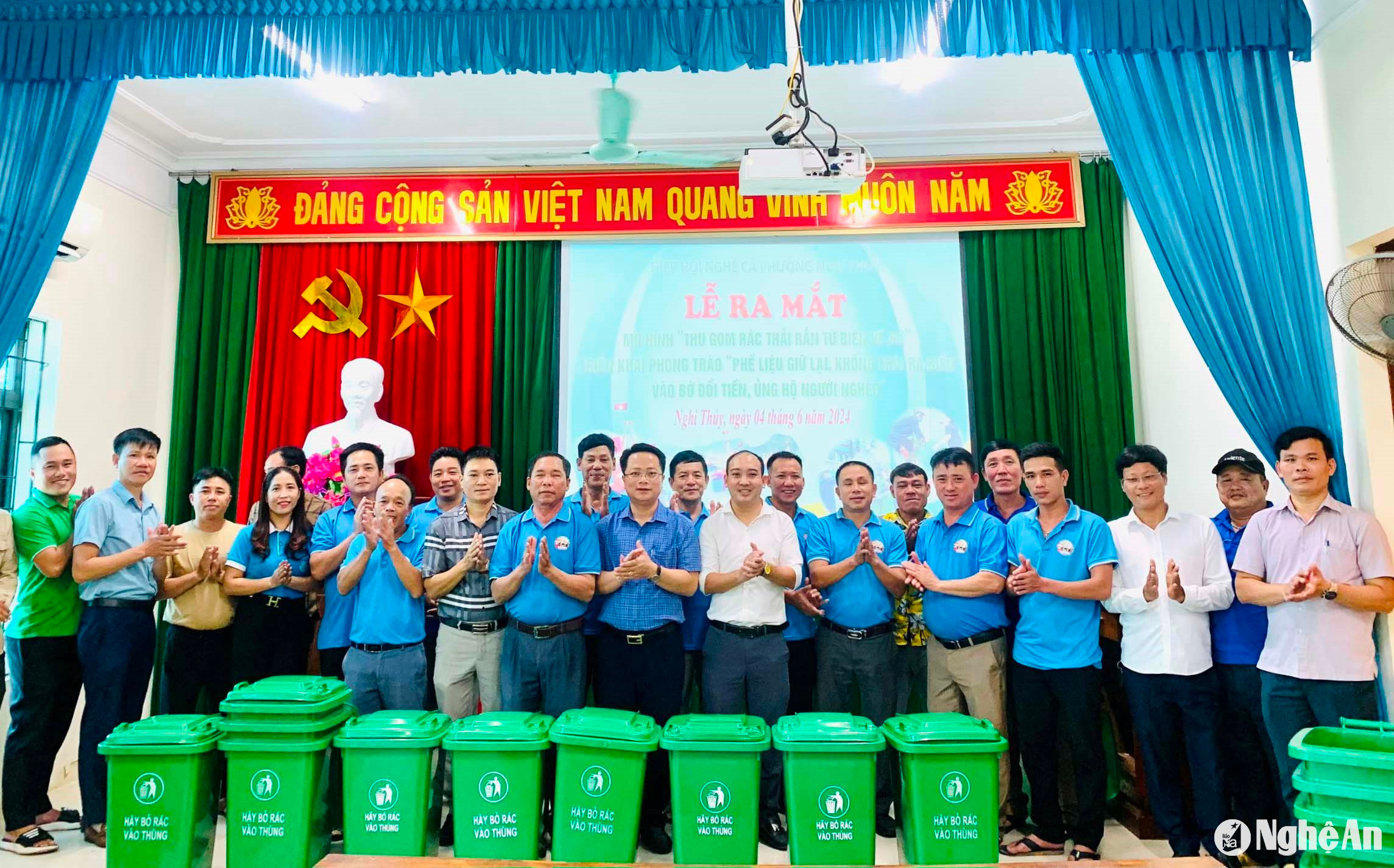
“If plastic waste is collected thoroughly from fishing boats, approximately 40 million VND will be generated annually. Besides changing fishermen's habits and contributing to marine environmental protection, the revenue from scrap materials on fishing boats will provide us with a significant source of funding to better implement social welfare programs in the area. The local authorities are considering expanding this model to the 96 fishing boats in the area,” said Mr. Nguyen Tien Loi, Chairman of the Farmers' Association of Nghi Thuy Ward.
The boats docked, their holds full of fish and shrimp unloaded and sold to traders. The crew then busied themselves cleaning the boats, collecting the trash and disposing of it in designated areas.
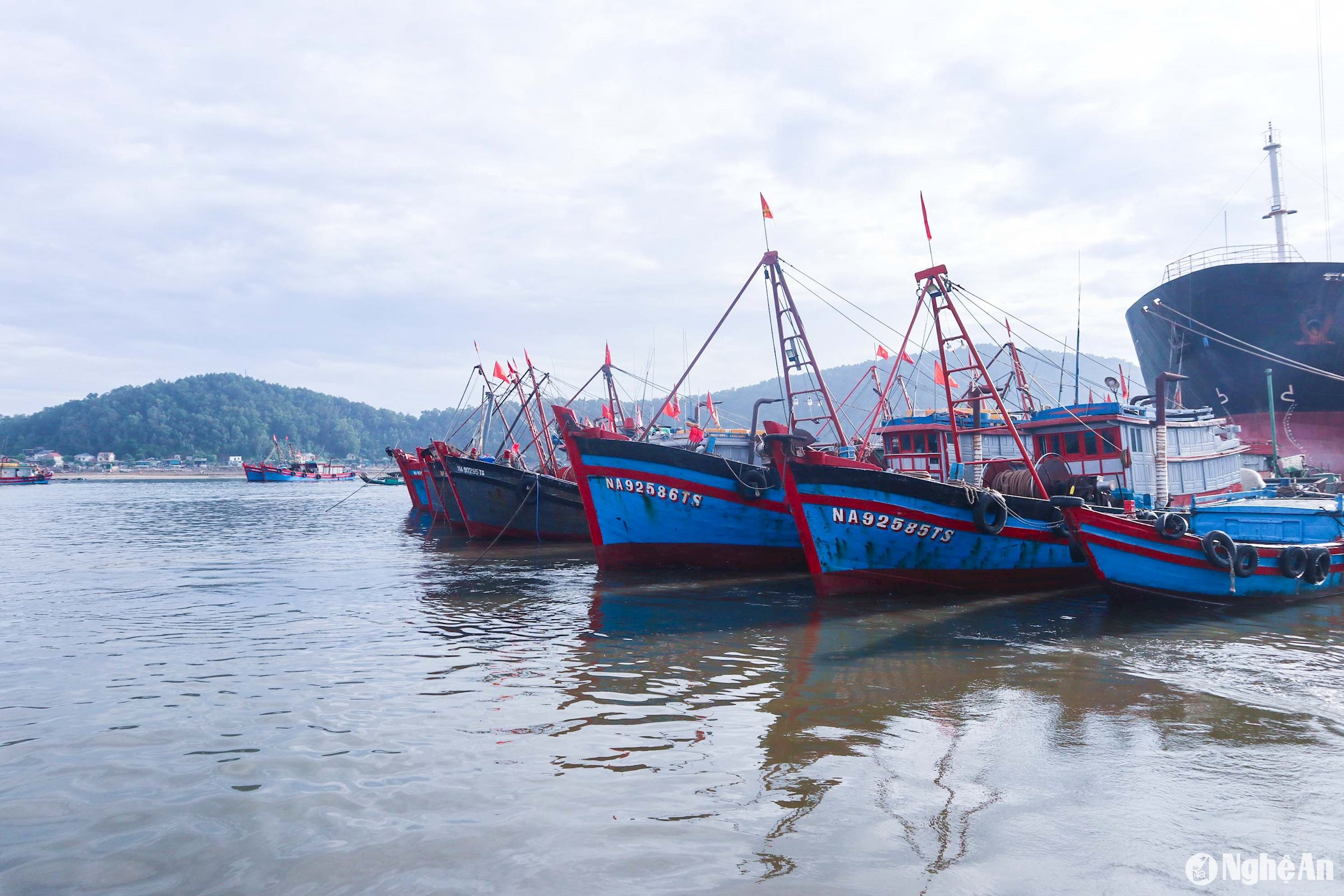
Mr. Nguyen Dac Quyen, a fisherman from Nghi Thuy ward, said: "Nowadays, whenever we see trash floating on the sea surface, we feel uncomfortable and use nets to scoop it up. Ropes, torn nets, and other types of waste are not thrown around indiscriminately but collected, sorted, and brought ashore. Keeping the sea clean is also about ensuring a sustainable livelihood for fishermen like us."


