
Many raw water intake points in Nghe An are polluted.
Most notably, at the monitoring station in Quy Hop district, the arsenic content exceeded the standard by more than 20 times.
On October 4th, a leader of the Hung Nguyen District People's Committee stated that the locality had just received a document from the Department of Natural Resources and Environment warning about the quality of raw water supplied to water treatment plants and factories.
This document was sent not only to Hung Nguyen district, but also to the People's Committees of the districts of Yen Thanh, Quy Hop, Thanh Chuong, Quynh Luu, Tan Ky, Nghi Loc, Nam Dan, Dien Chau, Cua Lo town, Thai Hoa town, Hoang Mai town, and water supply companies and units. These are the localities where pollution was detected after monitoring raw water samples.
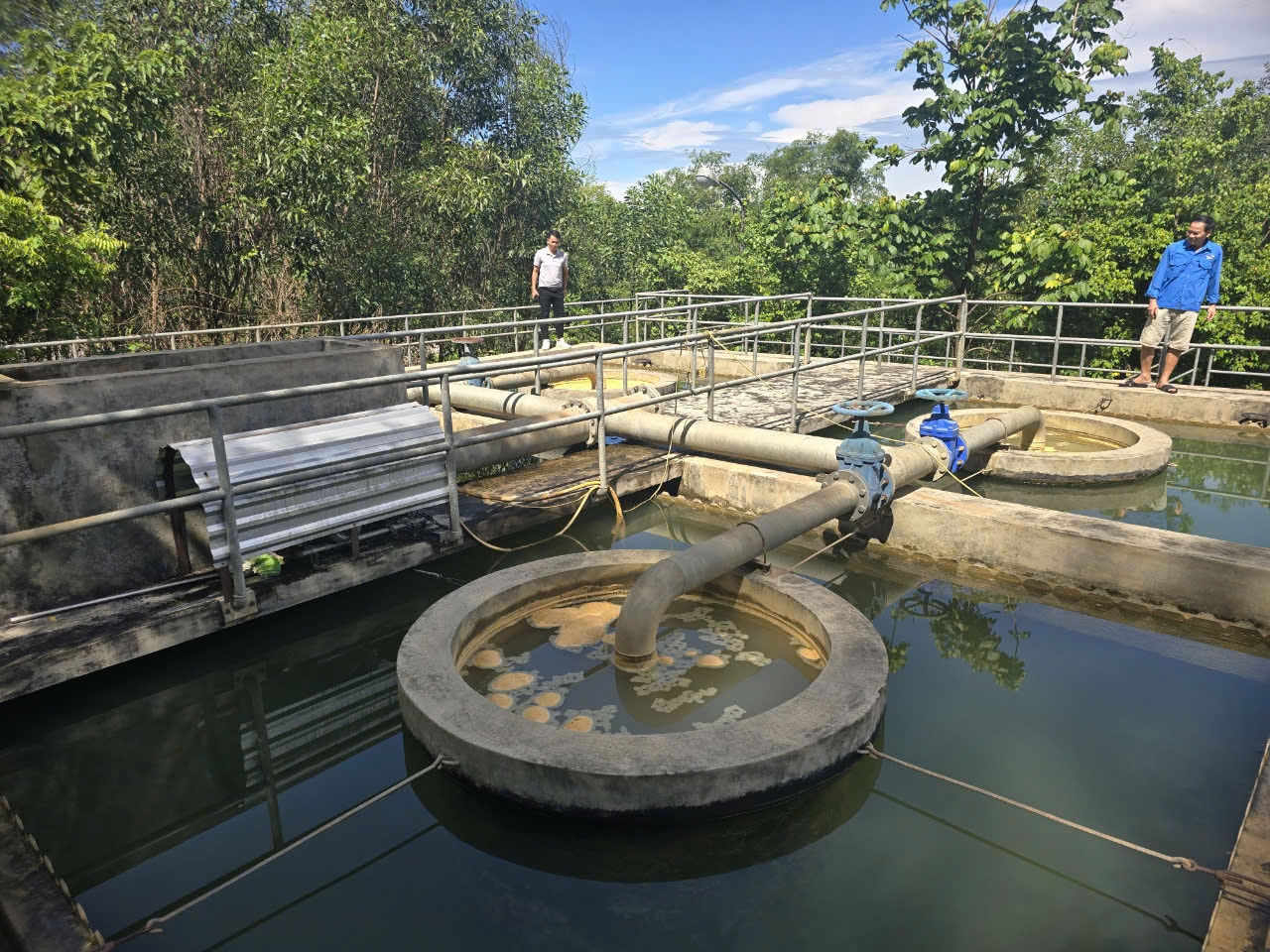
According to the Department of Natural Resources and Environment, based on the analysis of raw water quality supplied to water treatment plants in the province, as reported by the Center for Resource and Environmental Monitoring, surface water quality at several input points for water treatment plants continues to show signs of pollution by common organic and inorganic compounds (BOD5, COD, TSS, NH4+, NO2-) and metals (As, Cd, Fe, Mn). TSS (total suspended solids) pollution is widespread, with 10 out of 16 monitoring points exceeding the standard by 1.04 - 7.52 times. The highest level is at the water supply point in Hung Nguyen district, where samples were taken from the surface water of the Dao River, the section passing through Hung Nguyen town. This is where the water treatment plant supplying drinking water to hundreds of thousands of households in Vinh City and surrounding areas is located.
Furthermore, pollution by BOD5 and COD recurred, with 6 out of 16 BOD5 values and 10 out of 16 COD values failing to meet requirements, exceeding standards by approximately 2 times in most samples. Pollution by metals (As, Cd, Fe, Mn) appeared at 7 out of 16 monitoring points, with levels exceeding standards ranging from 1.06 to 20.3 times. Most notably, at...water supply point in Quy Hop districtThe arsenic (As) level exceeded 20.3 times the normal level.
Meanwhile, the water monitoring station in Hung Nguyen district had 7 parameters exceeding the standards; the water monitoring station in Cua Lo town had 6 parameters that did not meet the requirements. The remaining stations had between 1 and 4 parameters that did not meet the requirements.
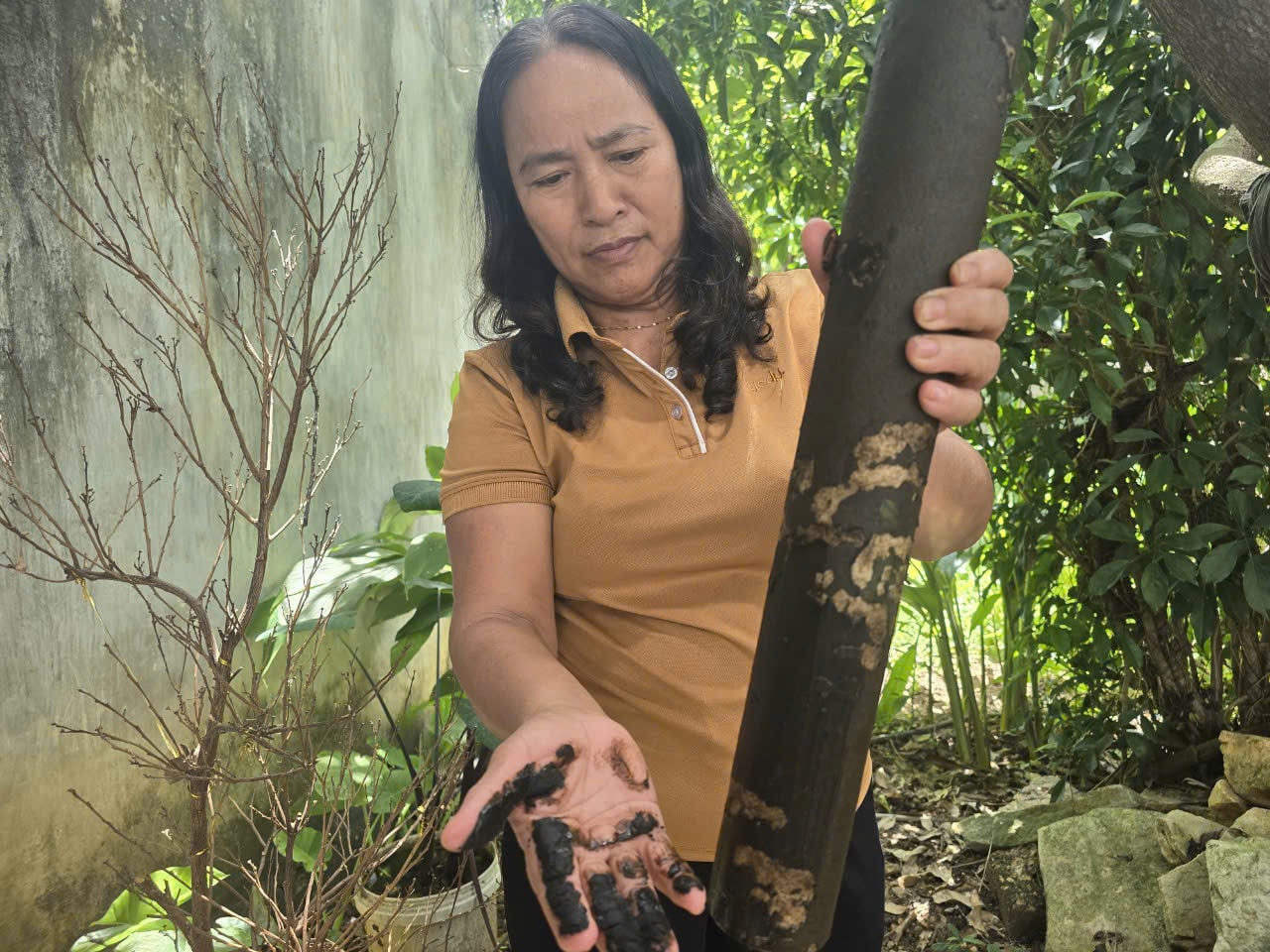
To protect local drinking water sources, the Department of Natural Resources and Environment requests the People's Committees of districts, cities, and towns to direct commune-level authorities to disseminate and widely publicize the 2023 Water Resources Law, Government Decree 53/2024/ND-CP dated May 16, 2024, Government Decree 54/2024/ND-CP dated May 16, 2024, and other relevant legal documents through mass media and other appropriate forms; focusing on disseminating and thoroughly explaining these regulations to organizations and individuals exploiting and using water resources in the area to ensure strict compliance with the law. Implement effectively Official Letter No. 6101/UBND.NN dated September 9, 2020, of the Provincial People's Committee on continuing to implement the water resource planning and related legal documents for organizations and individuals operating in the area to protect water sources.
At the same time, thoroughly collect all household waste generated along rivers, streams, canals, ditches, reservoirs, etc.; raise public awareness about environmental protection, proper waste disposal, and preventing the dumping of waste into upstream rivers and canals and areas where raw water is drawn for domestic water supply.
The Department of Natural Resources and Environment also proposed strengthening water quality inspections at the water intake points for water supply stations and domestic water treatment plants, strictly prohibiting organizations and individuals from discharging wastewater or bringing waste into the sanitary protection zone of domestic water intake areas as stipulated in Article 10 of Circular 03/2024/TT-BTNMT dated May 16, 2024, of the Ministry of Natural Resources and Environment; and recommended that competent authorities handle organizations and individuals whose violations seriously affect the water quality of rivers, streams, canals, ditches, and reservoirs.
Regarding the investors of water supply stations and domestic water treatment plants, the Department of Natural Resources and Environment requires them to regularly monitor and track the quality of domestic water sources and ensure the quality of the water they exploit. They must have a plan to exploit alternative water sources in case of pollution incidents affecting the domestic water source being exploited. Anyone who discovers acts that damage or pollute domestic water sources is responsible for preventing them and promptly reporting them to the competent State agency for handling.
According to a report from the Center for Resource and Environmental Monitoring, this monitoring round involved sampling at 16 raw water intake points. The results showed that only the water supply point in Thach Giam town (Tuong Duong district) had 100% of its parameters meeting the standards.


