
Promoting the cultural values of the Tho ethnic group in conjunction with tourism development in Quy Hop.
Over the past period, Quy Hop district has implemented many solutions to preserve and promote the cultural identity of the Tho ethnic group. This has contributed to honoring traditional values, encouraging the people to actively participate in labor and production, and making worthy contributions to the overall development of the district.
From unique traditional crafts...
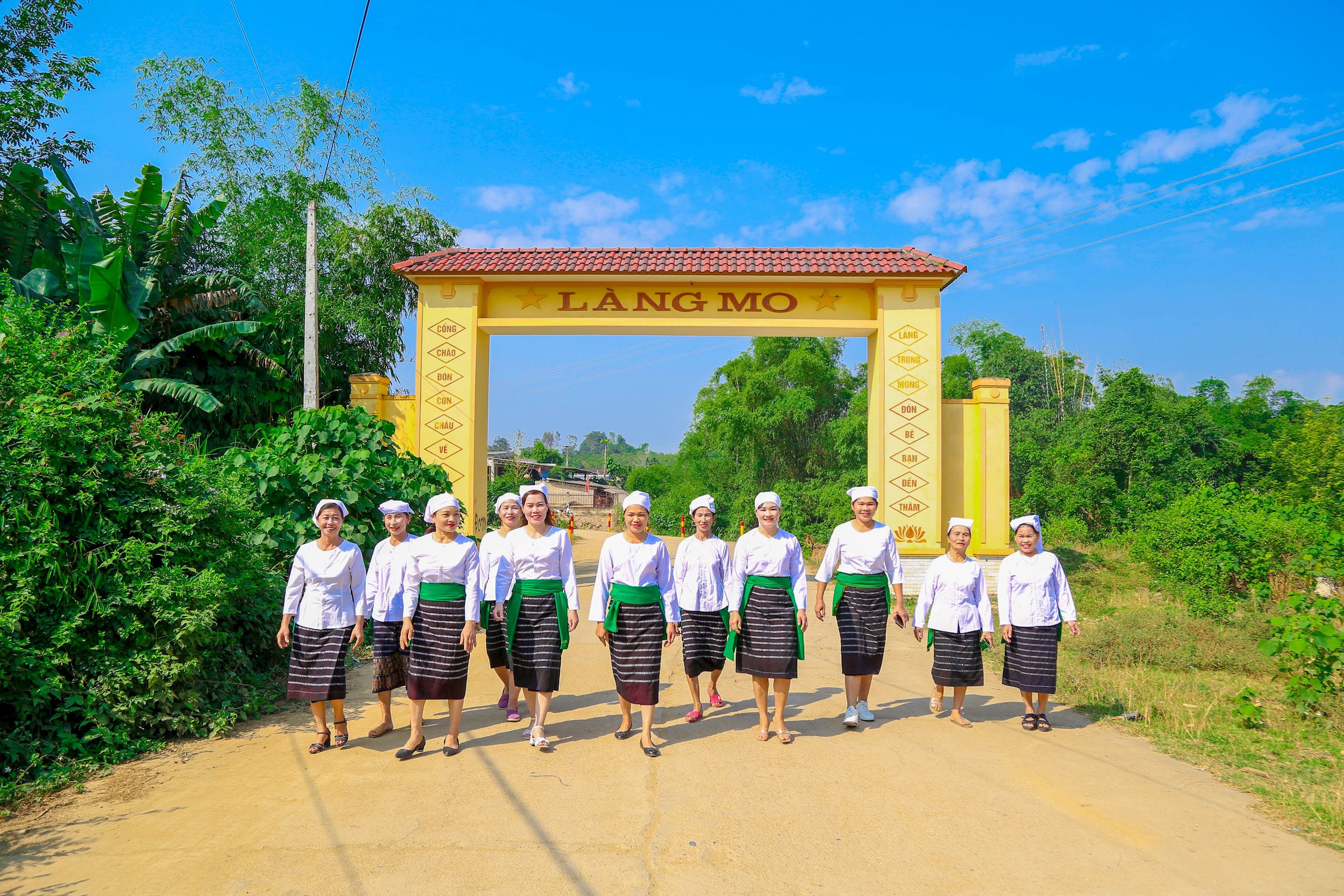
Speaking of the traditional crafts of ethnic minorities in western Nghe An, if the Thai people have traditional brocade weaving, the Mong people have blacksmithing, and the Khmu people have basket weaving, then the Tho people in Quy Hop have the traditional craft of weaving hemp hammocks.
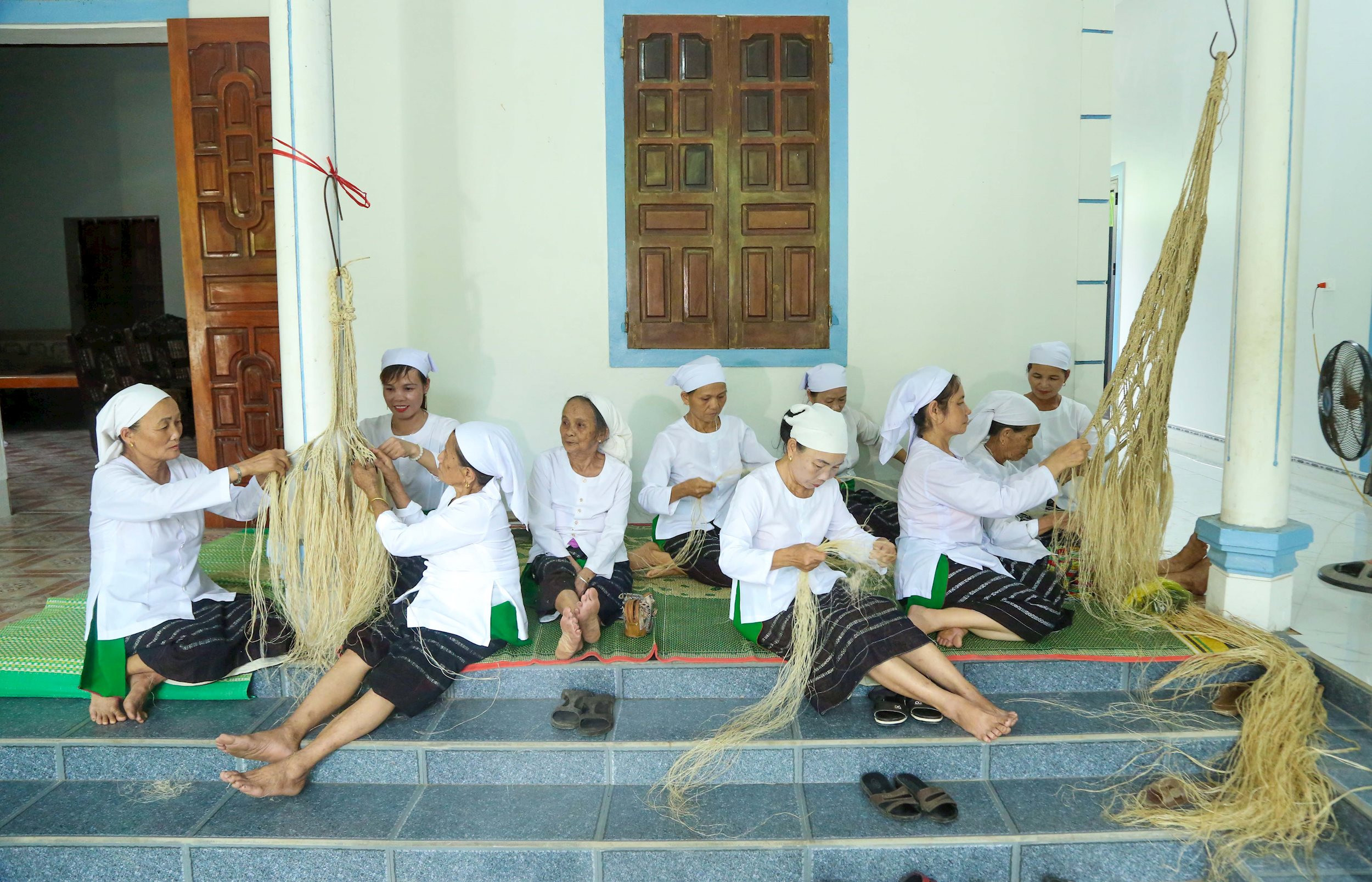
We visited Tho Hop commune and met elderly women who have dedicated their lives to weaving hemp hammocks. Our destination was the family of Mrs. Truong Thi Thong, where many people had gathered to weave hemp hammocks together.
Ms. Truong Thi Thong shared: “Weaving hemp hammocks has become a traditional craft, a beautiful cultural feature of the ethnic people here. During the agricultural off-season, the elders, grandmothers, and mothers gather together to weave hemp hammocks, chatting warmly in the village. The hammock weaving by the women in the village has contributed to making the Tho people's villages more lively, peaceful, and close-knit among families and clans in the Tho community.”
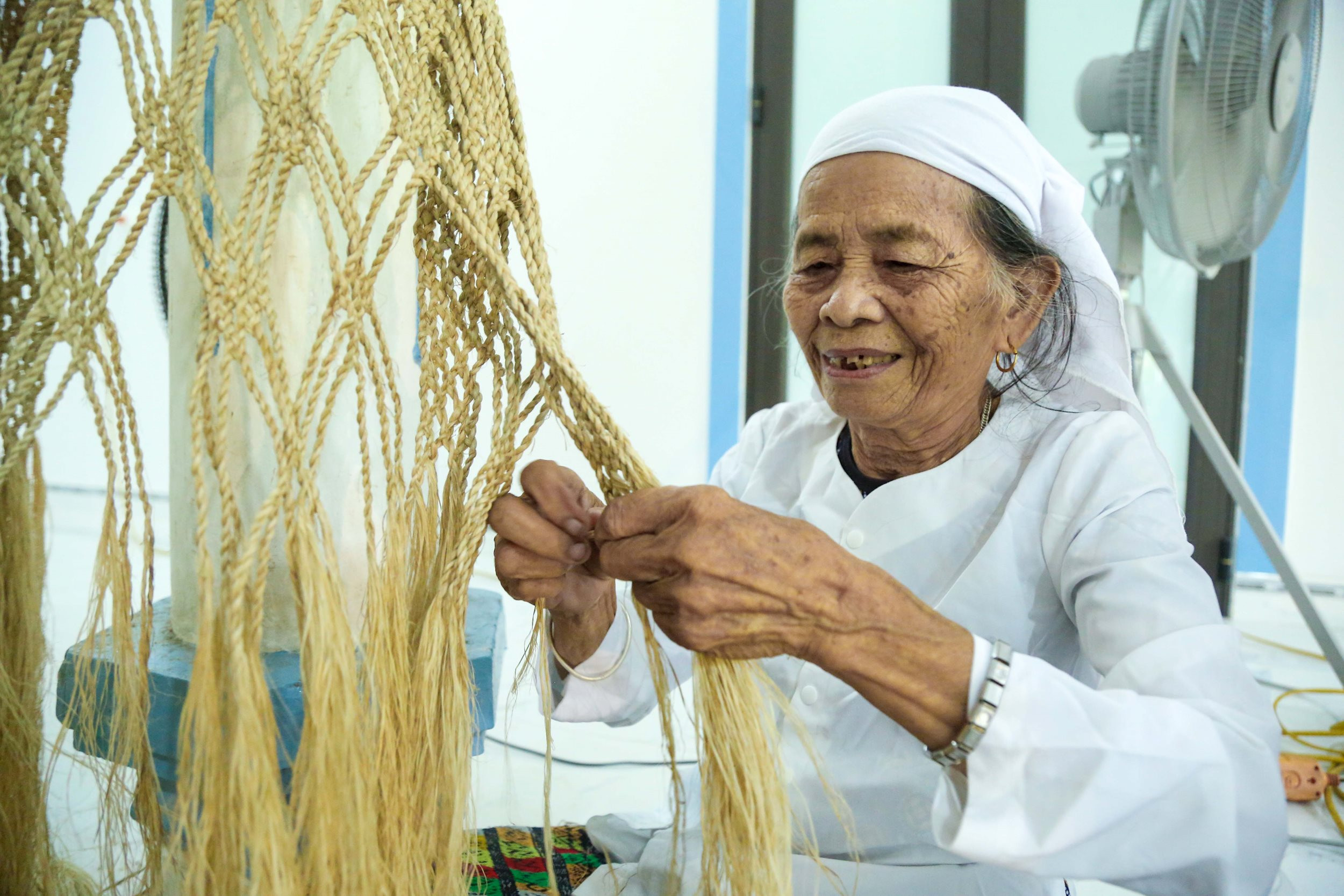
According to elderly people in Tho Hop commune (Quy Hop district), the Tho people used hemp fibers to weave nets to catch large and small animals, hammocks for sleeping, and other items. Today, they weave hammocks as a way of expressing their wish for a peaceful life for those who use them.
Hemp hammocks are known for their durability, lasting from 15 to 20 years; the more you use them, the smoother and cooler the hemp fibers become. Currently, the price of each hemp hammock ranges from 800,000 to 1.2 million VND. The craft of weaving hemp hammocks not only provides income for the local people but is also a valuable intangible cultural heritage of the Tho ethnic group.
.jpg)
In Quy Hop district, besides being impressed by the traditional craft of weaving hemp hammocks, visitors from all over can also discover many distinctive cultural features of the Tho ethnic group, including their traditional costumes, folk songs, folk dances, festivals, customs, and practices within their community culture.
In their daily lives and production activities, the Tho people still preserve and popularize many unique folk melodies, bearing the distinctive cultural imprint of their ethnic group, such as: the "Da Oi" melody; "Tang Khang Le"; "Khai Khai Re"; "Tap Tinh Tap Tang"; love songs; call-and-response songs... Or, in folk medicine, there are inherited remedies, treating people's illnesses with hundreds of types of herbs, plants, and forest leaves...
...To preserve and promote the cultural values of the Thổ people.
Quỳ Hợp is a mountainous district located in the Northwest of Nghe An province, home to three ethnic groups: Kinh (48% of the population), Thai (40% of the population), and Tho (12% of the population). The Tho ethnic group mainly lives in the communes of Ha Son, Nghia Xuan, Minh Hop, Tho Hop, Van Loi, Tam Hop, and the town of Quỳ Hợp.
Currently, the Tho ethnic people in Quy Hop district possess an extremely rich and diverse system of indigenous knowledge, typical examples being knowledge of folk songs and dances; knowledge of folk medicine and traditional handicrafts.
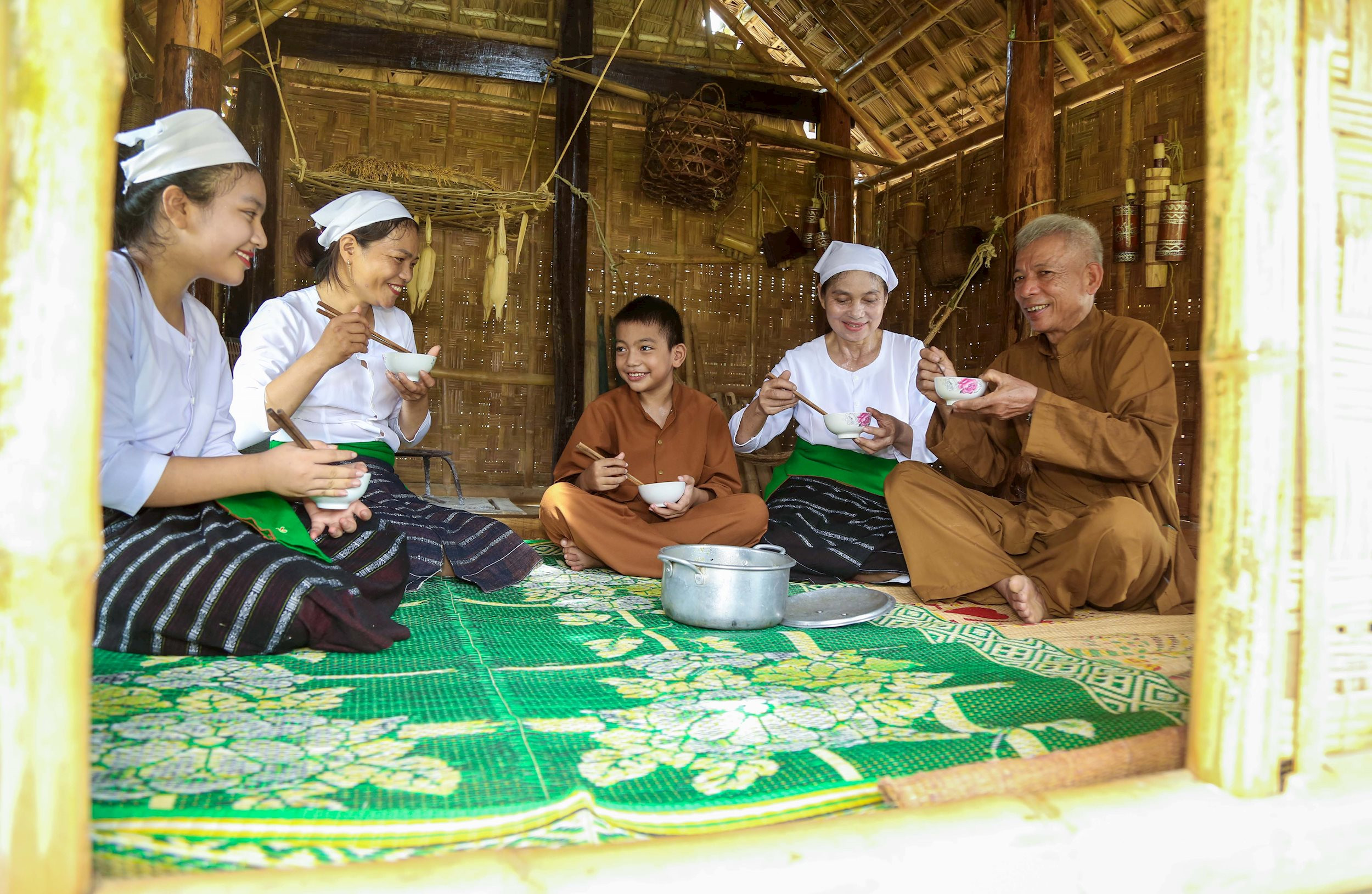
Currently, due to geographical characteristics and the interplay between modern life and traditional culture, the preservation and promotion of the traditional cultural values of the Tho ethnic group face some difficulties. Young people, when encountering the folk melodies of their own ethnic group, do not always perform them with the correct authentic style.
As for the traditional herbal medicine and the craft of weaving hemp hammocks, which have long been a beautiful cultural feature of the Tho people, the raw materials for production are gradually running out, and gathering medicinal herbs and leaves from the forest is becoming more difficult.
In response to this situation, Quy Hop district has implemented numerous policies and solutions to preserve the beautiful aspects of the Tho ethnic group's culture. Accordingly, the district focuses on extensive propaganda efforts among all segments of the population, especially young people, so that the people understand and are conscious of preserving and promoting their ethnic cultural identity.
In addition, the district has conducted surveys, reviews, and assessments of the current state of Tho culture in villages and hamlets in the area to develop specific preservation plans; and continues to preserve and promote the value of traditional costumes of the Tho ethnic group.
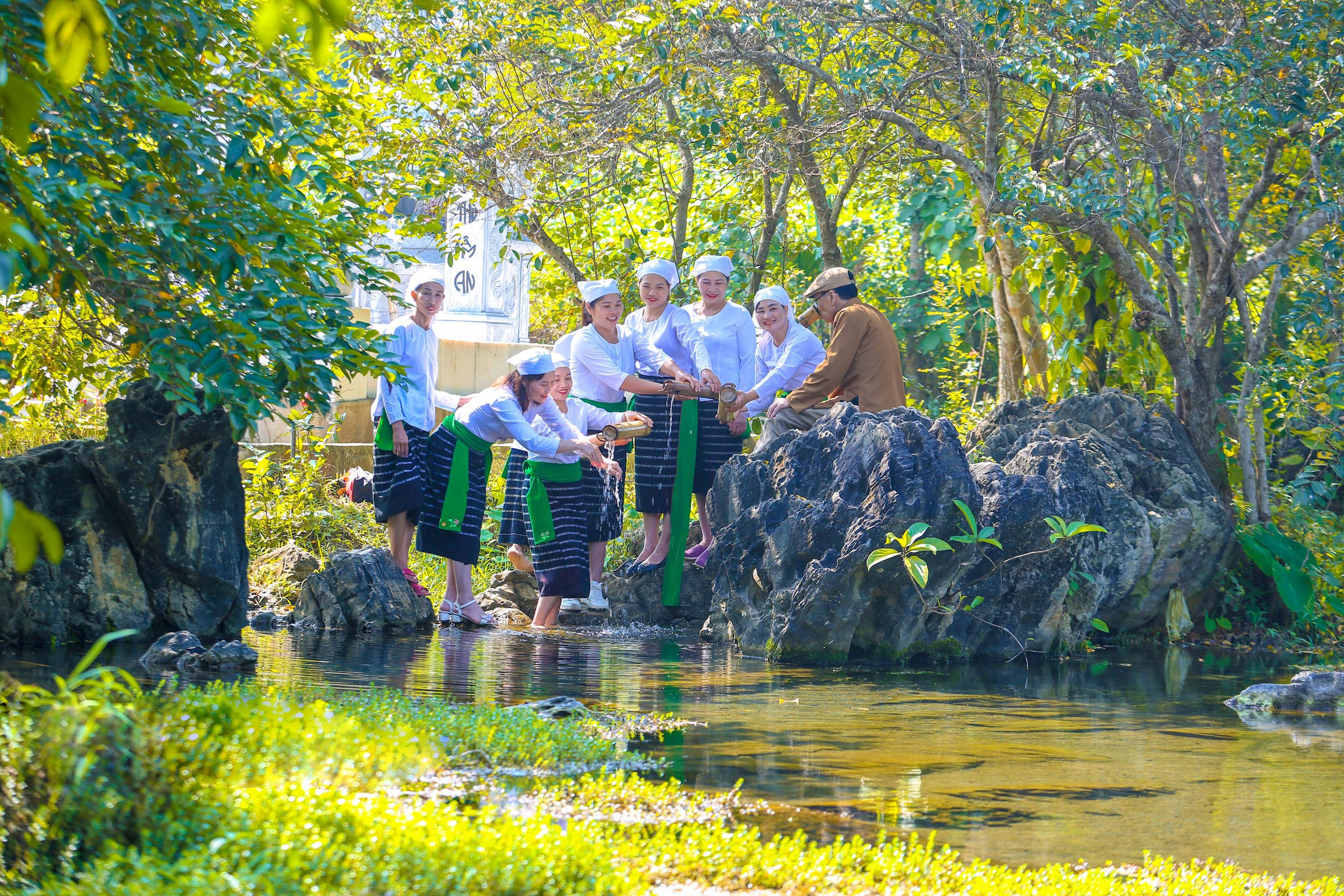
Regarding folk songs and dances, the District Department of Culture and Information has advised the District People's Committee to issue a Project on Preserving and Promoting the Cultural Values of Ethnic Minorities in the District, including the Tho ethnic group.
To date, the district has established 6 folk culture clubs for the Tho ethnic group, including 1 provincial-level club, 1 district-level club, and 4 commune-level clubs. Most clubs operate very effectively, collecting and developing membership, organizing performances and exchanges at local events or those organized by the district, province, region, or central government. A prime example is the Tho ethnic folk culture club in Dot Va hamlet, Nghia Xuan commune.
The district has the Bốc Mó Festival, rich in the cultural identity of the Thổ ethnic group, held in Mo Mới hamlet, Nghĩa Xuân commune. In particular, Quỳ Hợp district's blend of Thái and Thổ ethnic cultures creates unique cultural characteristics, making it an attractive destination for tourists seeking to experience traditional culture.
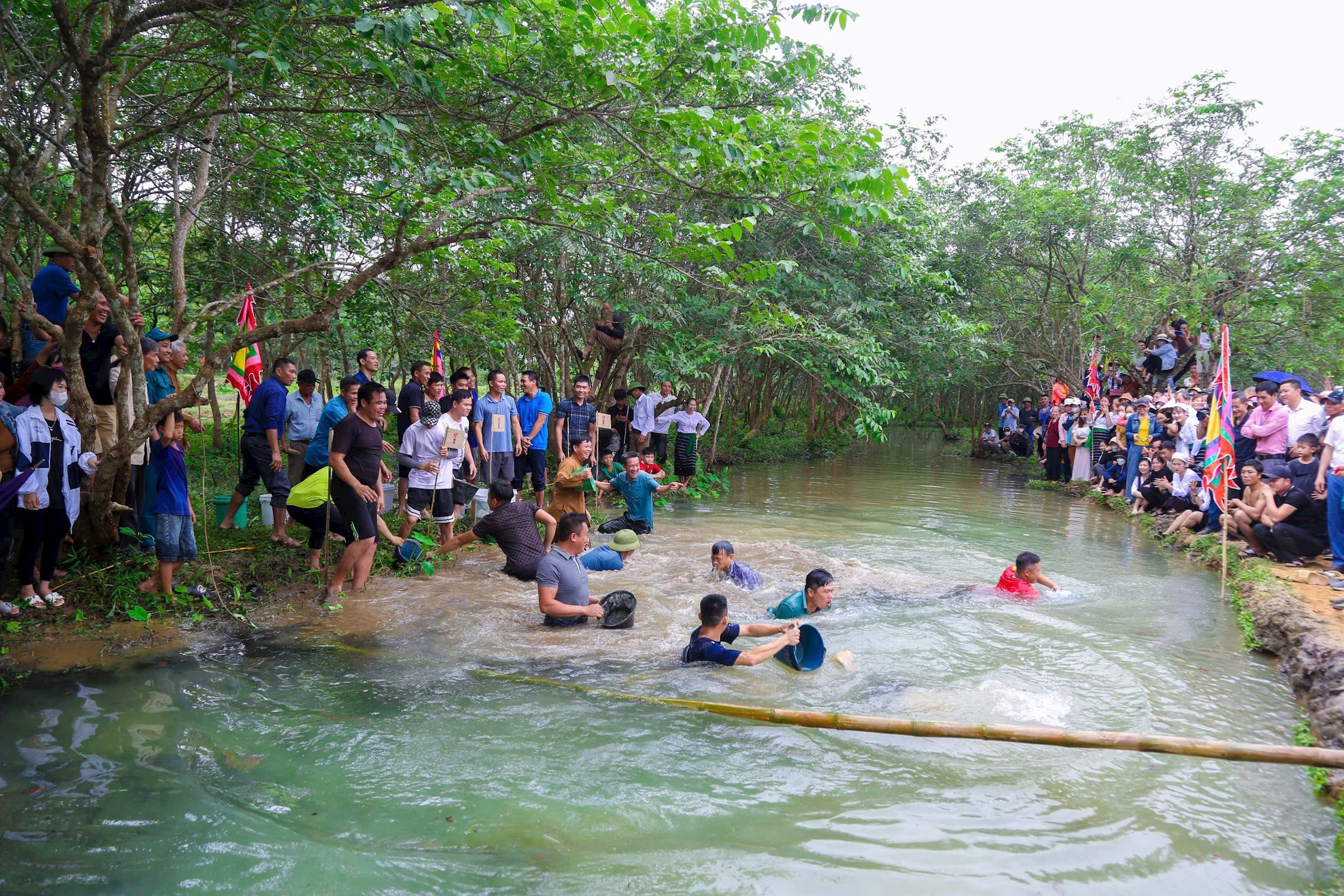
Mr. Hoang Van Thai, Vice Chairman of the Quy Hop District People's Committee, said: "To preserve and promote the traditional cultural values of ethnic minorities in conjunction with tourism development in Quy Hop district, in the coming time, the district will include in the land use planning historical, cultural, and scenic sites associated with the living environment of ethnic minorities."
To preserve and promote the folk cultural values of the Tho ethnic group, such as traditional medicine and intangible cultural values, it is necessary to involve scientists and researchers to safeguard the unique cultural values of the Tho people; to continue reviewing the number of people possessing the cultural knowledge of the Tho ethnic group, such as traditional healers, artisans, and collectors of folk songs, folk dances, and the craft of weaving hemp hammocks, in order to develop a strategic plan for preserving, promoting, developing, and finding markets for the traditional products of the Tho people; to focus policy resources and promptly commend and reward collectives and individuals who have contributed to the preservation and development of folk knowledge and traditional culture of the Tho ethnic people... Through this, we can gradually research and develop community tourism destinations in the Tho ethnic region of Quy Hop.


