Vietnamese
Vietnamese
English
French
Русский
Listen to An News
Nghe An Daily
Nghe An Weekend
Log in
Nghe An Newspaper:
Nghe An Television:
Latest
Current Affairs
Forum
Human Resources
New policy
Party building
Protecting the ideological foundation
Putting the resolution into practice.
Economy
Industrial
Agriculture
Market
Real estate
Car
International
Comment
News
Society
Bridge of Compassion
Religion - Beliefs
Culture
National Defense
Tourism
Poetry - Stories
Education
Law
Security and Order
Advise
Case file
Sport
SLNA
Domestic
Nghe An Newspaper and Radio Cup
International
Business networking
Classified ads
Health
Advise
Medicine & Nutrition
Health & Beauty
News
Labor
Job
Entertainment
Showbiz
Short Video
Reflection
Digital transformation
Technology
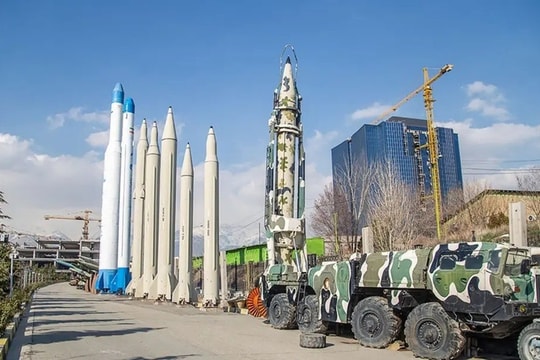
missile city
News updates related to the missile city.
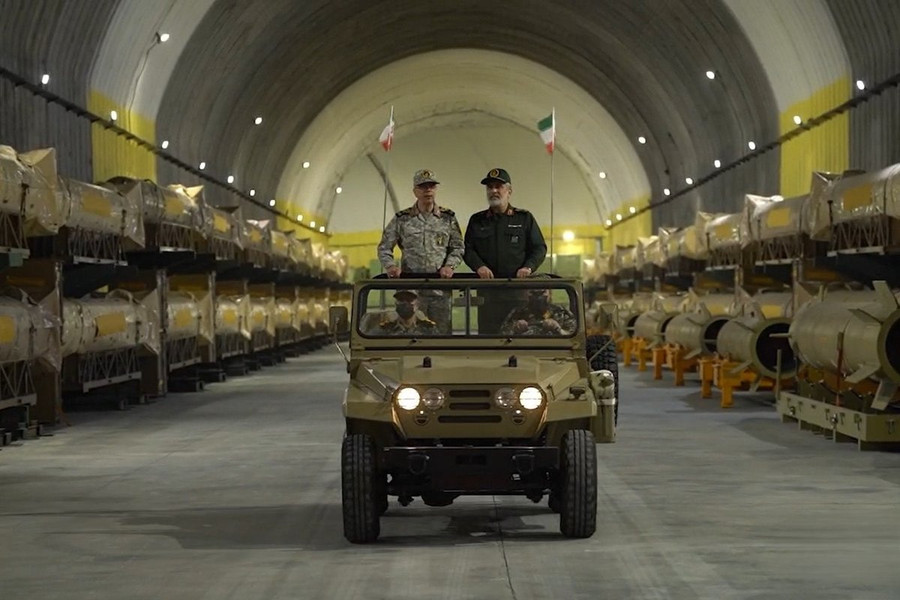
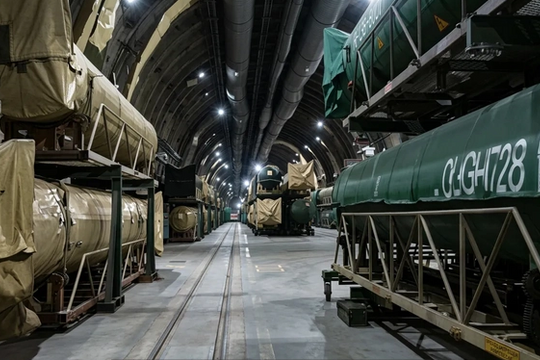
Missile city technology and survival tactics of Iran's missile forces.
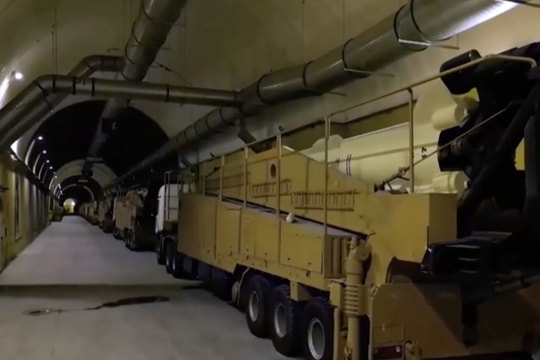
Iran protects its ballistic missile stockpiles with a network of underground bases up to 500 meters deep, mobile launch platforms, and deception systems, creating a difficult challenge for precision weapons.
Technology
Iran restores its network of underground missile cities after airstrikes.
Iran is working to clear the entrances to its destroyed missile silos in an effort to restore its combat capability, despite attacks from the US and Israel.
The 'underground missile city' strategy helps Iran maintain its deterrence capability.
A network of nearly 30 missile systems located up to 500 meters deep within the Zagros Mountains helps the Iranian military preserve its forces and maintain its ability to retaliate against airstrikes.
Iran's Underground Missile City Strategy: Deterrence Capabilities and Technological Challenges
Explore Iran's network of missile bases located 100 meters underground, their role in asymmetrical military doctrine, and their survivability against airstrikes.
The US used BLU-91/B mines to neutralize Iran's underground missile cities.
Instead of using armor-piercing bombs, the US military deployed the BLU-91/B anti-tank mine system to seal off tunnel entrances, preventing Iran from deploying missiles.
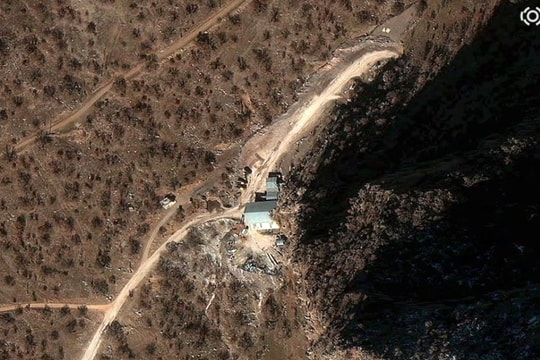
The US and Israel neutralized 77% of the entry points to Iran's underground missile base system.
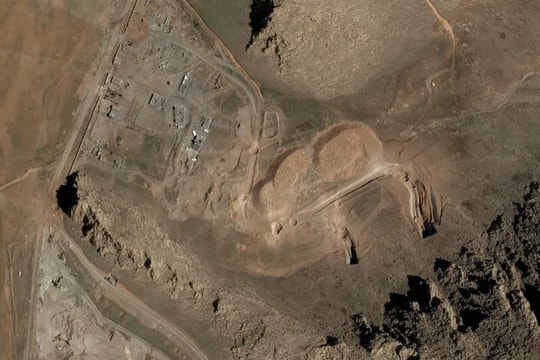
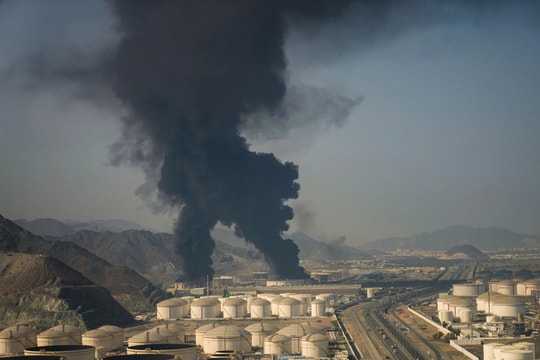
Satellite data shows that the airstrikes hit a series of 'missile cities' nestled within Iran's mountains, reducing Tehran's missile launch capabilities by more than 90%.
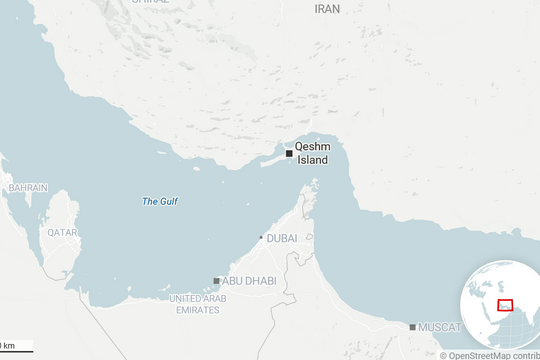
Iran's underwater fortress strategy on Qeshm Island, which guards the Strait of Hormuz.
Qeshm Island serves as a military lifeline for Iran, with its underground 'missile city' system poised to control the world's most vital energy route.
The US deployed B-1 and B-52 bombers to attack Iran's underwater missile network.
March 17, 2026 11:31
The US military has deployed B-1 Lancer and B-52 Stratofortress strategic bombers to destroy Iran's underground 'missile cities'.
Iran reveals weapons cache in underground 'missile city' and suicide drone tactics.
March 14, 2026 19:01
Iranian media have released images of a network of underground bases containing naval UAVs, anti-ship missiles, and strategic mines aimed at controlling key shipping lanes.
Iran's missile city: Underground tunnel strategy faces challenges from the US and Israel.
March 9, 2026 09:33
The airstrikes, focused on entry points and launch systems, threaten to turn Iran's massive ballistic missile arsenal into underground choke points.
Iran's five-layered strategy protects its ballistic missile stockpile from attacks.
March 5, 2026 12:36
Iran has deployed a multi-layered defense system, ranging from underground 'missile cities' to sophisticated decoy networks, to preserve its strategic deterrence capabilities.
See more
POWERED BY
FREE
CMS
- A PRODUCT OF
NEKO
×
Log in
Log in with Google