
Why is bank credit growth so low?
(Baonghean.vn) - From the end of 2022 until now, the domestic economy has faced many difficulties, resulting in very low credit growth. To increase capital absorption capacity and improve the health of the economy, a comprehensive set of solutions is needed…
Many factors affect credit growth.
Although banks were in a position to increase lending in the early months of the year due to abundant system liquidity and not being limited by credit growth targets, overall system credit growth remained low compared to the same period in previous years.
As of June 30, 2023, credit across the entire economy increased by 4.73% compared to the beginning of the year, lower than the same period last year (the first six months of 2022 saw a 9.35% increase). In Nghe An, credit reached VND 278,706 billion, increasing by only 2.7% compared to the end of 2022 (the increase in the same period of 2022 was 7.5%), lower than the national average of 4.73%. Notably, credit for real estate consumption decreased by 0.4% in the first five months of 2023, while it increased by as much as 9.5% in the same period last year.
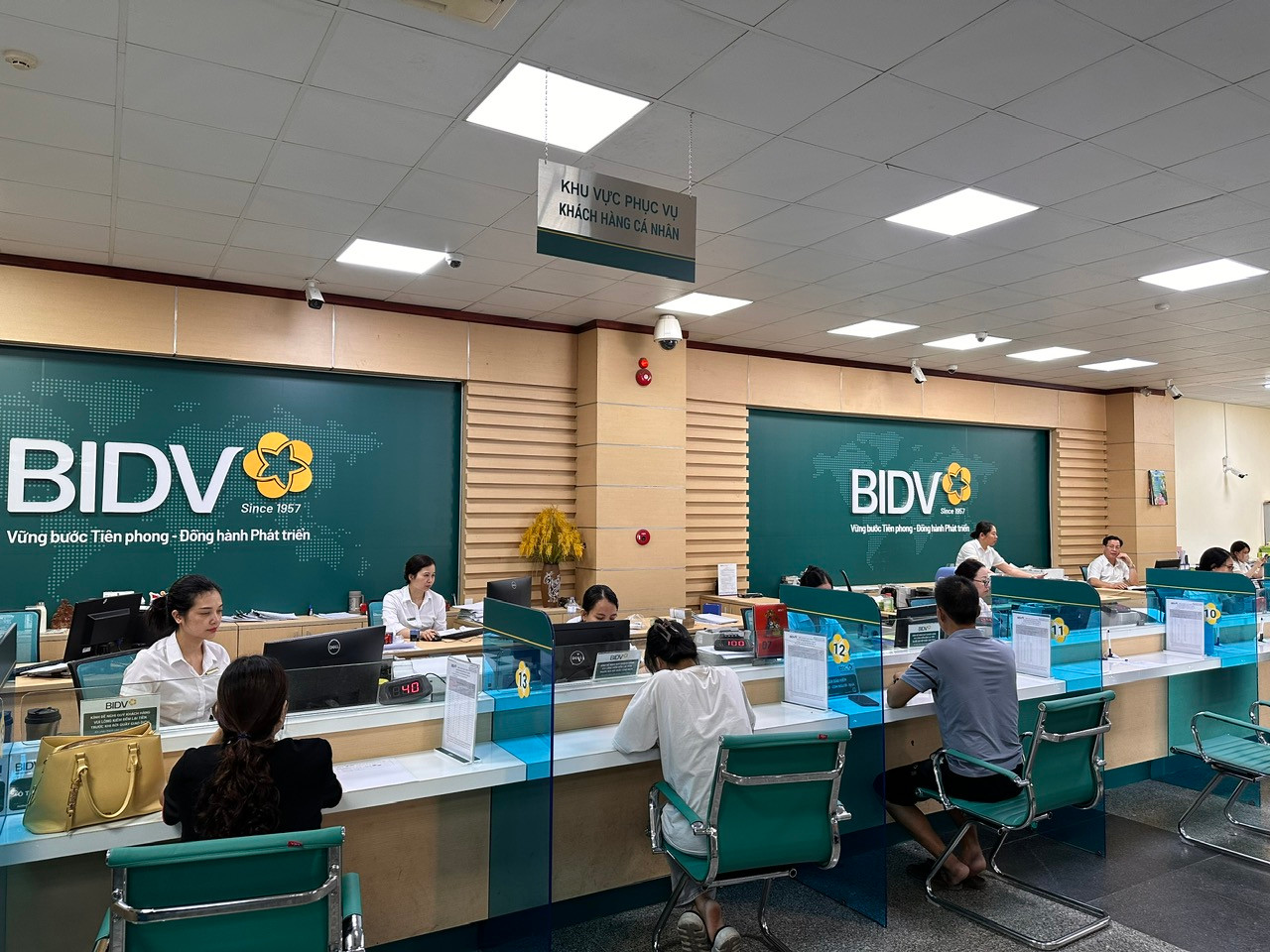
Amid declining demand for loans, the State Bank of Vietnam and commercial banks have implemented various measures to reduce lending interest rates and stimulate credit demand.
At BIDV Bank's Nghe An branch, in addition to repeatedly reducing interest rates for new loans, they have also reduced interest rates for existing loans, especially for medium- and long-term projects. This has helped customers reduce costs.
Ms. Le Thi Mong Ly, Deputy Director of BIDV Bank's Nghe An branch, said: In the first six months of the year, the branch's outstanding loans increased by 6%, with the corporate customer segment experiencing a larger increase than the individual customer segment. This is due to the fact that in the second quarter, many businesses increased their loan sales, boosted production and business activities, and accelerated project progress.
One positive aspect this quarter is that customers received significant support from banks through interest rate reductions; for customers facing difficulties due to delayed or unavailable repayment of overdue debts, banks restructured their debts and maintained their current debt classification, preventing them from being reclassified as bad debt. However, the number of individual customers has not increased significantly, with many temporarily paying off their debts and refraining from borrowing again due to the difficult market conditions.
However, not many banks have achieved such positive growth results. The current economic situation is facing many difficulties, investment demand has decreased, and the capital absorption capacity of businesses and the economy has declined, leading to a sharp drop in credit demand. Explaining the reason for the credit decline, a representative of the State Bank of Vietnam's Nghe An branch said: Some groups of small and medium-sized enterprises and real estate customers have a need for loans but do not yet meet the loan conditions or are still facing legal procedural obstacles.

For small and medium-sized enterprises (SMEs), the characteristics include limited capital, equity, financial capacity, and management skills; a lack of viable business plans; and a lack of transparency regarding financial information. Meanwhile, the implementation of solutions to increase access to credit through state support mechanisms (Credit Guarantee Fund for SMEs, SME Development Fund, etc.) has not been effective.
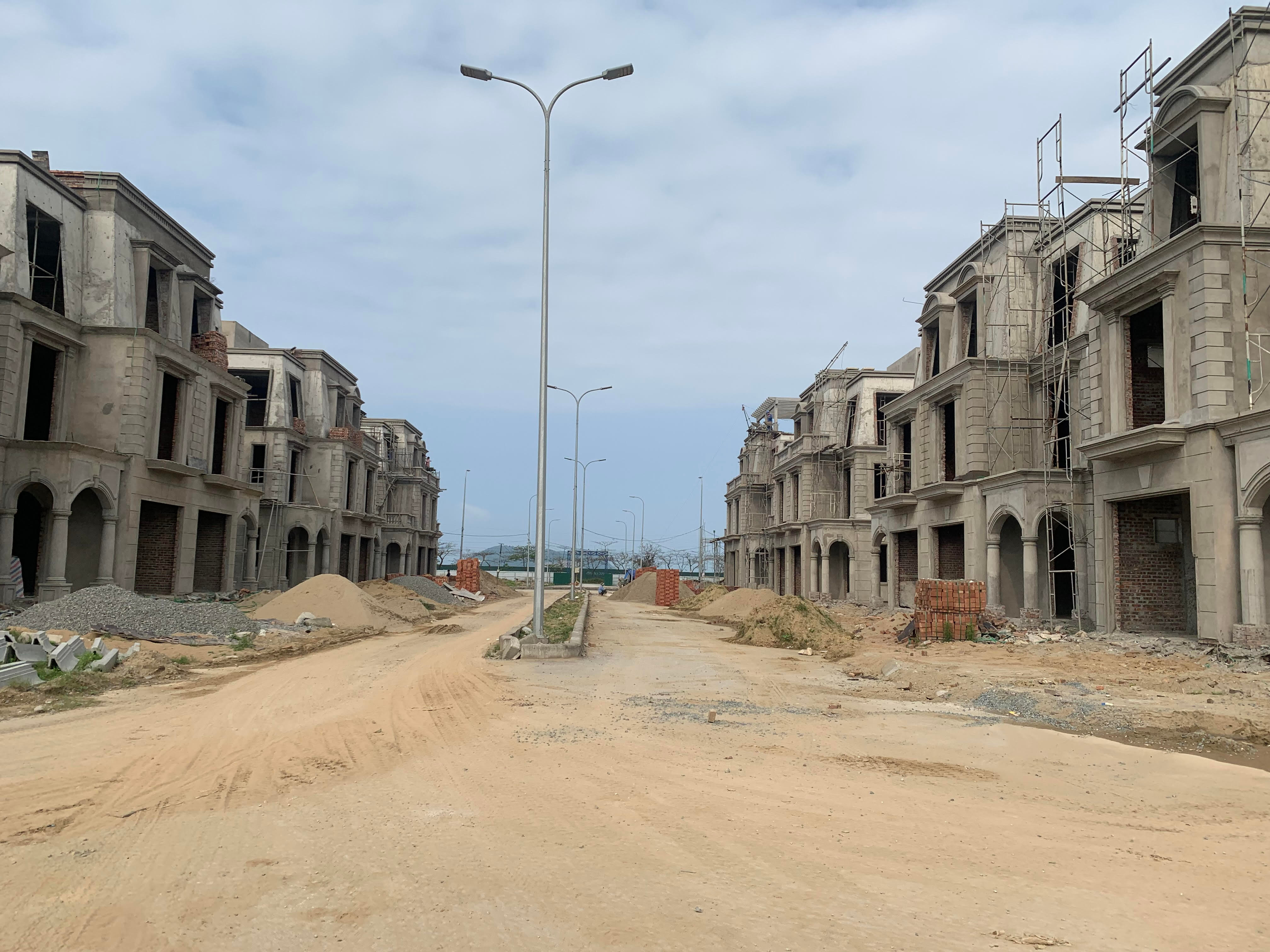
For the real estate sector, the current market continues to face difficulties, impacting overall credit growth. If legal obstacles remain unresolved, credit institutions lack the basis to continue disbursing funds according to committed schedules. Furthermore, many real estate companies have high financial leverage ratios and poor financial health, leading credit institutions to carefully consider their loan applications during the appraisal process.
Furthermore, a bank credit officer stated that, after a long period of economic hardship, the risk level of customers has been assessed as higher, especially since it is difficult for businesses to demonstrate their effectiveness in the current context.
Solutions are needed to increase capital absorption capacity.
According to the General Statistics Office, the province's gross domestic product (GDP) growth rate in the first six months of 2023 was estimated at 5.79%, falling short of the target and lower than the same period in 2022. Production and business activities faced many difficulties, especially in the industrial sector and some types of services such as restaurants and karaoke; the export market narrowed, and many businesses experienced downsizing and a lack of orders. These developments suggest that improving foreign demand for Vietnamese export goods may not happen soon and will require more time.

The number of newly established businesses and registered capital decreased; the number of businesses dissolved or temporarily suspended operations increased compared to the same period in 2022... The industrial production index was low and showed a tendency to slow down. Some key industrial products decreased compared to the same period; the operation of many factories in the fields of garment manufacturing, yarn production, footwear, phone components, wood products, mining and mineral processing, canned fish production... only reached about 50-70% capacity, and some even had to temporarily suspend operations.
Given the above situation, to improve the health of the province's economy and thereby facilitate the easier and more effective absorption of credit capital, in the coming period, strong involvement from all levels and sectors is needed in the decisive and effective implementation of the socio-economic recovery and development program; promoting growth in various sectors and fields to achieve the highest possible results in the set goals and plans. All sectors and levels should proactively and thoroughly review and understand the production and business activities in their respective sectors, fields, and localities to promptly identify and resolve difficulties and obstacles, especially regarding procedures, mechanisms, and policies to support businesses and people; identifying this as one of the key tasks of each sector and locality; and focusing on promptly and effectively addressing and resolving outstanding and long-standing issues.
Since the beginning of the year, the State Bank of Vietnam has lowered interest rates four times, by 0.5%-2%, creating favorable conditions for credit institutions to lower the average VND lending interest rate to approximately 8.9%/year (a decrease of 1.0%/year compared to the end of 2022), and the trend is expected to decrease further in the future.
To help businesses quickly recover and develop, and to achieve the credit growth target set for this year, Ms. Nguyen Thi Thu Thu - Director of the State Bank of Vietnam's Nghe An branch, said: Currently, the branch is directing credit institutions to review procedures and documents to increase access to credit; and continues to direct the reduction of lending interest rates. For existing outstanding loans, due to customers facing difficulties in repayment, the State Bank of Vietnam has issued Circular 02 allowing for debt restructuring while maintaining the same loan classification. We will continue to aggressively implement this policy to support existing outstanding loans to businesses (to date, loan restructuring has been implemented for 110 customers and is continuing). For new outstanding loans, banks will actively provide loans if they meet the eligibility criteria.
Regarding the 120,000 billion VND social housing loan package, the State Bank of Vietnam branch is currently actively working closely with the Department of Construction (the lead agency for advice) and the Provincial People's Committee to compile a list of social housing projects, worker housing projects, and apartment building renovation and reconstruction projects in need of loans in the area. This list will then be forwarded to commercial banks for timely access, appraisal, and credit granting.
In addition, attention should be paid to solutions from other agencies, ministries, and sectors, such as addressing the output for businesses through trade promotion, exploiting the domestic market, improving access to credit through guarantees for small and medium-sized enterprises; and promoting public investment to have a ripple effect on other production and business activities.
In the real estate market, currently, individual real estate investors and homebuyers are not yet ready to invest, resulting in low credit availability. Therefore, removing legal obstacles and adjusting house and real estate prices are among the solutions to stimulate consumer demand and investment in the real estate sector.


