
A close-up look at life on Hua Na Lake
(Baonghean.vn) - The Hua Na hydroelectric reservoir (Que Phong district), in addition to providing hydropower, also contributes to the livelihoods of local people. On the vast expanse of water, the lives of the residents unfold quietly and peacefully, with hardships and toil, but also with much enjoyment.
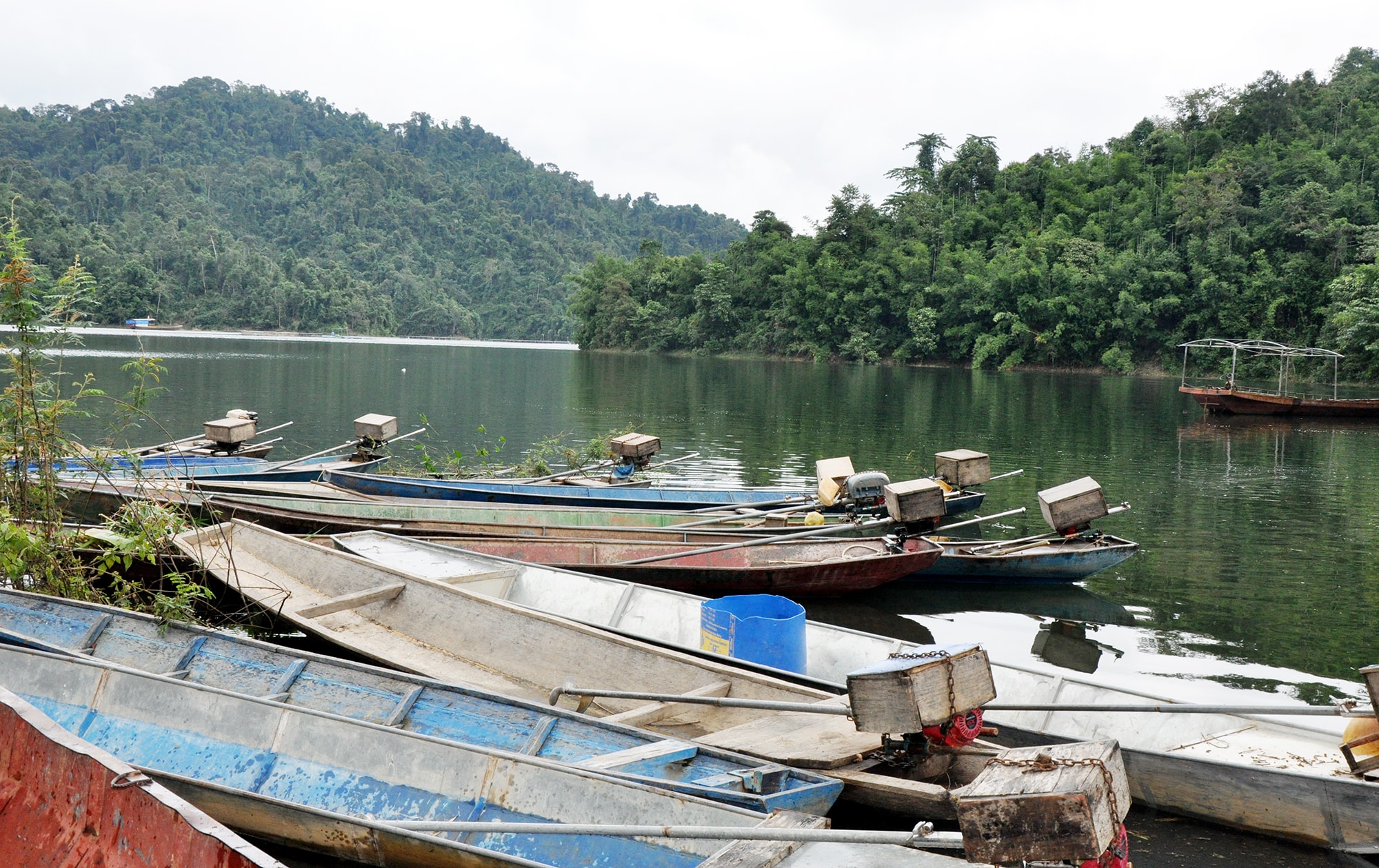 |
| The Hua Na hydroelectric reservoir covers an area of over 21 square kilometers, stretching across the communes of Dong Van and Thong Thu (Que Phong district), and is used to store water for the Hua Na hydroelectric project. The vast surface of the lake provides favorable conditions for the development of waterway transportation and aquaculture, contributing to the livelihoods of local people. Photo: Cong Kien |
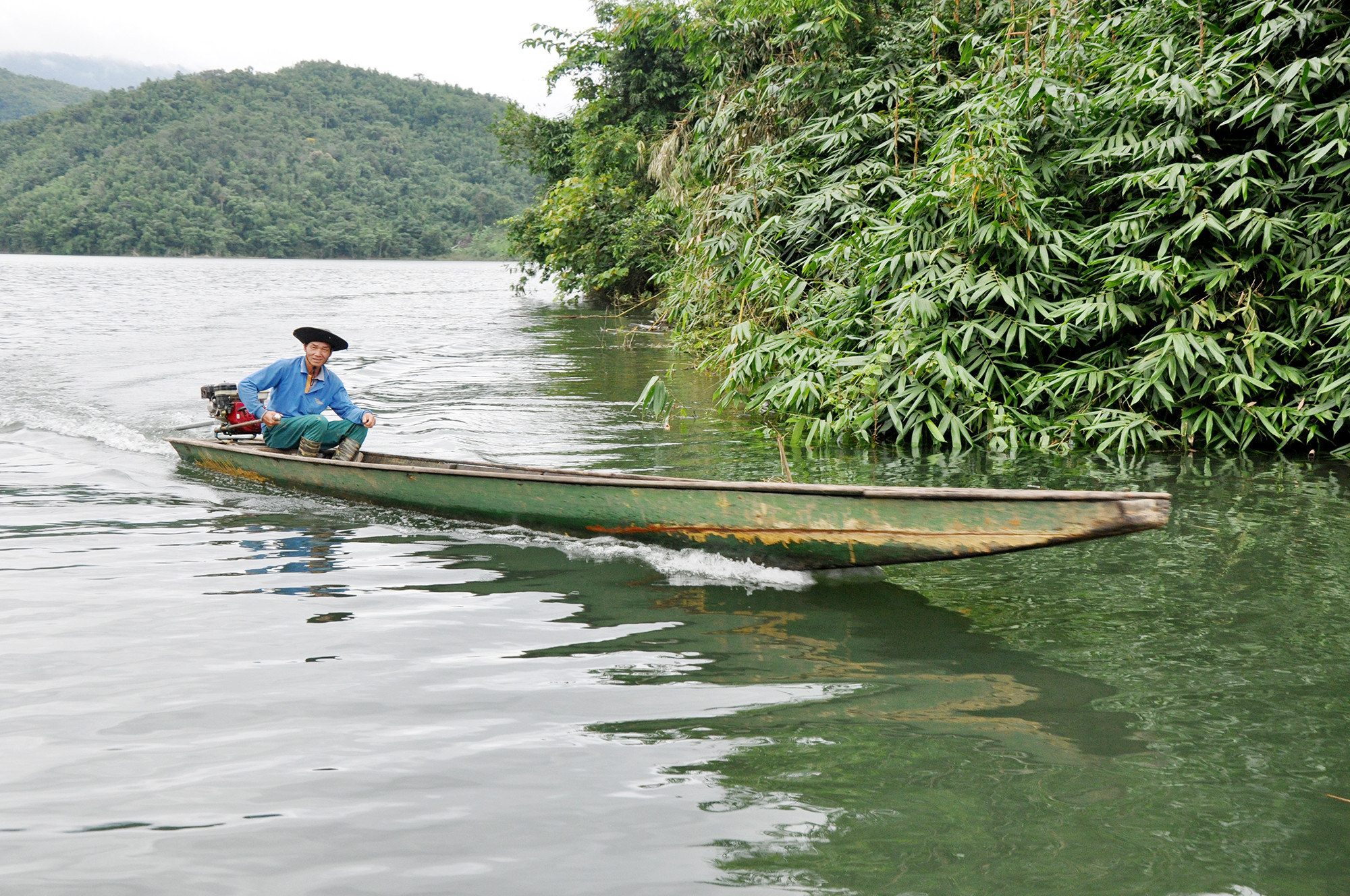 |
| While traveling along Hua Na Lake, one can easily spot small motorboats used by local residents. These boats are used for transportation to farming areas, fish farming, or fishing in the middle of the lake. Photo: Cong Kien |
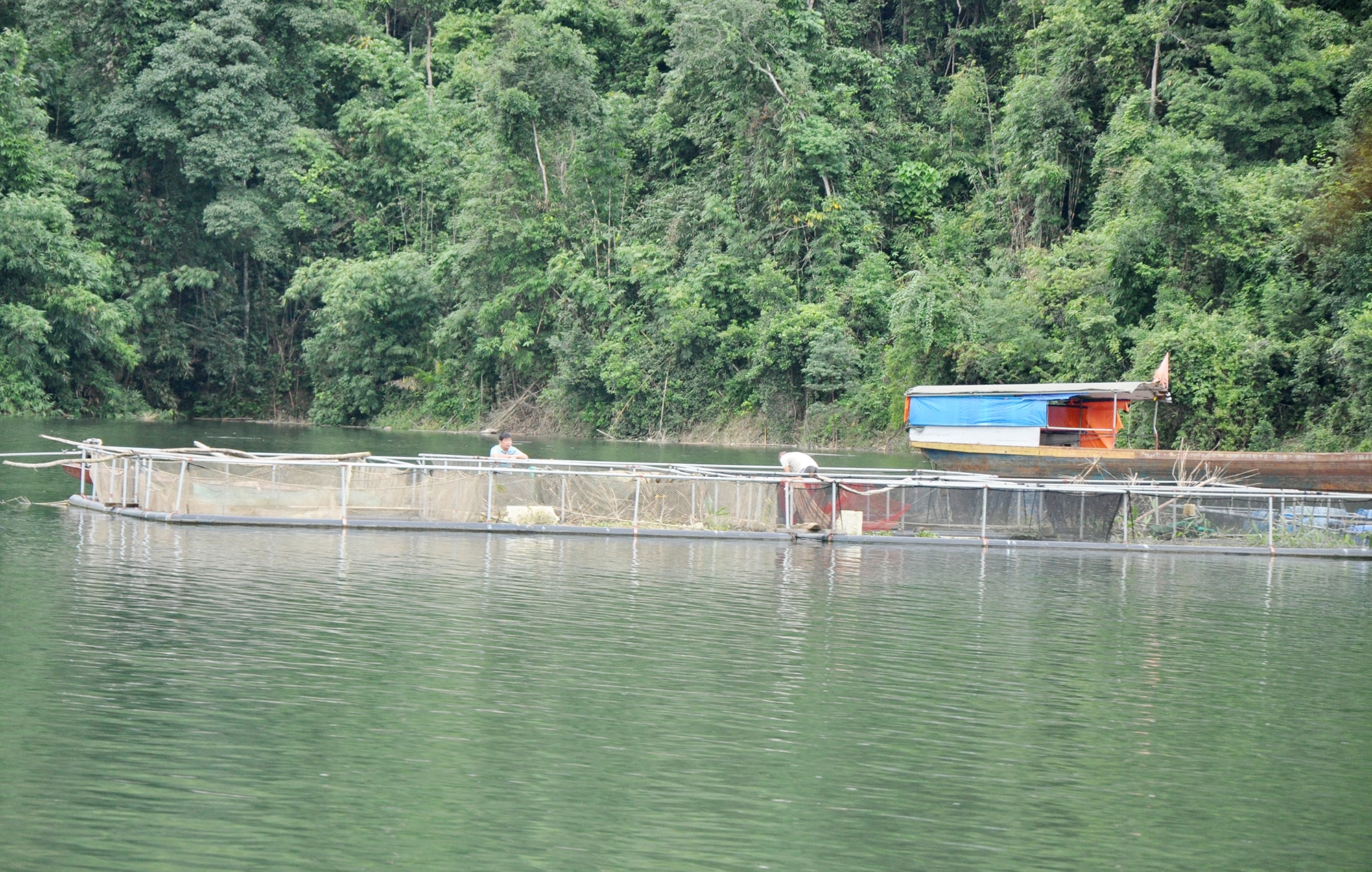 |
| The vast water surface area provides ideal conditions for developing cage fish farming. Many households in Dong Van and Thong Thu communes have boldly invested in cage fish farming for a stable income. Currently, there are about 120 households participating in cage fish farming in the middle of Hua Na Lake with a total of more than 600 fish cages, supplying food needs for people in and outside the district. Photo: Cong Kien |
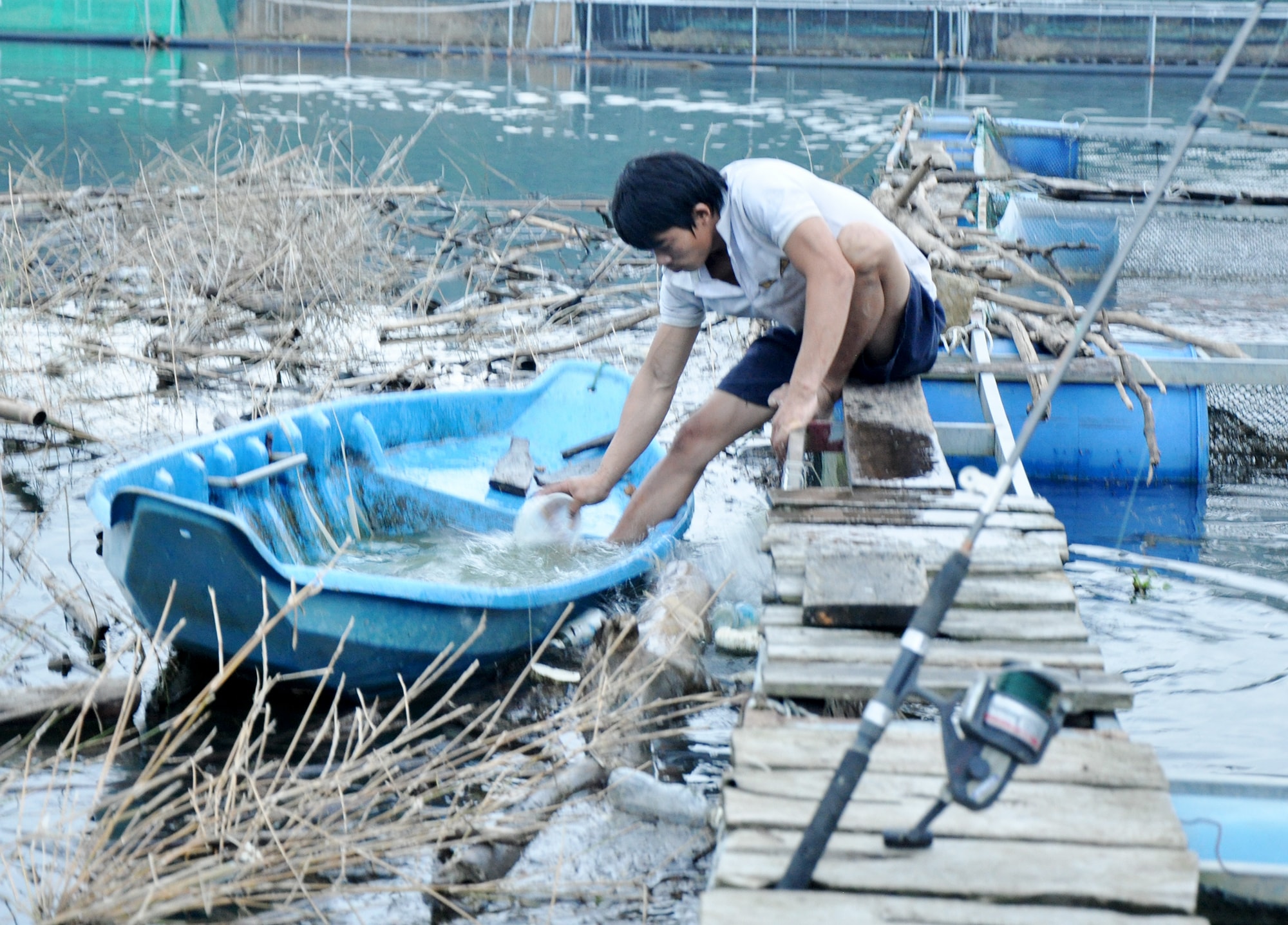 |
| The fish farmers in the middle of Hua Na Lake spend almost the entire year connected to the water, rarely returning home. They stay to monitor the water level, protect their family's fish cages, find food for the fish, and collect floating waste around the farming area. Photo: Cong Kien |
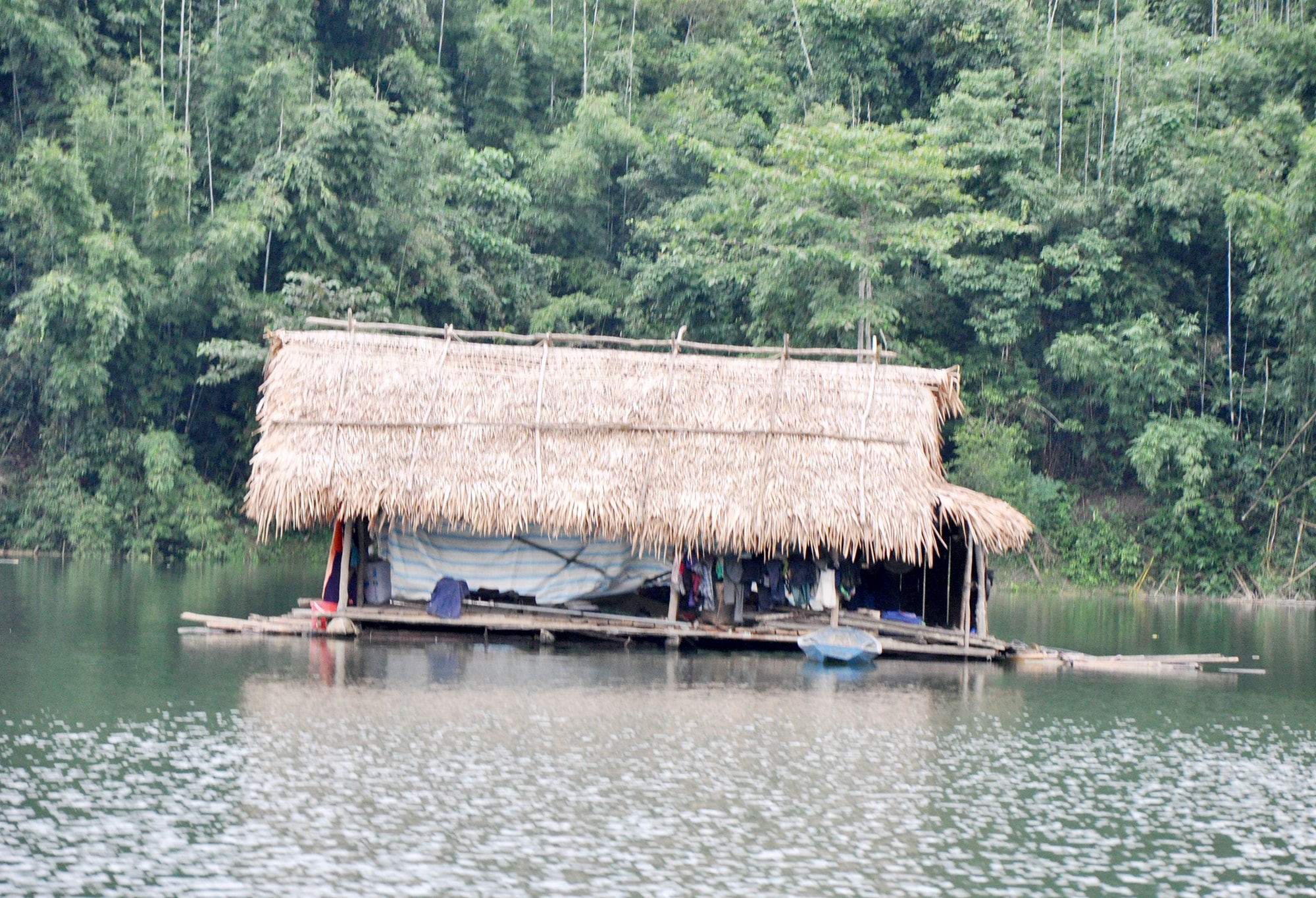 |
| Each family typically raises 5-7 fish cages, with some even having dozens. These fish cages are their assets and source of livelihood, so families often build floating houses on the lake to care for and guard the cages. Without electricity, the owners rely mainly on battery power for lighting, and there is virtually no cell phone signal. (Photo: Cong Kien) |
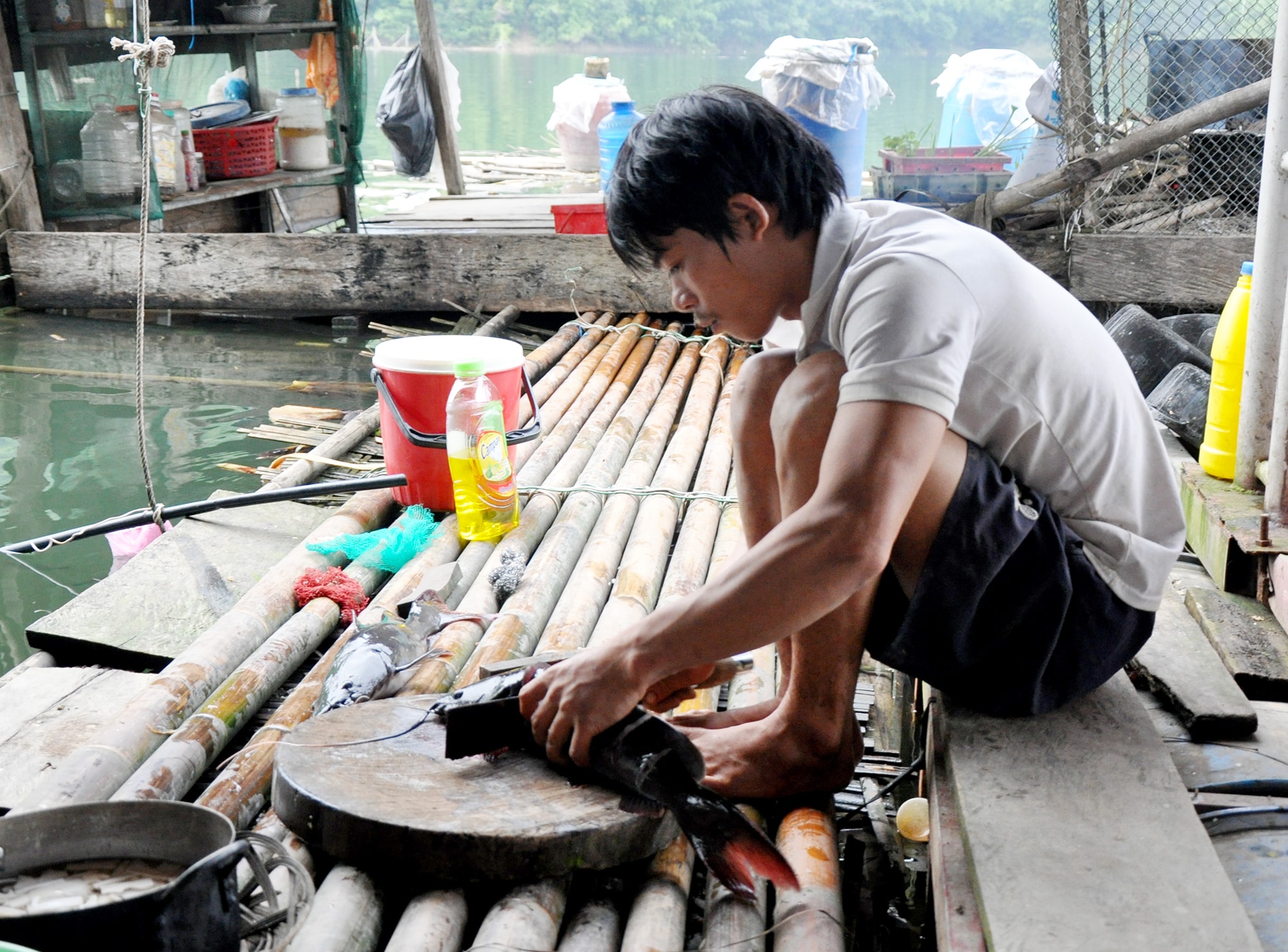 |
| Living in isolation from the outside world, the daily food of the residents of Hua Na Lake mainly consists of freshwater fish. These fish are usually caught by casting nets, fishing with hooks, and sometimes by catching them in cages. Life is almost self-sufficient, with little worry about food, water, or firewood shortages. (Photo: Cong Kien) |
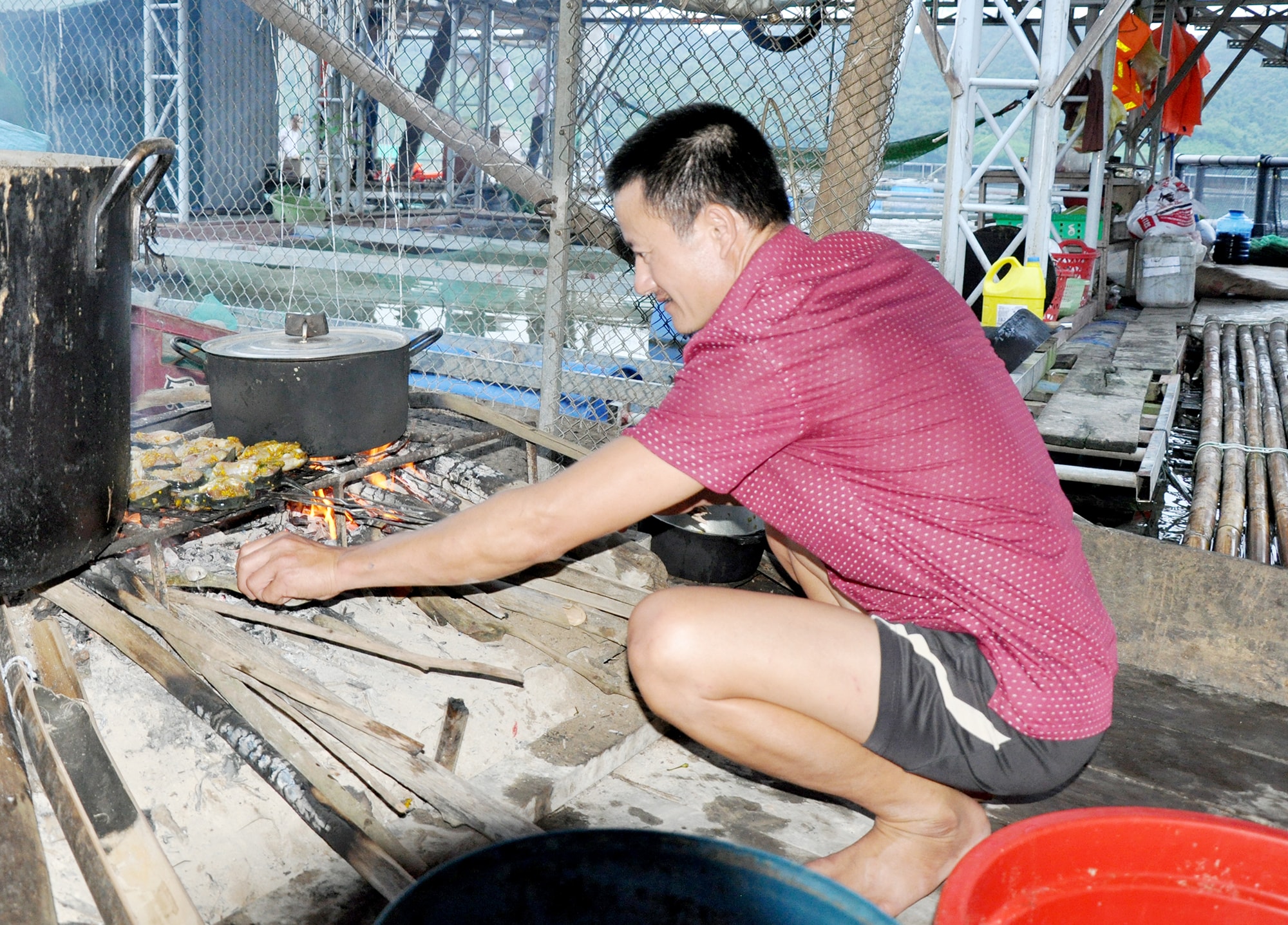 |
| With fish and firewood readily available, residents of Hua Na Lake often grill fish in advance and hang it over the stove so that whenever guests or friends pass by, they can take it out and grill it again to enjoy with wine. Photo: Cong Kien |
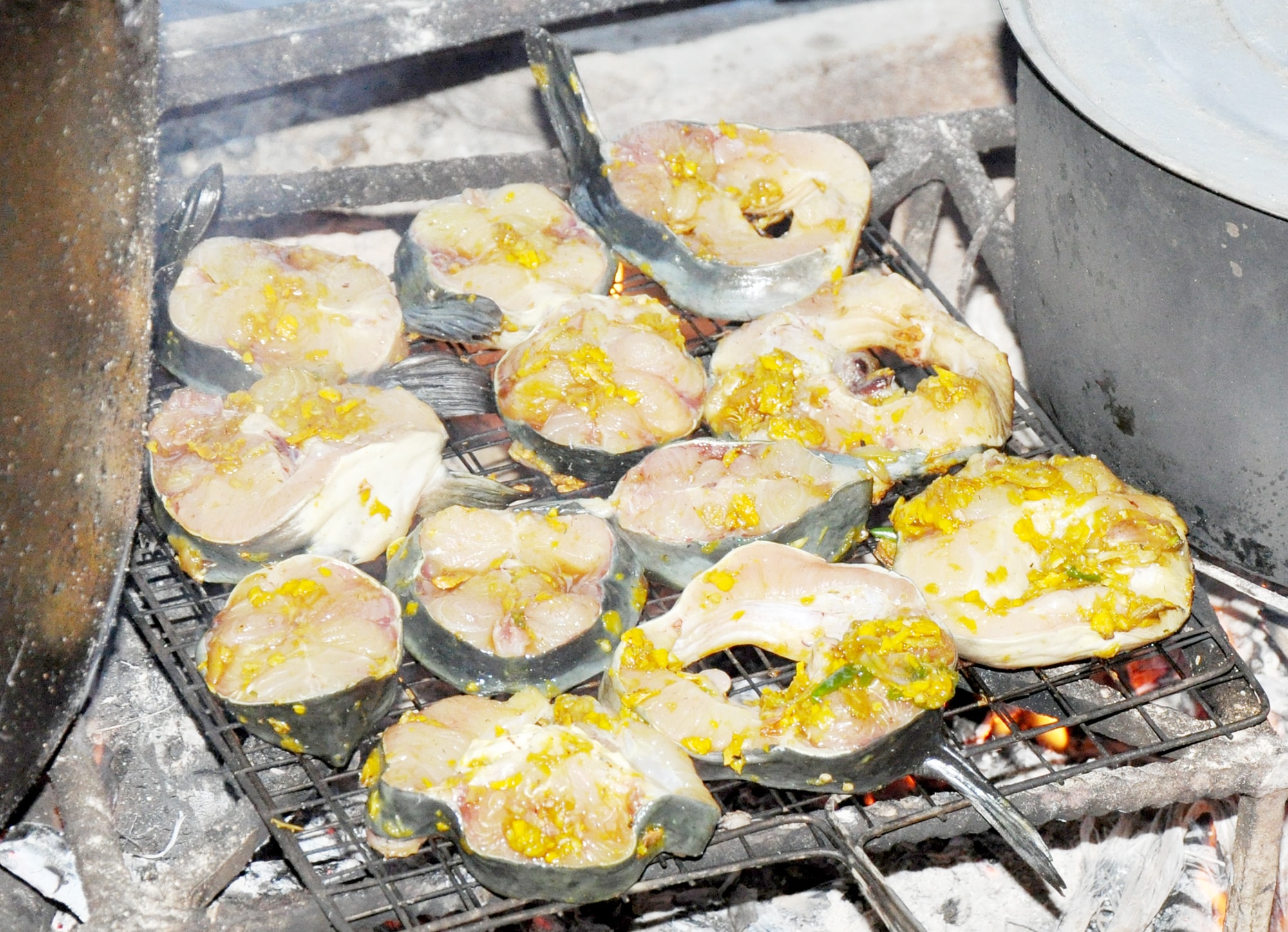 |
| The fish, marinated and grilled over charcoal, emits a fragrant aroma. Anyone who has ever had the chance to sit in a floating house, admiring the vast landscape while sipping wine and enjoying grilled fish, will surely have an unforgettable experience. Photo: Cong Kien |
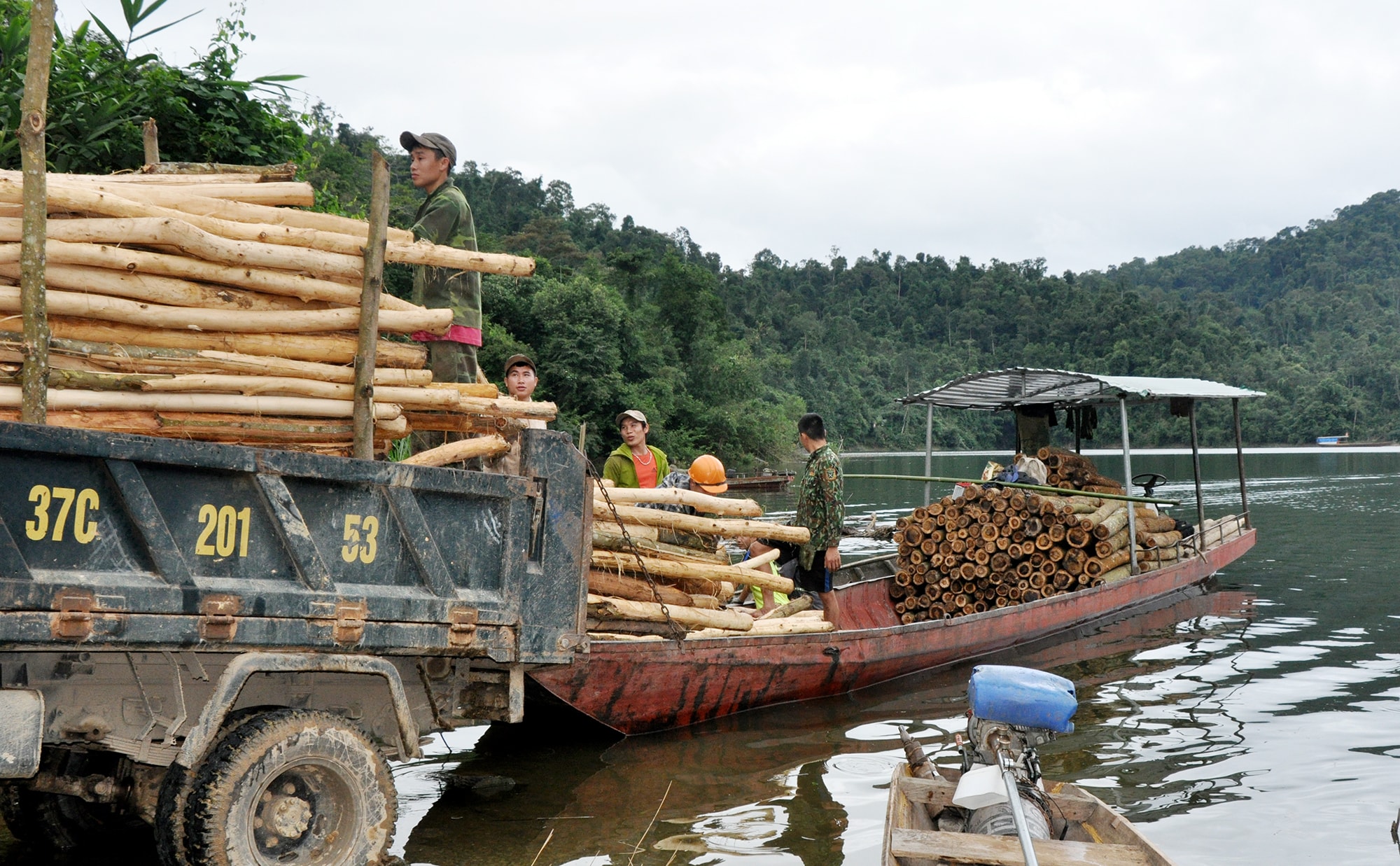 |
| In the middle of the lake are several islands, and the surrounding hillsides are cultivated by local people who plant hybrid acacia trees. When it's time for harvesting, the acacia trees are transported by boat to the base of the dam, then loaded onto trucks to be transported to the market. Photo: Cong Kien |
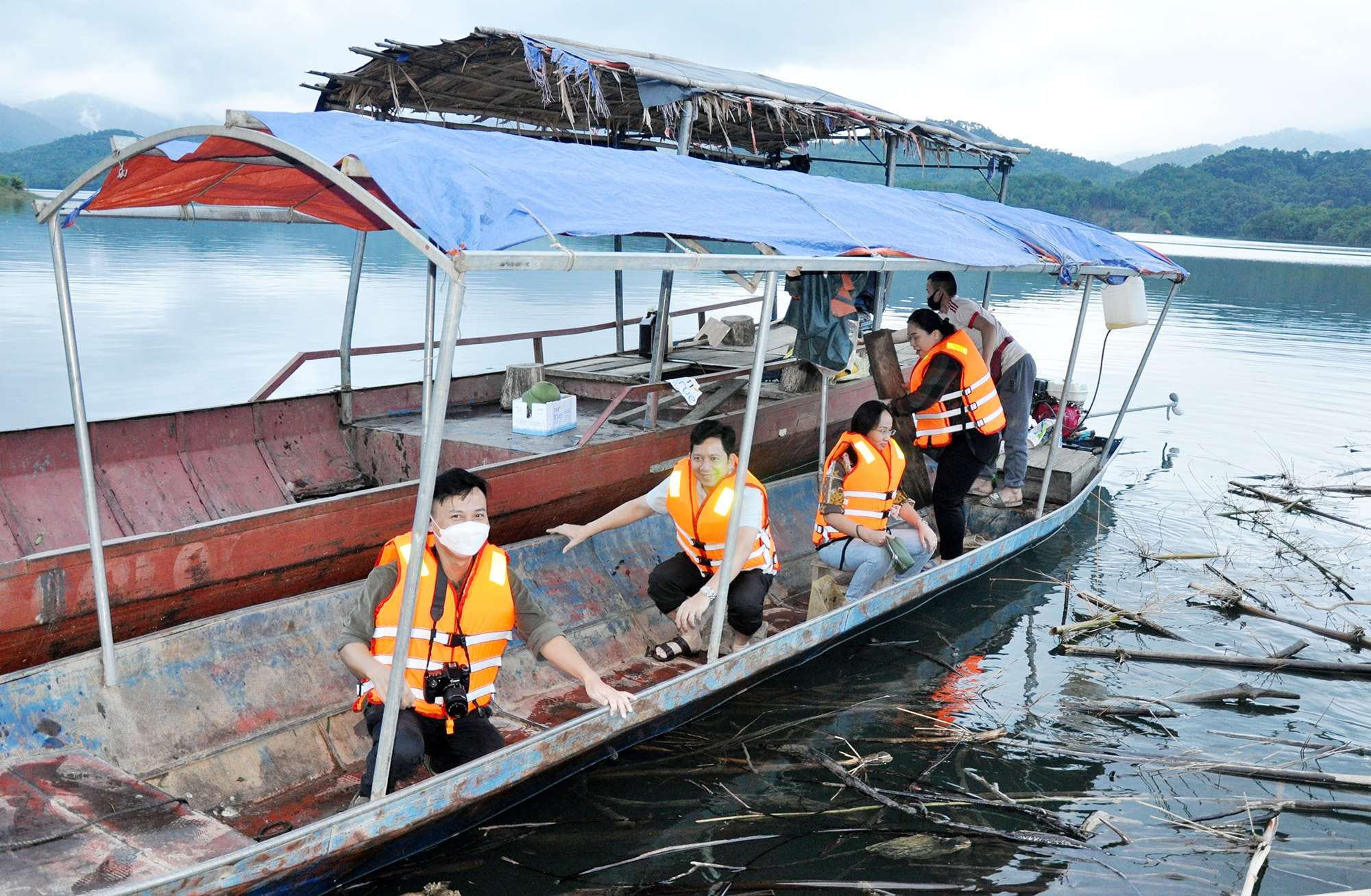 |
| Recently, the leaders of Que Phong district conducted a survey of the tourism potential of Hua Na Lake to develop a plan for exploitation and attract investment, building an eco-tourism destination and contributing to increasing income for local people. Photo: Cong Kien |


