
Unique border market in Nghe An
From the early morning hours, when the villages are still shrouded in mist and chill, the Nam Can border market in Ky Son district attracts people from all over.
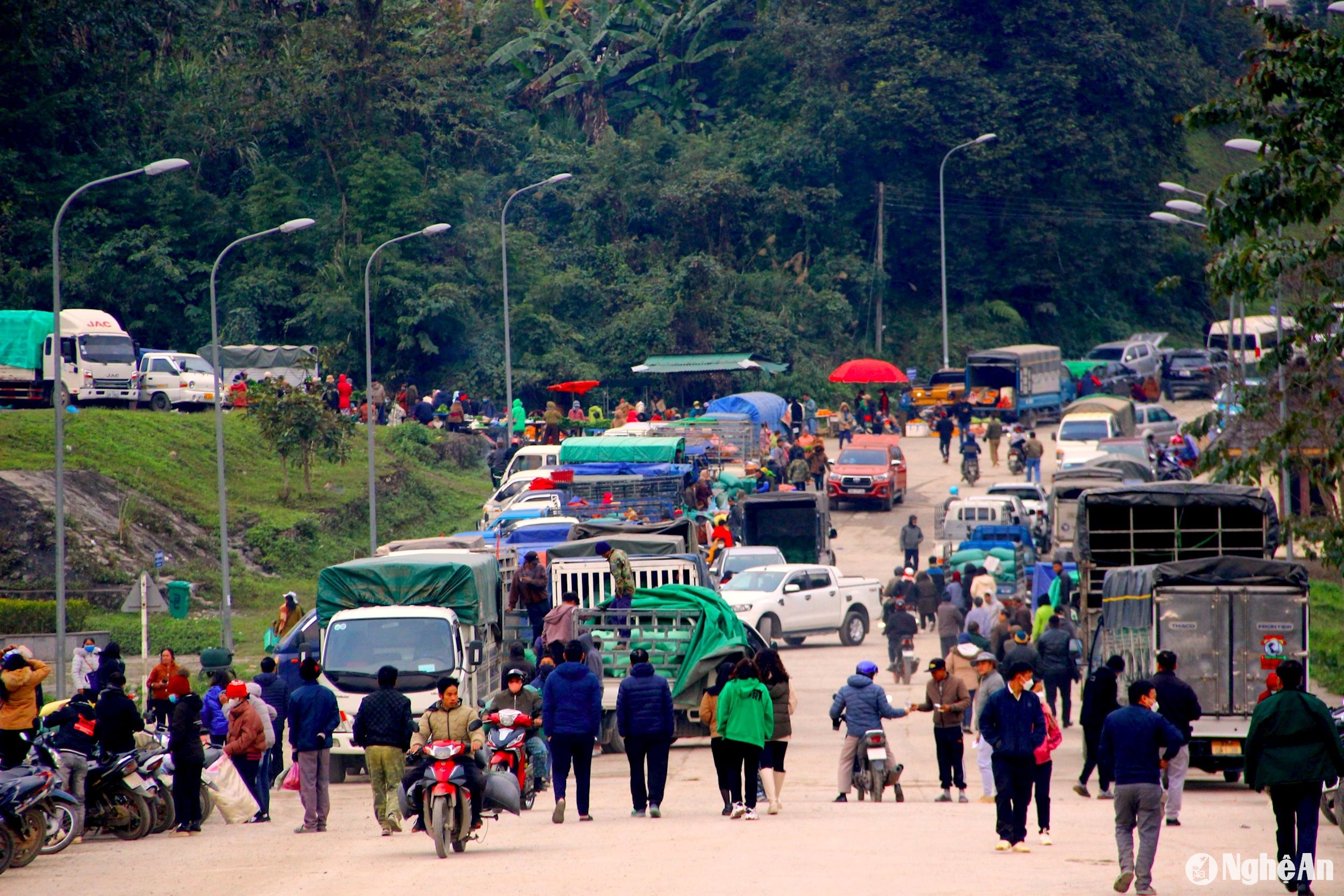
A bustling highland market.
Nam Can Border MarketIt is a place for trading goods, and also a place for exchanging the beautiful cultural aspects between Vietnam and Laos. For that reason, everyone is eager to visit and enjoy the unique things at this border market.
Previously, the market was held twice a month, on the 14th and 29th. However, since 2019, with the increased cultural exchange and trade between Vietnam and Laos in general, and between Nghe An province and Xieng Khouang in particular, along with the growing supply and demand for goods, the market has increased the number of sessions per month, now holding sessions every Sunday.
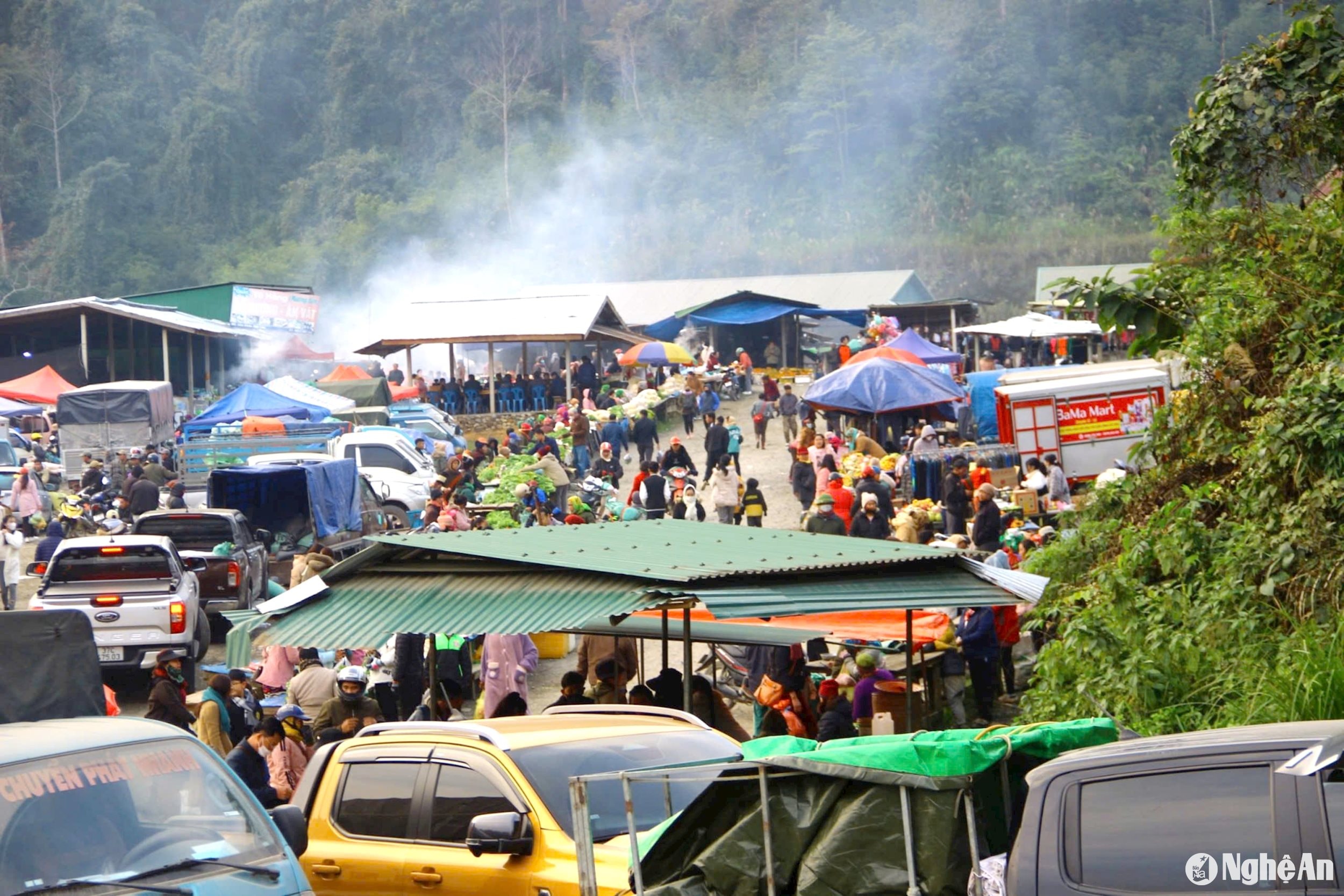
Nam Can Market is located next to the border crossing with Laos, hence its other name, Doan Ket Market (Unity Market). Each market day is like a festival for the people in the border villages of both countries. The market is about 270 km from Vinh City and about 25 km from Muong Xen town in Ky Son district.
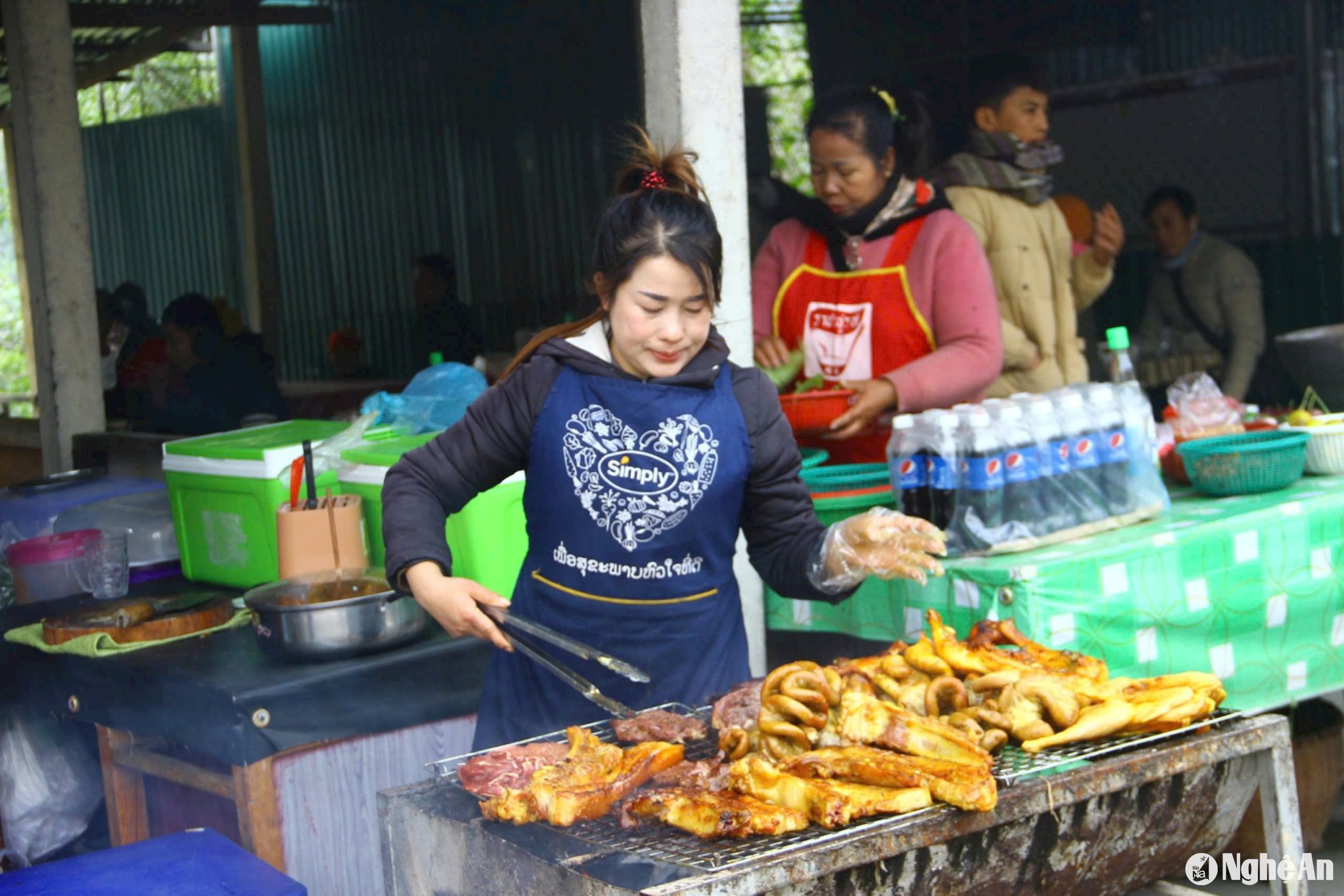
The most vibrant and bustling area from dawn onwards is the food stalls selling cooked food and dishes from the highland ethnic minorities. At these stalls, beside glowing charcoal stoves emitting fragrant smoke and the aroma of various dishes, visitors can easily find characteristic dishes of the ethnic groups: grilled chicken, grilled pork, grilled pork offal, vermicelli, pho, bamboo-cooked rice, dried meat… along with various cakes and many kinds of alcoholic beverages distilled from agricultural products.
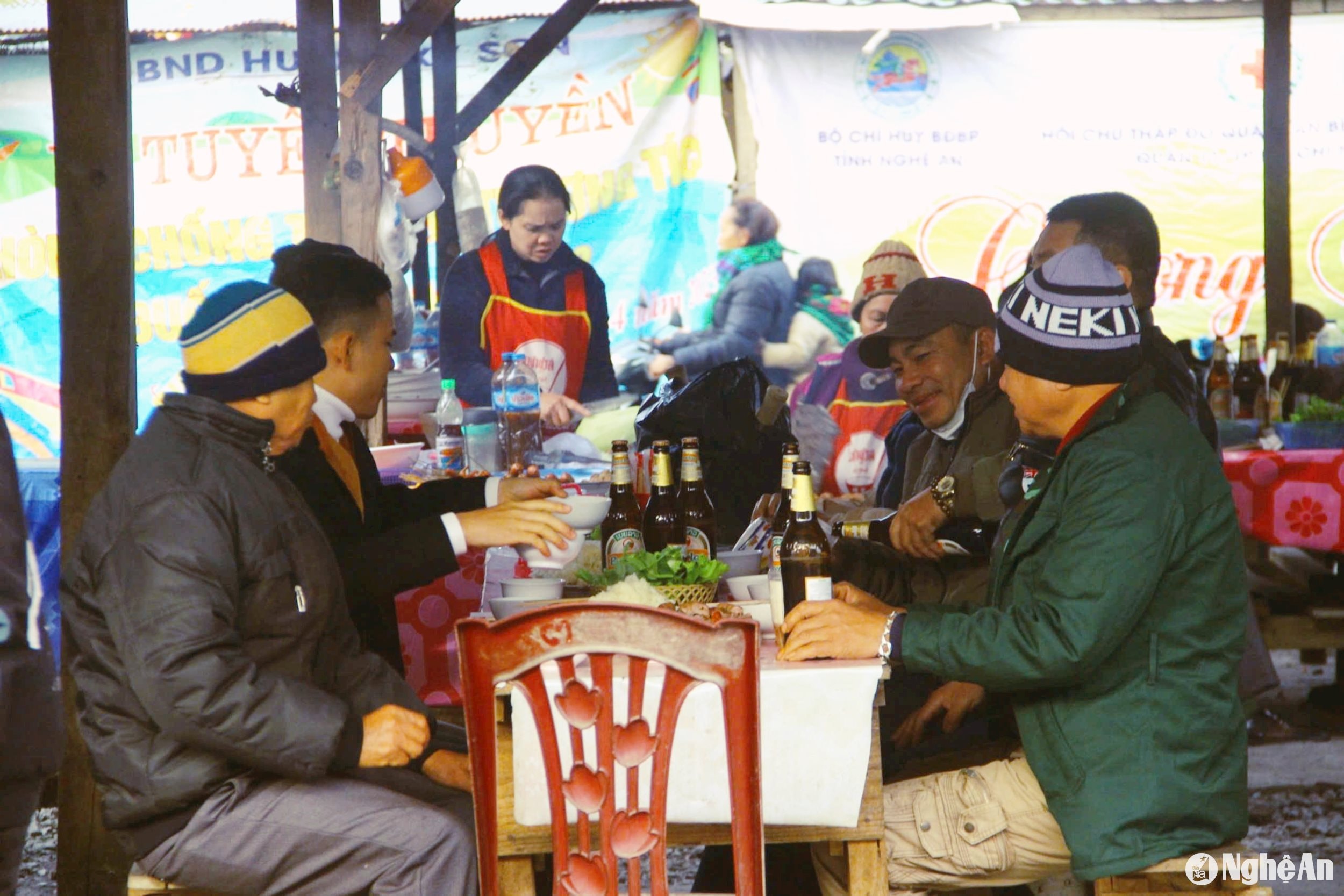
The food court attracts quite a few visitors; they meet at the market, invite each other to the restaurants to meet, chat, inquire about each other's health, and share experiences in livestock farming, crop cultivation, economic development, and building a prosperous village.
At the heart of the Vietnam-Laos border market, visitors will clearly feel the bustling, vibrant atmosphere and the distinctive lifestyle of the ethnic minorities in the highlands of Nghe An province. Attracting many young women are the stalls selling traditional costumes of the Mong, Thai, and Lao people... Here, shoppers choose and help each other try on dresses, scarves, hats, etc. Laughter and lively conversations fill the air. Embroidery and sewing of traditional costumes are carried out by the skillful hands of the women and mothers...
Discover unique cultural features.
As a market primarily bringing together ethnic minorities from both Vietnam and Laos, the goods here are quite abundant and diverse, serving the shopping needs of the people. Local produce, livestock, local cuisine, brocade clothing, agricultural tools, fresh food, and general merchandise are all brought here for exchange and sale by people from both countries. In addition, there are tourists, both domestic and international, who come to visit and explore the unique culture of the people in this border highland region.
At the market, you won't encounter aggressive sales pitches or persistent soliciting; instead, you'll see simple, honest faces in colorful traditional clothing. They come to the market not only to buy and sell but also to enjoy the atmosphere and connect with other market-goers.
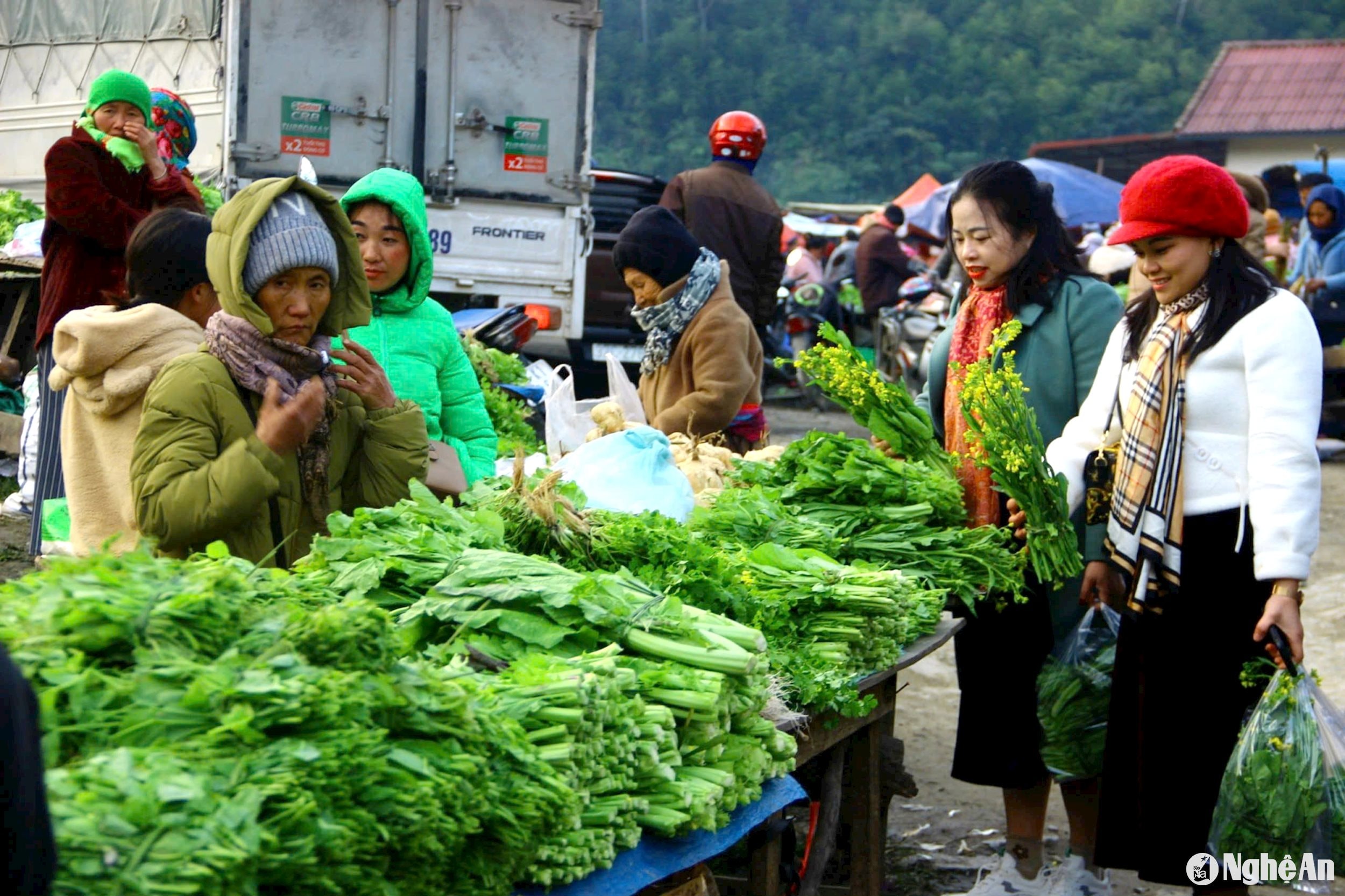
The Nậm Cắn border market has a very different atmosphere compared to markets in the lowlands. It's a space full of sounds, colors, languages, peaceful, bustling, and warm. The goods sold at border markets have long been a distinctive feature. This is because the goods displayed at the market are all products made by the highlanders themselves and brought down to trade. These include fresh green vegetables grown in the high mountains, sticky rice, red rice, gourds, pumpkins… and various spices harvested from forest trees.
Besides that, there are fresh products such as free-range chicken, black pork, local buffalo and cattle... Agricultural tools used in production such as knives, hoes, shovels... made by highlanders are also of great interest to visitors.
The Vietnam-Laos border market was initially opened to serve the shopping and trading needs of people on both sides of the border, as well as to be a place for cultural exchange. However, the scale of these markets has continuously expanded. Stalls are set up close together and the goods are very diverse. Besides buying and selling goods, many people come to the market to sightsee and have fun because the border market is always attractive, a convergence of many cultural colors from various ethnic groups.
Mrs. Va Nhi Hoa, a resident of Tien Tieu village, Nam Can commune (Ky Son district), excitedly said: "Almost every month, my husband and I go to the border market. Because the motorbike ride from our house to the market takes more than 30 minutes, we have to wake up very early to prepare our goods, including a few chickens, mustard greens, a bag of chili peppers, a sack of fresh ginger… all of which we produce ourselves. At the market, traders buy our produce at a reasonable price. With the money in hand, besides buying new clothes for our children, we also buy some farming tools for our fields, some household items, and some vegetable seeds to plant. Going to the market means meeting many acquaintances, relatives, and neighbors from our village and commune, which is very enjoyable."
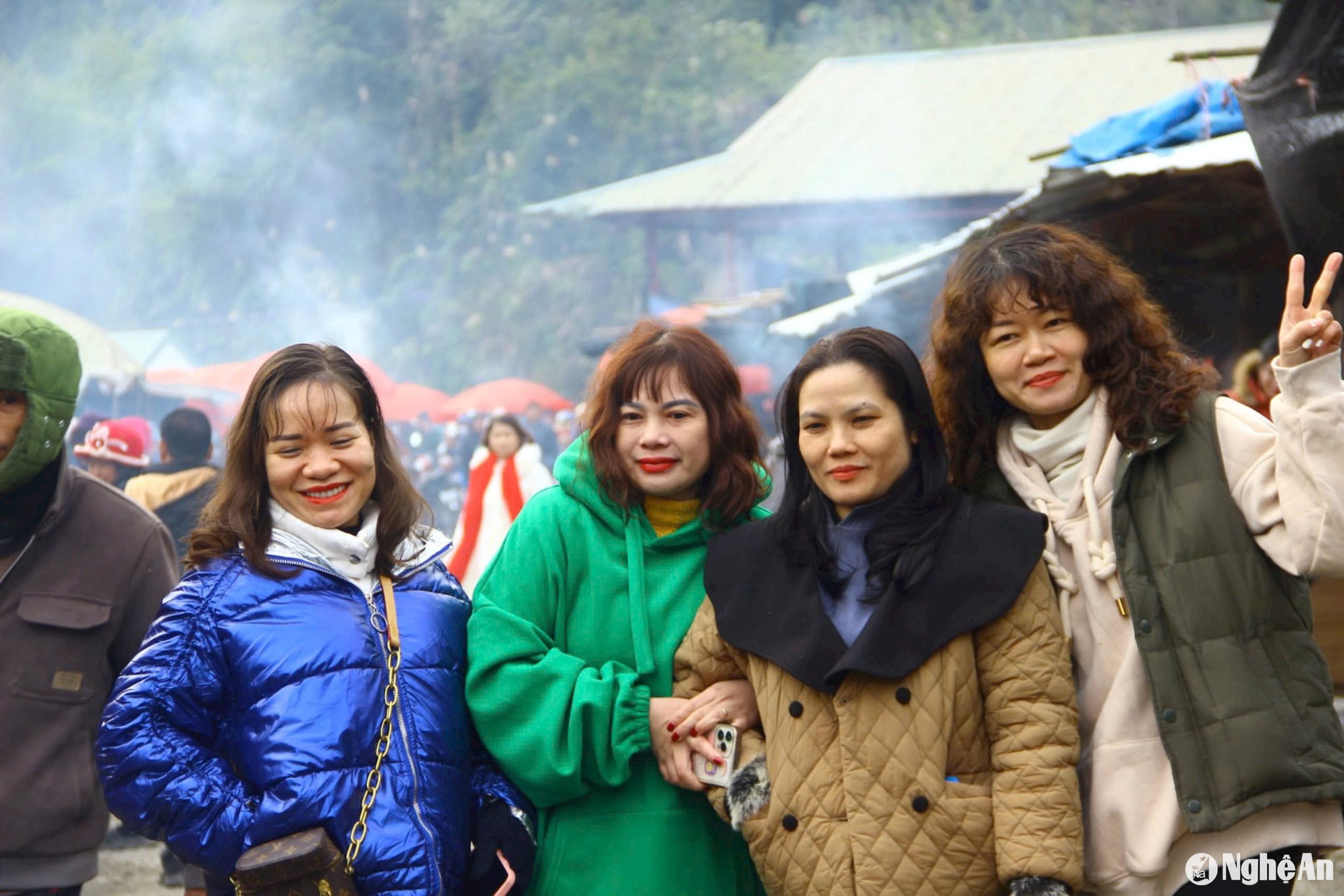
Around midday, the Nậm Cắn border market gradually thinned out, and trucks with Vietnamese and Lao license plates, loaded with goods after a morning of purchasing agricultural products, began to arrive; each person carrying large and small bags, they returned home along the various roads.
The image of honest, generous vendors who don't haggle or bargain, selling whatever they feel is right, is deeply etched in the minds of anyone who has had the chance to visit the Nam Can border market. This is the essence of the Vietnam-Laos border market for the highland people – simple and warm, just like the hardworking, courageous people who grew up amidst the mountain winds and clouds.


