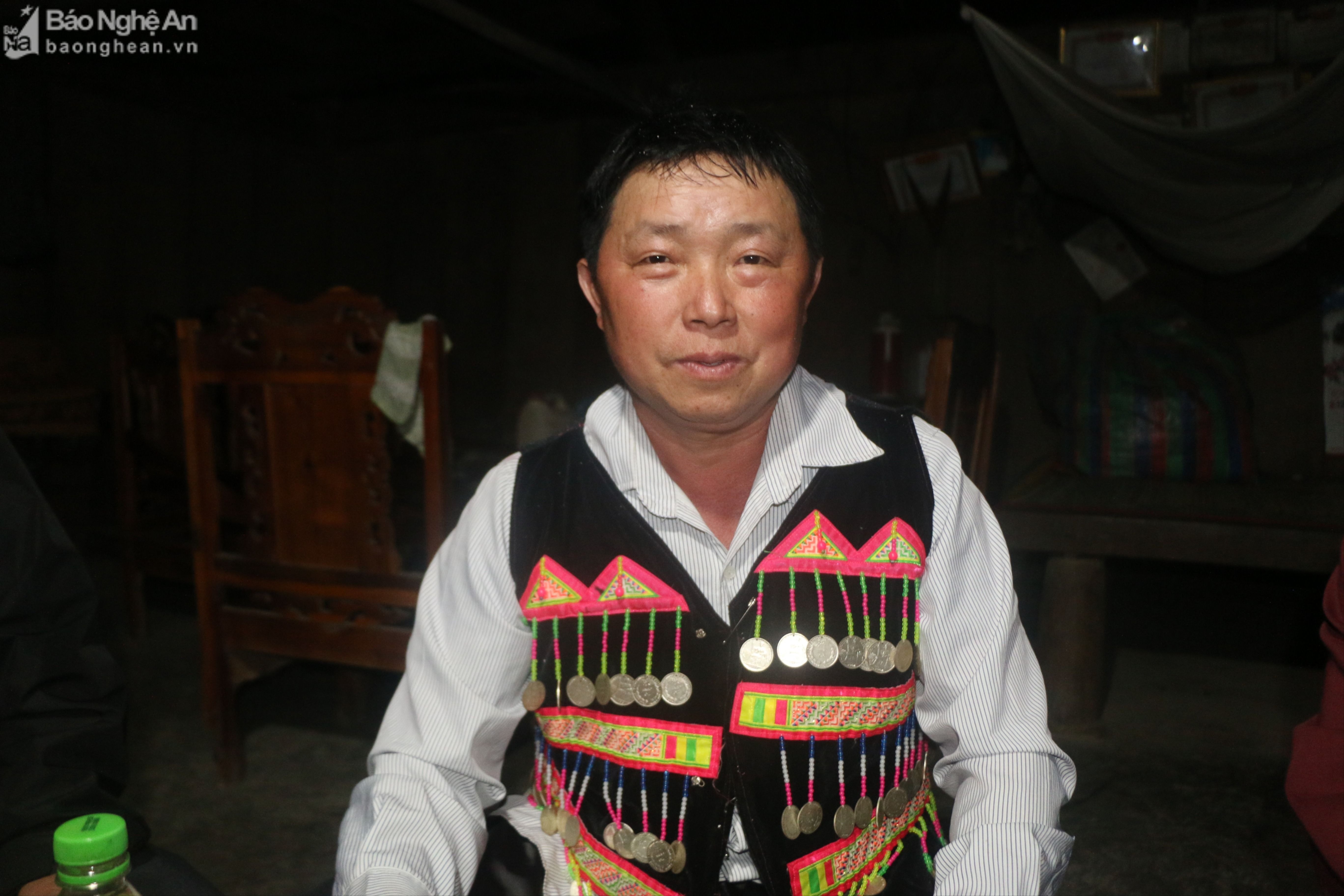
The 'keeper of the flame' of the Hmong people's traditional blacksmithing craft.

Khanh Ly-Quynh An February 13, 2024 07:01

(Baonghean.vn) - As the third generation in a Hmong family dedicated to the traditional blacksmithing craft, Mr. Va Tong De (Tuong Duong) spends his days forging countless tools for his fellow villagers. His forge not only provides a livelihood for his family but also serves as a repository of the Hmong people's traditional craft.
3-1573-5594.jpg
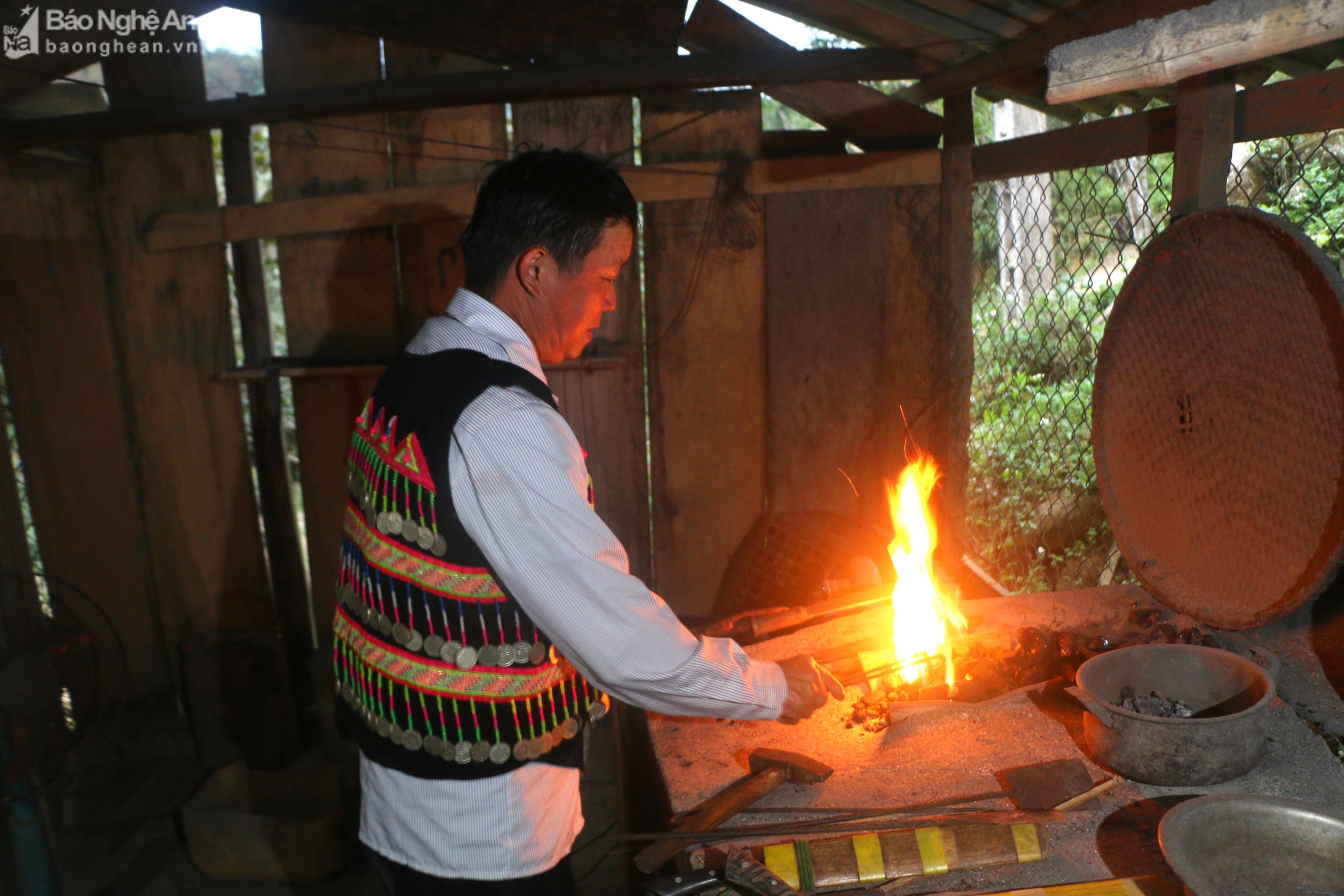
Mr. Va Tong De, from Tham Tham village (Nhon Mai commune, Tuong Duong district), has been involved in the traditional blacksmithing trade for nearly 40 years. From the age of 14-15, Va Tong De helped his relatives forge tools for labor and production. He watched his grandfather, father, and uncles work, then imitated them, gradually accumulating experience to become a renowned blacksmith in the area. This work both increased his income and continued the family tradition. Photo: Khanh Ly
bna-anh-1-9178.jpg
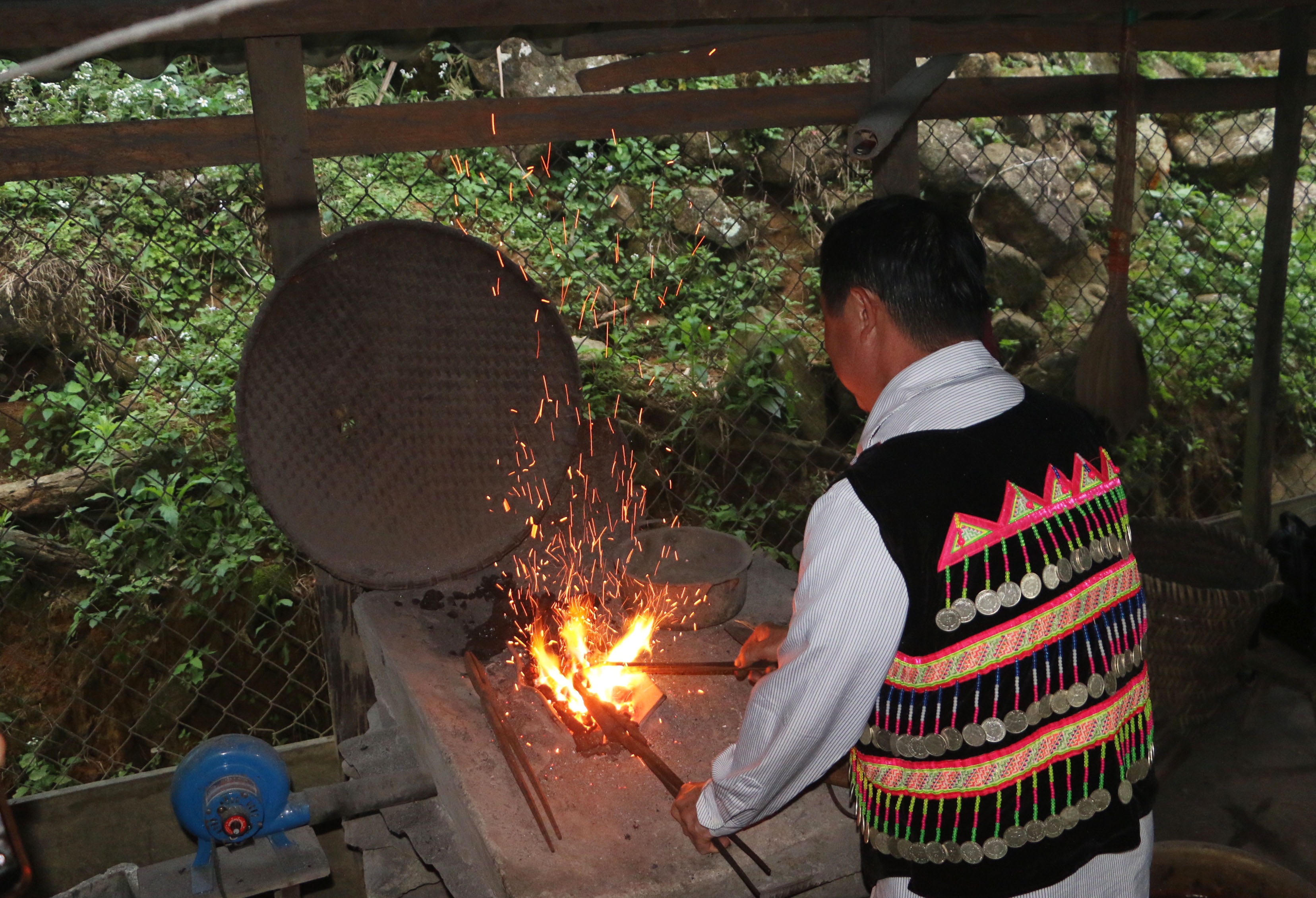
Va Tong De's blacksmith shop is located right on a small slope at the beginning of Tham Tham village (Nhon Mai commune, Tuong Duong district). Every day, the blacksmith's workshop starts its fire at 3 or 4 in the morning. If he doesn't have to go to the fields, Va Tong De will be at the blacksmith's shop all day; when busy, he takes advantage of the evenings to work. The sound of the fan blowing on the furnace, the sound of cutting steel, sharpening knives, and hammering have become deeply ingrained in his family's life. Photo: An Quynh
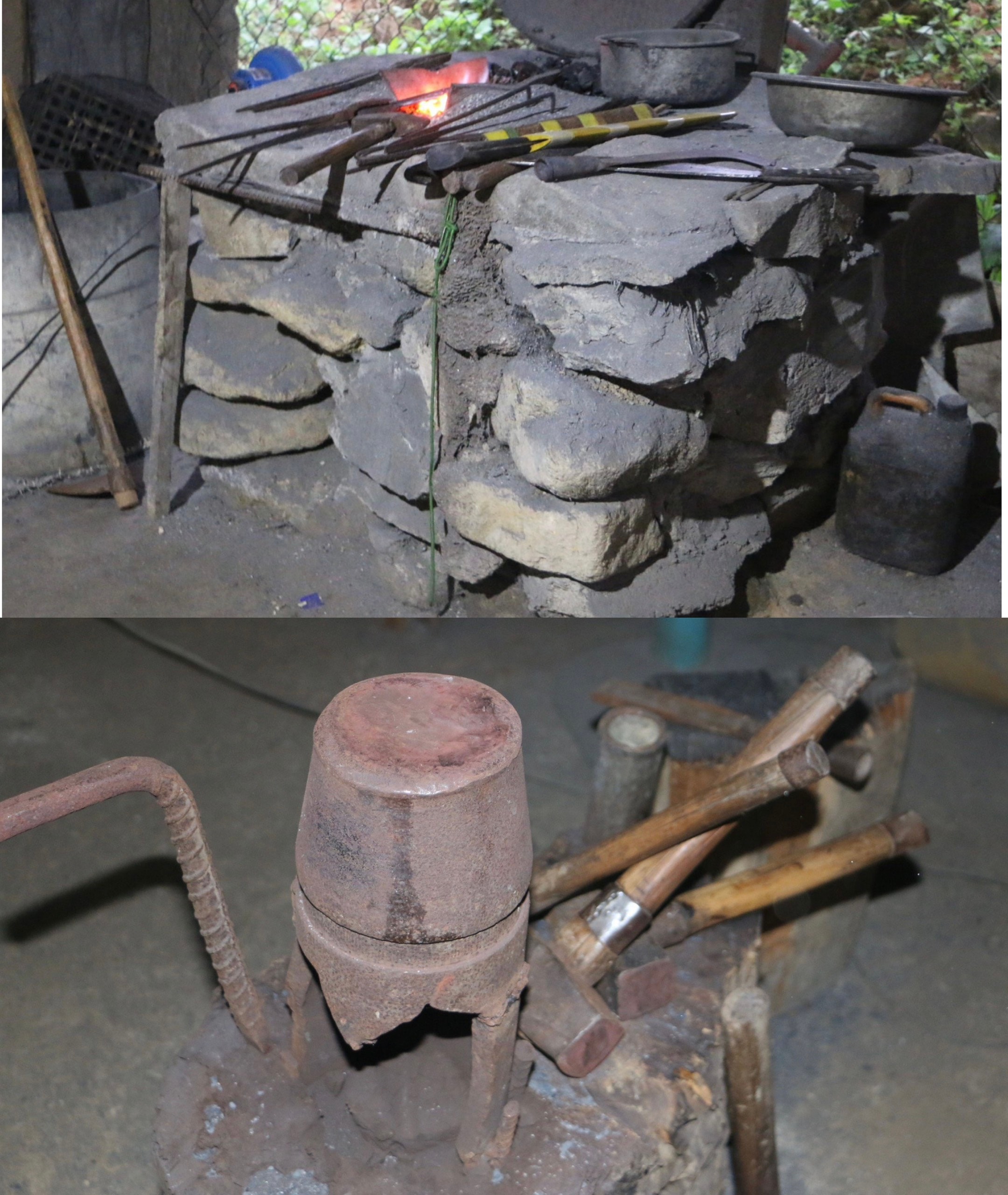
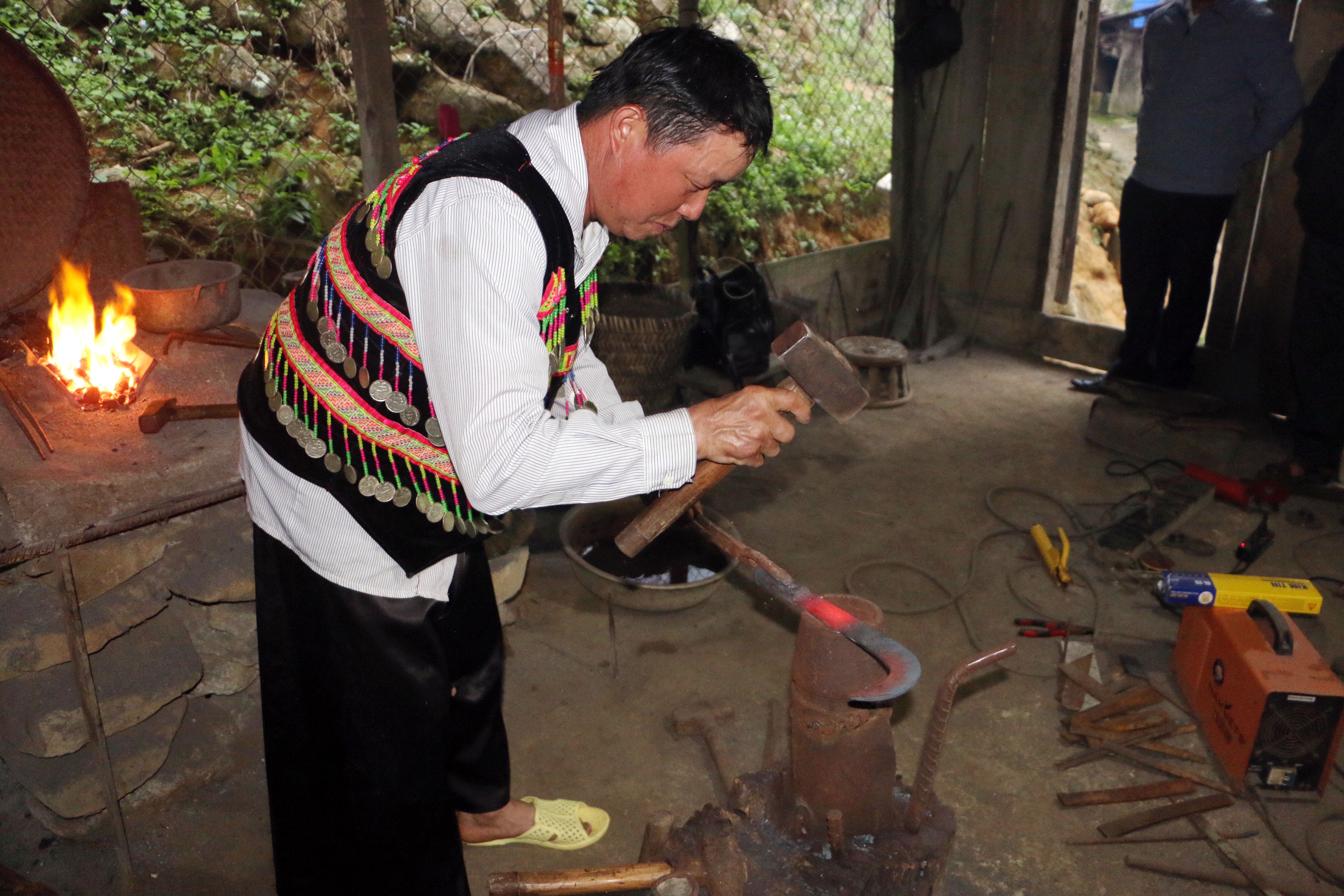
Một số vật dụng như bàn đe, đập và lò rèn thủ công đều được truyền từ thế hệ  trước và đã được anh Và Tồng Dê sửa đổi thêm để phù hợp với cách làm hiện nay. Ảnh: An Quỳnh.
Some tools, such as the anvil, hammer, and handcrafted forge, were passed down from previous generations and modified and supplemented by Mr. Va Tong De to suit modern methods. Photo: An Quynh
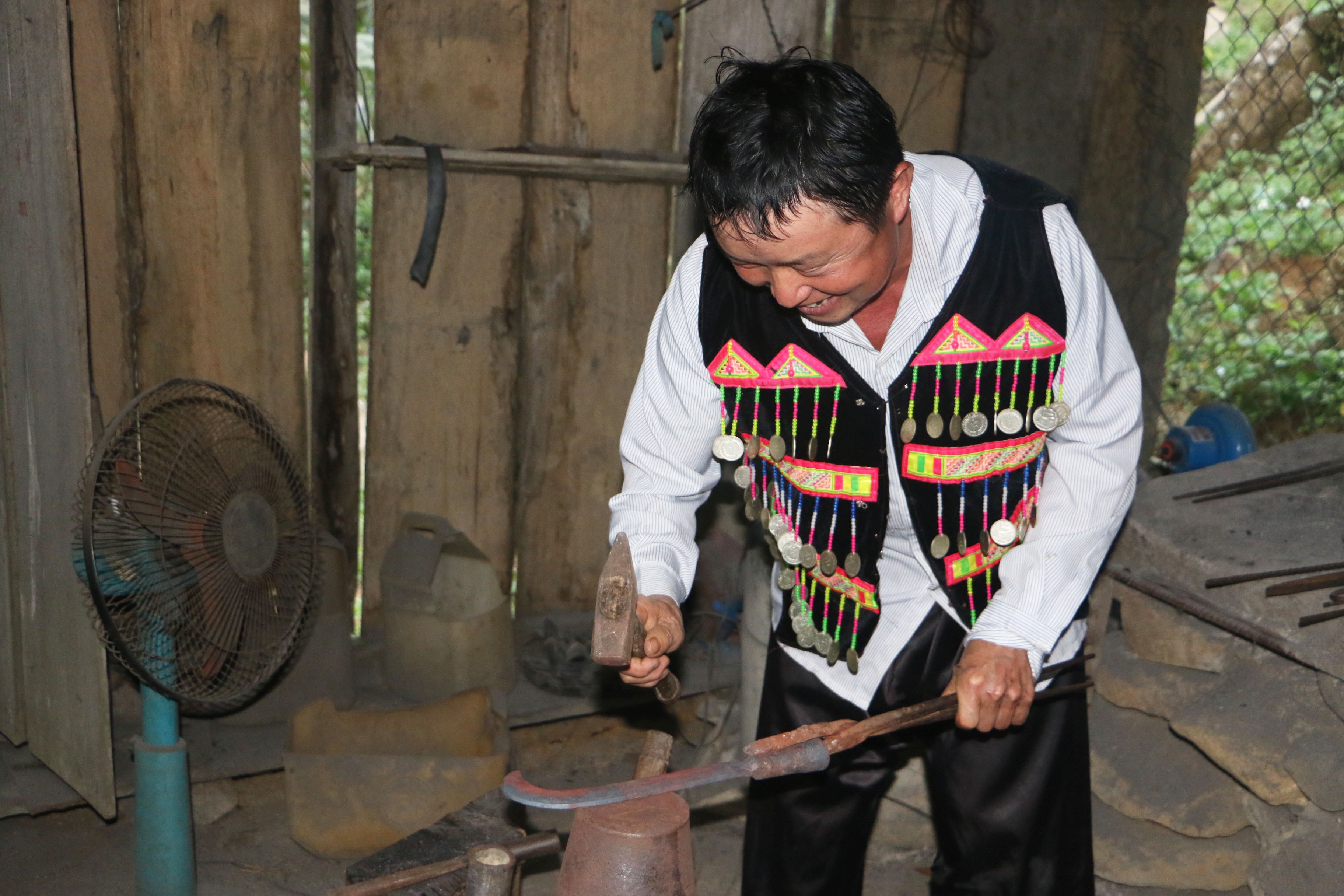
Người Mông thường sinh sống ở địa hình vùng núi cao nên đời sống họ tự cung, tự cấp.Bởi vậy, người Mông việc gì cũng giỏi từ rèn dao, rèn cuốc, xẻng,…Anh Và Tồng Dê cho biết để làm ra một sản phẩm giỏi, người thợ rèn phải trải qua nhiều công đoạn, từ cắt sắt tạo hình, nung, đập, nhúng nước, rồi lại nung, đập, tới khi định hình được sản phẩm thì mài cho sắc, làm tay cầm. Ảnh: An Quỳnh.
The Hmong people typically live in high mountainous areas, so their lives are primarily self-sufficient. Therefore, they are also very skilled at creating tools for labor and production, such as knives, hoes, and shovels. Mr. Va Tong De explained that to make a product, a blacksmith must go through many stages, from cutting and shaping the iron, heating, hammering, dipping in water, then heating and hammering again, until the product is shaped, then sharpening it, and finally making the handle. (Photo: An Quynh)
9-2495-9130.jpg
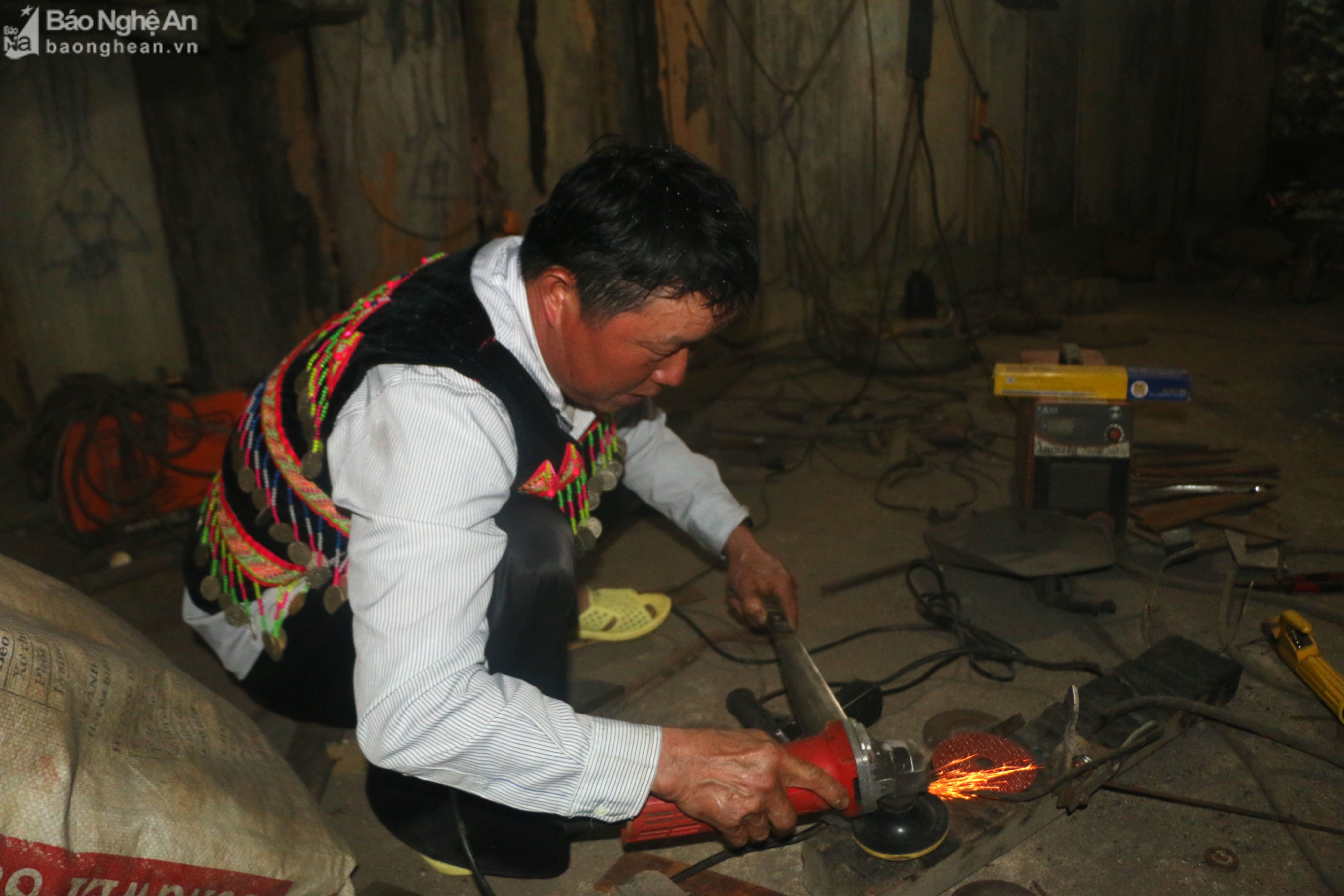
Previously, all processes were done entirely by hand, but now with the help of machinery, the work is faster, for example, grinding machines, sanding machines, fans, etc. Photo: Khanh Ly
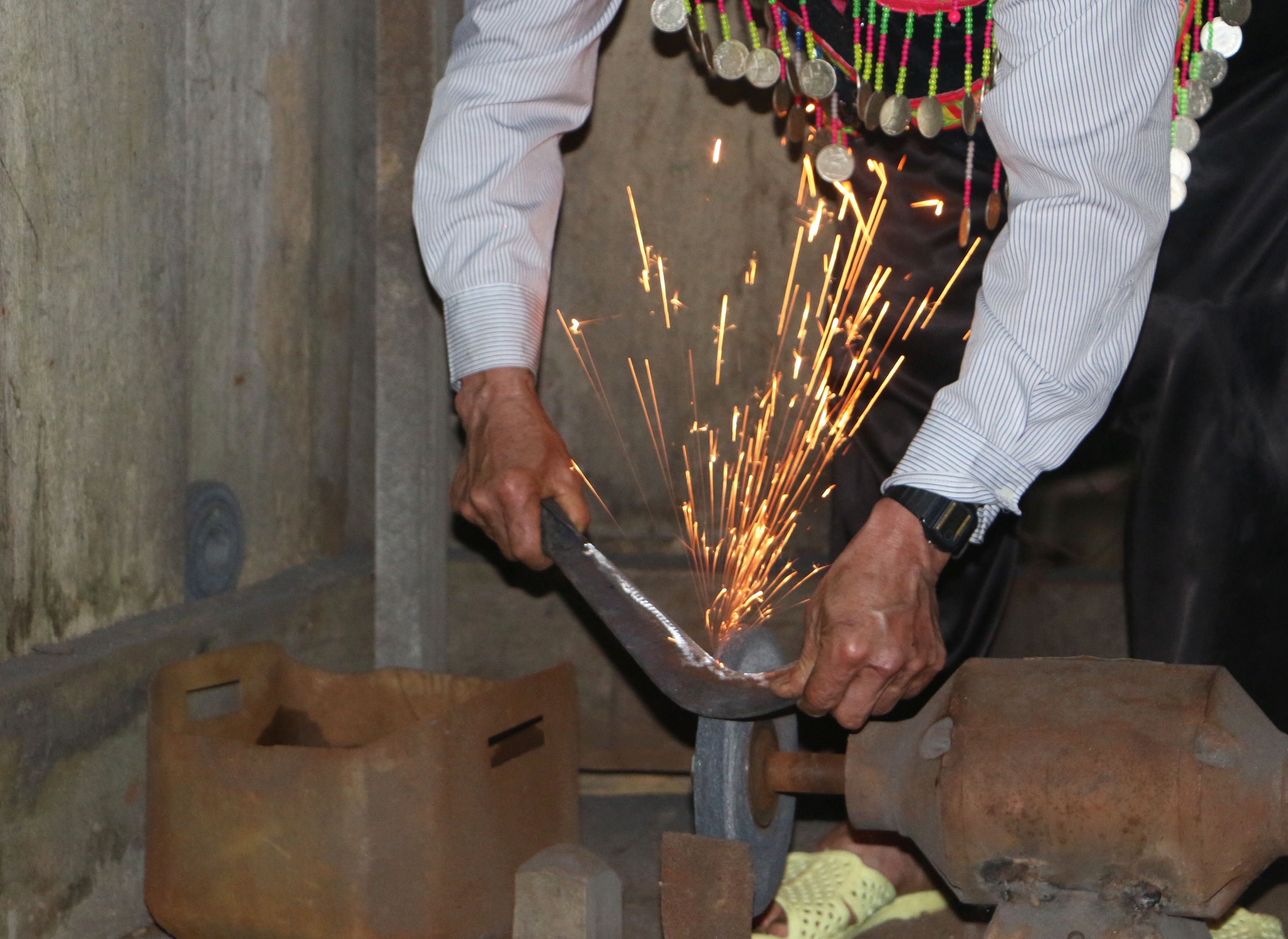
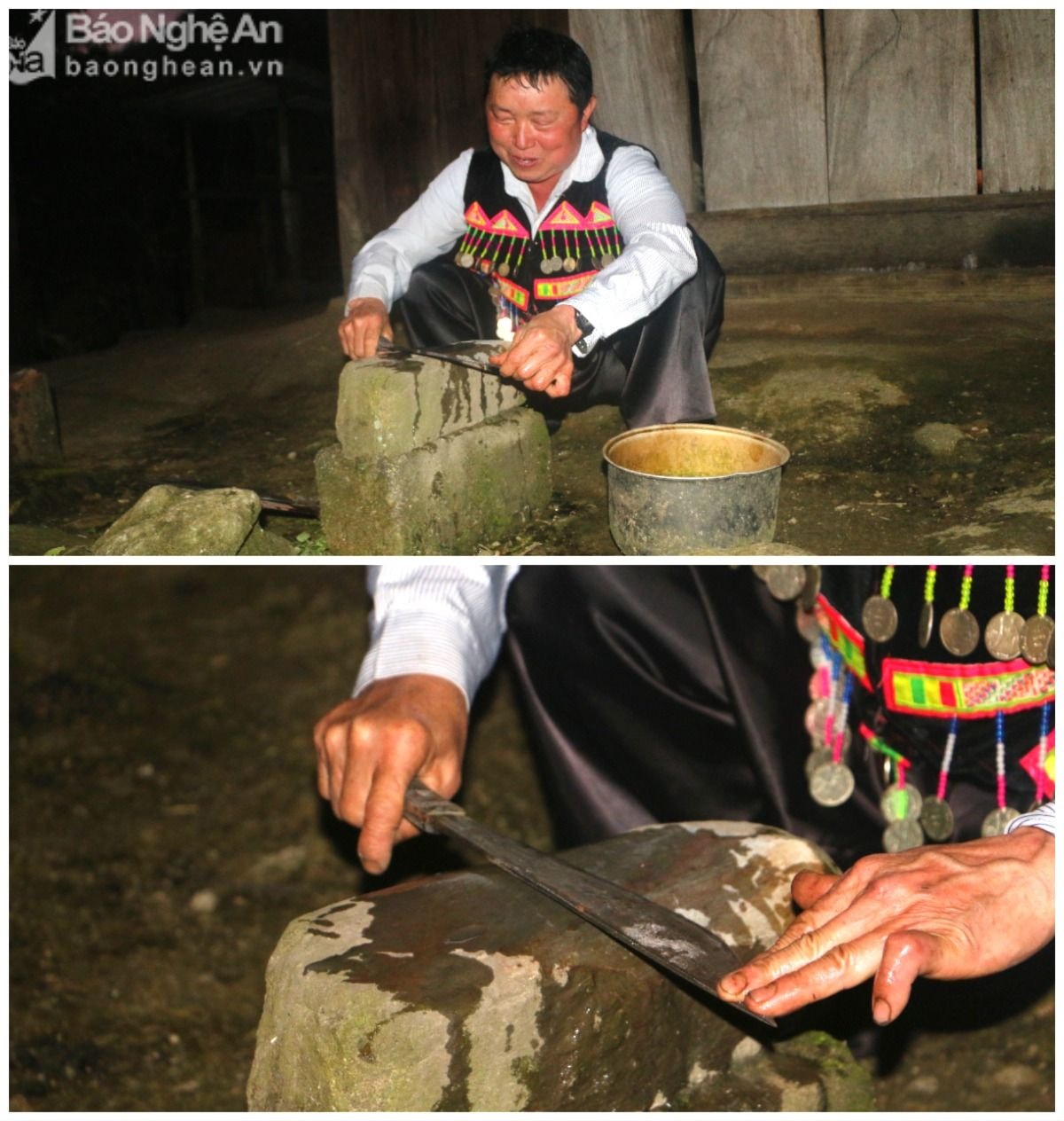
Một khâu không thể thiếu trong việc làm nên sản phẩm tốt chính là mài. Khi công cụ (dao, cuốc, xẻng) đảm bảo độ cứng, anh Và Tồng Dê sẽ dùng đá quay để mài lưỡi và xoa cho mịn bề mặt dụng cụ. Ảnh: An Quỳnh.
An indispensable step in creating a good product is sharpening. Once the products (knives, hoes, shovels, etc.) have taken shape and achieved the required hardness, Mr. Va Tong De will use a whetstone to sharpen the blades and smooth the surface of the tools. Photo: An Quynh
Video clip of the blazing blacksmith's forge of Mr. Va Tong De, Tham Tham village, Nhon Mai commune, Tuong Duong district. Video: Khanh Ly
bna3-fotojet-5277-224.jpeg
Next comes the manual sharpening process using natural stones selected from the crevices (water sharpening) to make the blade even sharper. Photo: An Quynh - Khanh Ly
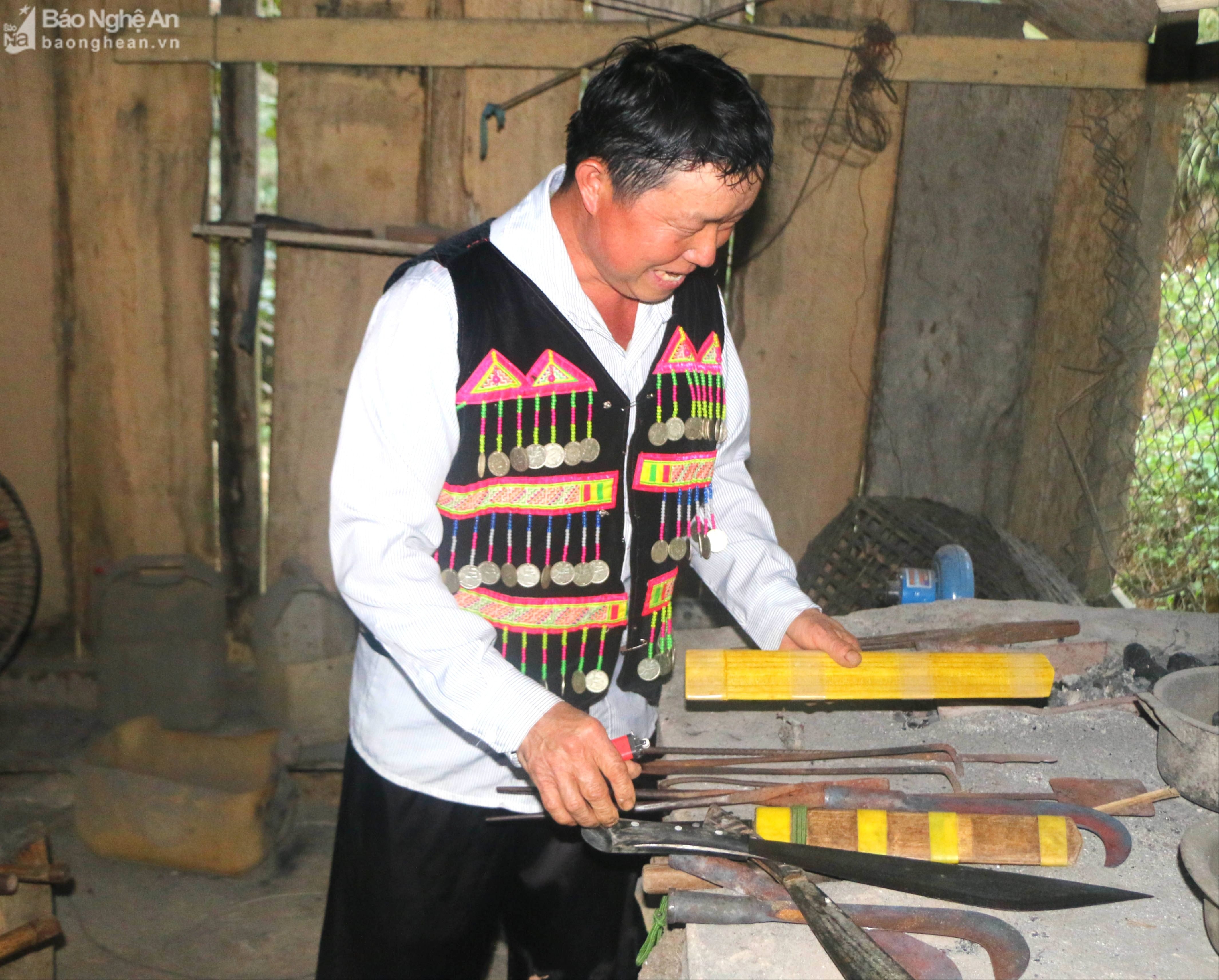
ban-sao-1-8960-7280.jpg
Besides focusing on the durability and sharpness of their products, the blacksmiths of Va Tong De also pay attention to aesthetics. For example, for knives, the handles are usually made from buffalo horn, and the sheaths are made from wood that has been dried for at least a week, because using fresh wood would cause the knives to rust. Photo: Khanh Ly
anh-6-6197.jpg
On average, blacksmith Va Tong De produces 2-3 products per day. In the border commune of Nhon Mai (Tuong Duong district), only his forge is still regularly burning, and his high skill level means his products are sold not only to people in the village and surrounding areas but also to Laos, with prices ranging from 50,000 to 500,000 VND depending on the type. Photo: An Quynh
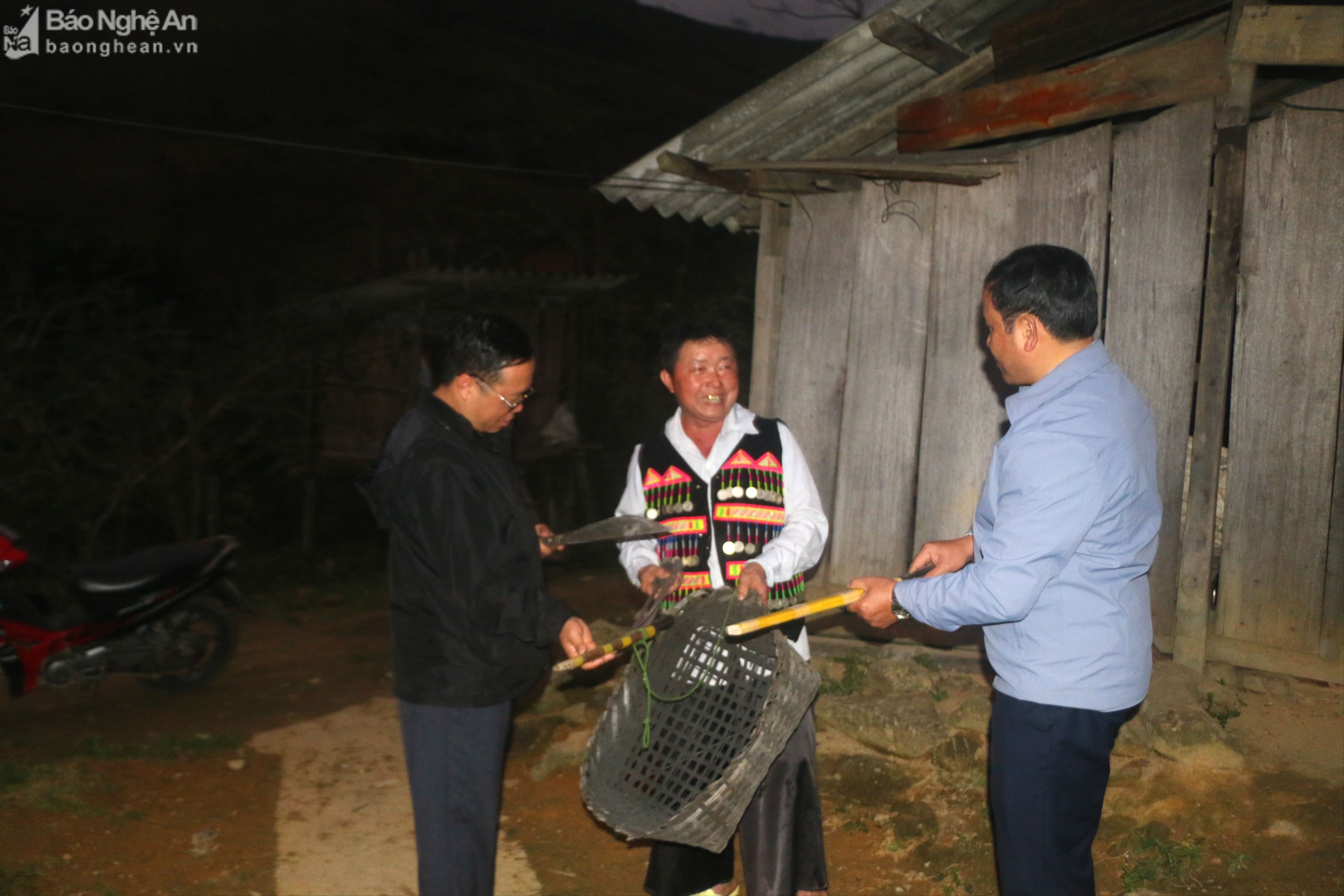
10-2205-1894.jpg
Besides forging tools for production and farming such as knives, hoes, shovels, sickles, and spades, Mr. Va Tong De also repairs agricultural tools for the villagers. For those in need, he repairs their tools free of charge, sometimes even giving them new tools. Because his products are of good quality, according to Mr. Va Tong De, "there are times when I can't forge enough tools to meet demand." Photo: Khanh Ly
15-1544-7436.jpg
As a respected figure in Tham Tham village, Nhon Mai commune (Tuong Duong district), Mr. Va Tong De always sets a good example and takes the lead in all village activities and economic development. Besides running his blacksmith shop, he also cultivates rice, grows cassava, and raises 20 buffaloes and cows. He shared that each time he lights the fire, it brings him joy, as it serves the needs of the villagers while also contributing to preserving the traditional blacksmithing craft of the Mong ethnic group. Photo: Khanh Ly

Featured in Nghe An Newspaper

Latest

x
The 'keeper of the flame' of the Hmong people's traditional blacksmithing craft.
Google News
POWERED BYFREECMS- A PRODUCT OFNEKO