
Farmers in Nghe An province harvest fish from rice paddies and collect payment right in the field.
Following the principle of not letting land lie fallow, many households in Dien Chau district have proactively raised fish in abandoned rice fields, achieving high yields. The fish are sold quickly as soon as they are harvested, bringing in cash right in the fields.
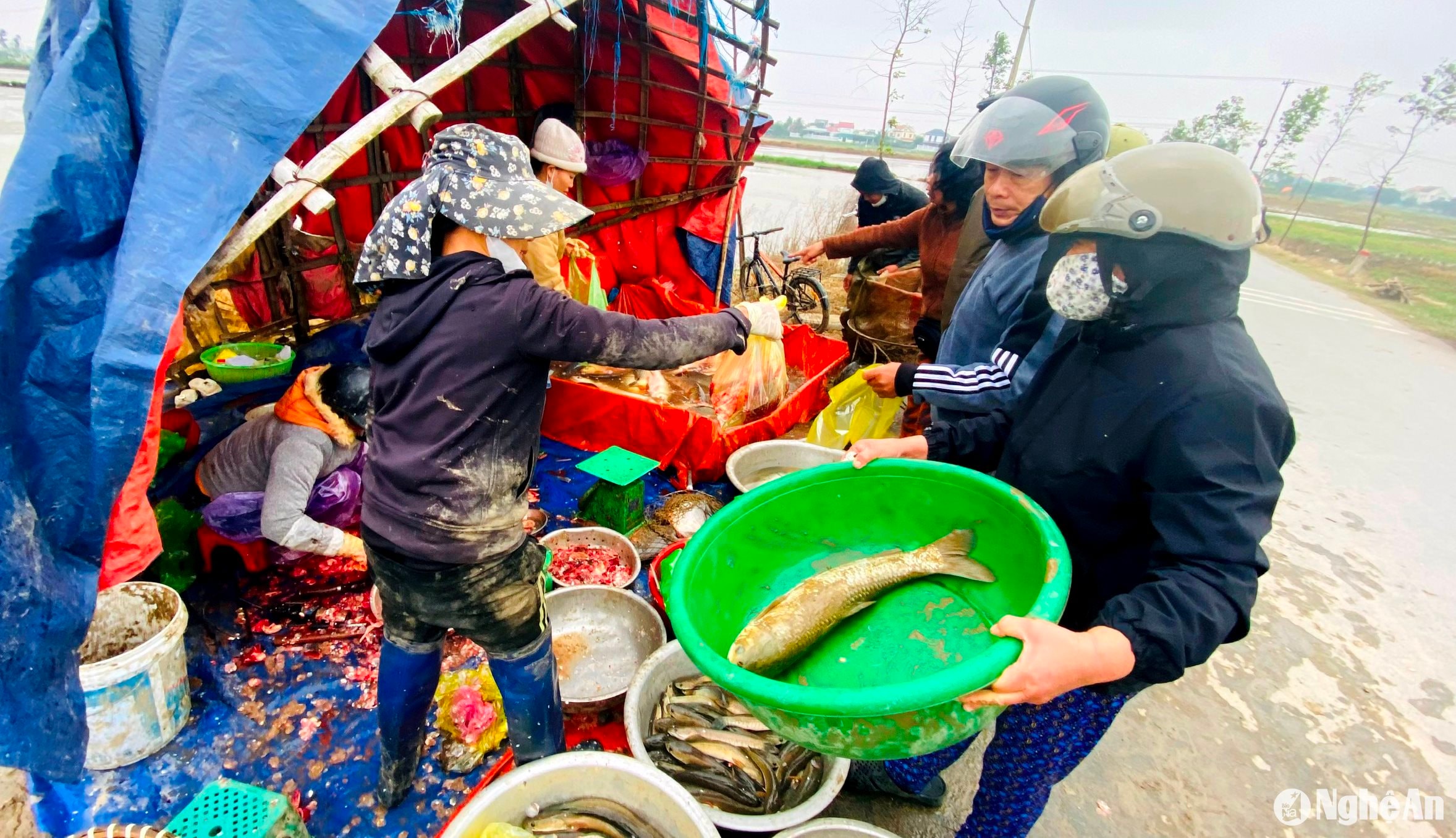
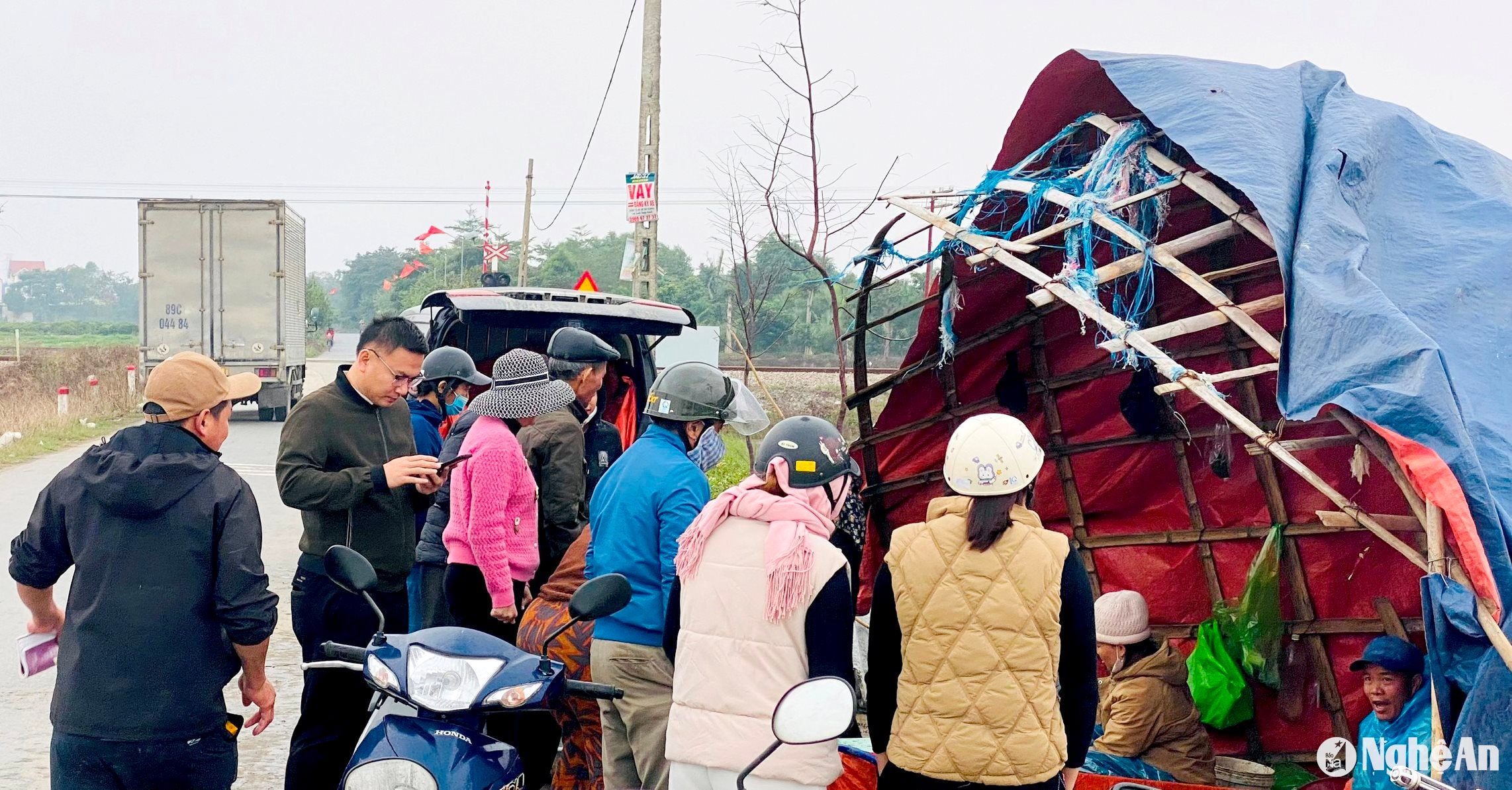
On the morning of December 15th, dozens of people lined the road connecting Dien Hoa commune to Hanh Quang commune in Dien Chau district, waiting to buy freshly caught fish from the nearby rice fields. Despite the cold, rainy weather, the number of buyers grew steadily, with everyone wanting to choose the freshest and tastiest fish for their meal that day.
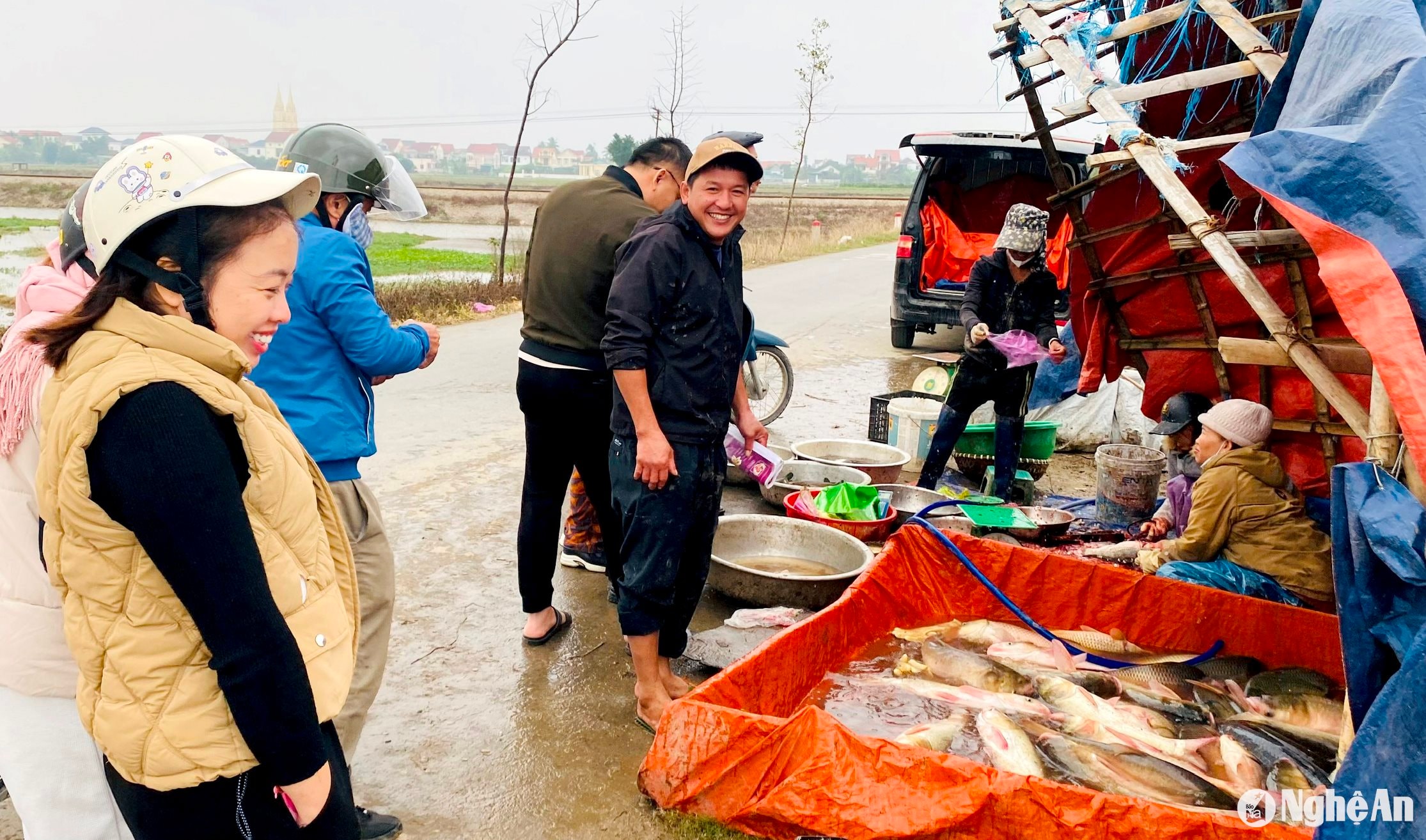
Reportedly, these are fish that the people of Hanh Quang commune borrowed from land that was not used for farming during the recent Summer-Autumn season to transform into fish ponds. After 4 months of stocking, they are now harvesting, with a variety of traditional freshwater fish species such as carp, tilapia, grass carp, and snakehead fish…
Mr. Ngo Van Cay, a farmer in Hanh Quang commune who raises fish in his rice fields, said: "For the past few years, local people have mainly focused on spring crop production for rice consumption. For the summer-autumn season, many people don't produce rice but pursue other occupations. Therefore, a lot of land is left fallow during the summer-autumn season. After consulting books and newspapers, and learning from online experiences, my relatives and I borrowed four abandoned rice fields from local people to raise fish. Now we have to gradually harvest the fish to return the land to the farmers so they can prepare for the spring planting."
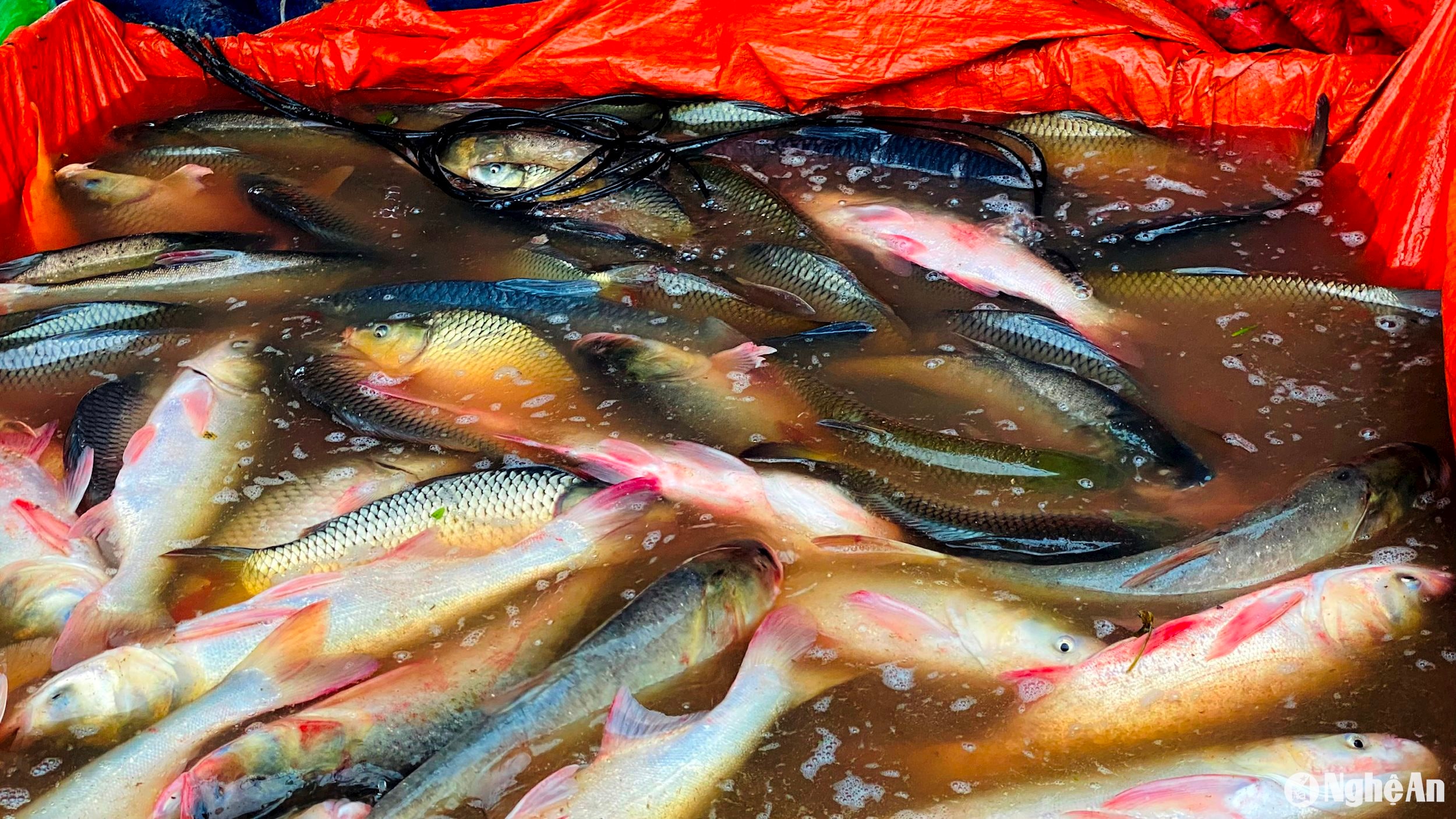
According to Mr. Cay, raising fish in rice paddies has many advantages. Firstly, it utilizes unused rice fields to generate additional income. Secondly, raising the water level for fish farming allows grass and rice stubble to decompose, providing food for the fish and increasing the humus content of the soil. Furthermore, raising fish in a third crop requires less expense, thanks to the readily available natural food sources.
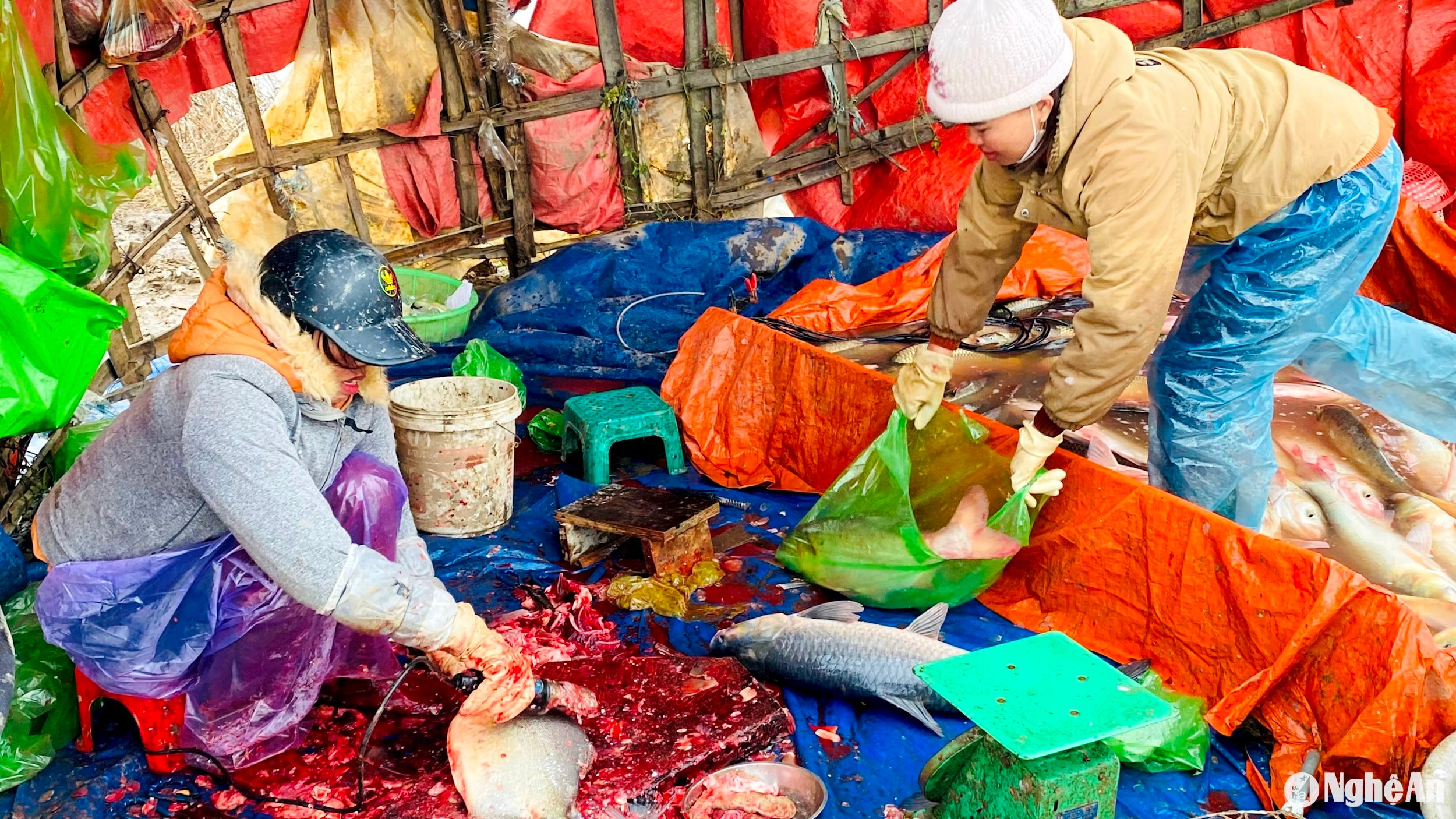
Observations show that the farmed fish, when harvested, are all large, especially carp and grass carp, with each fish weighing between 1 and 3 kg. Upon harvesting and bringing them ashore, there are always people waiting to buy them at prices ranging from 50,000 to 70,000 VND/kg, while snakehead fish fetch prices above 100,000 VND/kg.
According to the Hanh Quang commune authorities, the practice of raising fish in rice paddies has been adopted by local people in recent years and has brought considerable economic benefits. Currently, people in the area mainly cultivate rice in the spring, leaving the summer-autumn crop fallow because they are busy with other economic activities. Furthermore, the summer-autumn crop is often affected by storms and heavy rain, so many households are reluctant to plant. Therefore, utilizing the fallow summer-autumn rice paddies for fish farming is a good approach, and the local authorities are always creating favorable conditions for people to increase their production. Preliminary statistics show that there are currently 5 households raising fish in rice paddies in the area, covering approximately 4 hectares.
It is known that similar models exist not only in Dien Chau district but also in other localities such as Hung Nguyen, Yen Thanh, and Quynh Luu. According to recommendations from specialized agencies, for this type of farming, to increase efficiency, the fish fry should be large, uniform in size, and healthy to minimize losses and promote rapid growth during the farming process.
For optimal fish growth, in addition to readily available food sources, it is necessary to supplement their diet with starchy foods such as rice bran and corn, and green feeds like duckweed, grass, sweet potato leaves, and cassava leaves. Farmers need to cooperate with each other to monitor the ponds and prevent the use of electric shock fishing, which can negatively impact the fish farming process.
Furthermore, to prevent disease outbreaks among fish raised in rice paddies, farmers must regularly change the water source in the paddies, exterminate rats, and drive away birds and egrets that often come down to the paddies to eat young fish. During the rainy season, fish farmers must raise the embankments and use nets to prevent the fish from escaping the paddies. After each fish harvest, farmers must drain the water to collect the fish and return the paddies to the farmers for planting the spring rice crop on time.


