
The National Assembly discusses the draft Law on Corporate Income Tax (amended).
On the morning of May 12th, the National Assembly discussed the draft Law on Corporate Income Tax (amended), in which many tax incentives were adjusted to encourage investment, promote innovation, and support certain specific sectors.

Chairman of the Economic and Financial Committee Phan Van Mai stated: The revision and amendment of the draft law aims to institutionalize major policies and create conditions for businesses to develop sustainably in the context of a changing growth model.
A notable new provision allows businesses to deduct additional expenses, exceeding actual expenditures, for research and development (R&D) activities when determining taxable income. This is a significant step in encouraging businesses to invest in science and technology and innovation – key factors in enhancing competitiveness in the digital economy. The government will provide detailed regulations on the spending limits, conditions, and scope of application to ensure flexibility in implementation.
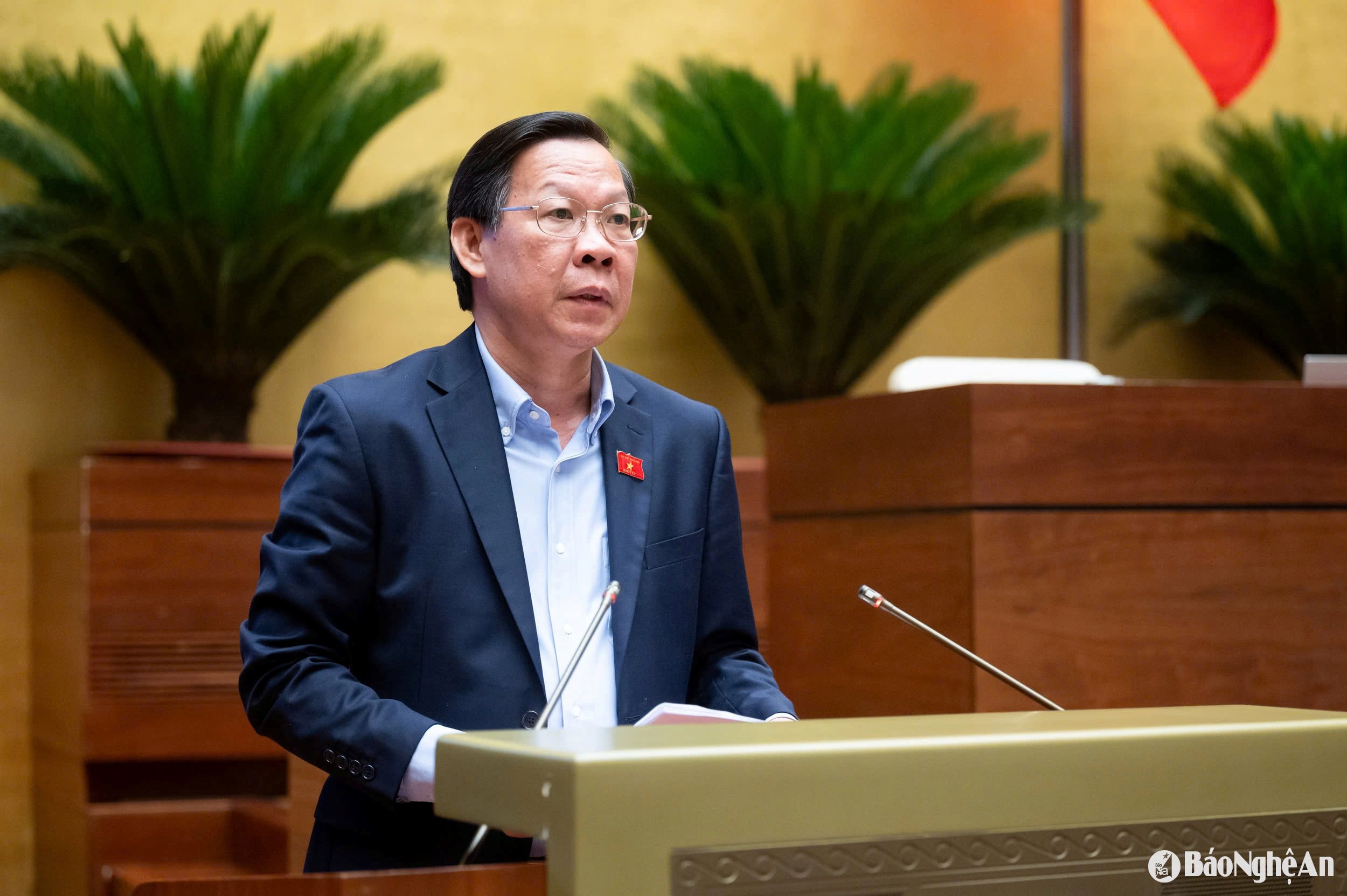
In addition, grants for scientific research, innovation, digital transformation, and technological development will also be considered reasonable expenses when calculating taxes. Expanding this incentive scheme encourages businesses to cooperate with the government in developing knowledge infrastructure and supporting activities that are fundamental to sustainable development.
The draft law also adjusts tax policies for the press sector, applying a uniform preferential tax rate of 10% to all types of media, instead of only print media as before. This regulation demonstrates the Party and State's concern for journalistic activities in the context of digital transformation, while also creating conditions for media organizations to stabilize their finances, improve content quality, and enhance their delivery methods.
For the digital technology sector, the draft proposes additional tax incentives to align with the industry's development direction, while also ensuring consistency with the ongoing Digital Technology Industry Law. This contributes to shaping a legal framework that supports domestic technology businesses in their strong growth.
To encourage investment expansion, the draft retains the policy of tax exemption and reduction for additional income from expanded investment projects, even after the main project's incentive period has expired. However, these additional incomes will not be subject to preferential tax rates, in order to ensure transparency and avoid misinterpretations.
These adjustments to tax incentives are not only aimed at reducing the financial burden on businesses, but also reflect a mindset of using tax policy as a tool to support development, encourage innovation, and contribute to the improvement of a modern, integrated market economy.
After hearing the report on the feedback and explanations, many delegates spoke and debated. Delegate Nguyen Van Chi - Vice Chair of the National Assembly's Economic and Financial Committee - debated several issues related to tax policies for public service units, such as schools and hospitals.
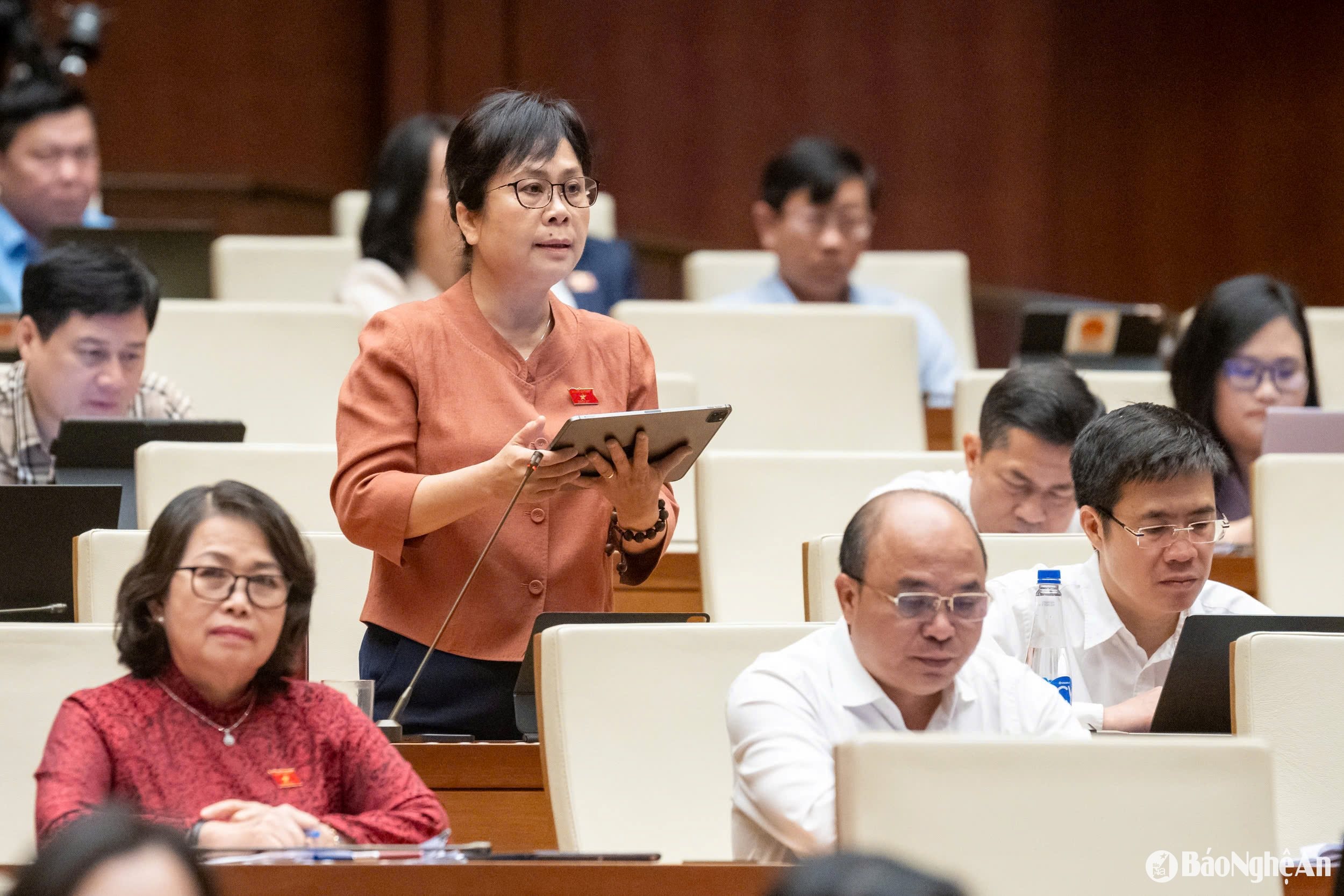
Accordingly, the delegate from Nghe An province provided additional information to clarify the current tax collection mechanism, aiming to avoid misunderstandings during policy discussions. Currently, public service units are not required to pay corporate income tax on revenue from providing public services such as tuition fees and hospital fees. These revenues are usually collected through receipts, not invoices, and, according to regulations, are not considered taxable revenue.
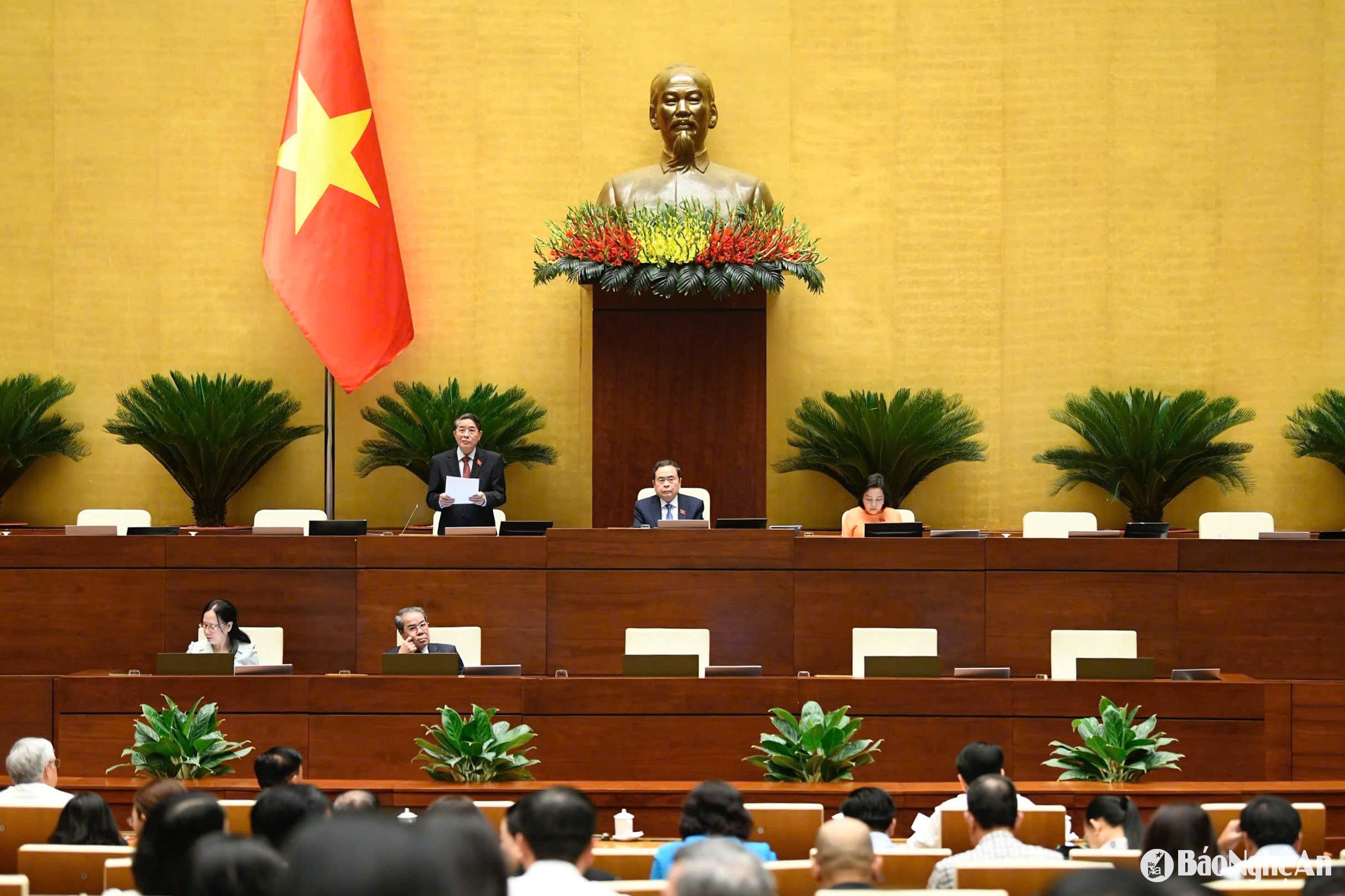
However, corporate income tax is only applied to revenue from joint ventures and partnerships with external parties, i.e., outside the scope of public service duties, at a rate of 2% on revenue from these partnerships. In this case, the income-minus-expense tax method is not applied; instead, the tax is calculated directly on revenue without deducting expenses or depreciation. Therefore, the opinion that the current tax calculation method, "income minus expenses," is inaccurate in the context of the current tax system for public service units.


