
What are the land-related powers of the People's Committee at the commune level from July 1, 2025?
From July 1st, 2025, the entire country will officially operate a two-tiered local government system, comprising provincial and commune levels. So, what authority does the People's Committee of a commune have in the field of land management? This is a question of concern to Mr. Ngo Van Hung (Hop Minh commune, Nghe An province).
Reply:
Based on Articles 5, 6, 10, 13, 14, 17 and Appendices I, Part II, Part V, Part VI of Government Decree 151/2025/ND-CP, effective from July 1, 2025 to March 1, 2027, communes are granted very broad powers in the field of land, specifically as follows:
Authority transferred from district level to commune level:
- Approve the agricultural land use plan of economic organizations, and approve the rice land use plan of individuals.
- Decisions to reclaim land in various cases (for example: reclaiming land due to violations of the law, reclaiming land for socio-economic development for national and public benefit...).
- Issue a notice of land reclamation.
- Decision approving the compensation, support, and resettlement plan.
- Approve the plan for enforcing the land reclamation decision and the budget for the enforcement activities.
- Determine specific land prices and selling prices for resettlement housing within the area.
- Issuing certificates of land use rights and ownership of assets attached to land to individuals and residential communities.
- Re-determine the area of residential land and issue certificates of land use rights and ownership of assets attached to the land.
- Record land prices in decisions related to land allocation, land leasing, land use conversion, land use extension, land use term adjustment, and land use form conversion.
- Decision to establish a specific land valuation council.
- Decisions on land allocation, land leasing, and permission for land use conversion for individuals and residential communities.
- Approve the plan for contributing land use rights and readjusting land use to implement projects for renovating and developing rural residential areas, and expanding and upgrading rural roads.
- Decision to establish a Compensation, Support, and Resettlement Council for each project.
- Issuing decisions on mandatory inventory, decisions on enforcing mandatory inventory decisions, decisions on enforcing land recovery decisions, and establishing a Land Recovery Enforcement Committee.
- Decisions on land requisition, extension of land requisition, and determination of compensation for damages caused by land requisition.
- Resolving land disputes between households, individuals, and residential communities; issuing decisions to resolve land disputes, and decisions to enforce the implementation of decisions resolving land disputes.
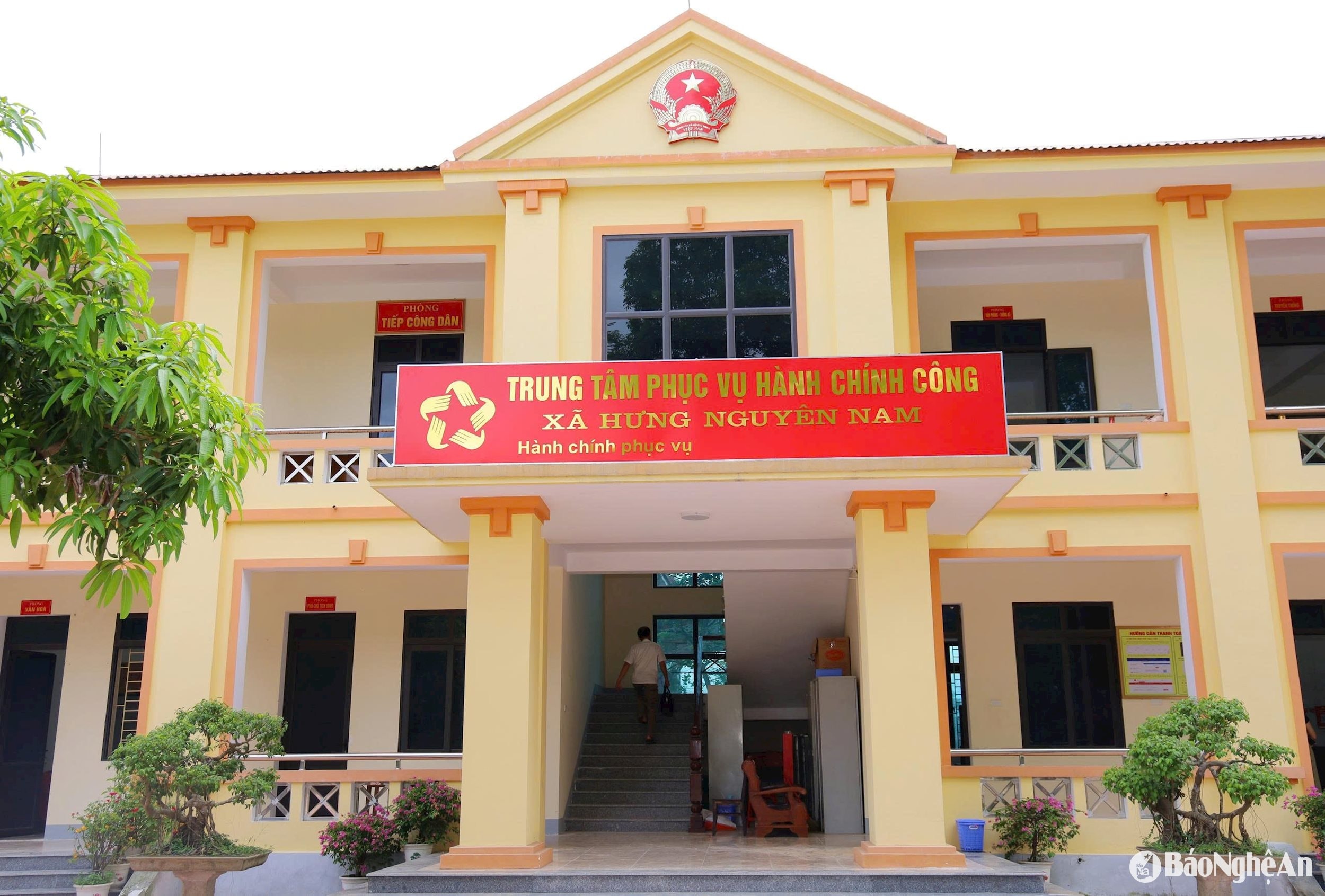
Authority of the commune-level land management agency:
- Issue inspection plans and inspection decisions regarding land-related matters within the managed area.
- Preside over and coordinate the assessment of compensation, support, and resettlement plans.
- Signing and confirming the cadastral map extract for the purpose of registering and issuing certificates of land use rights and ownership of assets attached to the land.
- Manage and utilize information from land records, update land changes, and record violations in land management and use in land records.
- Organize specialized land inspections, participate in the Land Dispute Mediation Council, inspect, supervise, and guide the performance of duties by officials and civil servants, resolve complaints and denunciations, and handle violations of laws on land management and use in the locality.
Authority for decentralization and delegation of power from the provincial level to the commune level:
- Decide on other measures and levels of support for each specific project.
- Decisions to reclaim land in certain special cases.
- Decisions on land allocation without land use fees, land lease with annual rent payments, approval of agreements on land use rights for project implementation, decisions on land allocation, land lease, and permission to change land use purposes in cases where land use fees and rent are completely waived for the entire lease term.
- Deciding on the form of land use, issuing certificates of land use rights and ownership of assets attached to the land for cases of special land use forms.
- Approving plans for reallocating residential land into residential areas, deciding on land allocation and leasing for civil airports and airfields.
Responsibilities of the People's Council at the commune level:
- Attend meetings of the Compensation, Support, and Resettlement Council for monitoring purposes.
- Through land use planning and plans at the commune level.
Responsibilities of the People's Committee at the commune level:
- Provide feedback on provincial-level land use planning.
- Organize the preparation and adjustment of land use planning at the commune level, and the 5-year land use plan at the commune level.
- Publicly disclose land use plans and schemes at the commune level.
- Organize the implementation of local land use planning and plans.
- Announce and publicize the scope of land acquisition according to the project progress.
- Report the results of the implementation of land use planning and plans to the provincial People's Committee.
- Directing and organizing the implementation of compensation, support, and resettlement tasks.
- Managing reclaimed land in rural areas.
- Organize and implement the enforcement of land reclamation decisions and resolve complaints related to enforcement.
- Develop and implement resettlement projects, training plans, vocational retraining, and job placement programs in the local area.
- Assign responsibility to units and organizations to carry out compensation, support, and resettlement tasks.
- Managing the land areas of agricultural and forestry companies that have been transferred to local authorities, as well as alluvial land along rivers and coastlines.
- Fulfill responsibilities regarding land management and use in accordance with the decrees detailing the implementation of the Land Law.
Procedures and processes in the field of land management implemented by the commune level.
- Organize meetings with landowners in the land acquisition area, issue land acquisition notices, conduct investigations, surveys, measurements, and inventories, prepare compensation, support, and resettlement plans, publicly post the plans, solicit opinions, appraise, approve, disseminate, and publicly post the approval decisions, send the compensation, support, and resettlement plans, implement compensation, support, and resettlement arrangements, issue land acquisition decisions, organize campaigns, persuasion, and enforcement of land acquisition, and manage the acquired land.
- Carry out procedures for registering and issuing certificates of land use rights and ownership of assets attached to land in cases of gifting land use rights to the State or the community, or for expanding transportation routes.
- Implement procedures for providing information and land data to organizations and individuals in need.
Note:
+From July 1st, 2025, all tasks, roles, functions, and powers of the district-level government have been transferred to the commune-level or provincial-level government, as stipulated in the newly issued decrees on the decentralization, delegation, and delineation of authority of the two-tiered local government.
+When carrying out administrative procedures related to land, individuals and organizations need to contact the People's Committee of the commune where the land is located directly for guidance and resolution within their jurisdiction.


