
Attractive destinations in Quy Chau district
(Baonghean.vn) - As the core region of Phu Quy culture, with numerous cultural and historical relics, scenic spots, customs, traditions, and unique cultural practices... creating a distinct cultural identity, Quy Chau district has favorable conditions for tourism development.
Highlights of the Hang Bua Festival
Every year, from the 20th to the 22nd of the first lunar month, people in Quy Chau district in particular, and the ethnic minorities of Northwest Nghe An province in general, eagerly flock to the Bua Cave Festival held in Chau Tien commune. This is the biggest festival of the year, an opportunity for the people of Quy Chau (now) - formerly Chieng Ngam - to express their spiritual aspirations and recall the legends of a festival steeped in myth.
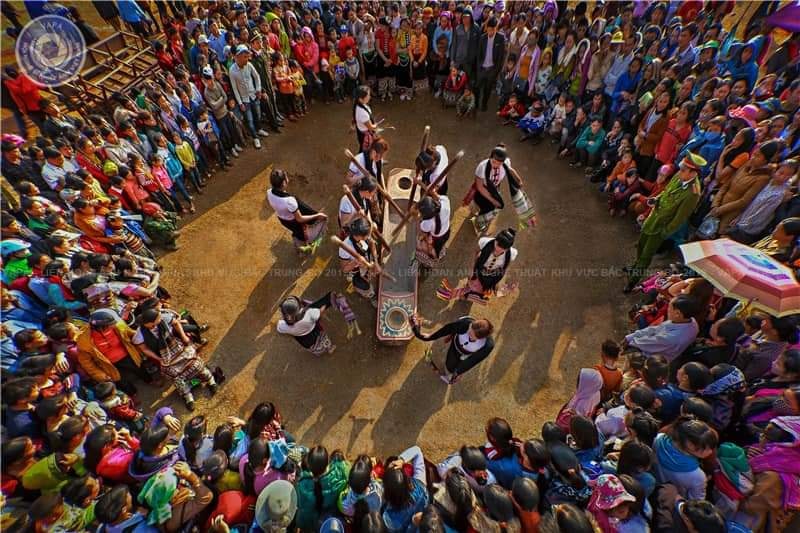
According to ancient legend, the Bua Cave is associated with the faithful love story between the beautiful and talented singer Ni and the kind and honest Ban. Later, every spring, young men and women in the area would gather in the cave to confide in each other and pray for good fortune in their married life. Over time, this custom became an annual festival for the local people.
The Hang Bua Festival is also an opportunity for locals and tourists from all over to return and participate in the festival, immerse themselves in cultural and artistic activities; experience unique and impressive folk games; and admire the fascinating and vivid stalactites and stalagmites inside the cave.
The Hang Bua Festival consists of a ceremonial part and a festive part. The festive part includes cultural activities such as camping, art competitions, Thai script writing competitions, embroidery and weaving competitions, presentations of Thai cuisine; sports and physical activities, and folk games such as crossbow shooting, stilt walking, furrow carving - gong playing, carousel rides, stick pushing, tug-of-war, and throwing the ball… all rich in cultural identity.
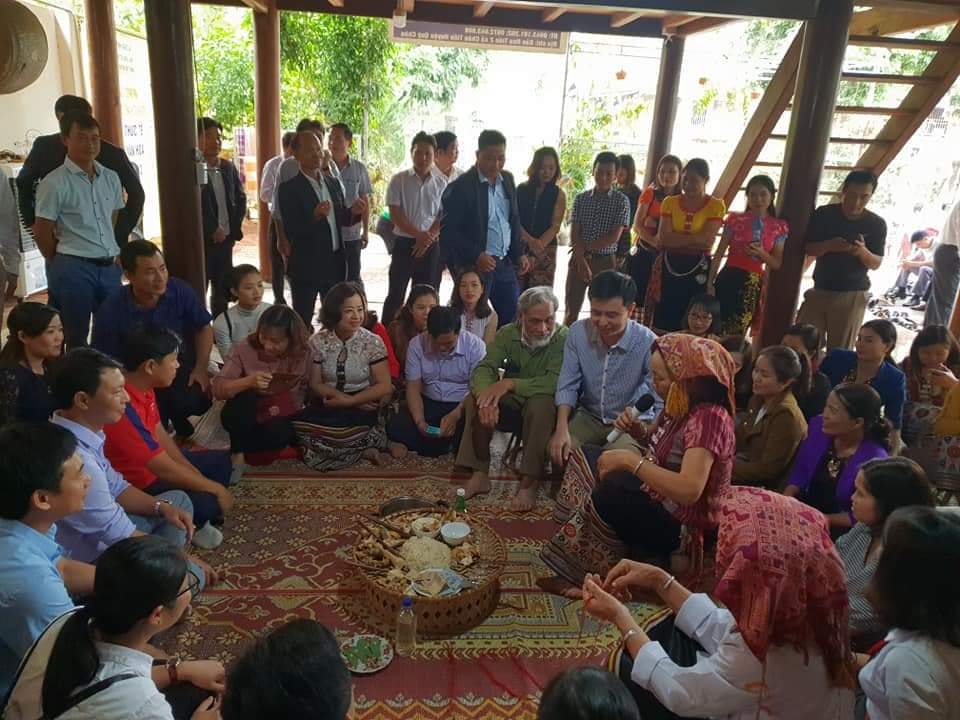
Mr. Nguyen Hung Cuong, Head of the Culture and Information Department of Quy Chau District, said: “From the beginning of January 2024, the District People's Committee issued a plan to organize the Hang Bua Festival, established the Organizing Committee, and held meetings to assign tasks to its members. A highlight of the opening night was the “Hang Bua Beauty Contest” along with cultural performances showcasing the rich cultural identity of the Thai ethnic group, attracting thousands of visitors from near and far; thereby, promoting the image of Quy Chau's land and people more widely...”.
Unique tourism potential
At the Hang Bua Festival, visitors can not only immerse themselves in the joyful and vibrant atmosphere with the ethnic people of Quy Chau district, but also visit the district's historical sites and scenic spots such as the tomb-stele-apple tree complex of General Lang Van Thiet, the Quy Chau District Museum of Ethnic Cultures, the Tham Om, Tham Chang, and Ton That cave complex, Tat Ngoi waterfall, Dua waterfall, the ancient Thai village, and the Hoa Tien village, a traditional brocade weaving village and community tourism destination…
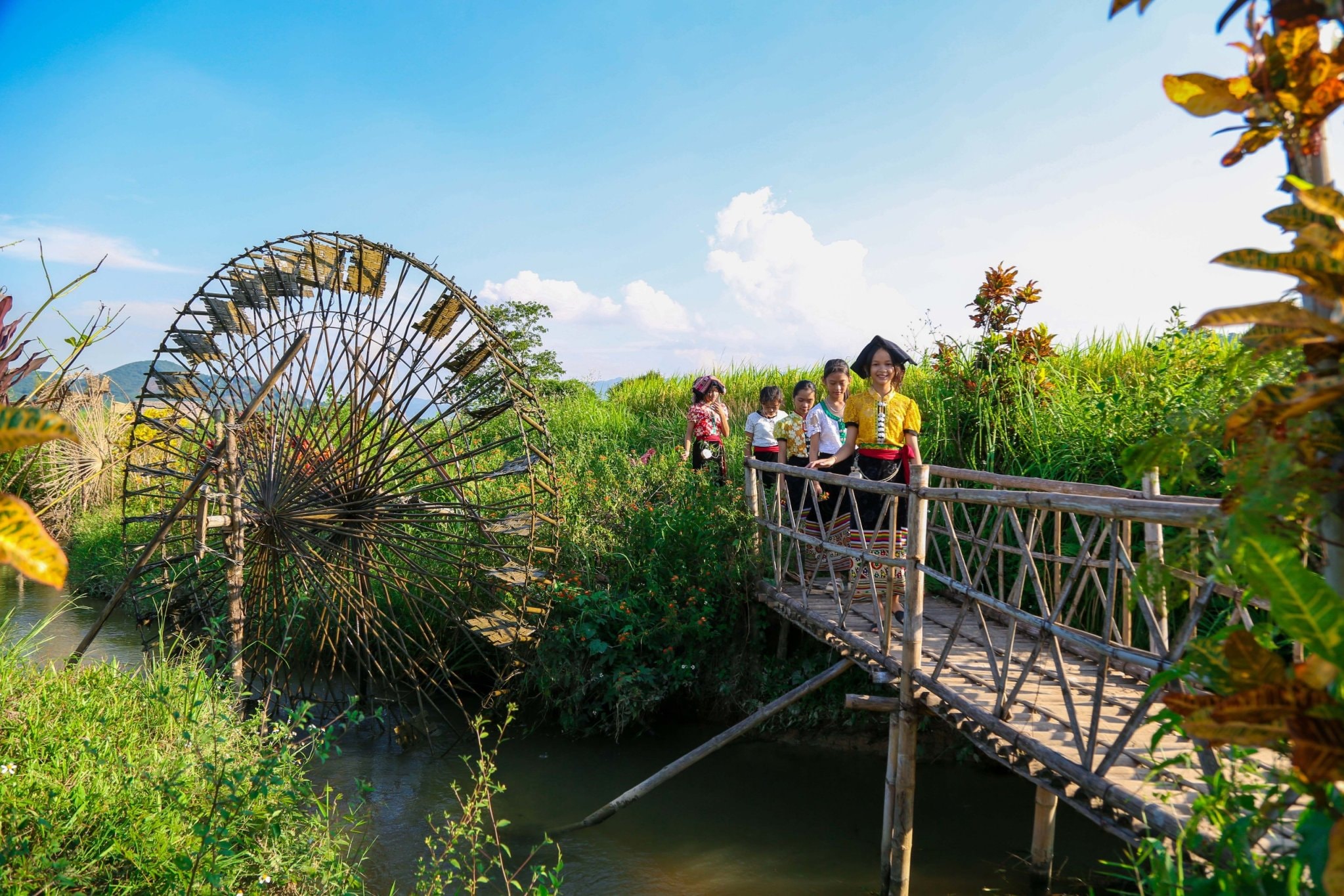
Currently, Quỳ Châu district has four villages designated for community tourism development: Hoa Tiến 1 and Hoa Tiến 2 villages in Châu Tiến commune; Kẻ Can village in Châu Bình commune; and Minh Châu village in Châu Hạnh commune. In Hoa Tiến village, 98% of the population are ethnic Thái people living peacefully along the picturesque Hiếu River, comprising 386 households and over 300 stilt houses. Ten households in the village have been upgraded to community guesthouses. In 2021, the Hoa Tiến Community Tourism Cooperative was established and recognized by the province as a 3-star OCOP product, essentially meeting the needs for community tourism experiences.
To promote the development of the tourism industry, in recent years, tourist accommodation facilities in the district have been invested in and built to a high standard, including 6 accommodation establishments, guesthouses, and hotels with a total of 84 rooms and 170 beds; 9 homestays that can accommodate 220 guests per day and night; and 156 food and beverage businesses offering local specialties to meet the culinary needs of tourists and local people.
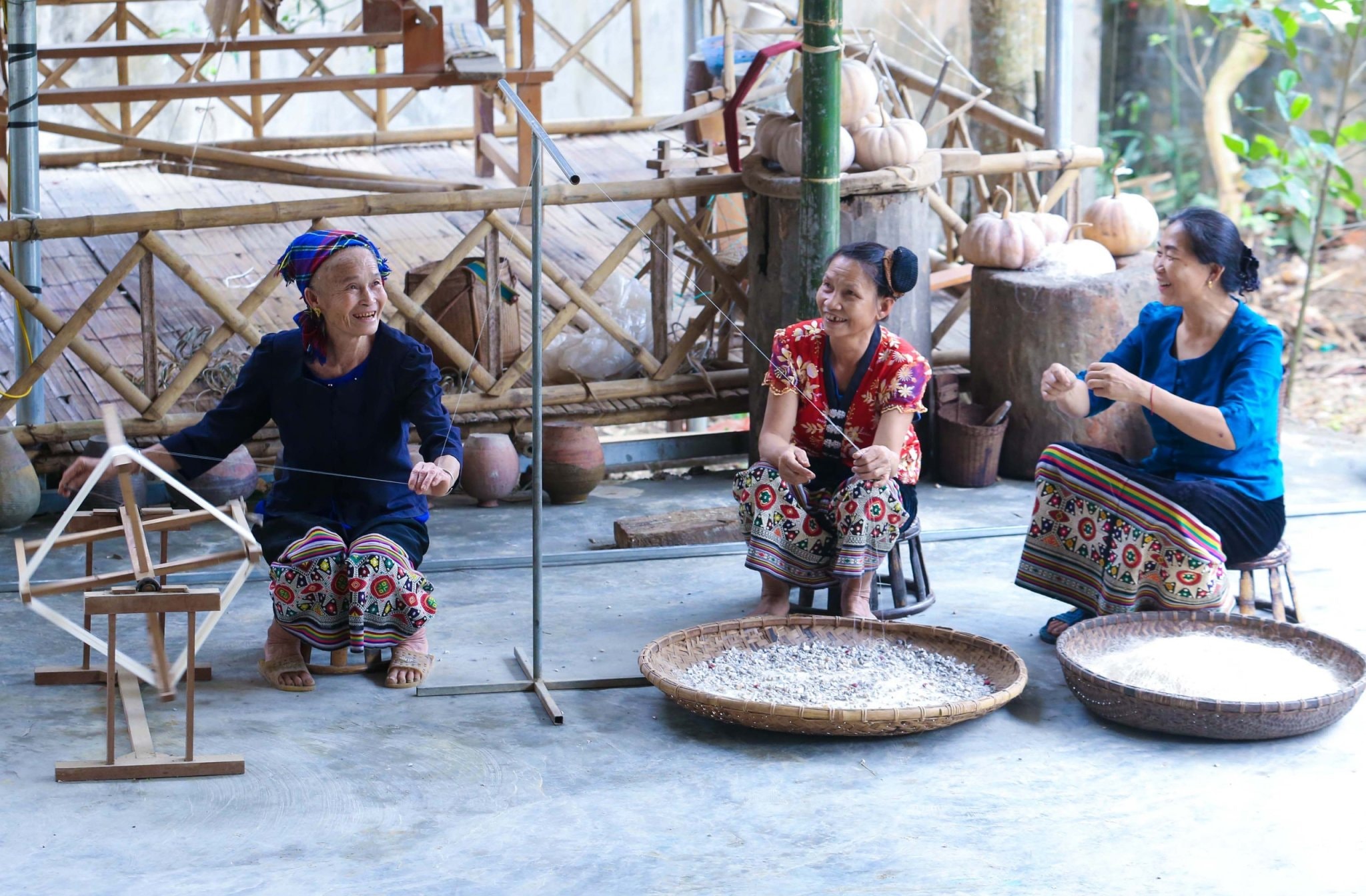
The preservation and promotion of traditional values of ethnic minorities are given attention; the district has 24 traditional culture preservation clubs, including one provincial-level cultural club (Hoa Tien village, Chau Tien commune). Along with this, efforts are being made to restore and preserve traditional cultural values such as: handicrafts (embroidery and weaving of brocade, rattan and bamboo weaving, incense making, etc.); and distinctive local products: honey, medicinal wines, and local cuisine.
In particular, to facilitate tourists visiting attractive tourist destinations in the area, Quy Chau district has developed the "Returning to the Ancient Land of Quy Chau" tour. This 2-day, 1-night tour includes the following itinerary: Quy Chau Red Stone Region, Khe Ban Waterfall (Chau Binh commune) - Quy Chau District Museum of Ethnic Cultures (Tan Lac town) - Hoa Tien Community Tourism Village - Chieng Ngam Temple - Bua Cave (Chau Tien).
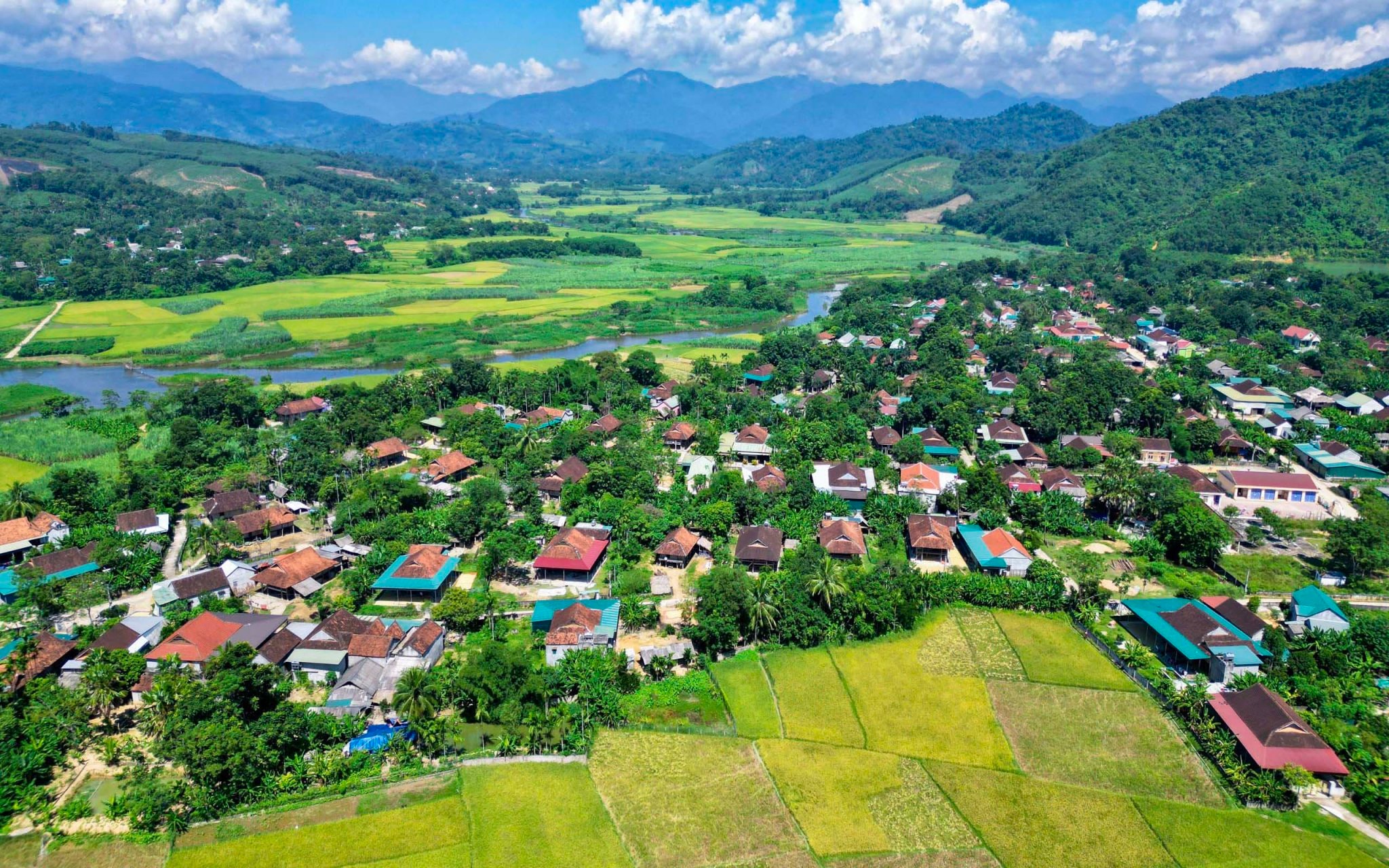
Thanks to effective policies and tourism development plans, in 2023, Quy Chau district welcomed approximately 16,000 visitors; including 4 international groups from China, Italy, Germany, and Russia; with estimated revenue exceeding 3.8 billion VND. Tourist attractions included: the Museum of Ethnic Cultures, Hoa Tien community tourism village, Bua Cave - Chieng Ngam Temple, Khe Ban Waterfall, Dua Waterfall, and the Rabbit Garden ecological area…
Mr. Le Thanh Ha, Vice Chairman of the Quy Chau District People's Committee, said: “To develop Quy Chau tourism to its full potential, in the coming time, the district will focus resources on completing the Museum of Ethnic Cultures of Western Nghe An in Quy Chau district; investing in initial infrastructure for some scenic areas such as Khe Ban Waterfall, Khe My Waterfall, and Hoa Tien community tourism village to be ready to welcome tourists, thereby promoting the image and attracting investment for tourism. At the same time, we will invest in upgrading the Lang Van Thiet Tomb Relic Site in Chau Hoi commune; reviewing the overall planning of Bua Cave and Chieng Ngam Temple relics to make appropriate adjustments, and doing a good job of preparing for investment... striving to increase the number of tourists coming to Quy Chau in the coming years.”


