
The mysterious procession of the deity has been honored as a National Intangible Cultural Heritage.
(Baonghean.vn) - The procession of the deity on the Lam River is one of the traditional rituals of the Thanh Liet Temple Festival, also known as the clam procession festival (Hung Lam commune, Hung Nguyen district). The festival, recognized as a National Intangible Cultural Heritage, attracts a large number of local people and tourists from near and far due to its sacred and mysterious nature.
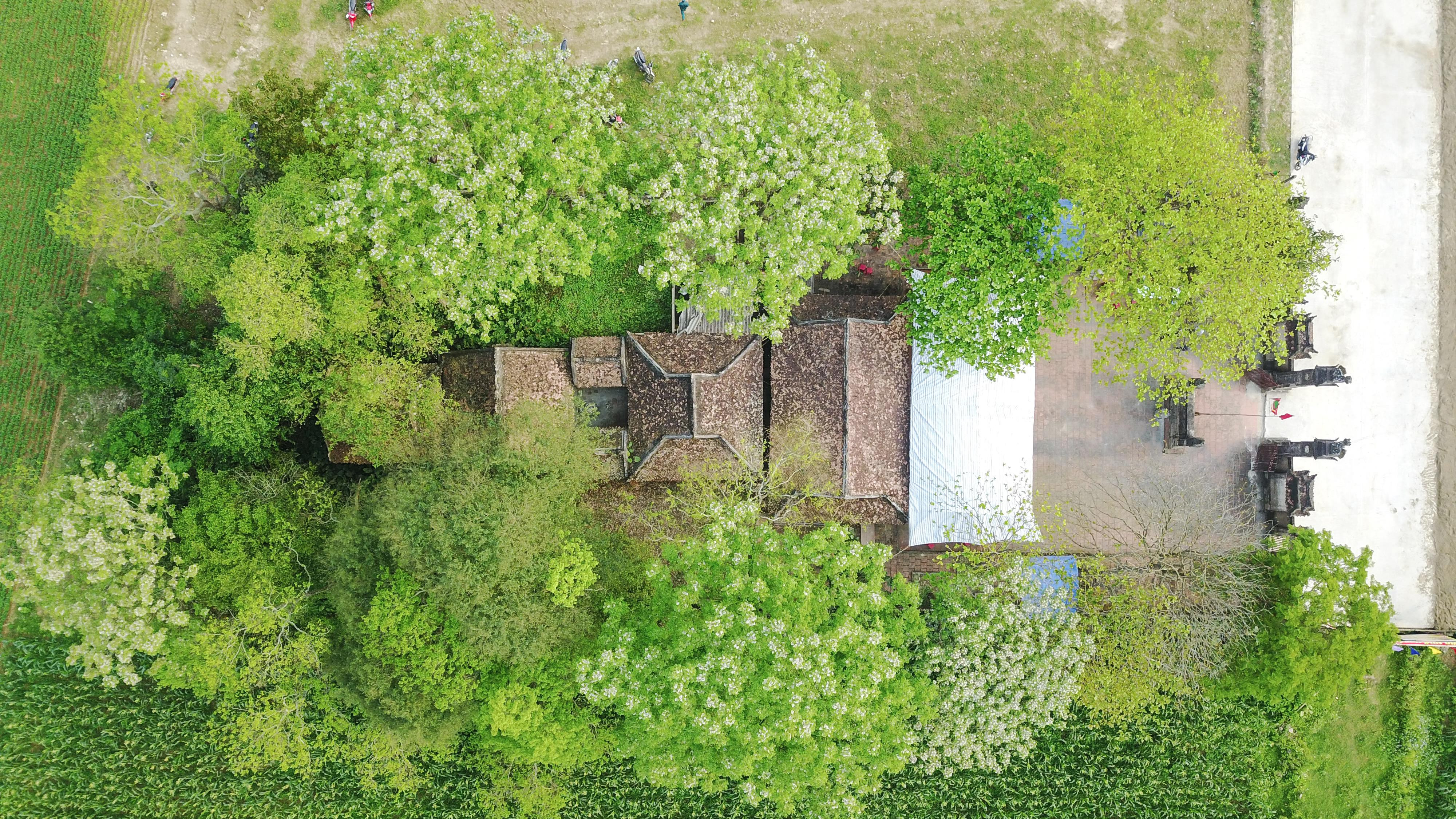 |
| A view of Thanh Liet Temple from a drone perspective. Legend says the temple was built during the reign of Le Thanh Tong, dedicated to Sat Hai Dai Vuong Hoang Ta Thon, Nghia Liet Vuong Nguyen Bieu, Long Vuong, Ba Chua Lieu Hanh, and Son Lieu Doc Cuoc. The temple has four buildings: the lower hall, the middle hall, the upper hall, and the sanctuary. Photo: Trung Ha |
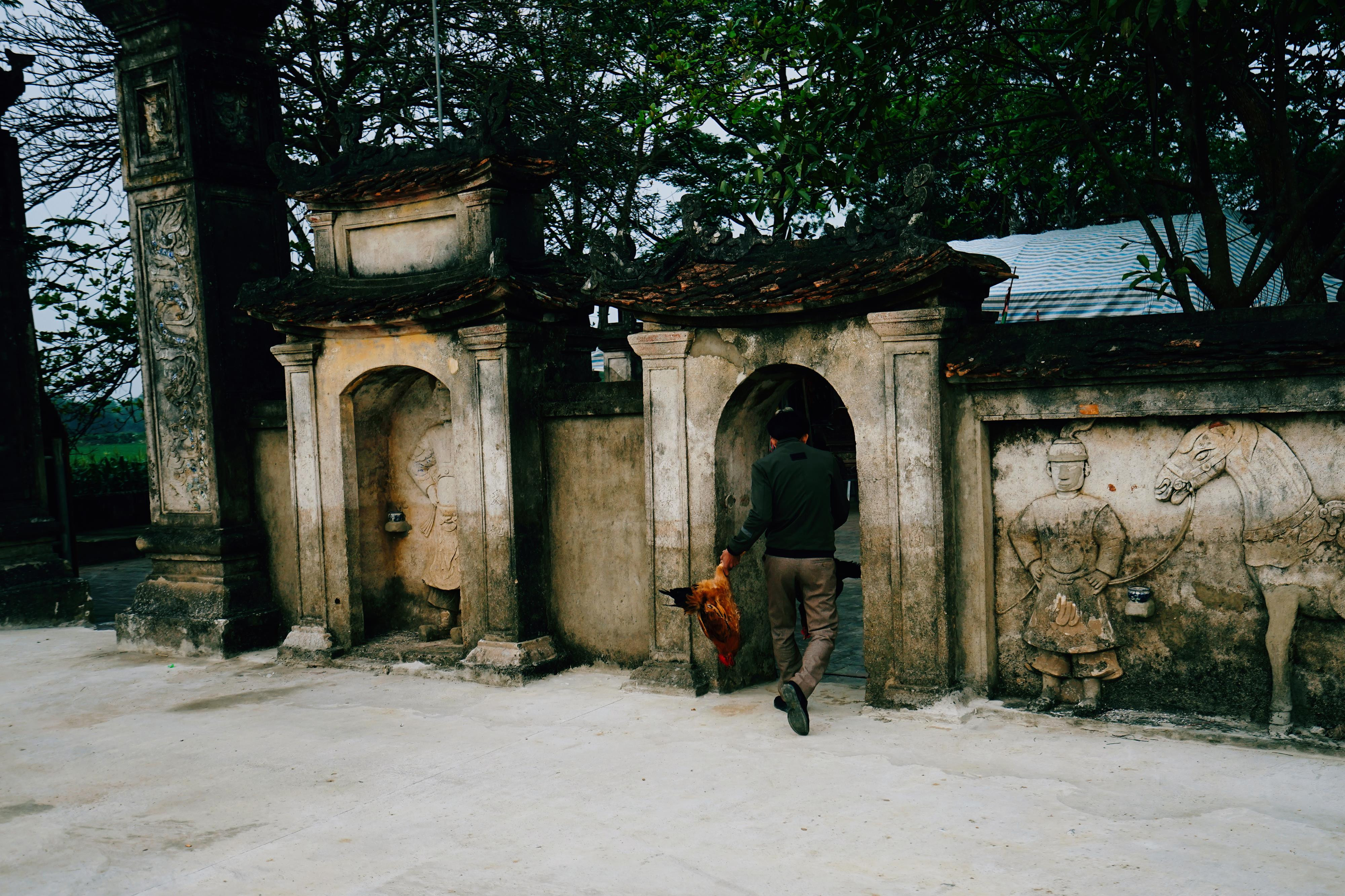 |
| Through many historical ups and downs, the temple has deteriorated in many aspects. However, many traces of ancient architecture still remain, such as the sculpted horses and elephants on either side of the triple-arched gate; and the details carved with the four mythical creatures and four auspicious symbols... Photo: Trung Ha |
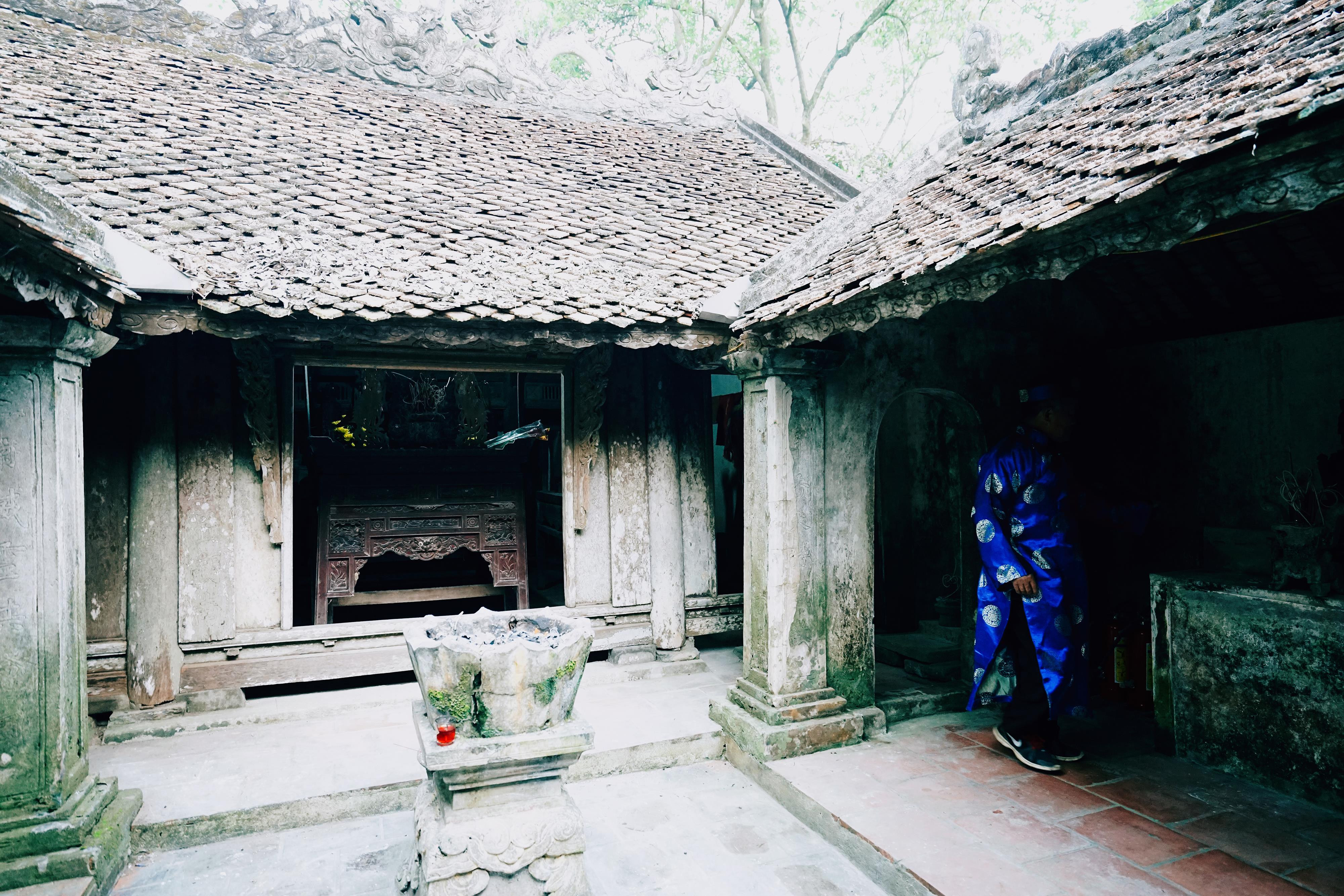 |
| This ancient riverside temple is associated with a sacred and mysterious festival, reflecting the mindset and beliefs of the riverine inhabitants: the clam procession festival. Traditionally, the festival includes several steps: offering sacrifices to the deity at Thanh Liet Temple, a procession of the deity on the Lam River, clam harvesting competitions, and clam raking... Photo: Trung Ha |
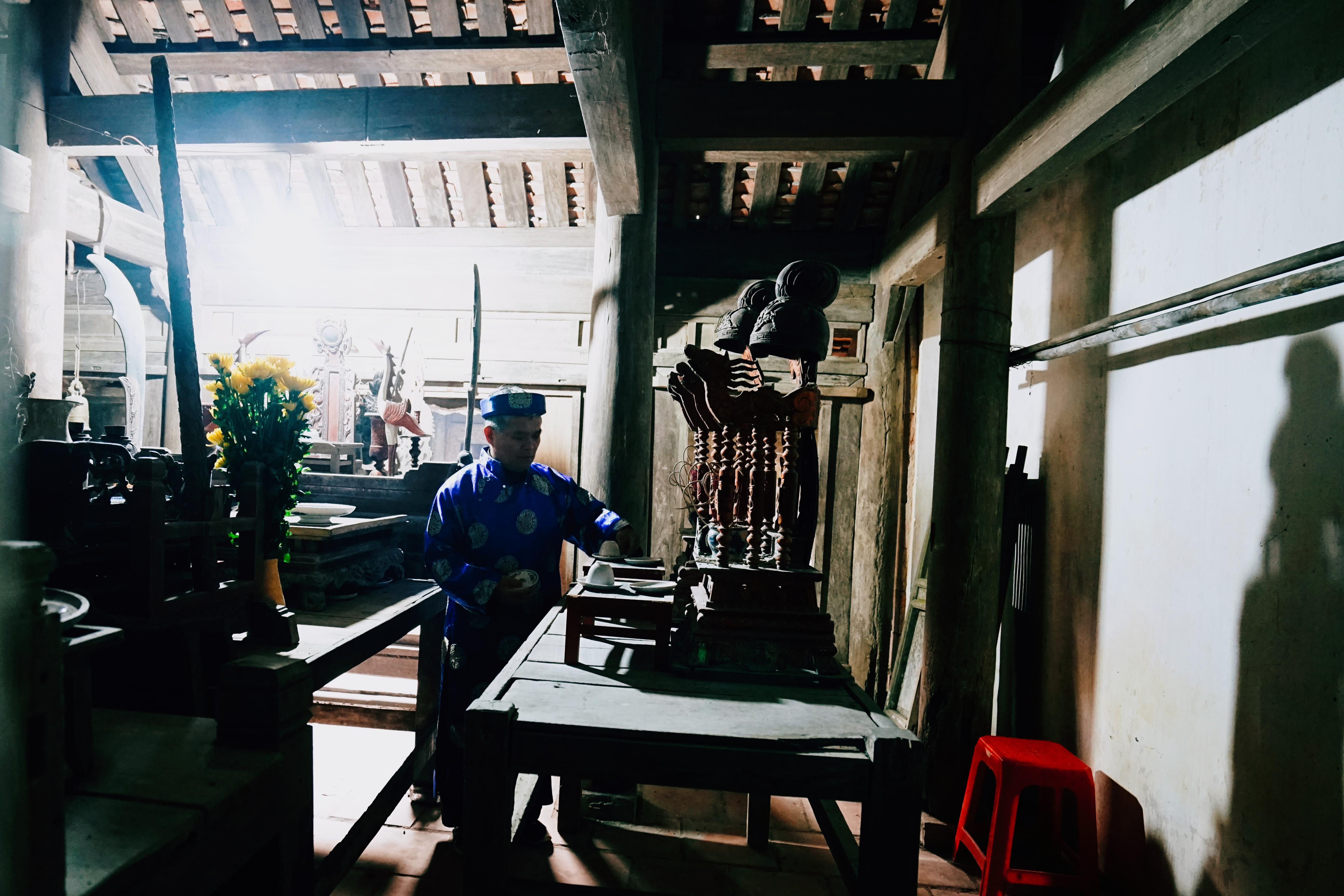 |
| Those participating in the rituals are all devout and virtuous elders of the village. The rituals include the opening ceremony, the bathing ceremony, the placement ceremony, and the ceremony of inviting the deities to attend, and asking for clear skies and calm weather. Photo: Trung Ha |
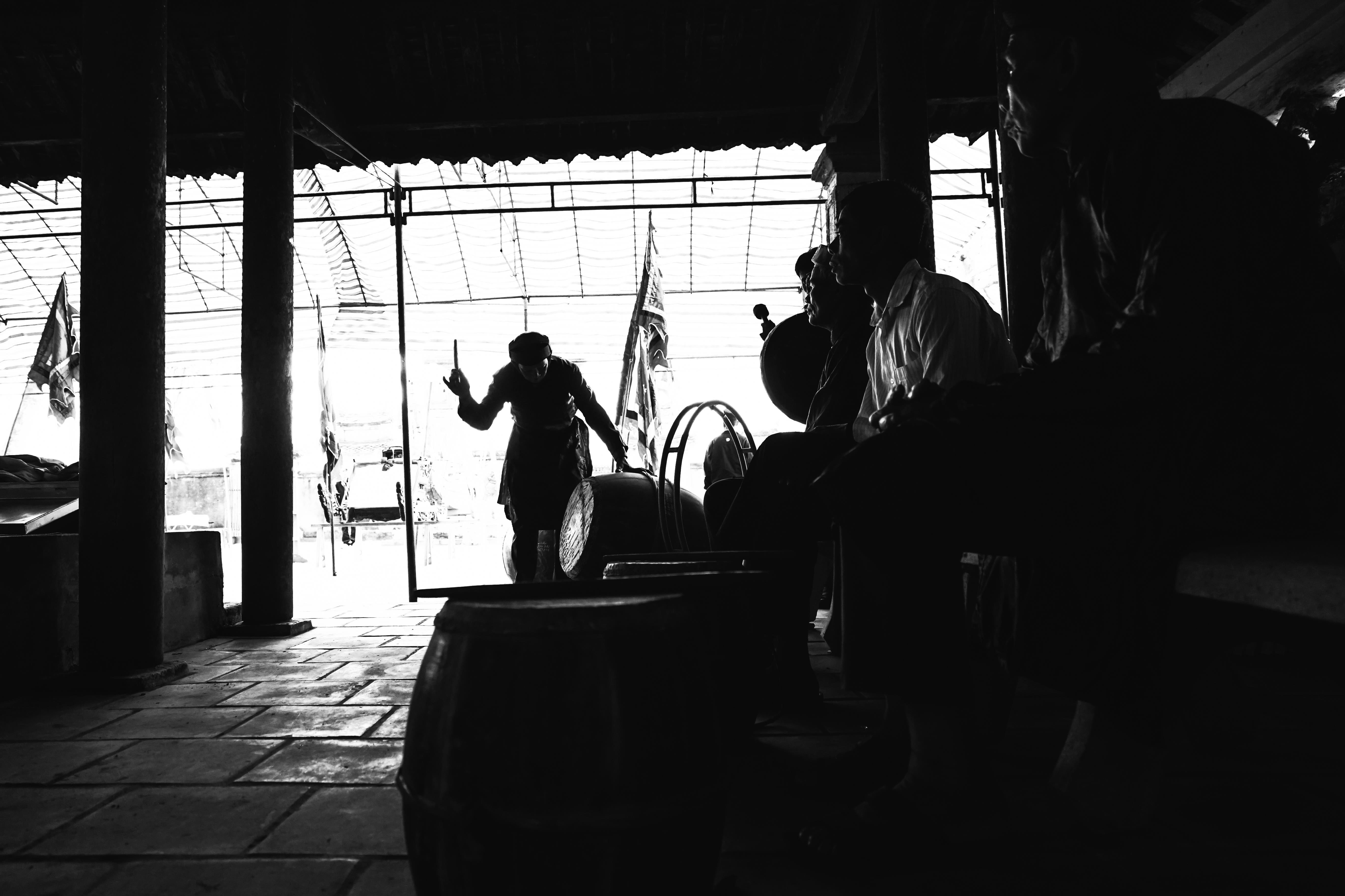 |
| The ceremonial music ensemble comprises individuals skilled in musical theory and knowledgeable in the sequence of rituals. This is a crucial part of the overall activities, signaling the beginning, transition, and conclusion of the rituals, creating a sacred atmosphere, and acting as a "bridge" connecting the human mind with the divine realm. Photo: Trung Hà |
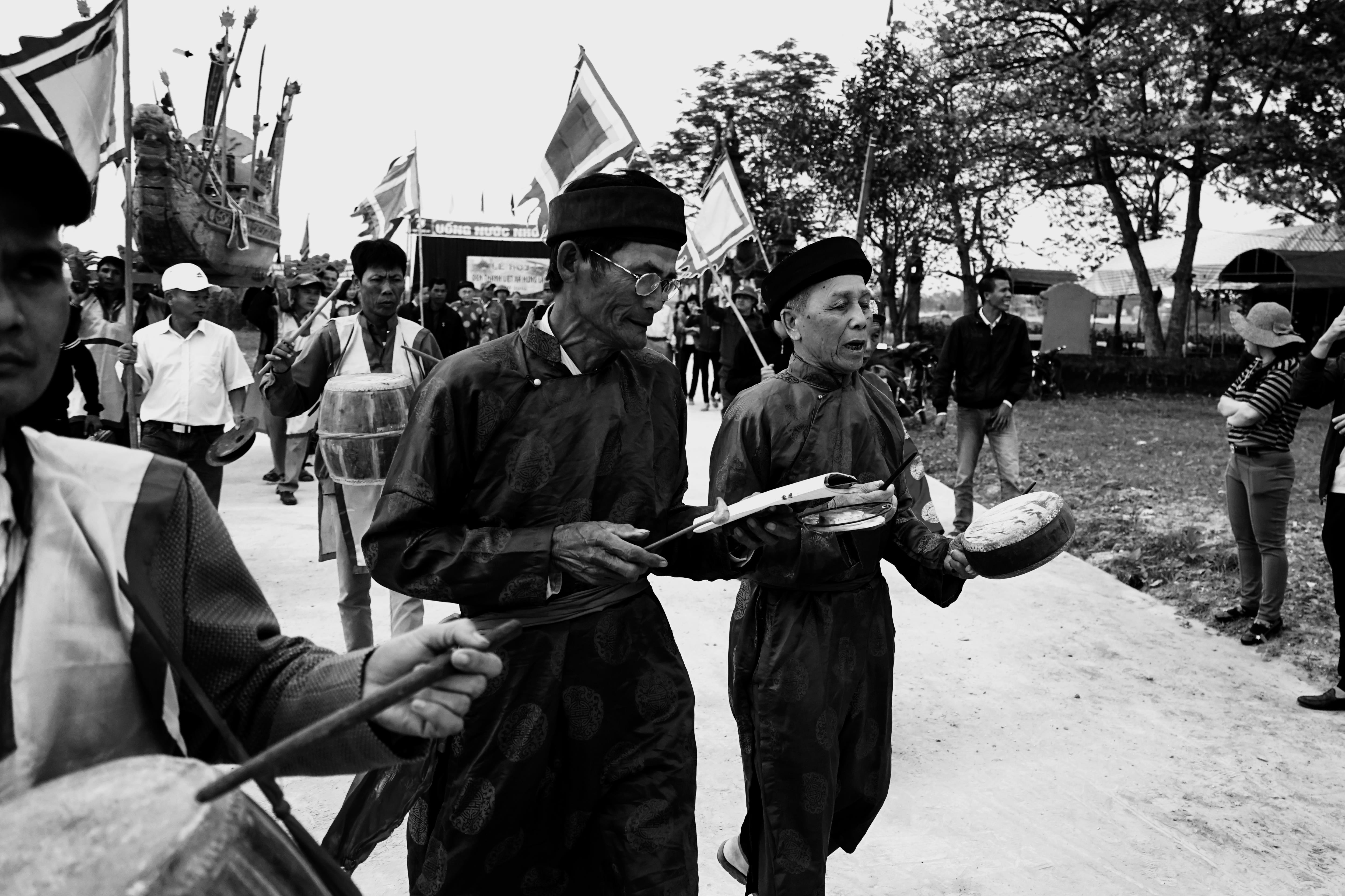 |
| Following the ritual of offering sacrifices to the gods at the temple is the procession of the deity on the Lam River. The procession moves from the temple to the riverbank not far away. Along the way, the chief officiants recite prayers, asking for national peace and prosperity, favorable weather, and abundant harvests. Photo: Trung Ha |
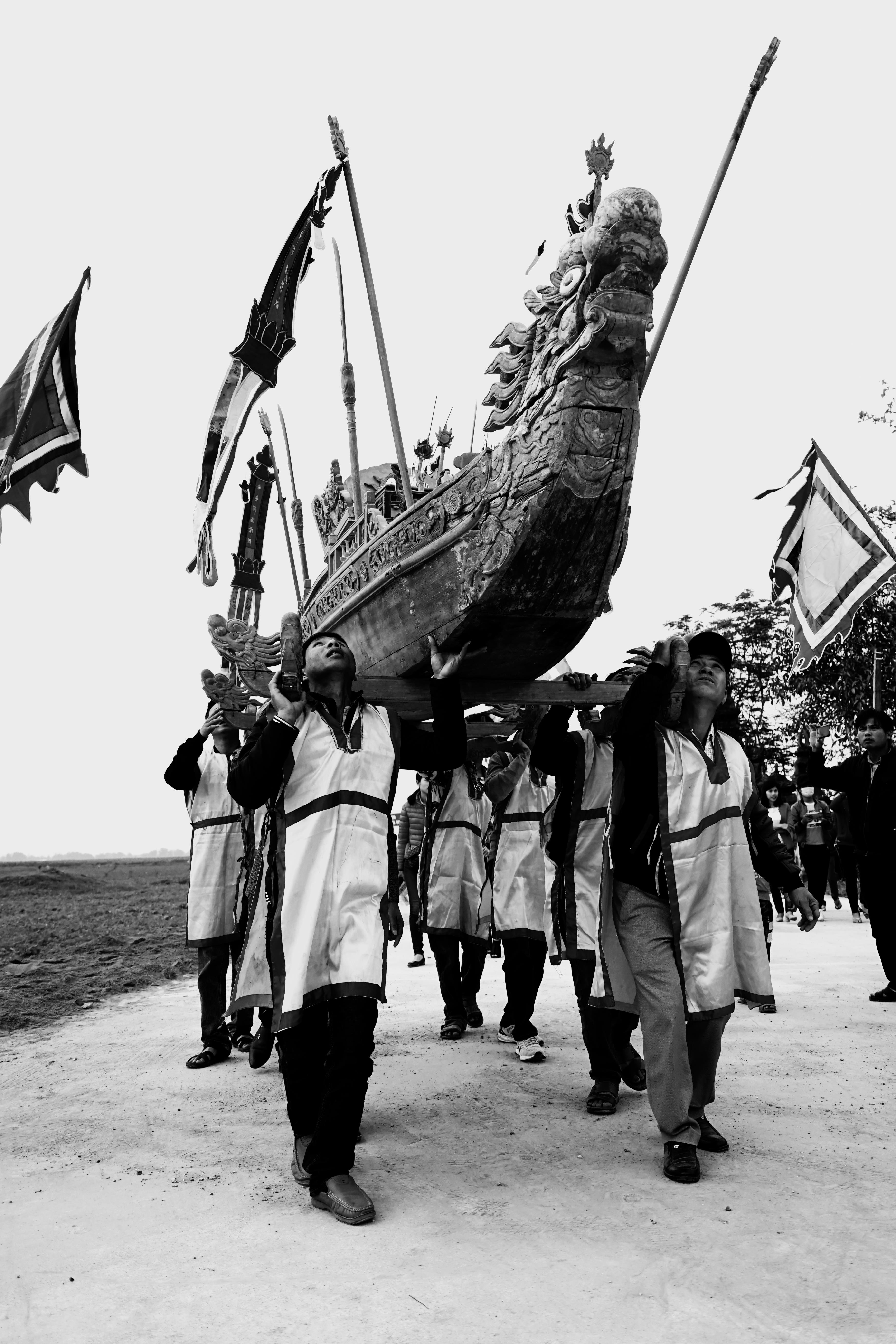 |
| The highlight of the procession is the dragon boat, made of wood painted in red and gold, with vividly carved patterns and exquisite craftsmanship. The boat is a symbol of the fishermen of the Lam Giang river region and is considered by many cultural researchers to be a unique artifact remaining in the historical sites of Nghe An province. Photo: Trung Ha |
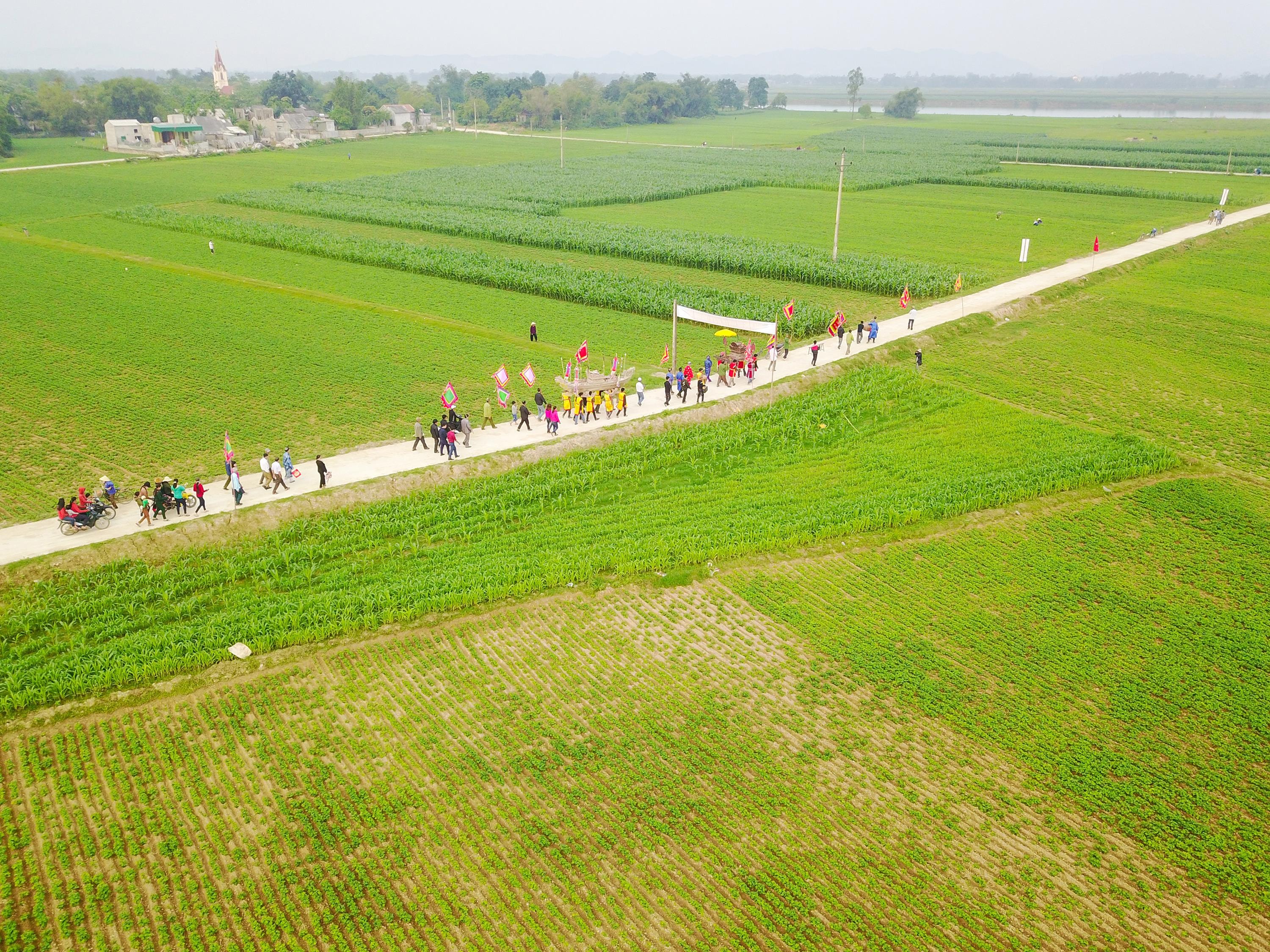 |
| A procession of hundreds of people walked across tranquil fields, heading towards the picturesque riverbank. The procession of deities to the Lam River included: the King of the Water Kingdom, the Heavenly King, Ha Ba, Sat Hai Dai Vuong, Mau Lieu Hanh, Nghia Liet Vuong, Doc Cuoc Dai Vuong... Photo: Trung Ha |
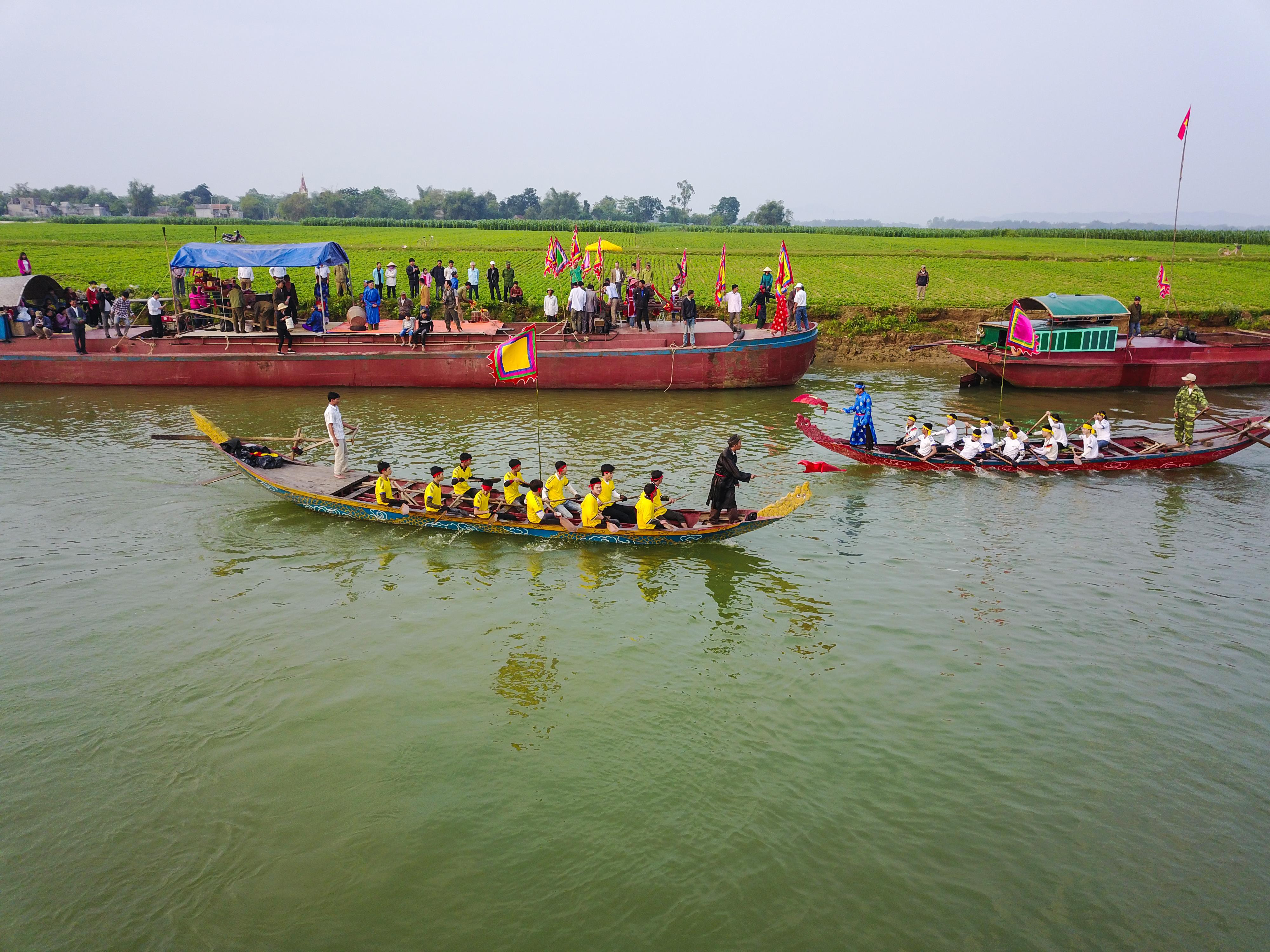 |
The procession disembarked onto the boats, with uniformed guards on either side of the dragon boats, holding ceremonial objects and oars, standing solemnly as guards. There's a folk saying:Take the Emperors across the river.Wishing for good fortune, clams, and fish, all with a joyful heart... Photo: Trung Ha |
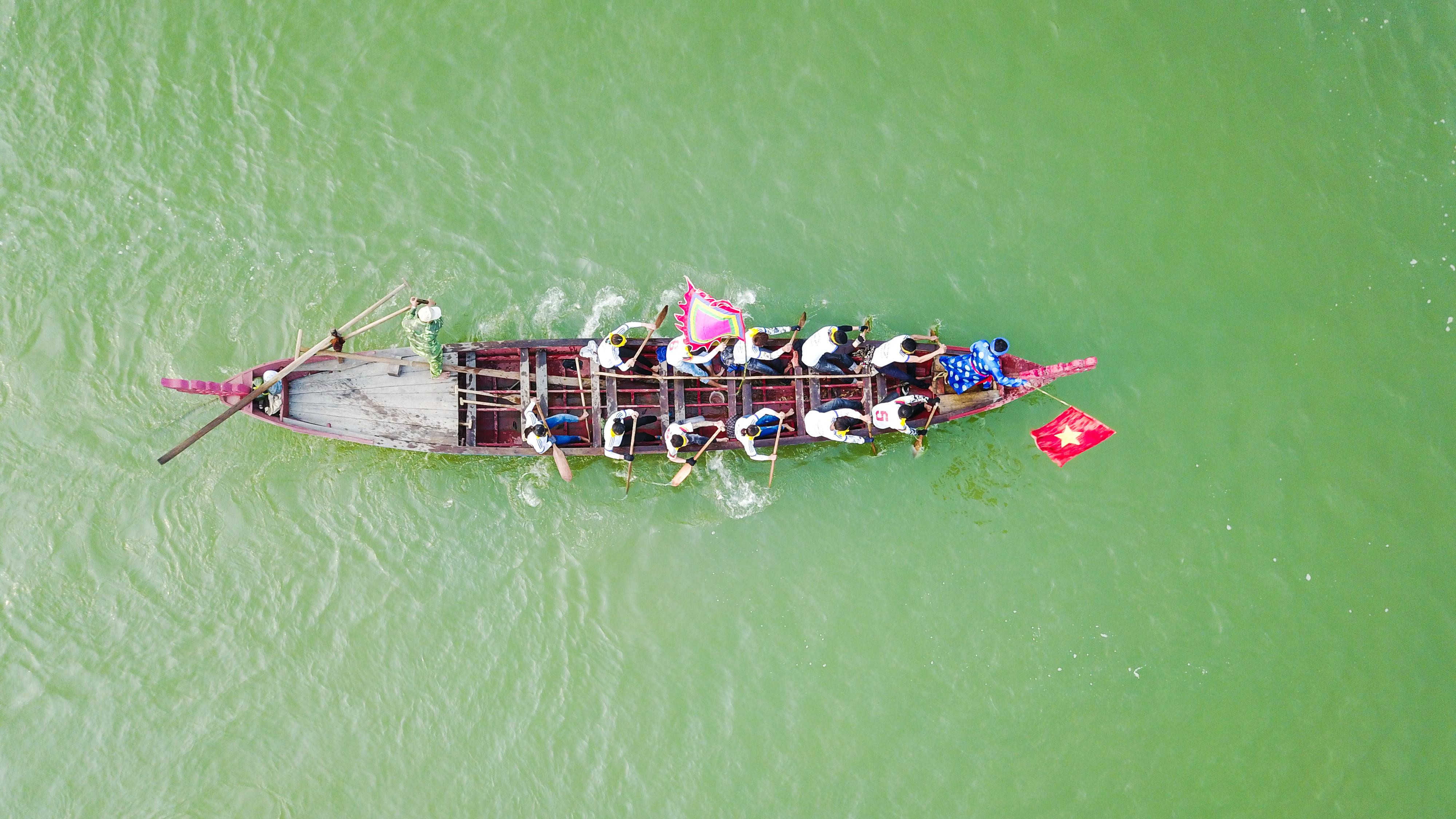 |
| The procession sailed upstream to Nghia Son village, Hung Long commune, to perform the ceremony, then continued to the confluence of the La River (Ha Tinh province) and the Lam River (Nghe An province) to stop for the Ky Yen ceremony. After the rituals of inviting and offering sacrifices to the deities, the chief priest, possessed by a spirit, held incense and bowed before the offering tray of five fruits. He then scattered items such as porridge, puffed rice, corn, rice, salt, fruits, and gold coins into the river and burned the offerings (the Phung Tan feast). The ceremony prayed for a year of peaceful waterways, abundant fish and shrimp catches, and a harmonious and prosperous life. Photo: Trung Ha |


