Economy

Watch the trawling at dawn on Cua Lo beach.

Quang An April 6, 2025 07:37

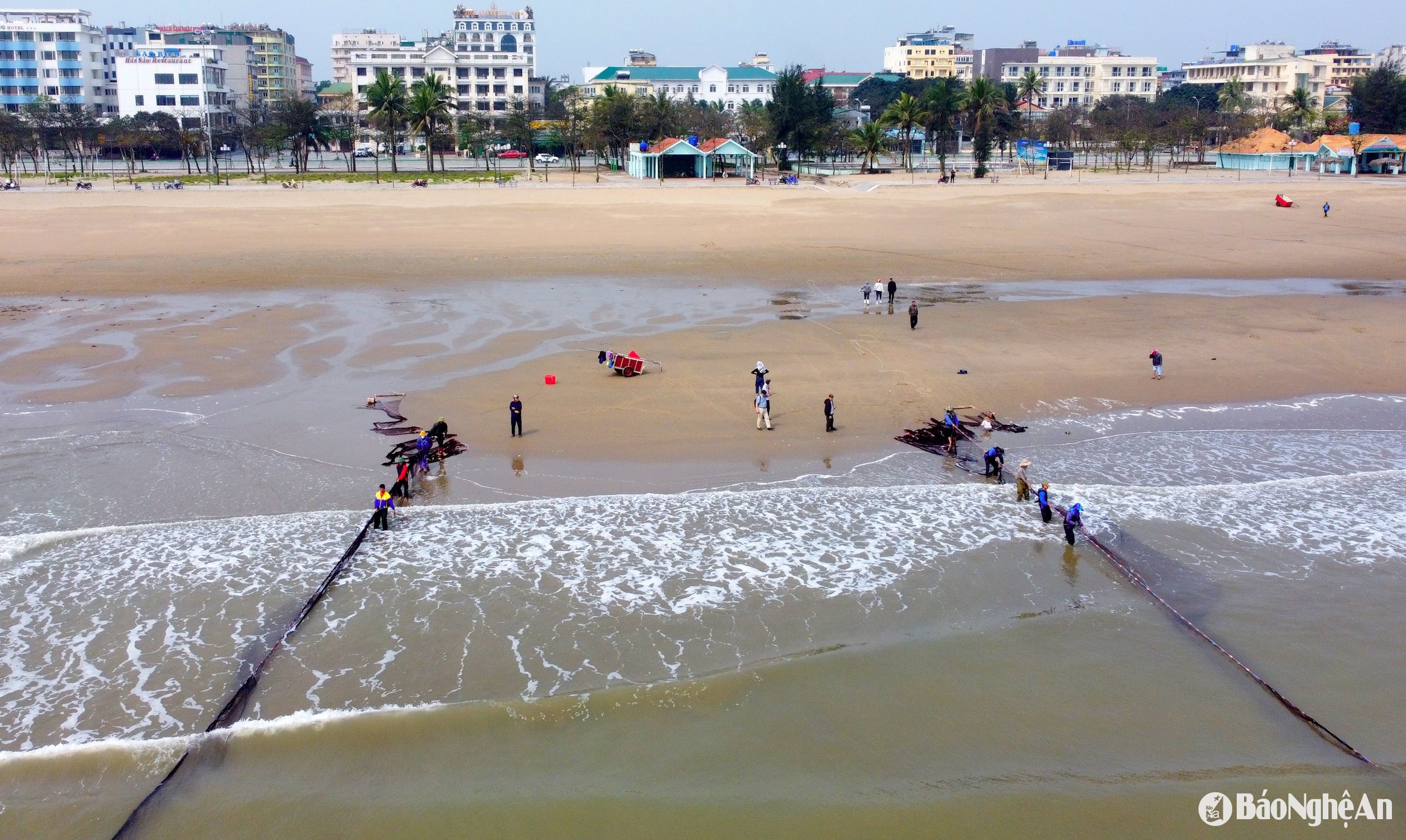
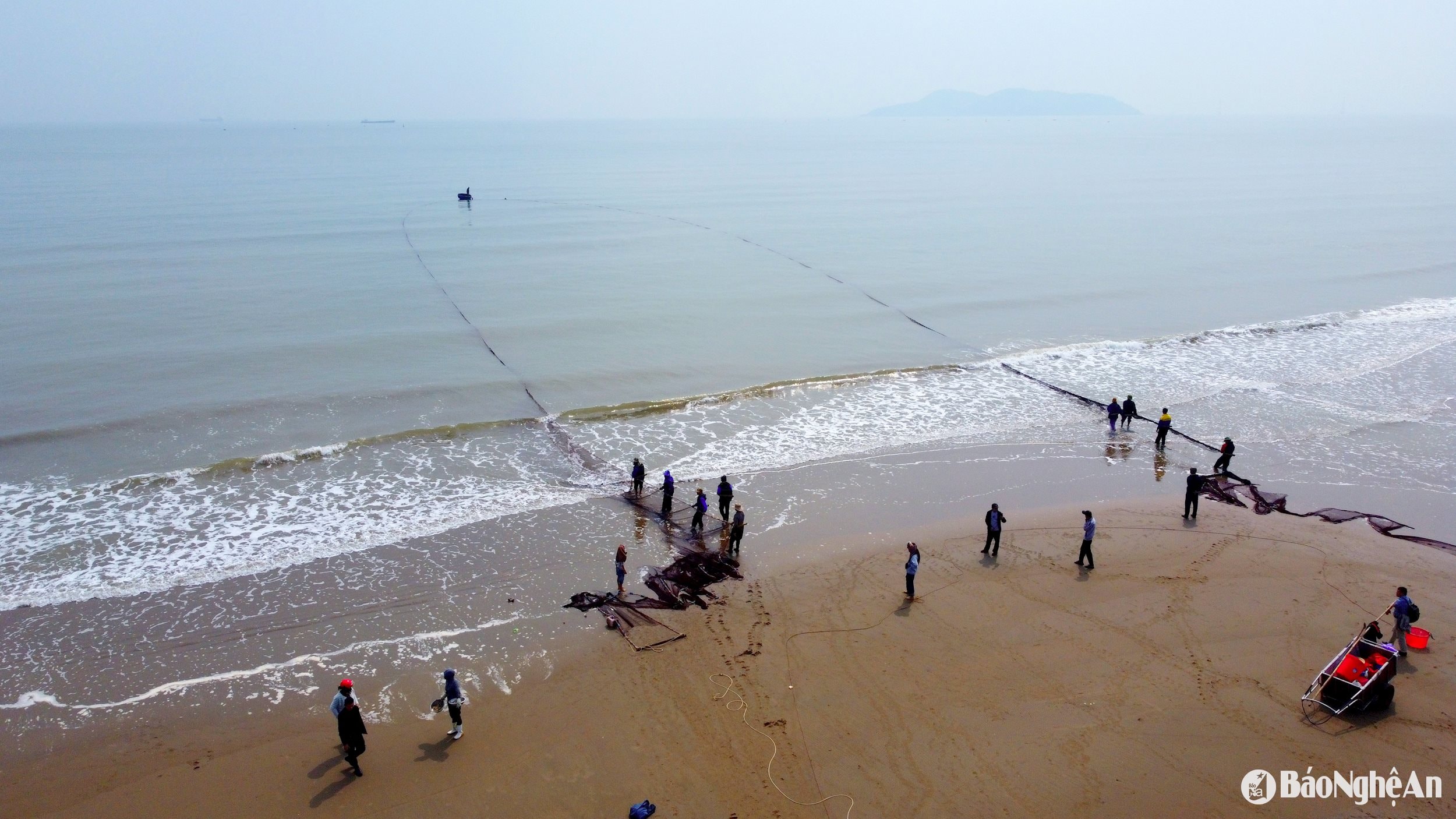
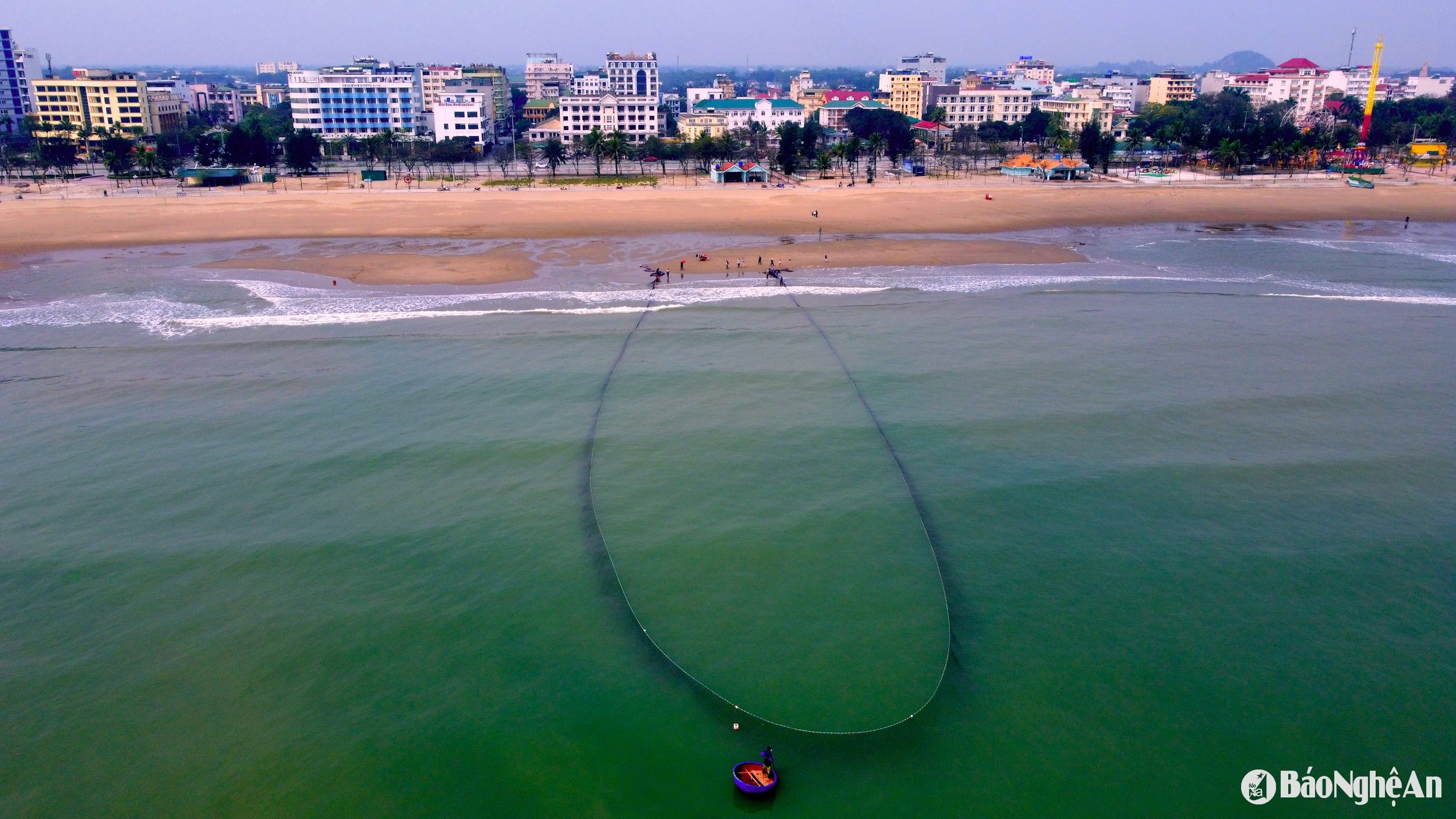
Along the long stretch of Cua Lo beach in Vinh City, the practice of dragnet fishing is not only a means of livelihood but also a distinctive cultural feature of the local fishermen. Every early morning, the bustling atmosphere of dragnet fishing creates a vibrant picture of labor on the water.
Clip: QA
kéo 4
Trawl fishing at sea is a traditional fishing method of the people of Cua Lo, Vinh City, in which fishermen use a large net (called a seine net) to surround and collect fish, shrimp, or other seafood. This is a method of harvesting seafood near the shore, usually lasting from January to September of the lunar calendar, a period when the sea is calm. Photo: QA
kéo 1
To practice seine fishing, fishermen need to acquire a long net with small mesh. The person in charge of deploying the net must travel by boat from the shore about 1 km out to sea, then lower the net into the water in an arc or U-shape. Photo: QA
kéo 6
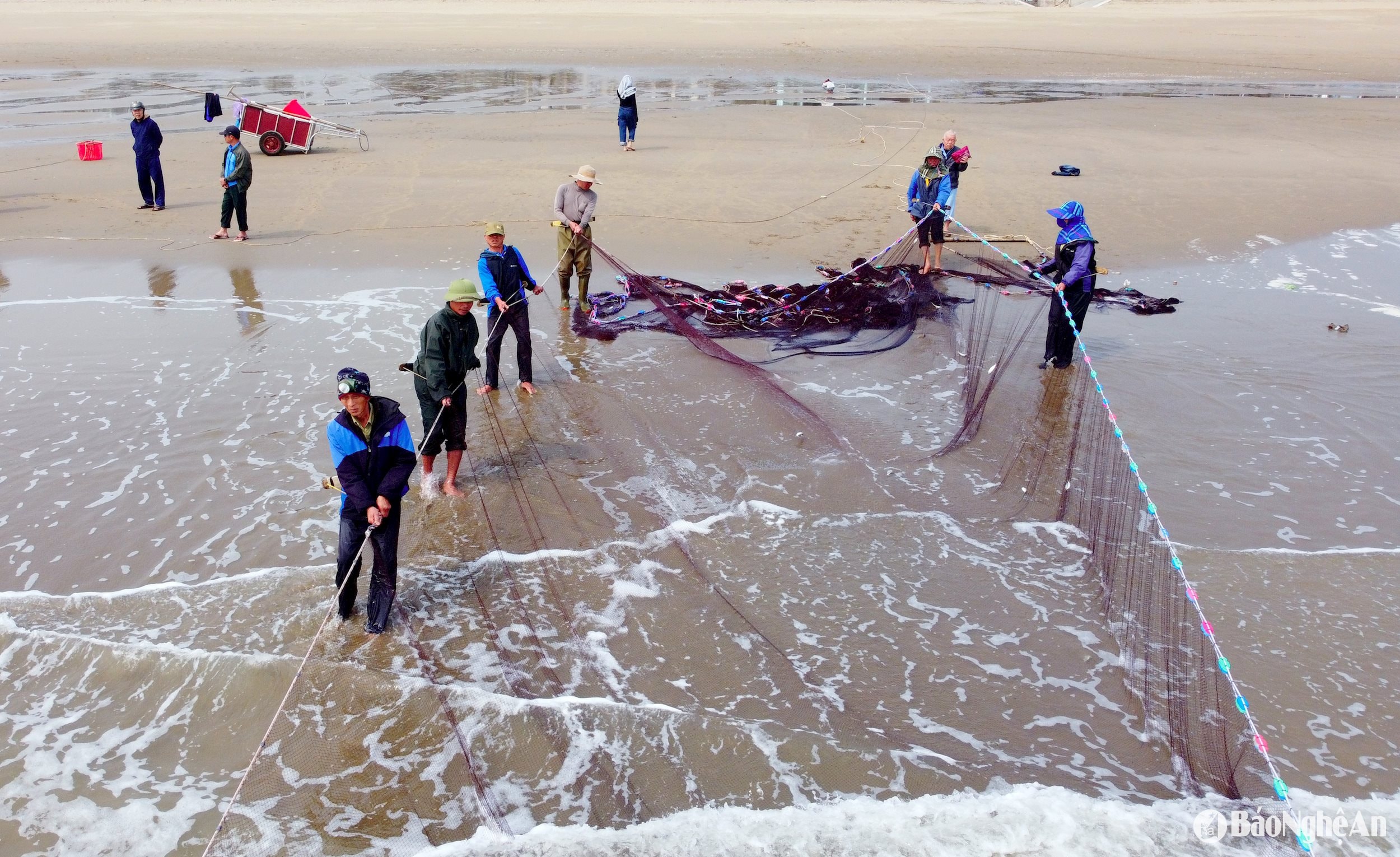
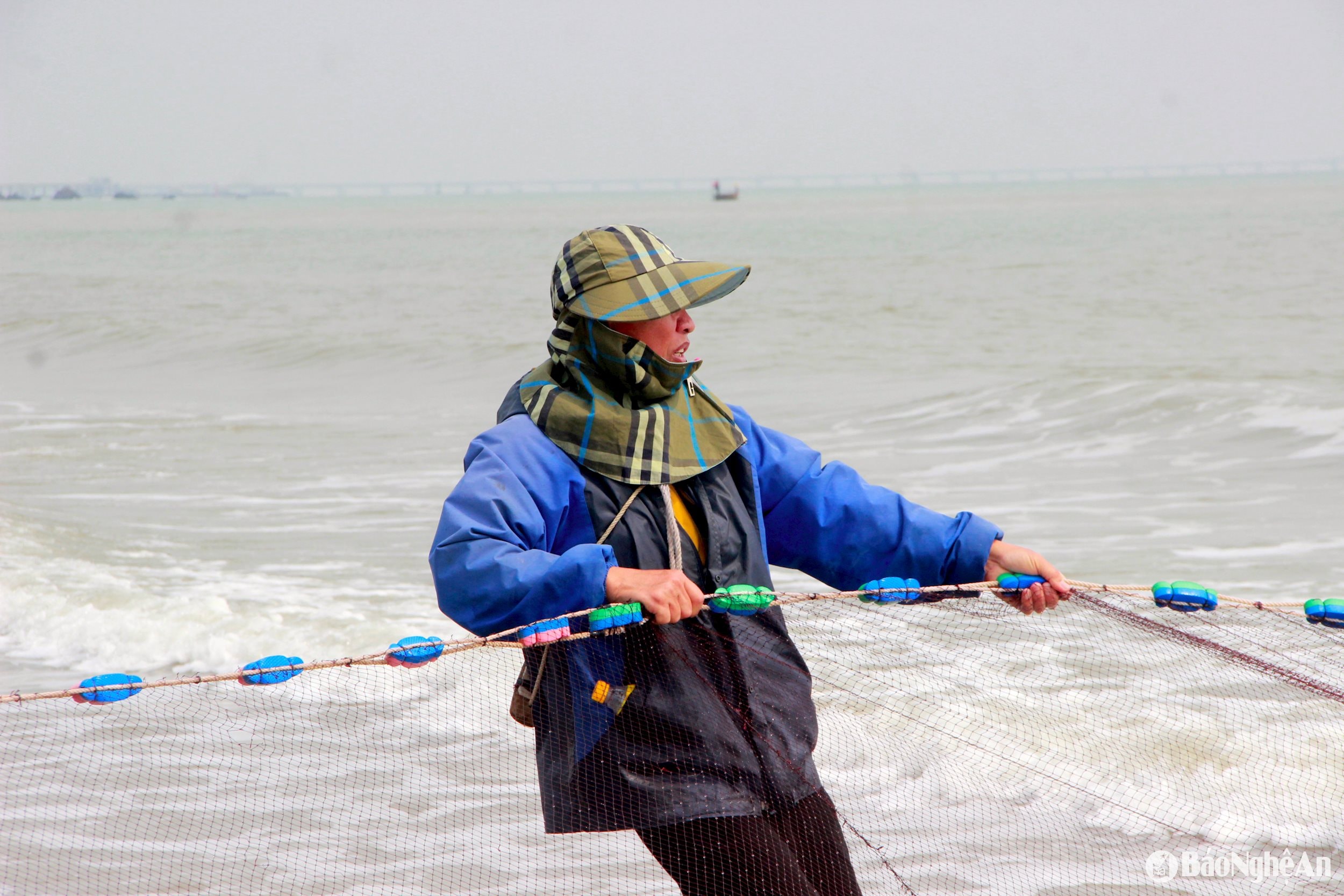
Once the nets are cast out to sea, people on shore divide into two groups, each with 6-8 people holding ropes to pull the nets up, and various types of fish will fall into the nets. Therefore, this job is often jokingly called the "backward" job at sea. Photo: QA
kéo 5
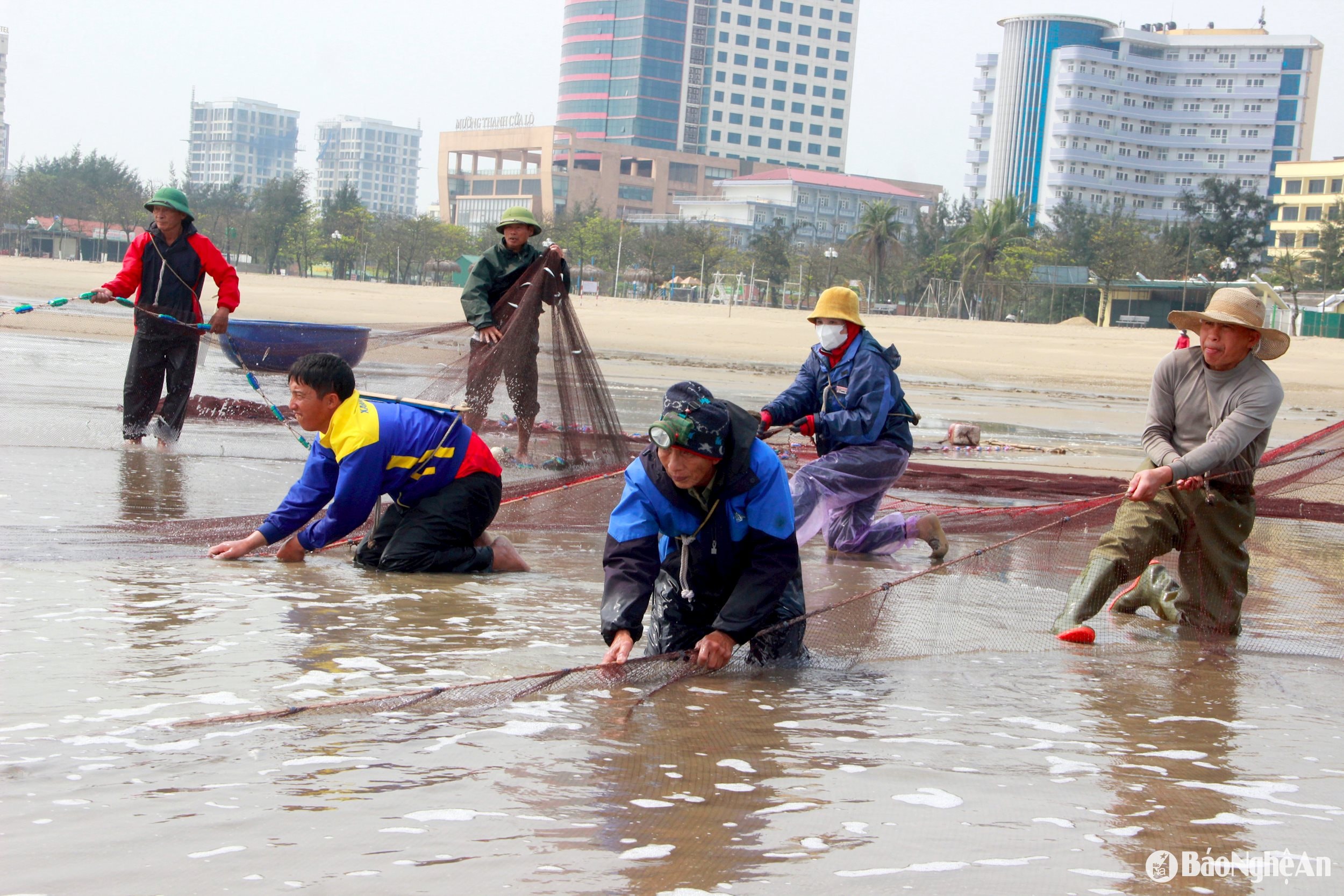
Trawling requires physical strength and endurance, as fishermen have to work continuously at sea, pulling heavy nets and enduring unpredictable weather. Photo: QA
kéo 12
According to fishermen in Cua Lo, the most important factor in trawling is the smooth coordination among team members, fostering a spirit of solidarity and mutual support throughout the work process to ensure efficient trawling. Photo: QA
kéo 13
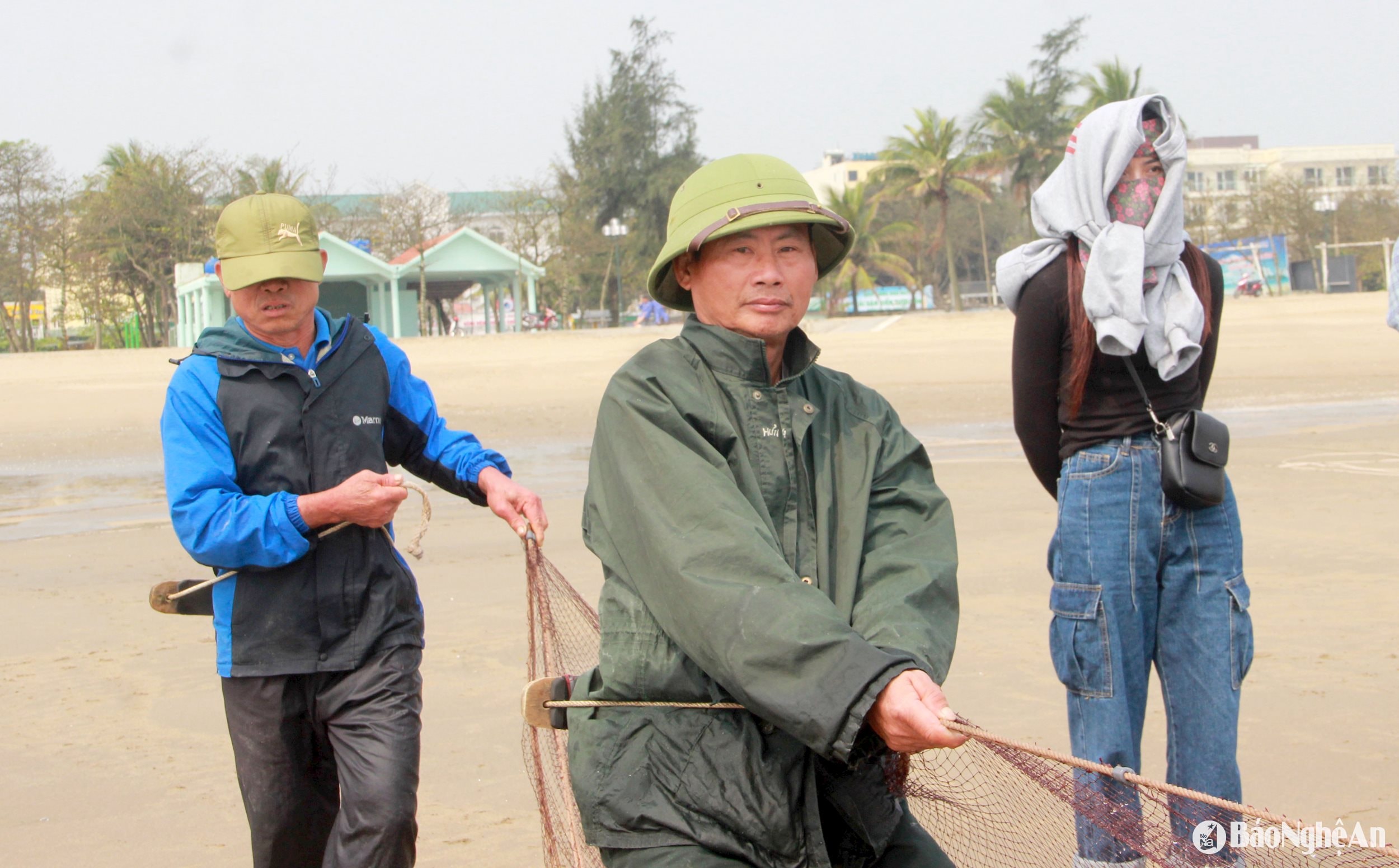
Mr. Do Van Kien, residing in Nghi Thu ward, who has been involved in the trawling profession for over 20 years, shared: "Each net, from the moment it's cast until it's pulled ashore, takes about two hours. Depending on the tide and season, the yield varies. Some nets are very successful, bringing in a hundred kilograms of fish, but others only yield a few kilograms, not worth the effort of a dozen people..." (Photo: QA)
kéo 9
The fishermen divide into two teams and "go backward" until both sides pull the nets together, completing the job. Compared to other offshore fishing methods, this is much safer because most fishermen stay on shore and rarely face large waves. Photo: QA
kéo 10
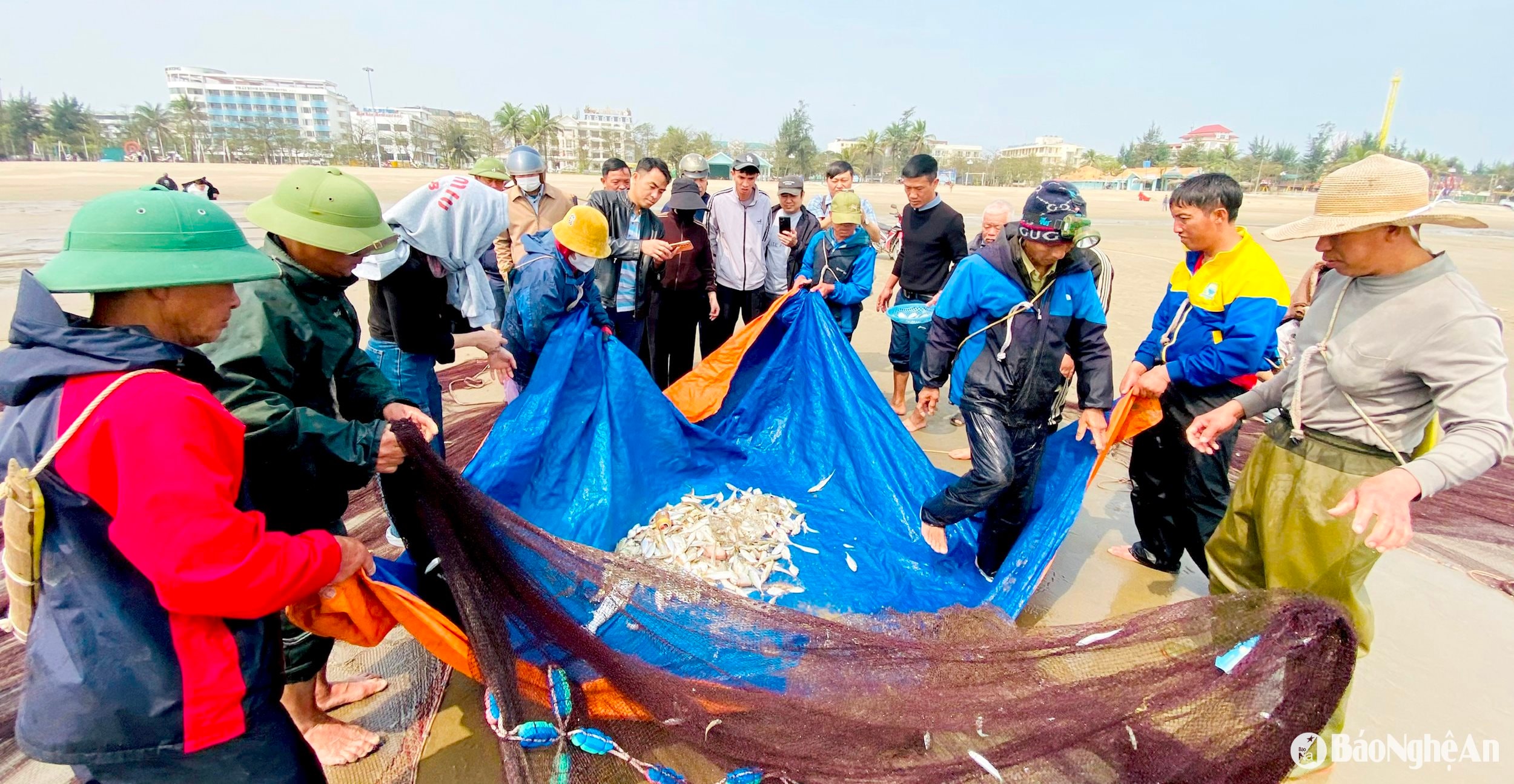
Whenever fishermen finish pulling in a catch, a large crowd of locals and tourists gather to see the fruits of their labor. Photo: QA
kéo 7
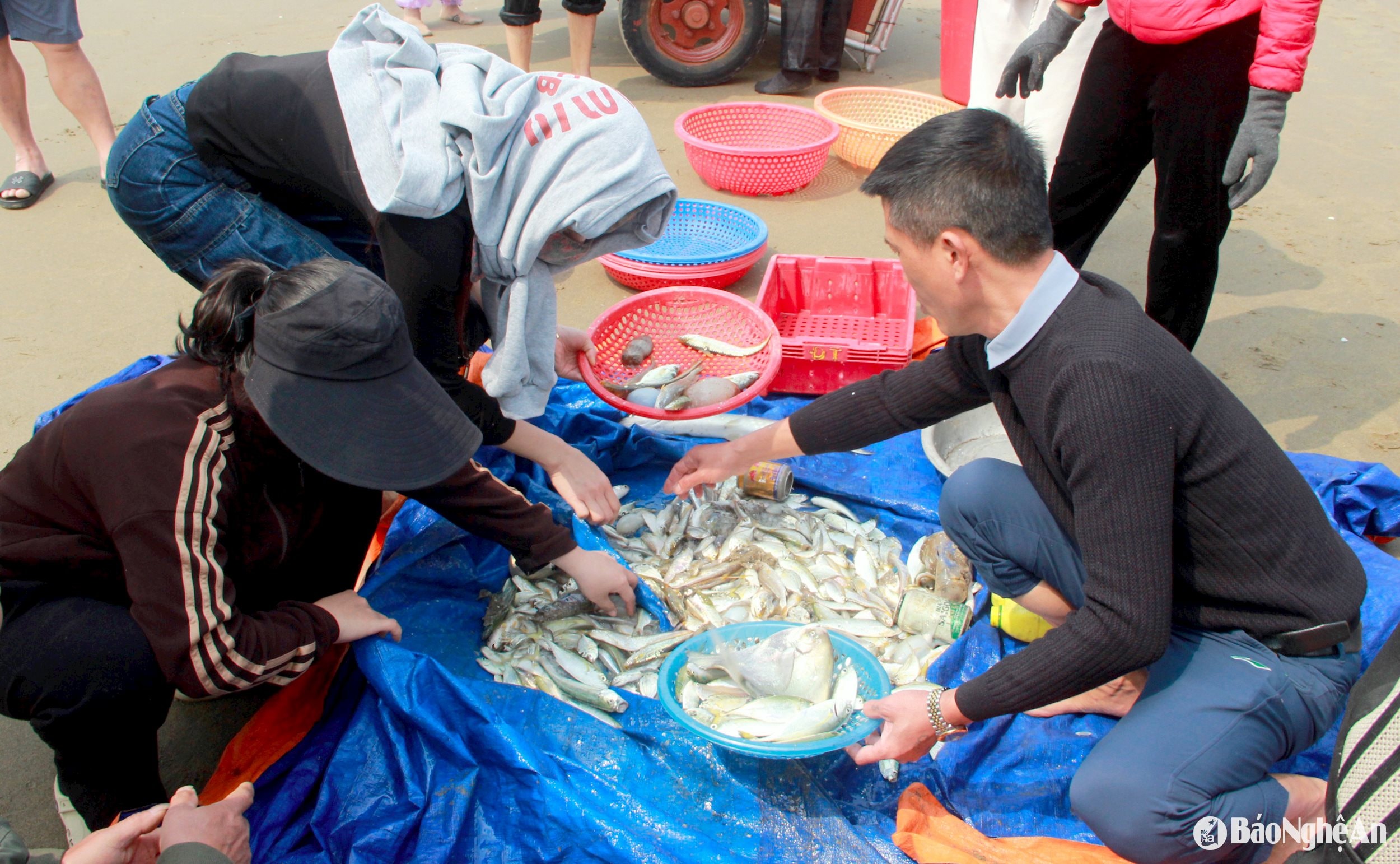
Interestingly, these seafood items are usually sold in bunches or trays/baskets, not by weight as is customary. Prices are negotiable, depending on the type of fish, shrimp, or squid. On average, a small bunch costs a few tens of thousands of dong; however, some bunches of high-quality fish and shrimp can fetch hundreds of thousands of dong. Photo: QA
kéo 8
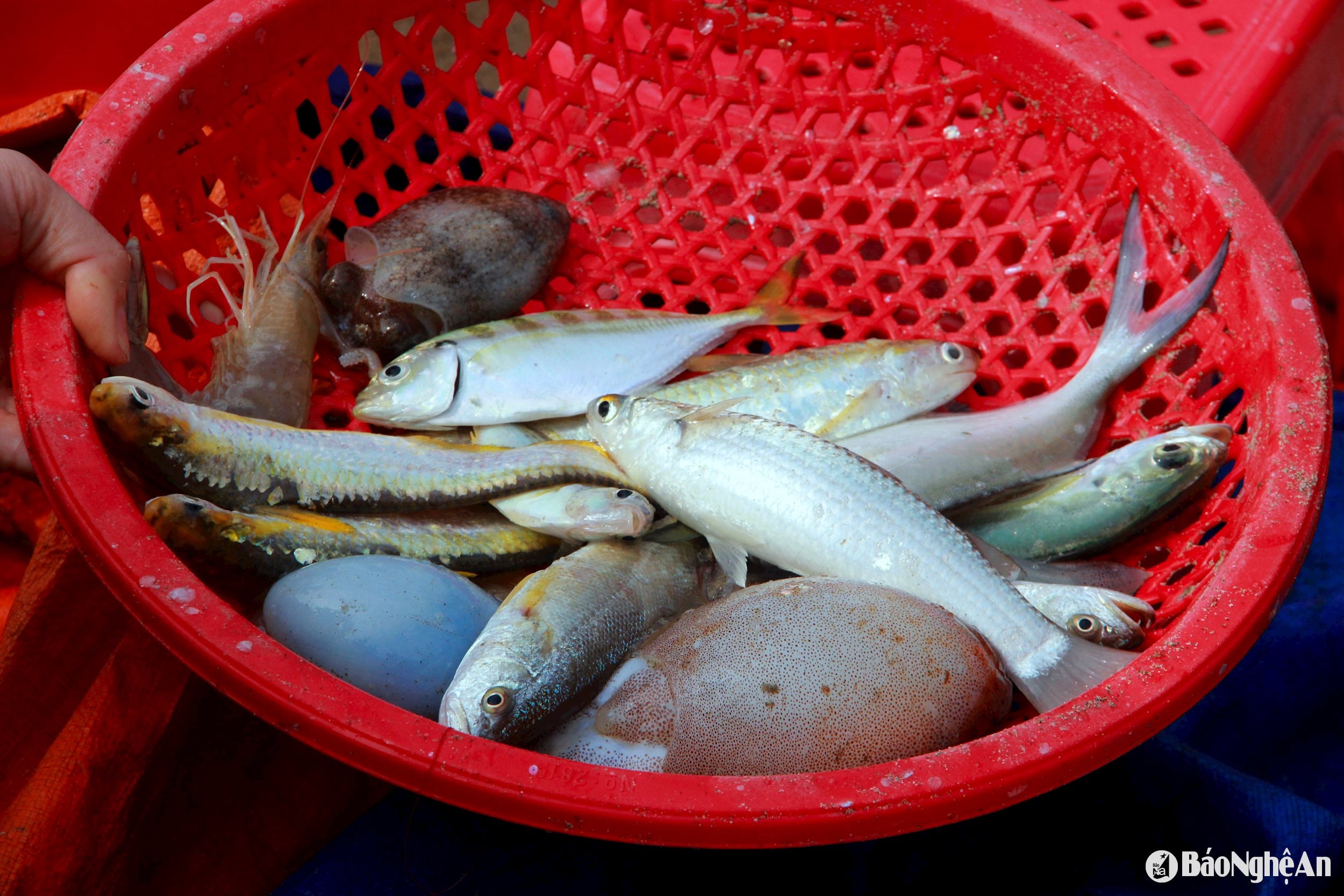
Seafood caught using the dragnet method is always fresh and delicious, so locals and tourists alike eagerly choose to buy it, often selling out within the day. Dragnet fishing is not only a traditional livelihood but also offers a fascinating glimpse into the beauty of labor amidst the vast sea and sky, attracting tourists to experience and explore the lives of fishermen along the Cua Lo coast every year. Photo: QA
0 0 0
x
Watch the trawling at dawn on Cua Lo beach.
Google News
POWERED BYFREECMS- A PRODUCT OFNEKO