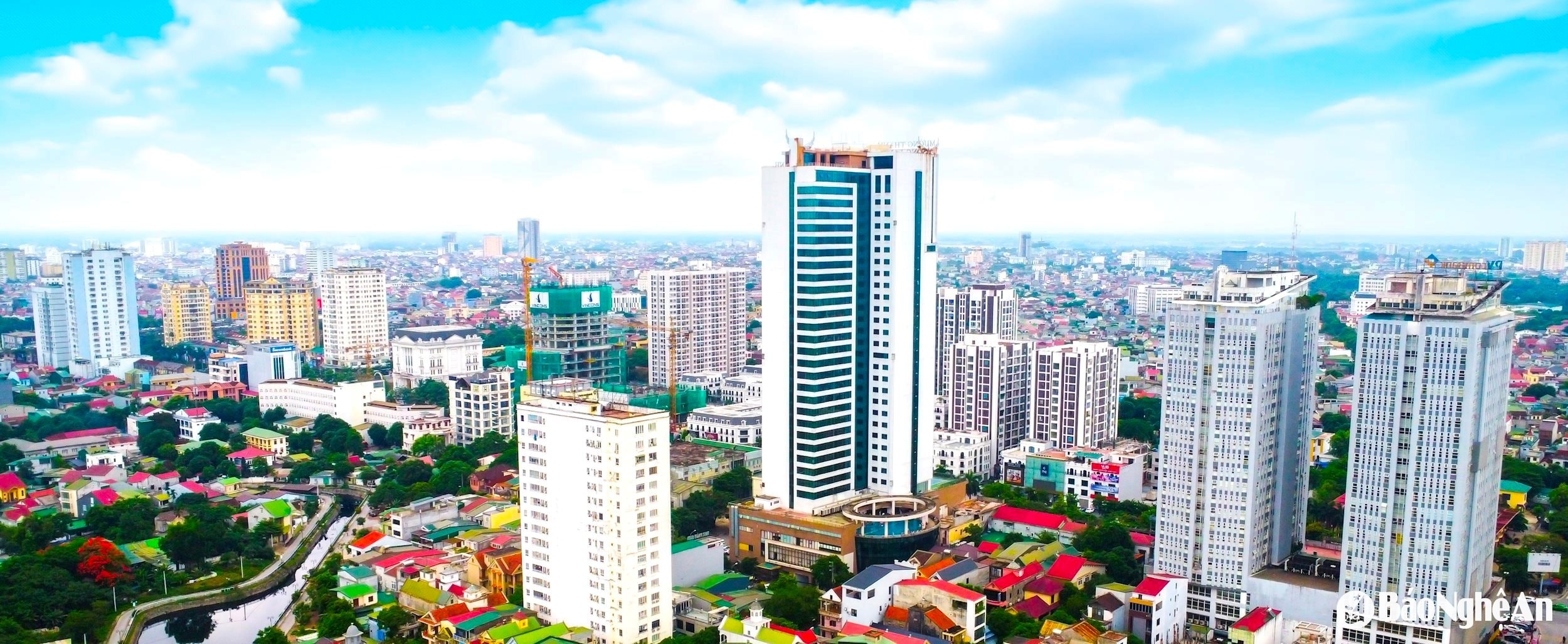
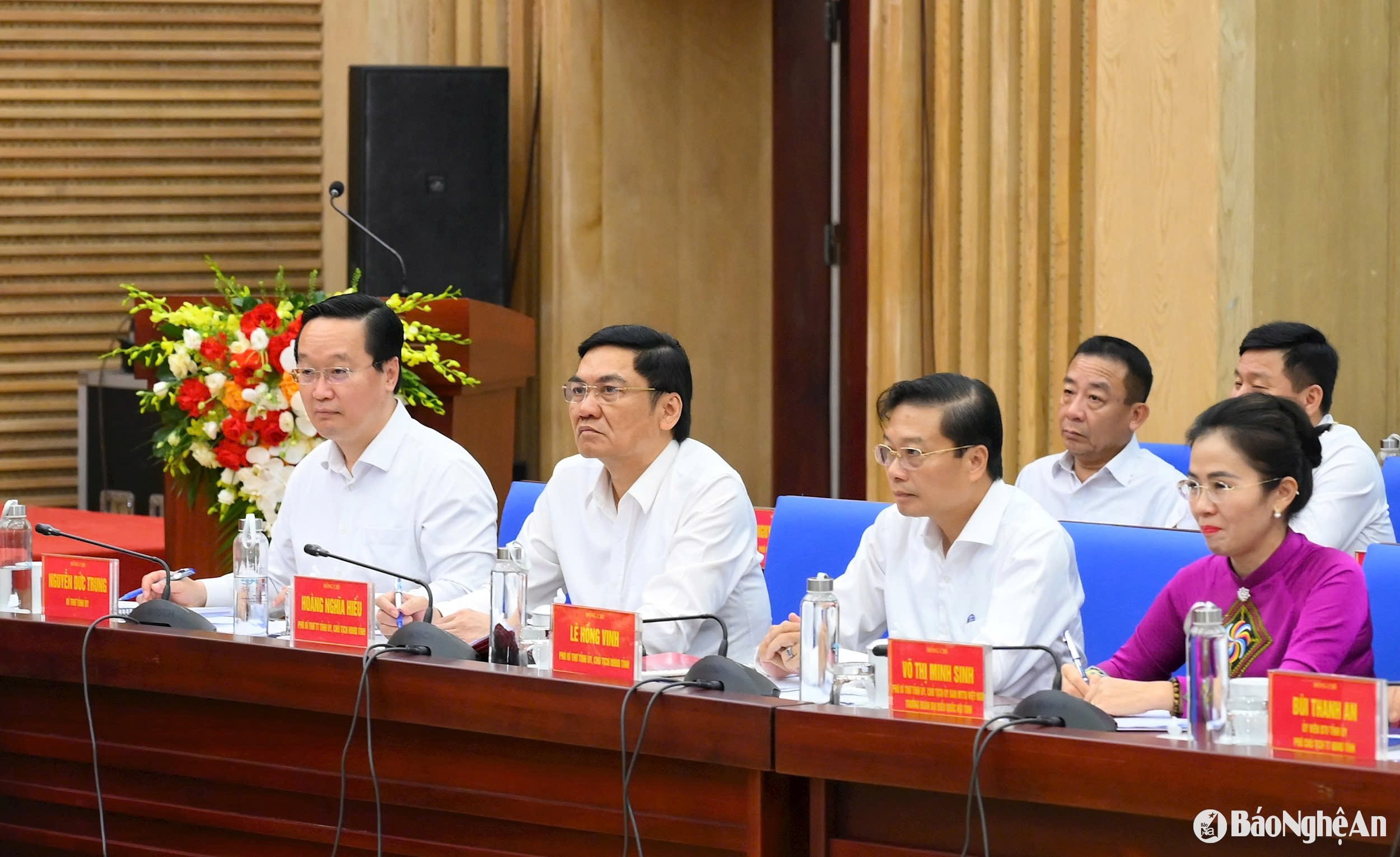
Hoang Nghia Hieu, Standing Deputy Secretary of the Nghe An Provincial Party Committee: Promoting the spirit of self-reliance, self-improvement, the will to overcome difficulties, and the courage to think and act.
Hoang Nghia Hieu, Standing Deputy Secretary of the Provincial Party Committee and Chairman of the Provincial People's Council of Nghe An, stated that the lessons from Ho Chi Minh show us that national independence must always be linked to the happiness of the people, to the people's right to self-determination, and to comprehensive development. In the current process of national development, it is necessary to continue to promote the spirit of self-reliance, self-strength, the will to overcome difficulties, and the courage to think and act.
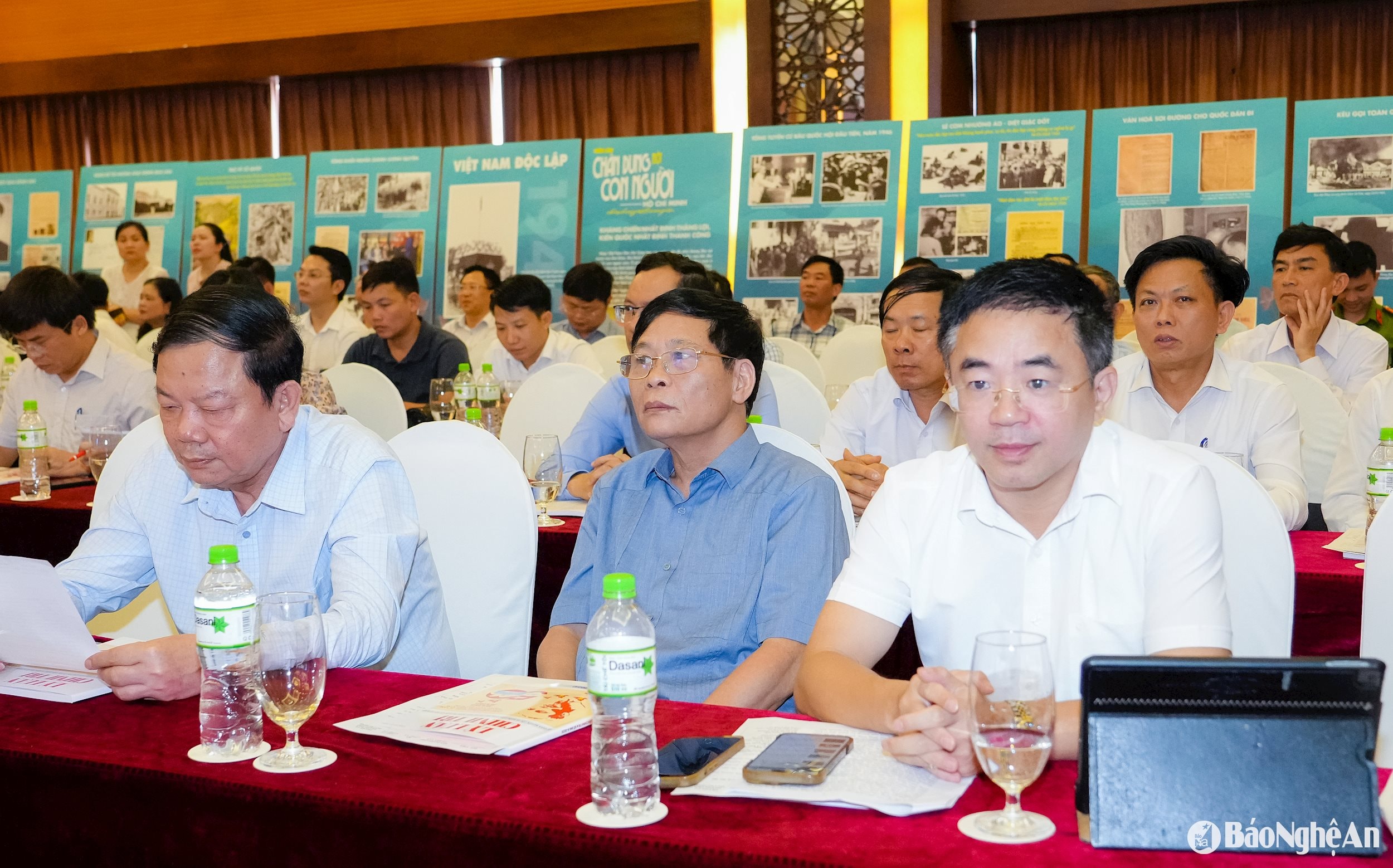
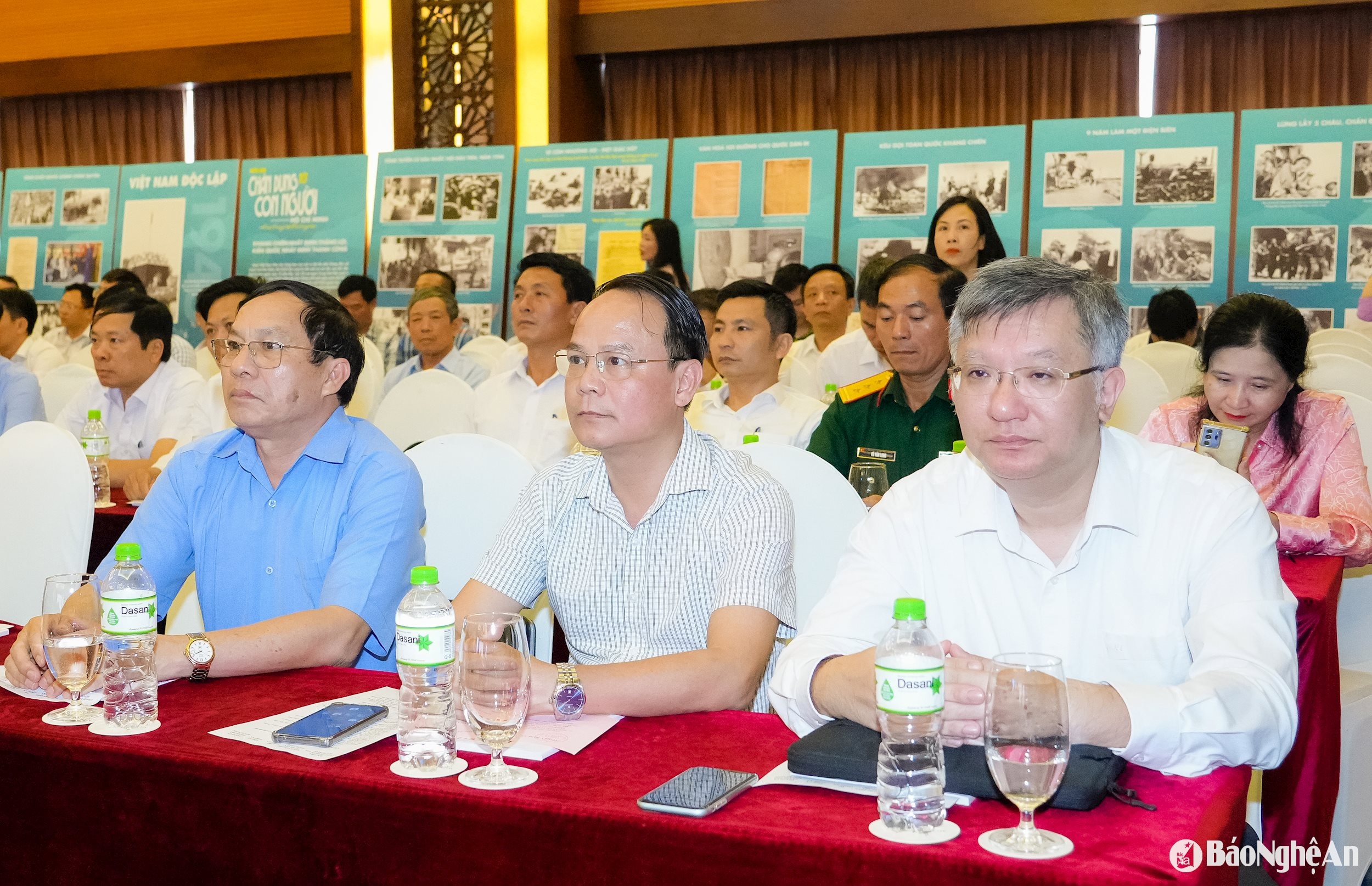
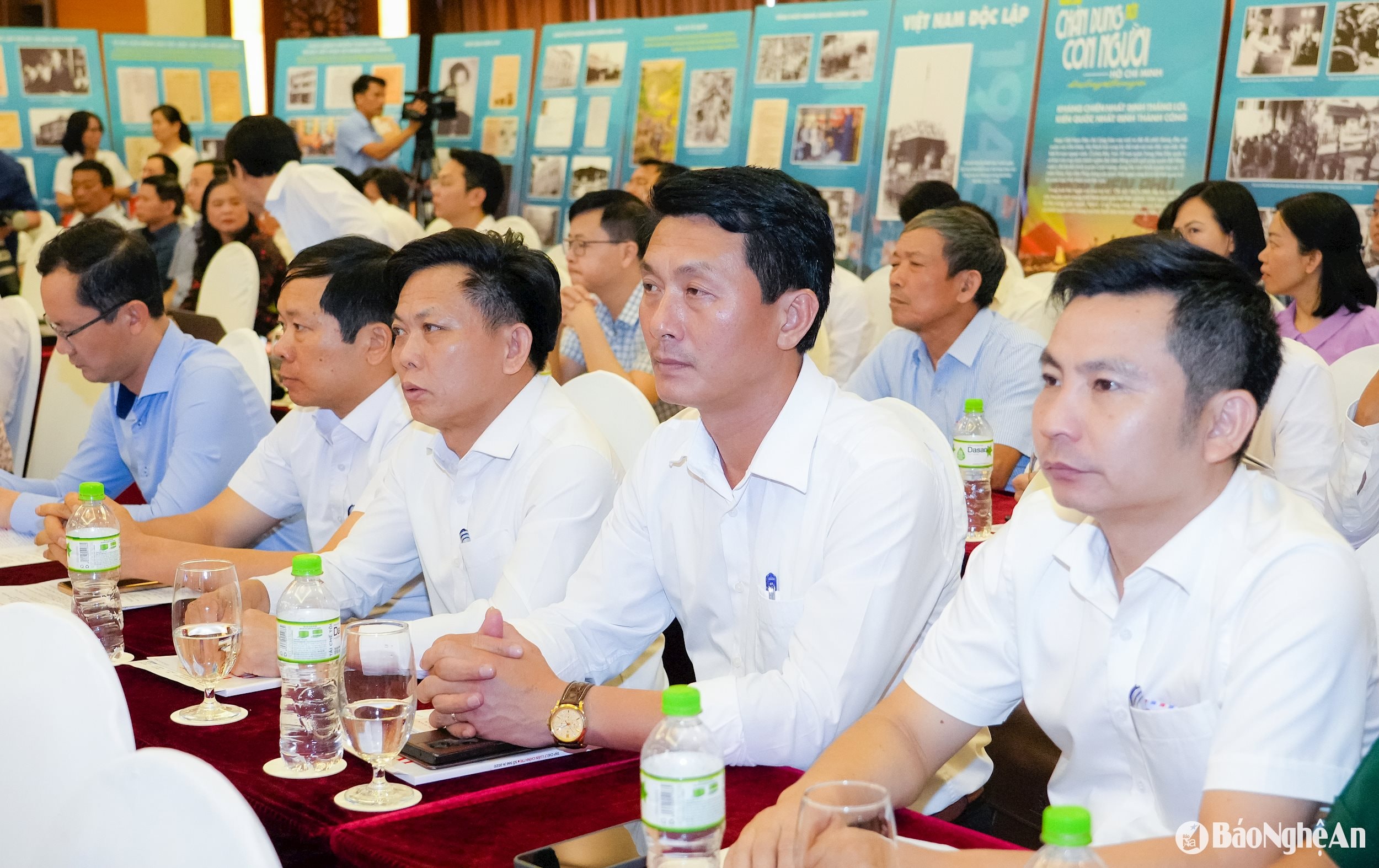
On the afternoon of May 18th, in Vinh City, the Ho Chi Minh National Political Academy, the Central Propaganda and Mass Mobilization Department, the Ministry of Public Security, the Ho Chi Minh City Party Committee, and the Nghe An Provincial Party Committee jointly organized a national-level scientific conference: “President Ho Chi Minh – A noble symbol of the will and aspirations for national independence, freedom, and happiness for the people.”
.jpg)
At the seminar, Comrade Hoang Nghia Hieu - Standing Deputy Secretary of the Provincial Party Committee and Chairman of the Provincial People's Council of Nghe An province - presented a paper entitled: "The will and aspiration for national independence and reunification of President Ho Chi Minh - Historical value and contemporary significance".
Comrade Hoang Nghia Hieu emphasized that, during his lifetime, President Ho Chi Minh always affirmed: "I have only one desire, an ultimate desire, which is to see our country completely independent and our people completely free..." – this was not only a deeply moving declaration, but also a guiding principle for the entire revolutionary journey that he led.
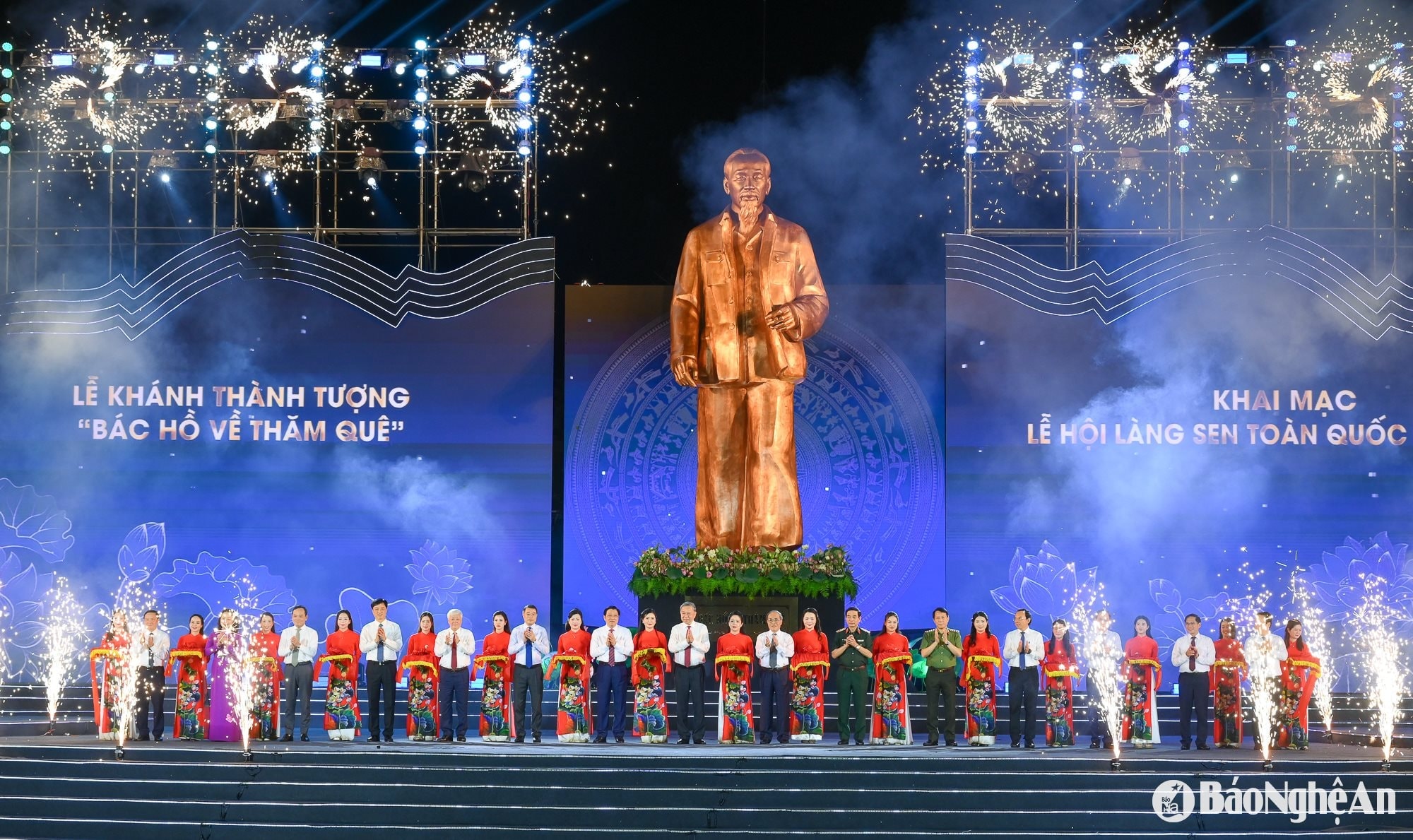
The theme of today's seminar, "President Ho Chi Minh - a sublime symbol of the will and aspiration for national independence, freedom, and happiness for the people," carries profound significance. It serves not only as a reminder and expression of gratitude to him, but also as a means to continue researching, applying, and promoting the values of Ho Chi Minh's thought in the current process of national construction and defense.
President Ho Chi Minh was born in Kim Lien, Nam Dan, a region rich in traditions of scholarship, patriotism, and revolution. His father, Nguyen Sinh Sac, was a patriotic scholar who loved his people and possessed a strong will to revitalize the nation.
.jpg)
Growing up in a country under foreign occupation, witnessing the suffering and poverty of the people under French colonial rule, and deeply influenced by his family upbringing and the patriotic traditions of his homeland, Nguyen Tat Thanh was early instilled with a spirit of patriotism, national pride, and a will to dedicate himself to a greater cause. He was always tormented by the question: "How can I save the country and the people?"
That question spurred the young Nguyen Tat Thanh to leave the country at the age of 21 to find a way to save the nation, and it was also the motivation for him to overcome all difficulties and hardships during his 30-year journey abroad.
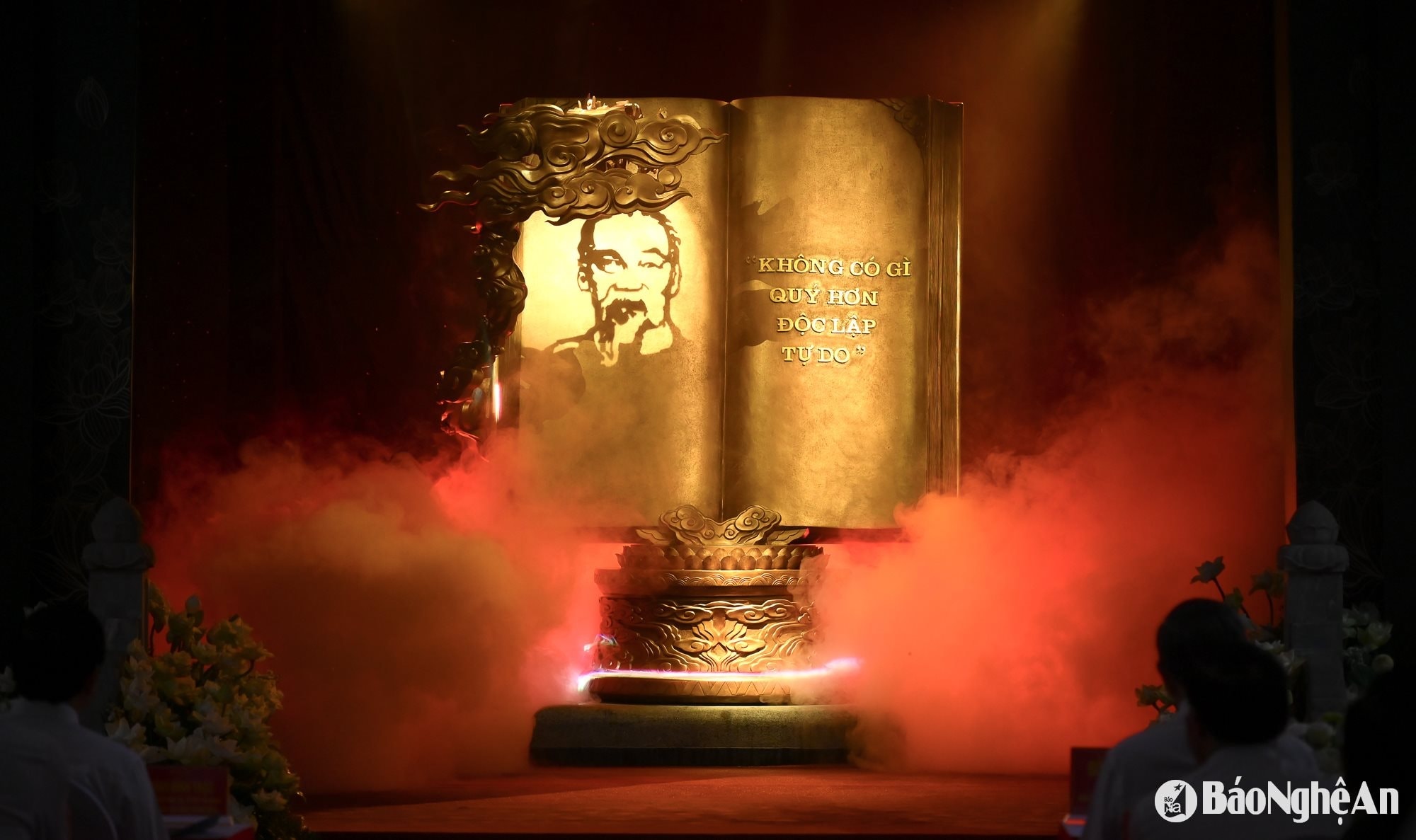
During that journey, he came into contact with many intellectual currents, studied major revolutions around the world, including Marxist-Leninist theory. He realized that only the proletarian revolution, only socialism, was the true path to regaining national independence and bringing happiness to the people. And from then on, he dedicated his entire life to fighting for national independence, freedom, and happiness for the people along the path of the proletarian revolution.
That path led the Vietnamese nation to the success of the August Revolution and subsequent victories. President Ho Chi Minh read the Declaration of Independence before the Vietnamese people, solemnly declaring to the world the birth of the independent Democratic Republic of Vietnam and expressing the determination to "dedicate all spirit and strength, life and property to safeguard that freedom and independence!"
Immediately after the Geneva Accords of 1954, despite the country being temporarily divided into two regions, Ho Chi Minh steadfastly declared: "Vietnam is one country, the Vietnamese people are one nation. Rivers may dry up, mountains may erode, but this truth will never change."
For him, national reunification was not only a territorial requirement but also the highest expression of national independence and territorial integrity.
When the French colonialists attempted to invade Vietnam once again, Ho Chi Minh, with his courage, wisdom, and strategic vision, proactively negotiated peace with the French to buy time to prepare his forces. At the same time, he resolutely refused to allow the country to be lost a second time. When war seemed inevitable, he affirmed: "We would rather sacrifice everything than lose our country, than be enslaved."
That spirit became a rallying cry for the entire nation to embark on a protracted resistance war, culminating in the glorious victory at Dien Bien Phu in 1954 – resounding across the globe, shaking the world, and continuing to serve as a guiding principle for the resistance war against the US to save the country and unify the nation, leading to final victory.
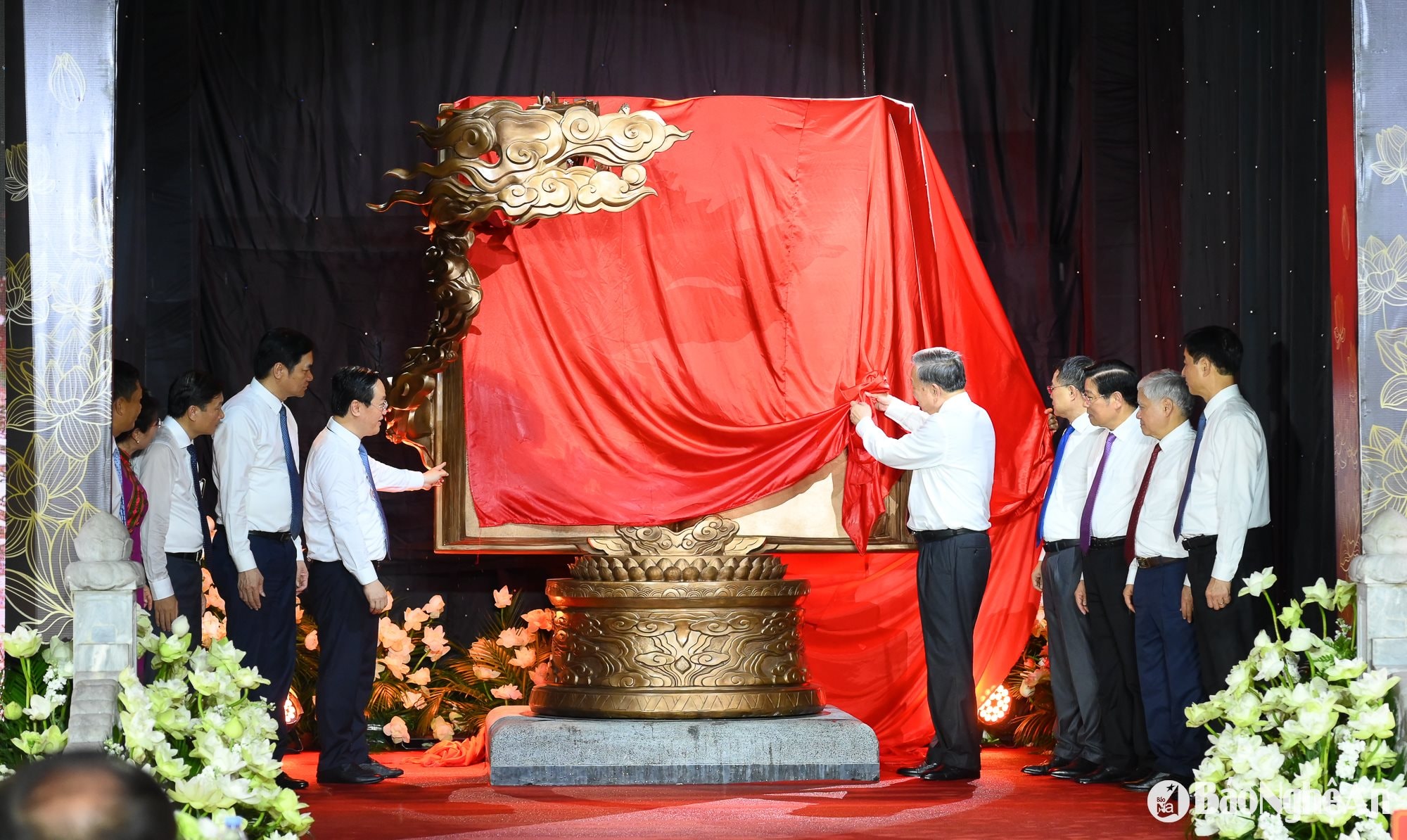
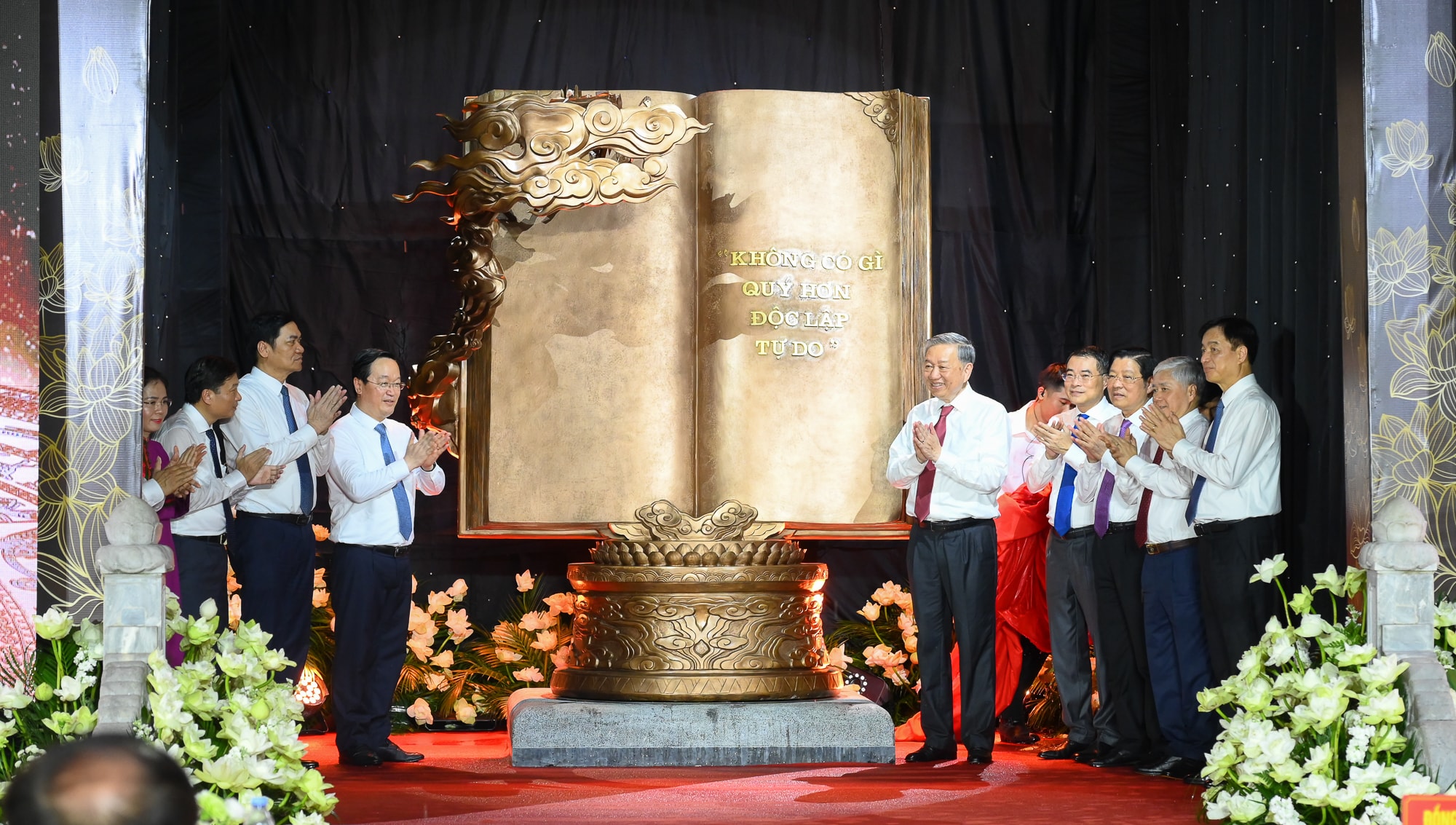
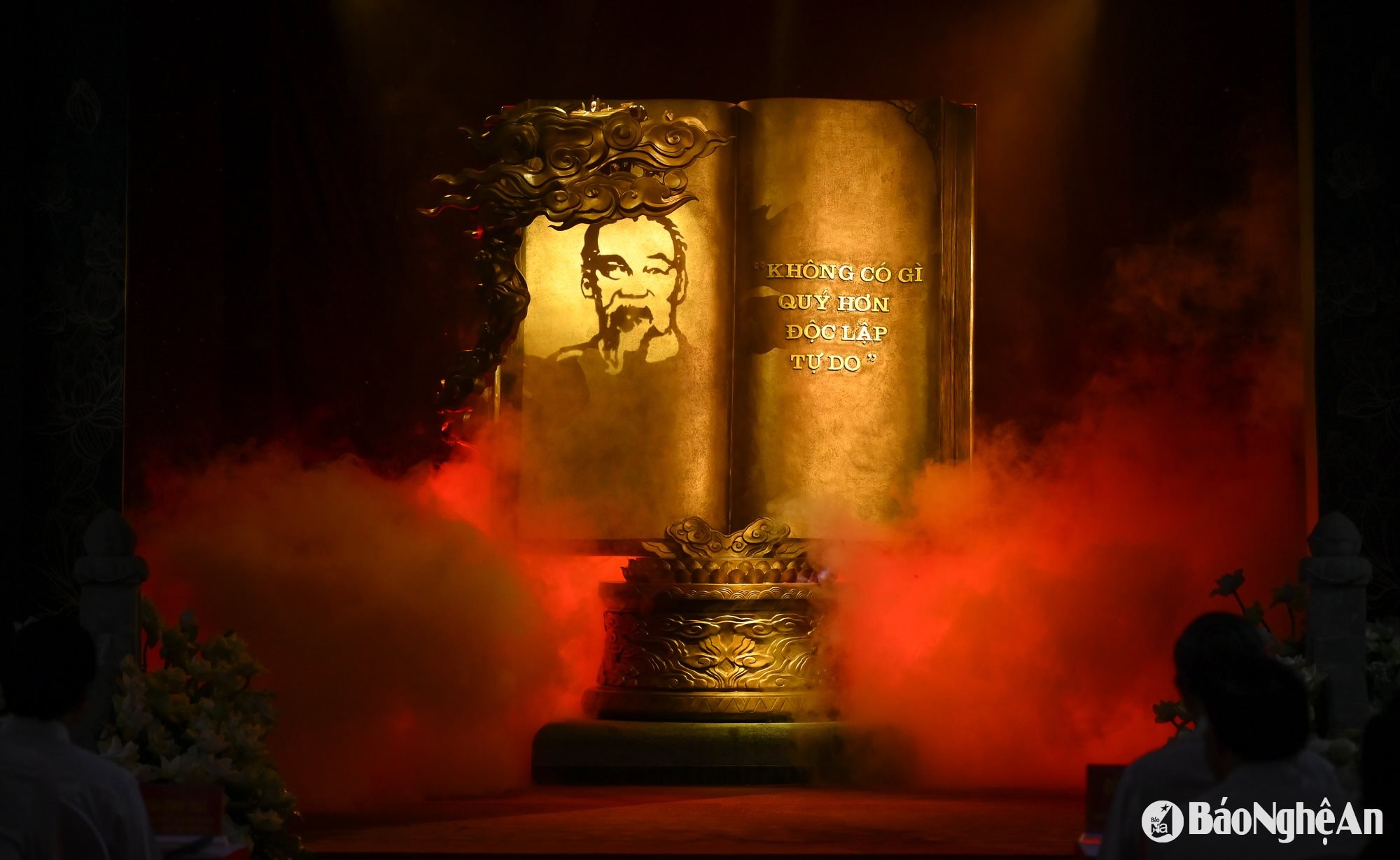
Although he did not live to witness the day of complete victory, in his sacred testament he wrote: "The resistance war against America may still last a long time… but our people will certainly win, our Fatherland will certainly be unified, and the people of the North and South will certainly be reunited in one family."
To maintain independence and unity, Ho Chi Minh always affirmed the need to follow the path of the proletarian revolution and the necessity of a genuine revolutionary party, strong in organization, ideology, and morality. He dedicated his entire life to building and training our Party to be truly clean, strong, moral, and civilized…
Party building is not only an urgent task in the struggle for power, but also a prerequisite for safeguarding revolutionary achievements, building a new society, and developing the country. At the same time, President Ho Chi Minh always paid attention to nurturing the next generation of revolutionaries to protect the nation's future. He instructed: "Nurturing the next generation of revolutionaries is a very important and necessary task."
It can be said that President Ho Chi Minh's will and aspiration for national independence and reunification is the red thread running throughout the Vietnamese revolutionary cause.
From the early days of his journey to find a way to save the country until the writing of his sacred Last Testament, President Ho Chi Minh remained steadfast in one goal: to achieve independence and national unity for the Vietnamese people. This ideology guided our Party through countless difficulties, leading the Vietnamese revolution step by step from one victory to another.
Not merely an ideal, President Ho Chi Minh realized that aspiration through vibrant revolutionary struggle. He constantly pondered, researched, learned, and flexibly applied Marxism-Leninism to the specific circumstances of Vietnam to devise a suitable path for national liberation.
With his great courage and intellectual stature, he crystallized and connected the nation's patriotic tradition with the revolutionary spirit of the era, creating an immense spiritual force – the aspiration for independence, freedom, peace, and national unity.
That ideology remains highly relevant today and serves as a great spiritual driving force in the construction and defense of the socialist Vietnamese Fatherland.

In today's era of globalization, protecting national independence is no longer just about preserving territory and sovereignty, but a comprehensive struggle on many fronts: economic, cultural, technological, cyberspace, environmental, and non-traditional security. This places new demands on the application of Ho Chi Minh's thought on independence, self-reliance, and sustainable development.
.jpg)
The lesson from Ho Chi Minh shows us that national independence must always be linked to the happiness of the people, to the people's right to self-determination, and to comprehensive development.
Therefore, in the current process of national development, it is necessary to continue promoting the spirit of self-reliance, self-strength, the will to overcome difficulties, and the courage to think and act boldly. At the same time, we must proactively integrate internationally, enhance our economic and scientific-technological capabilities, and awaken the aspiration to rise to the level of the world's leading nations, as Uncle Ho once hoped.
To foster that spirit and aspiration in national development in the new era, enabling Vietnam to "stand shoulder to shoulder with the world's leading powers," we must strongly awaken patriotism, self-reliance, self-improvement, and a desire to contribute throughout society, especially among the younger generation. At the same time, we need to promote new drivers of development: innovation, digital transformation, the development of a green and digital economy, and the improvement of human resource quality.
In the context of the country entering a new stage of development – an era of national progress, with the goal of becoming a developed nation by 2045 – inheriting and promoting the will, spirit, and aspirations of President Ho Chi Minh is even more urgently important. This is the ideological and spiritual foundation for building a strong, prosperous, and happy Vietnam.