
Returning to the countryside of the 'Queen of Nom poetry'
(Baonghean.vn) - Quynh Doi commune, Quynh Luu district, the birthplace of the poet Ho Xuan Huong, is famous as a "land of learning" not only in Nghe An province but also in the whole country.
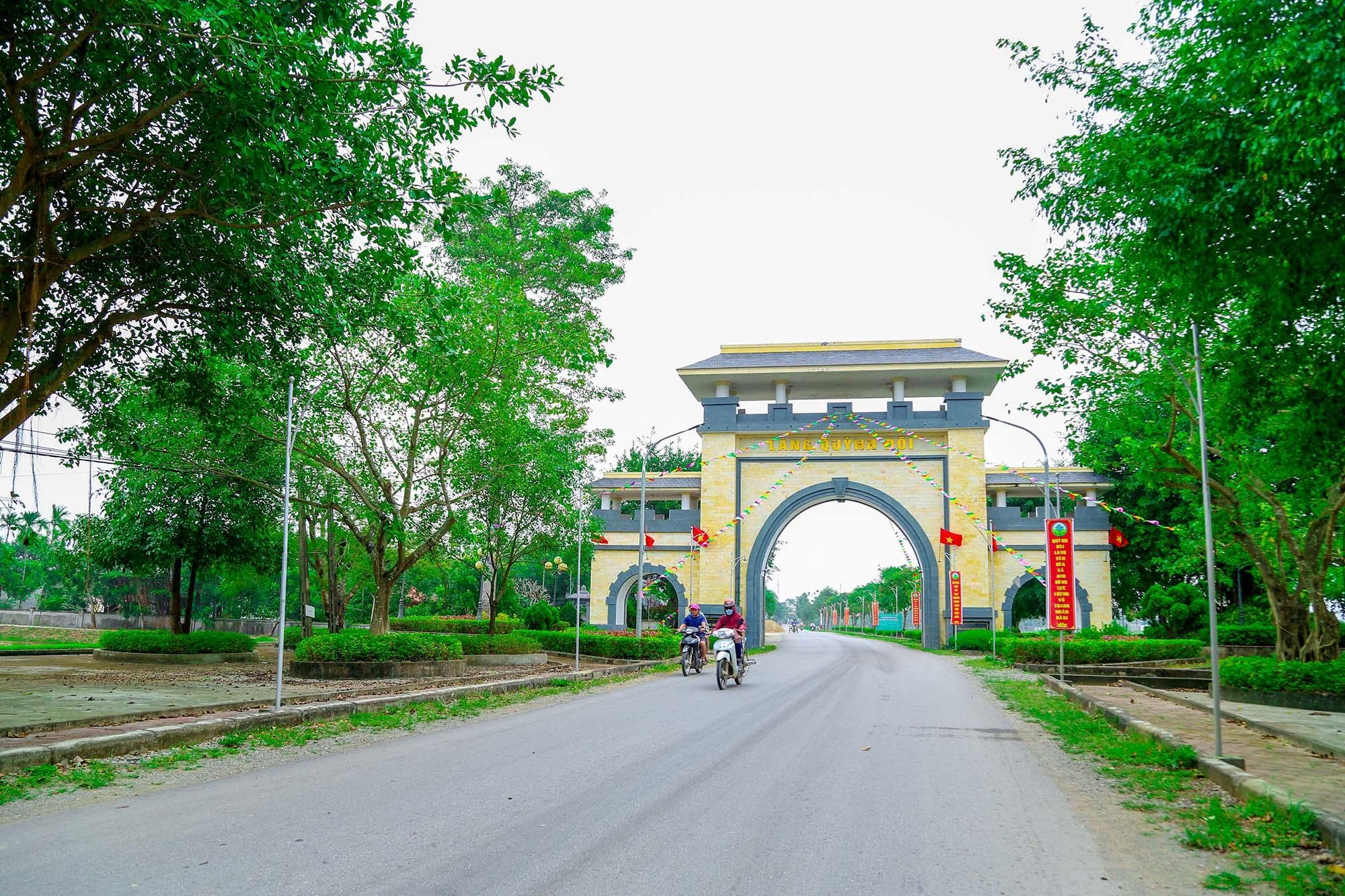 |
According to historical records, the villageQuynh DoiThe village was founded by the Ho, Nguyen, and Hoang families in 1378 and named "Tho Doi Trang". In 1528, Mr. Ho Nhan Hy (during the Mac Dynasty) changed the name to Quynh Doi commune as it is today. In the photo: The entrance gate to Quynh Doi village is a grand and impressive structure. Photo by Dinh Tuyen |
 |
Quynh Doi commune has just been recognized as a model new rural area. Houses are built in a spacious and modern style, and the roads are always kept green, clean, and beautiful. Photo: Dinh Tuyen |
 |
With a long history of settlement, Quynh Doi commune is considered a "land of historical relics" with dozens of historical sites, including 8 national-level historical and cultural relics. In the photo: The national-level historical relic of Quynh Doi village communal house. Photo: Dinh Tuyen |
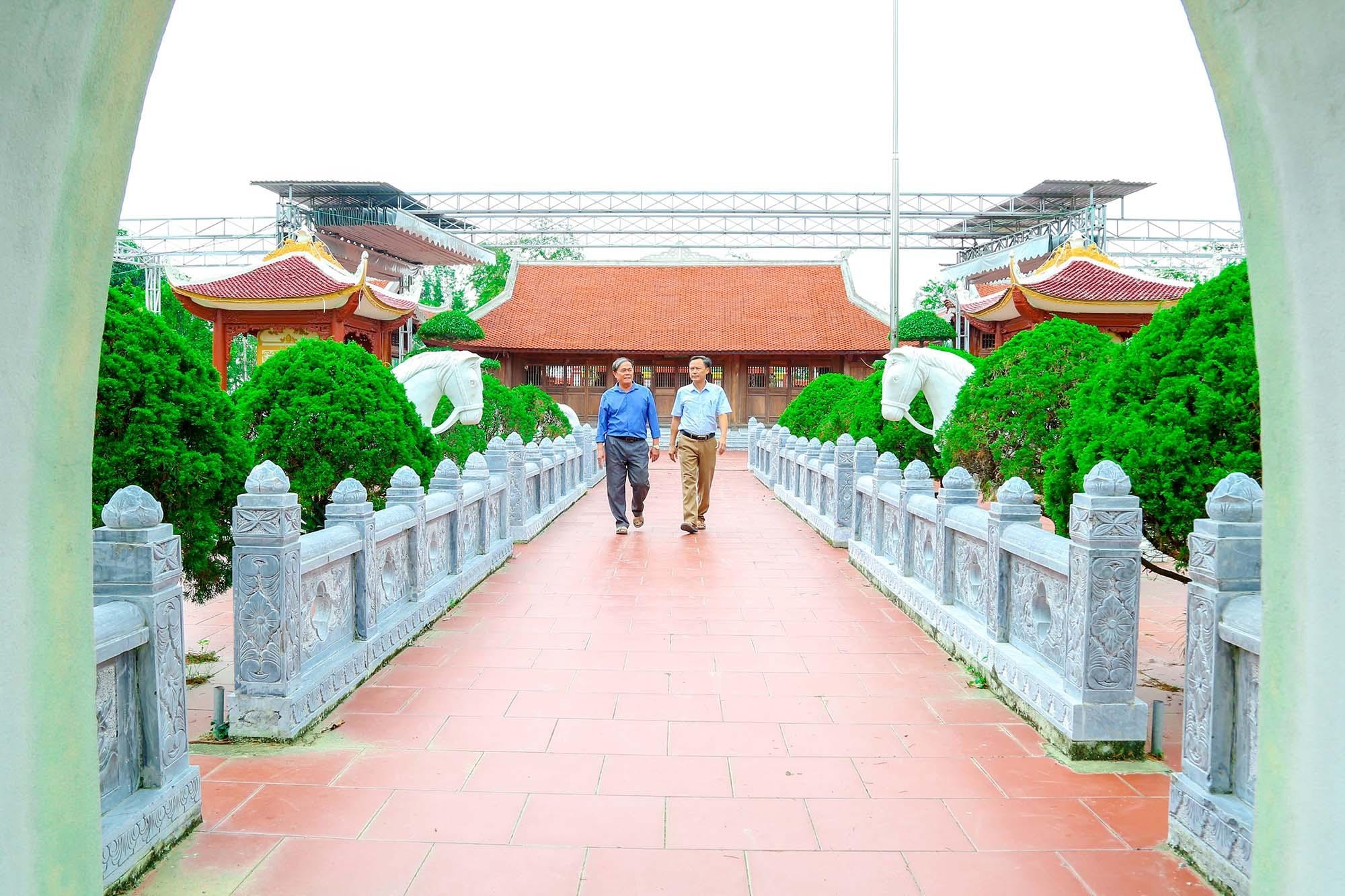 |
Quynh Doi is also home to many famous clans, including the Ho clan. The Ho clan's ancestral temple has been recognized.National Historical MonumentThe spacious grounds, well-built and imbued with spiritual and cultural values, serve as a gathering place for descendants from all over the country. Photo: Dinh Tuyen |
 |
Within the grounds of the Ho family's ancestral church, there is a memorial house containing three steles commemorating the descendants of the family who made significant contributions to their homeland and country. Photo: Dinh Tuyen |
 |
Notably, the grounds also feature a statue of the female poet Ho Xuan Huong (1772-1822), revered by posterity as the "Queen of Nom Poetry". Ho Xuan Huong's poetry is considered to possess profound humanistic values, reflecting the aspirations of women in feudal society. Photo: Dinh Tuyen |
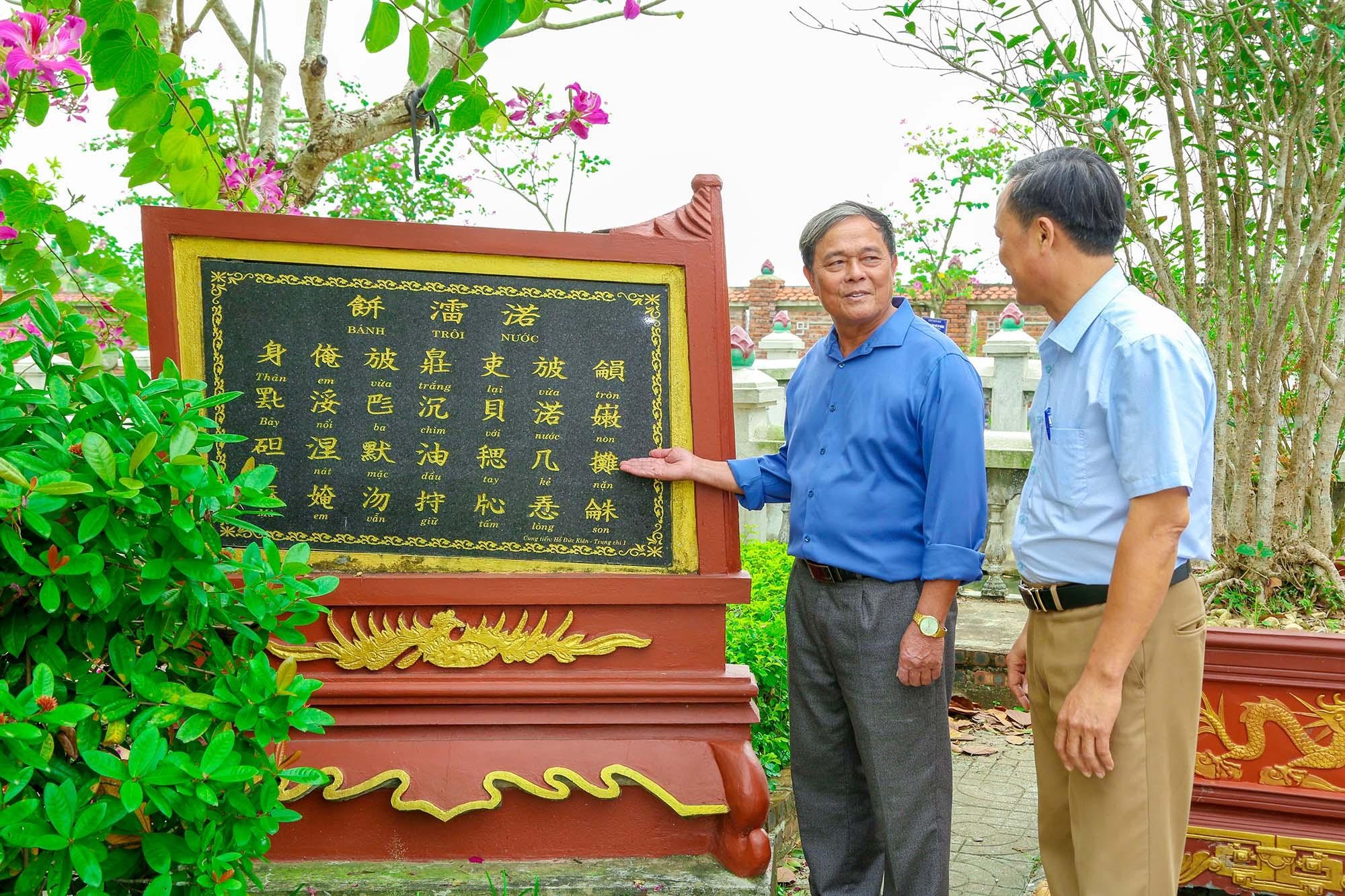 |
On either side of the statue of the poet Ho Xuan Huong are two stone tablets inscribed with two of her famous poems in Nom script: "Floating Rice Cakes" and "Inscription at Sam Nghi Dong Temple". Photo: Dinh Tuyen |
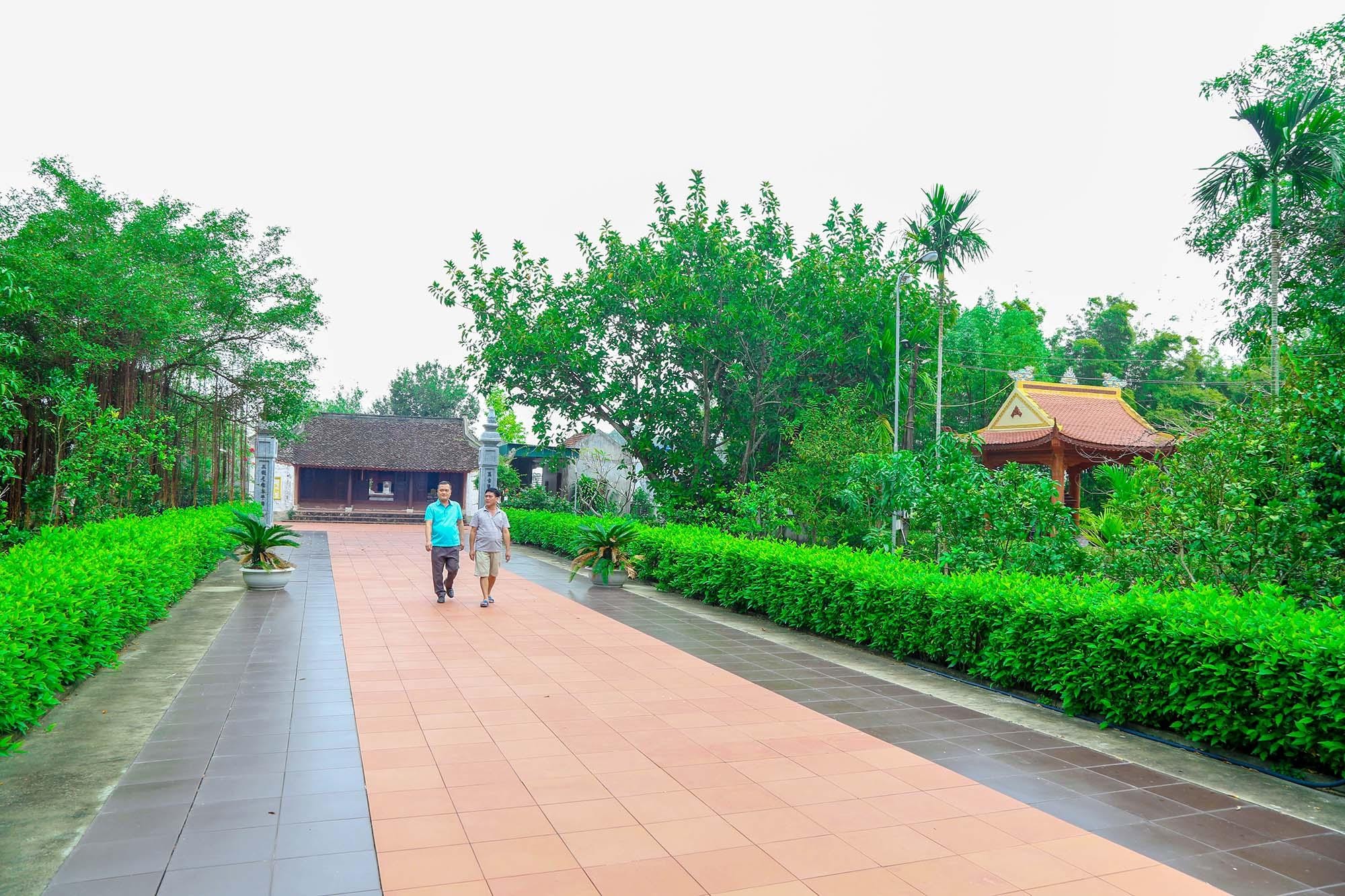 |
Along with the Quỳnh Đôi village communal house and the Hồ family ancestral temple, the historical relics here contribute to affirming Quỳnh Đôi as a "land of learning," a region of "spiritual significance and outstanding people." In the photo: The National Historical Monument of the ancestral temple of Duke Hồ Phi Tích (1665-1754). Hồ Phi Tích passed the Imperial Examination in the year Canh Thìn (1700), served as Minister of War and Minister of Justice, and held the title of Duke of Quỳnh. During his lifetime, he allocated land to fund educational initiatives, contributing to the development of education. Photo: Đình Tuyên |
 |
Located next to the church of Duke Ho Phi Tich of Quynh District are the church and tomb complex of Ho Tung Mau (a National Historical Monument) and the stele of the female scholar.Ho Xuan HuongIn the photo: The mausoleum of Ho Tung Mau (1895 - 1951), a revolutionary patriot, former member of the Central Committee of the Party, and former Inspector General of the Government. Photo: Dinh Tuyen |
 |
Continuing the tradition of studiousness passed down from their ancestors, today's generation of children in Quynh Doi continues to strive and excel in their studies to live up to the reputation of this "land of learning," not only in Nghe An province but also throughout the country. In the photo: Ho Tung Mau Primary and Secondary School, Quynh Doi commune (Quynh Luu district). Photo: Dinh Tuyen |


