
Nho Lam – The oldest blacksmithing village in Vietnam
Located along the Iron River, Nho Lam village (Tan Chau commune, Nghe An province) is considered the cradle of Vietnamese iron forging. From archaeological remains dating back thousands of years to everyday stories, the Nho Lam flame continues to burn brightly, both brilliantly in history and igniting a desire for revival in the present.
The Flame of Nho Lam – A Thousand-Year Legacy
According to archaeological findings at the Dong Mom site (formerly Dien Tho commune) by the Vietnam Institute of Archaeology, numerous ore smelting and iron forging furnaces dating from the 4th to the 1st centuries BC were found there. These furnaces demonstrate that ancient people knew how to mine ore, smelt iron, and forge tools for production and even weapons for combat.
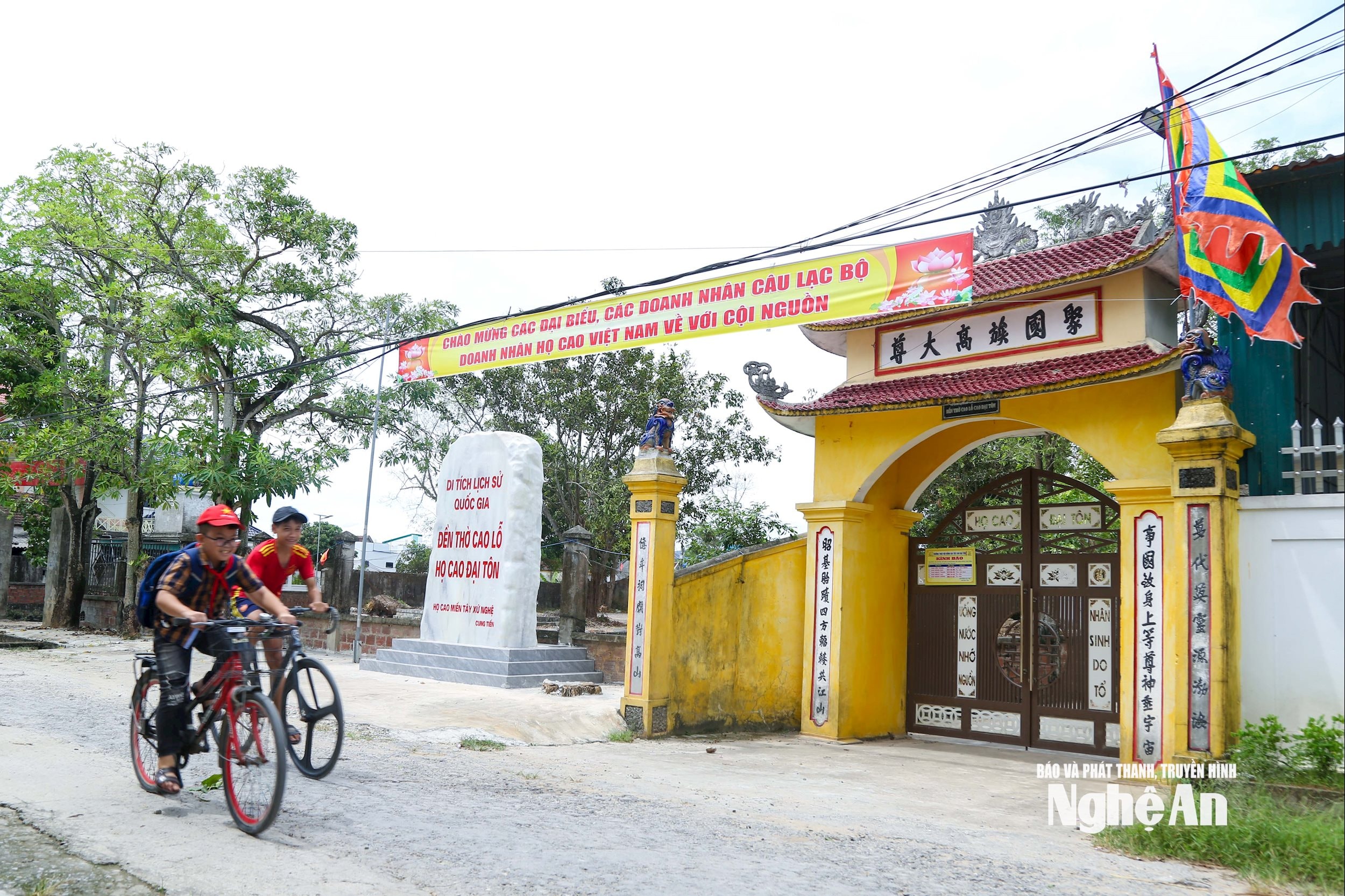
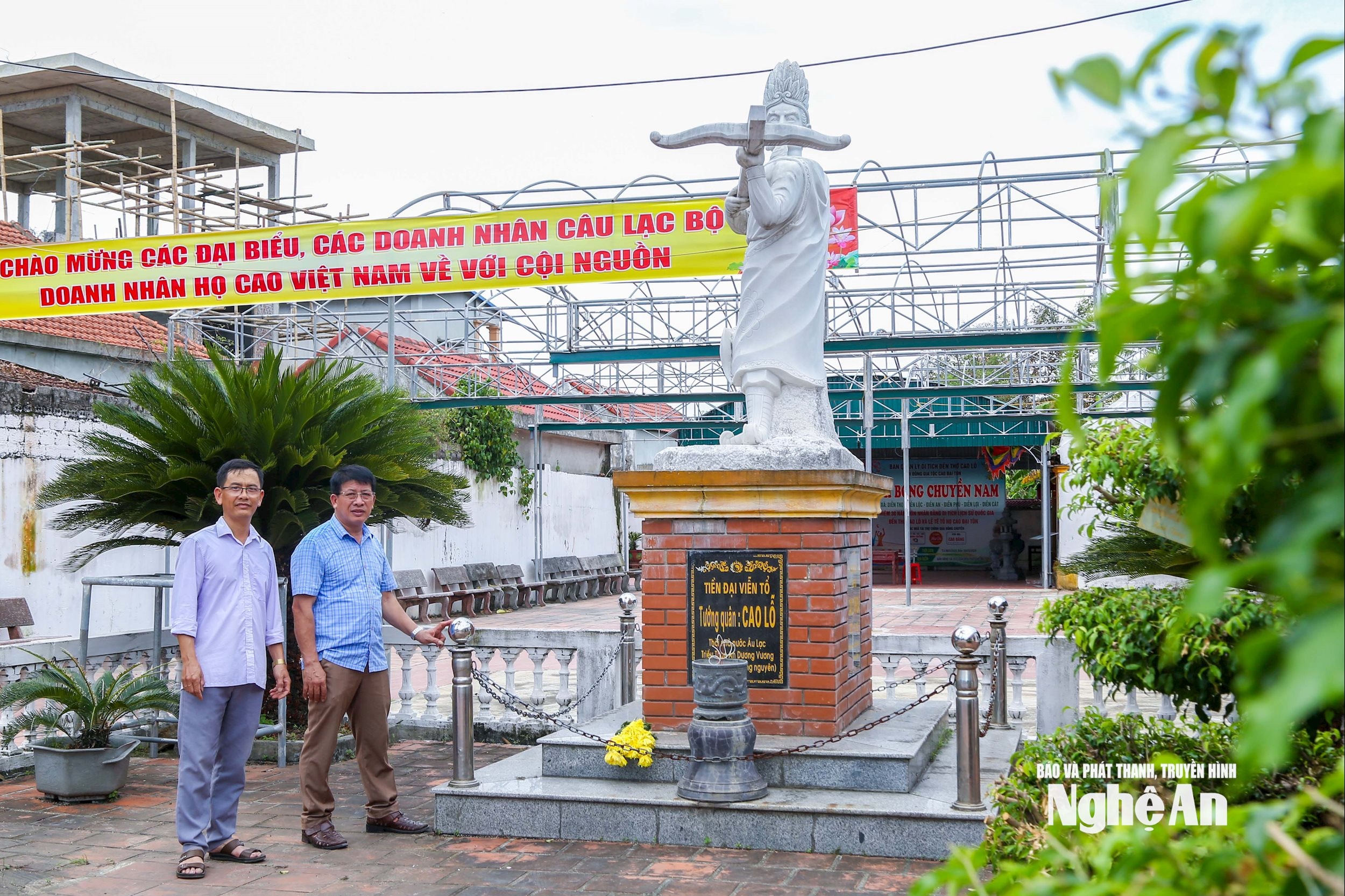
Legend has it that Cao Lỗ, a great general of Thục An Dương Vương, made significant contributions to the nation-building and defense efforts, and people in many places have erected temples in his honor. In Nho Lâm specifically, the Cao Lỗ temple, classified as a national cultural heritage site since 1995, has become a spiritual symbol closely associated with the village's blacksmithing tradition.
Throughout history, the blacksmithing craft of Nho Lam has not only served agriculture but also accompanied the nation in its resistance wars. During the resistance against the French, blacksmiths worked day and night forging spears, machetes, and iron spikes. Mrs. Hoang Thi Minh, a daughter-in-law of the blacksmithing village since 1973, recounted: “The elders used to say that in the past, our ancestors forged harrows, hoes, and shovels for plowing, but when the country needed them, the forges immediately became places for producing weapons. Spears, machetes, swords, iron spikes… were created by the hands of the people of Nho Lam to contribute to the revolution.”
Mr. Vo Van Khue, a fifth-generation descendant of a blacksmith family, vividly remembers those tumultuous days: “The whole village was ablaze with fire, the sound of hammers echoing throughout the neighborhood. From raw iron ore, people smelted steel, then forged hoes, shovels, knives, swords, tridents, pointed spears, and machetes—all handcrafted. In August 1945, the whole village made weapons for the guerrillas. Despite the hardship, everyone was proud to contribute to their homeland.”
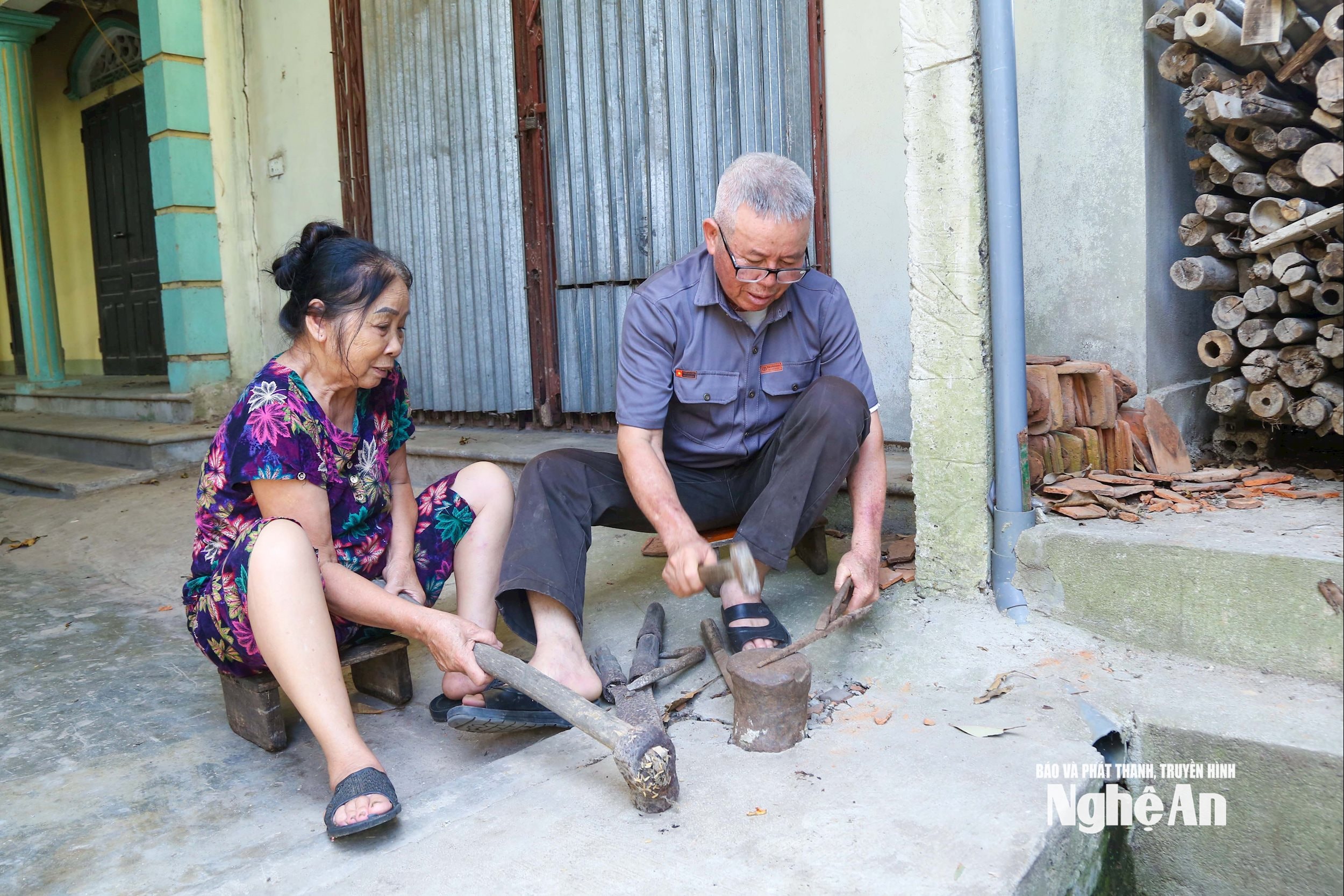
During its heyday, Nho Lam village had about 20 blacksmiths' workshops operating day and night. Smoke from the furnaces blackened the entire sky, and the clanging of hammers created a familiar melody, intertwined with the childhood memories of generations. The people of Nho Lam grew up surrounded by the sounds of hammers and anvils, considering blacksmithing as the lifeblood of the village.
Hope to revive the forging fire.
Today, having passed its golden age, the Nho Lam blacksmithing craft faces numerous difficulties. Many families have abandoned the trade, switching to commerce or working far from home. The old walls still bear the marks of black iron slag, and many anvils and hammers lie silently in the corners of the gardens, serving as witnesses to a glorious past.
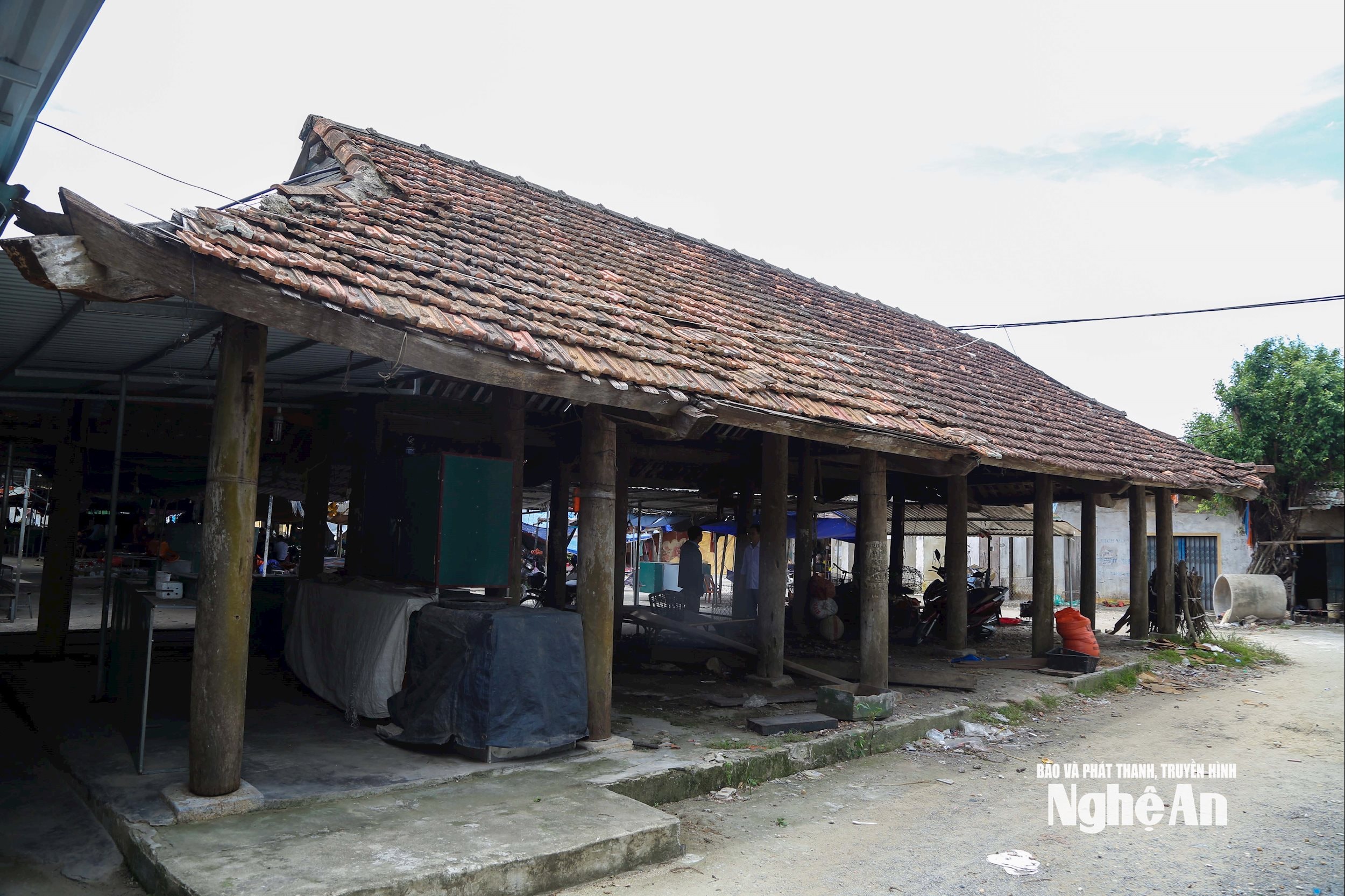
Mr. Phan Van Hung, Chairman of the Tan Chau Commune People's Committee, expressed his concern: "Currently, only a few households in the commune still practice the craft. Restoring the craft village requires time and the cooperation of many parties. First, we need to rebuild the village communal house, collect traditional tools, connect with households still practicing the craft, and then gradually develop it in conjunction with tourism."
In May 2025, Thanh Kieu hamlet - Nho Lam village will be recognized as the village with the oldest iron forging craft in Vietnam. This is both a source of pride and places a responsibility on the people to preserve and promote this heritage.
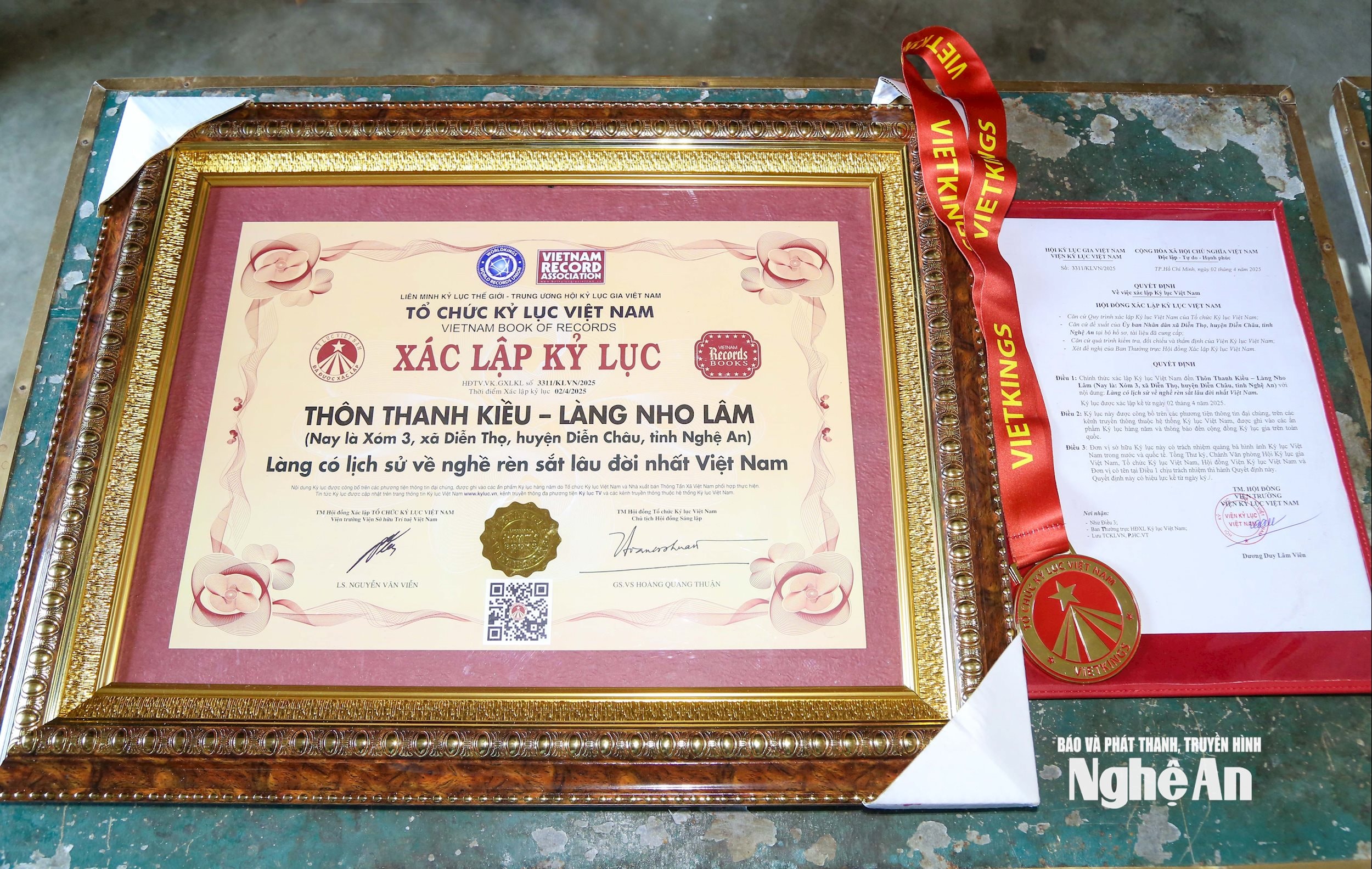
In the village today, the number of blacksmiths is decreasing, and most are elderly. Young people are largely uninterested in the craft due to the arduous work and unstable income. Many believe that with support in terms of capital, product promotion, and the application of new technologies, the Nho Lam blacksmithing craft still has a chance to be restored and maintained.
The biggest challenge today is the influx of cheap, mass-produced industrial products, making it difficult for handcrafted items to compete. However, the value of Nho Lam forged goods lies in their durability, sharpness, and exquisite craftsmanship – qualities that mass-produced products cannot offer. With proper care, a handcrafted knife can last for decades while remaining sharp. This unique characteristic is becoming an opportunity for development in the direction of "traditional products linked to tourism experiences."
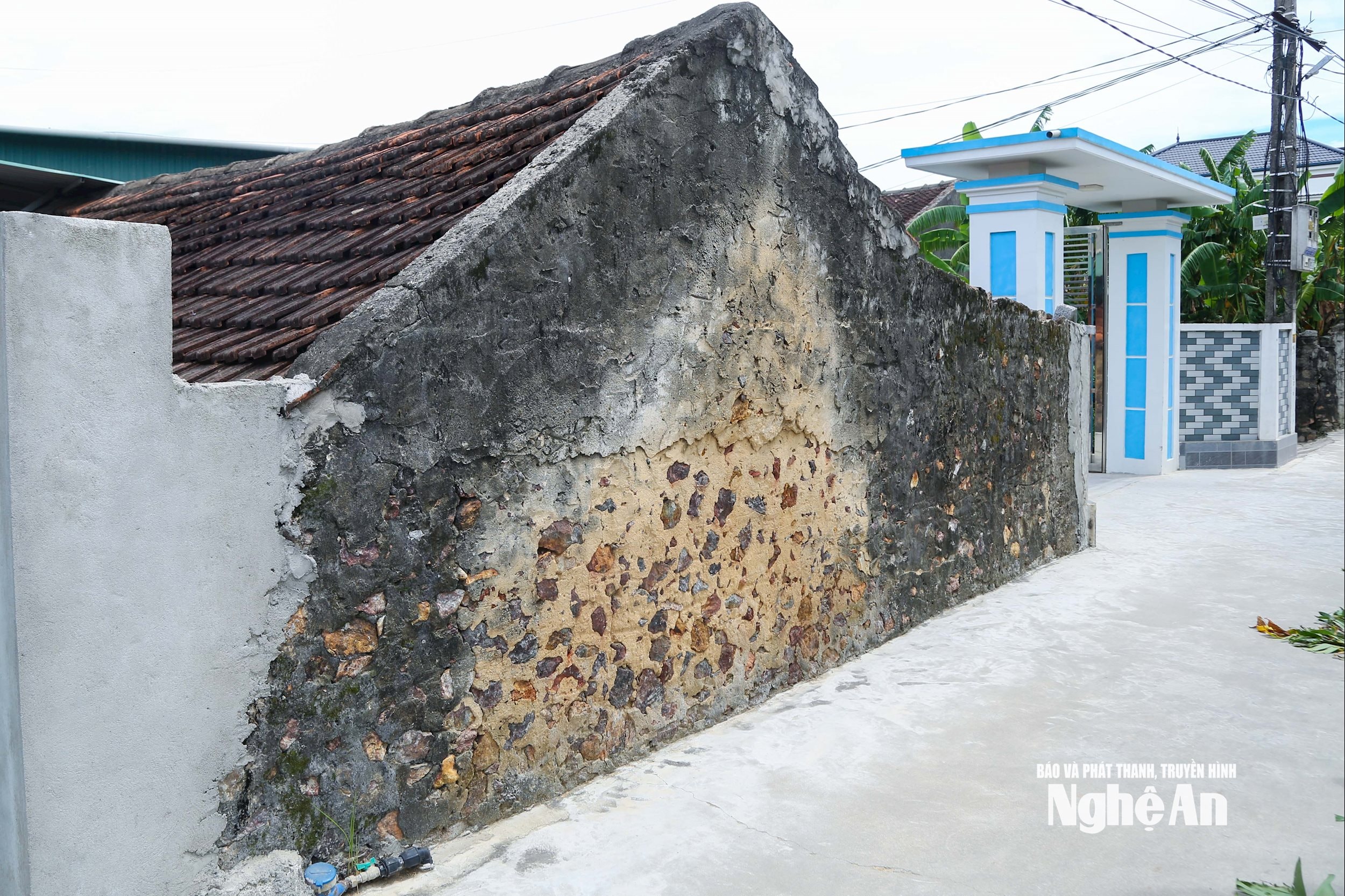
Mr. Vo Nguyen, now over 90 years old, one of the blacksmiths in the village, recounted: “I followed my father in this trade since I was 12 years old. During the war years, the whole village worked day and night forging knives, hoes, shovels, and other weapons. Now that I'm old and my strength is gone, hearing the sound of hammers forging somewhere warms my heart.”
Besides its blacksmithing tradition, Nho Lam is also renowned as a land of scholarly pursuit. Many families have established scholarship funds, built family libraries, and cared for their children's education. The fire of the forge and the lamp of learning have blended together, creating a unique identity: a Nho Lam that is hardworking, persistent, and also intellectually rich.
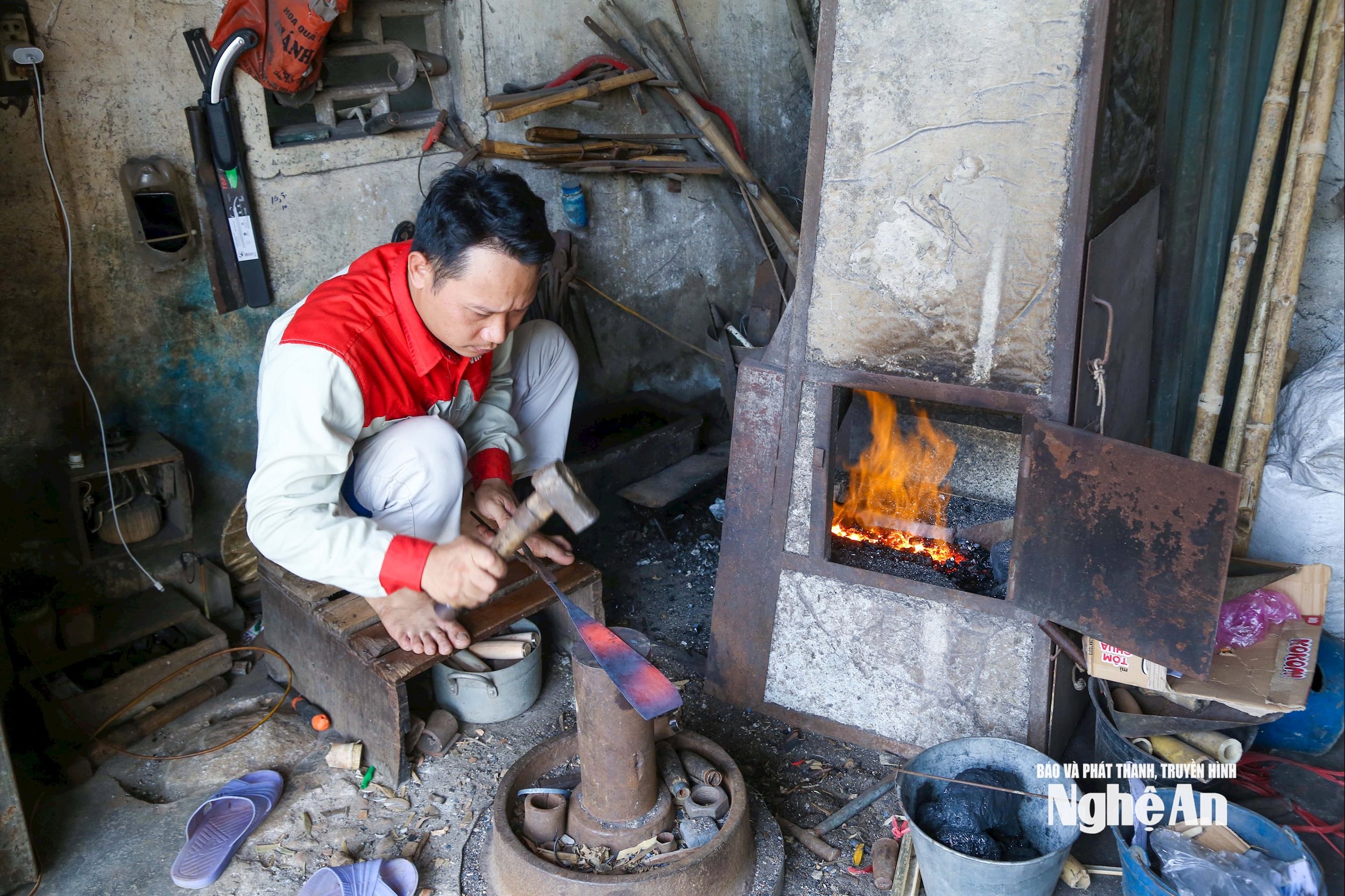
The achievement of a national record has instilled renewed hope for revival. Locals hope that in the future, visitors to Nho Lam will not only see the Cao Lo temple and Thanh Kieu communal house, but also witness firsthand the artisans lighting furnaces, forging knives, and trying their hand at hammering and anvils. Each product they take home will not only be a useful item but also a memento, a piece of history.
The blacksmithing craft of Nho Lam has weathered thousands of years of ups and downs, contributing to the nation-building and national defense efforts. Although the fire has sometimes died down, the belief that one day it will be rekindled still burns in the hearts of the people.


