
The fragrant aroma of grilled fish from Dien Van village in Nghe An
(Baonghean.vn) - Located along the Van stream leading to the sea, Trung Hau village has dozens of fish grilling stalls on both sides of the village's main road. Although the people here do not work in the fishing industry, fish grilling has been a long-standing traditional occupation of the village, supporting hundreds of families who work as hired fish grillers and own grilling stalls.
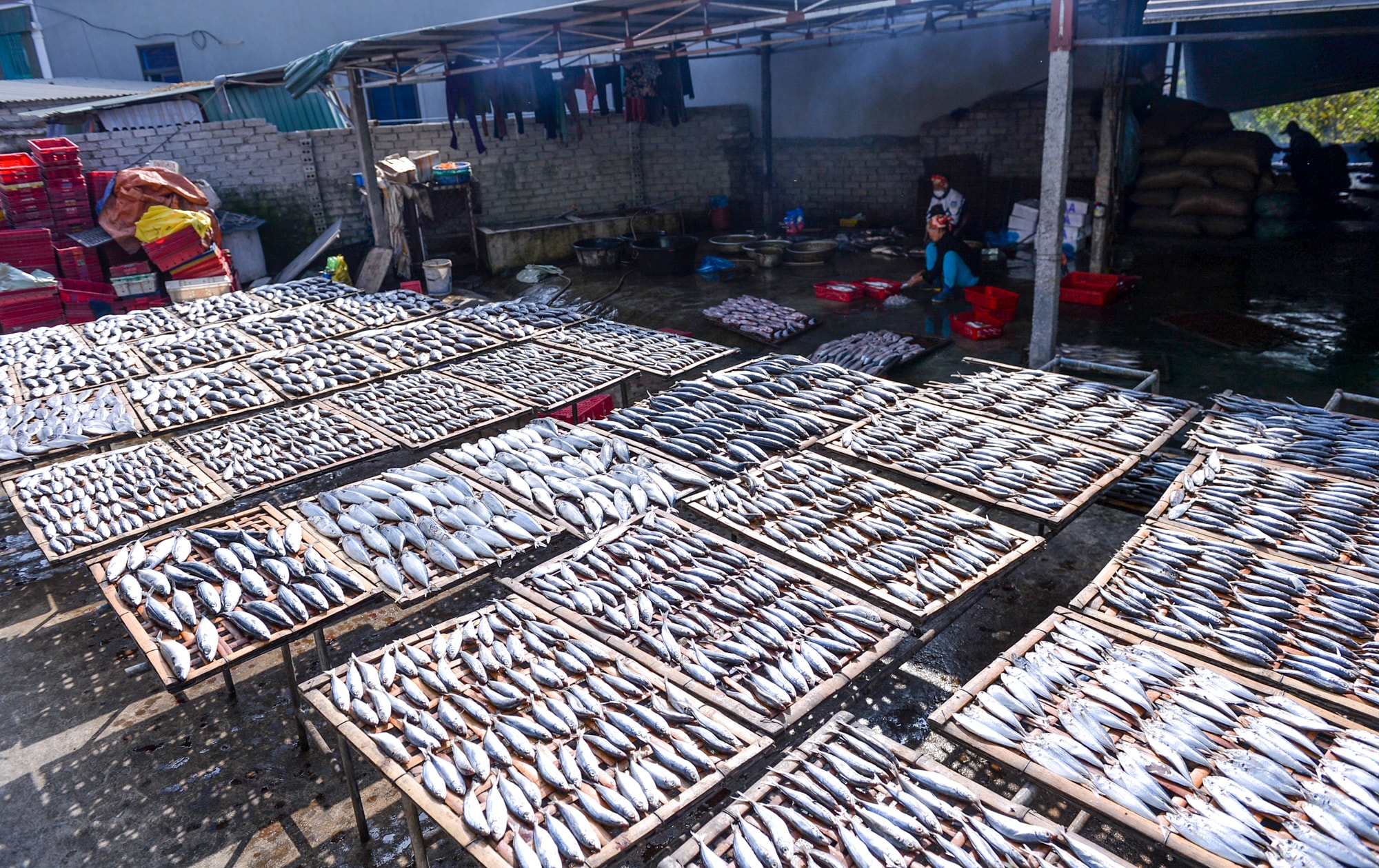 |
Dien Van, formerly part of Van Phan land, is situated at the confluence of several rivers such as the Bung River, the Vach Bac River, and the Lach Van River. Known for its rich history and diverse cultural traditions, Dien Van also boasts many villages that thrive on the bounty of the sea, such as salt production, fish sauce making, and shrimp paste production. Among these, the grilled seafood dish stands out. Photo: Thanh Cuong |
 |
| Initially, it was just a few families in Trung Hau hamlet (Dien Van) who bought fish after each fishing trip, grilled it, and then sold it mainly at markets in Dien Chau district. Then, Dien Van grilled fish gradually appeared in markets throughout Nghe An province and in many other localities without anyone noticing. Since then, the fish grilling business has spread to almost all the villages of Dien Van, with more than 40 grill owners. Photo: Thanh Cuong |
 |
Previously, to obtain the amount of fish needed for a day's cooking, owners of these establishments had to wake up at 3-4 am and travel to the beaches of Dien Thanh and Dien Bich (Dien Chau district), or even further afield to seaports in Cua Lo and Cua Hoi towns; and Quynh Phuong and Quynh Tien (Hoang Mai town)... to purchase fish. Nowadays, to ensure a steady supply of raw materials, many owners are boldly investing in cold storage facilities right at their homes. Large quantities of fish are purchased from offshore fishing vessels and brought back to the warehouses for gradual cooking. (Photo: Thanh Cuong) |
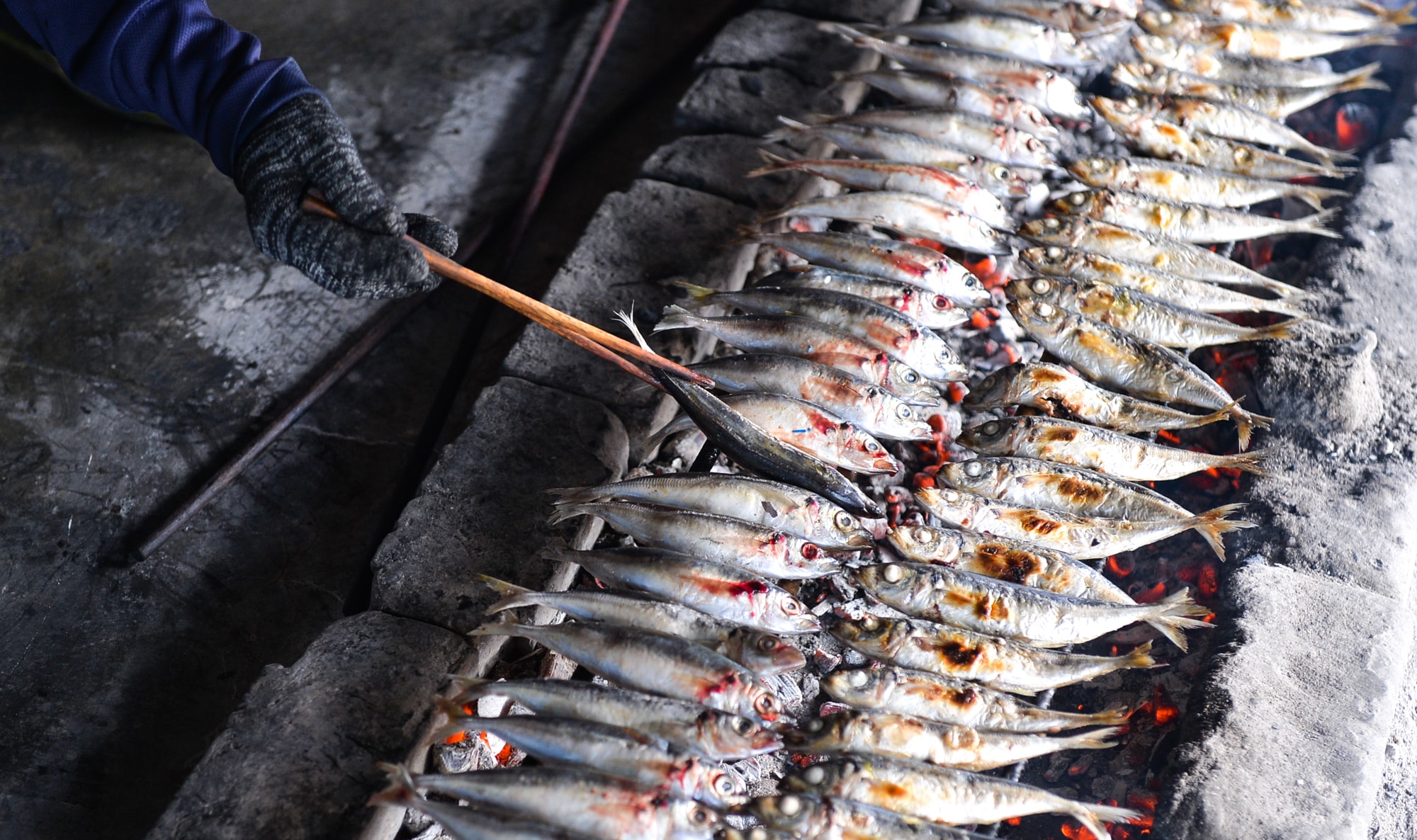 |
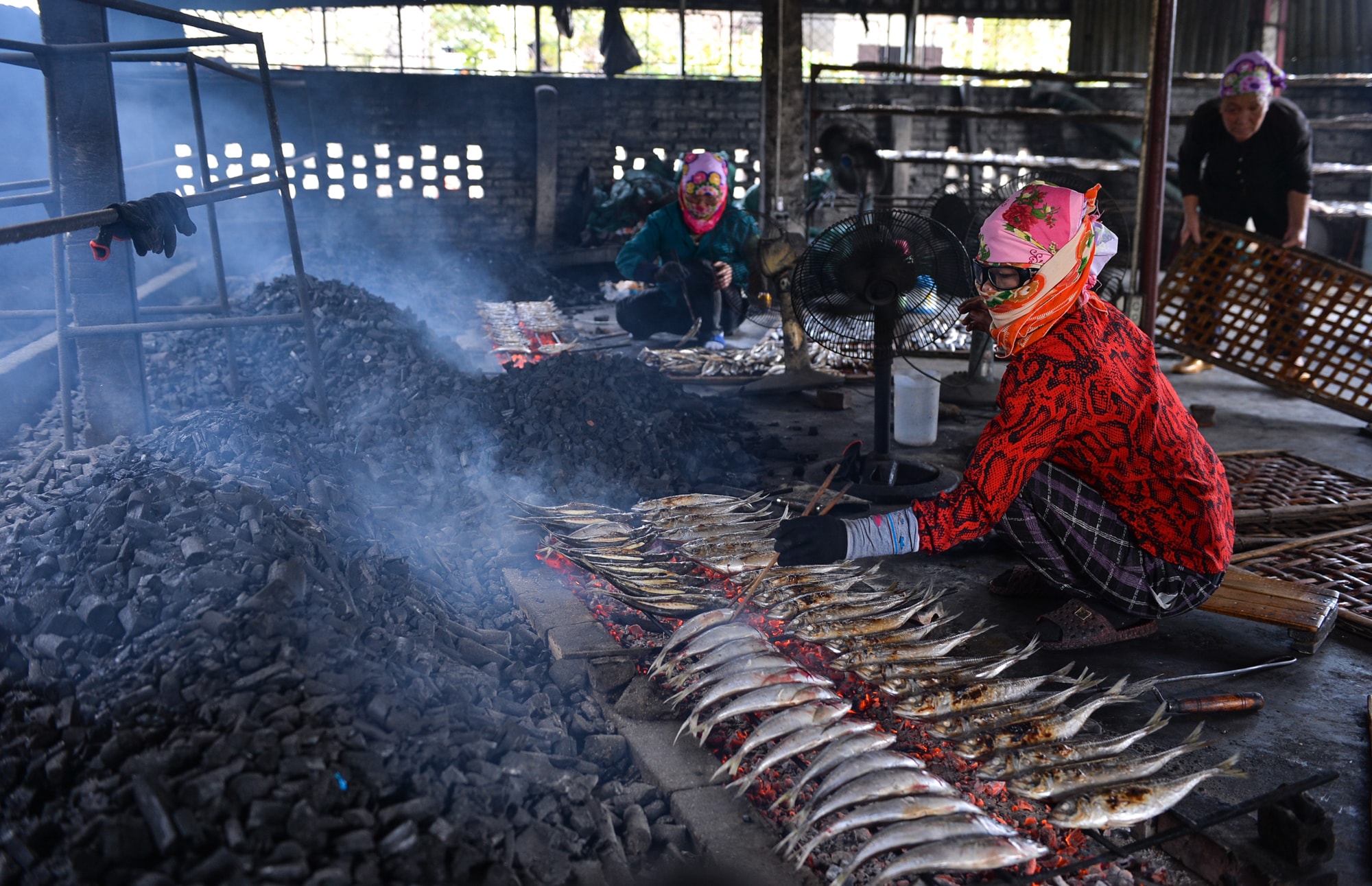
Normally, each of these grills produces at least 1 ton of various types of fish. However, in the last two years, due to the impact of the Covid-19 pandemic, goods have been difficult to circulate, and buyers have decreased, so the grills have had to reduce their capacity, averaging only about 500 kg of fish per day. The most popular grilled fish types are herring, mackerel, scad, tuna, barracuda, spotted fish, and barracuda... Some households also grill squid, but only a few because of the high price and the fact that the market is usually in mountainous districts. Photo: Thanh Cuong |
 |
Ms. Luu Thi Xuan (Trung Hau hamlet, Dien Van commune) said: “Grilling fish is very hard work; you have to be diligent and persistent. We have to go to work early in the morning and don't finish until around 6 or 7 PM. In the summer, the fish dries well in the sun, making the grilled fish fragrant and delicious, but those of us who sit and grill the fish work even harder...” Photo: Thanh Cuong |
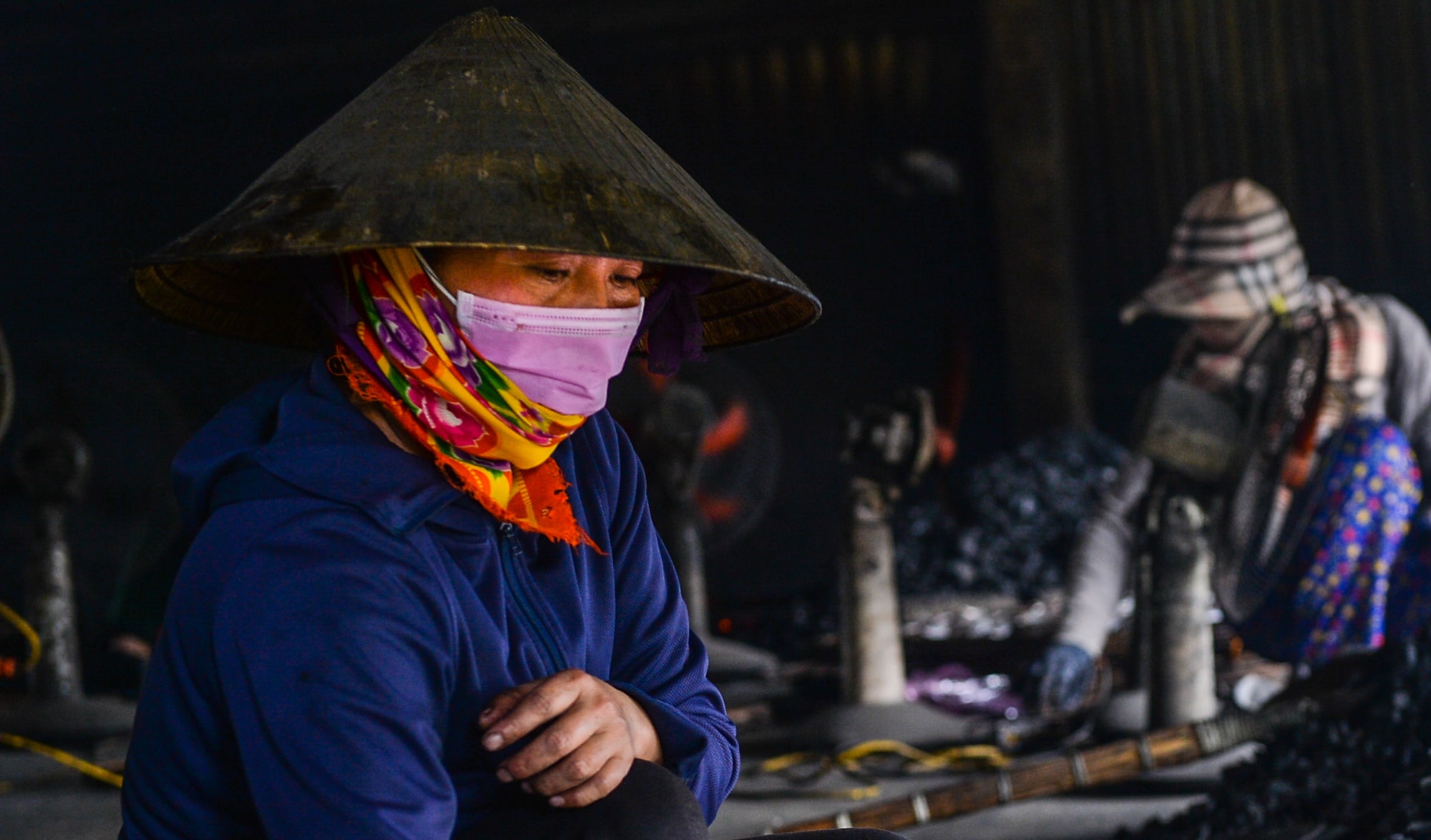 |
"...Even when the outdoor temperature reaches nearly 40 degrees Celsius, my sisters and I still have to sit by the blazing charcoal stove to grill tons of fish. During the rainy season, although it's warm and pleasant, the fish takes longer to dry, so to get the fish cooked to a delicious aroma, it requires a longer grilling time." Photo: Thanh Cuong |
 |
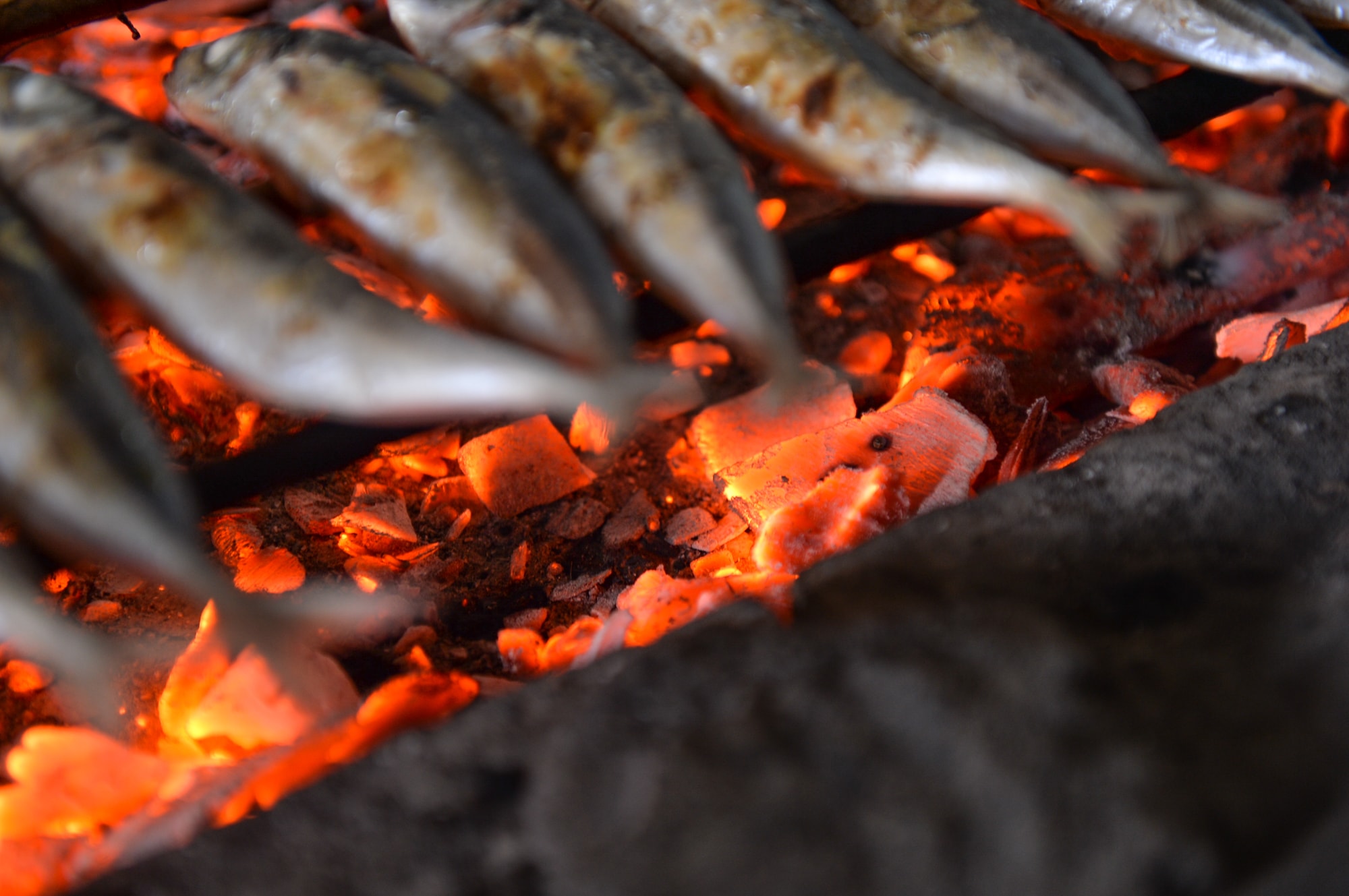
Maintaining the right heat to cook the fish perfectly requires experience; the more evenly the fish is turned, the more flavorful it becomes. Even those who learn quickly take a year to become proficient. Each day, the women are paid 200,000-250,000 VND per person by the owner of the grill. Monthly income ranges from 5-6 million VND per person. Photo: Thanh Cuong |
 |
After grilling, the fish are transported to several distribution points in the western mountainous districts of Nghe An province, such as Con Cuong, Que Phong, Tan Ky, and Tuong Duong. Larger establishments transport grilled fish by family cars, while smaller ones send it via passenger buses. Most families in Trung Hau hamlet have been grilling fish for three to four generations. Although it's hard work, almost no one has abandoned the profession that has sustained them and their families for many years. Photo: Thanh Cuong |


